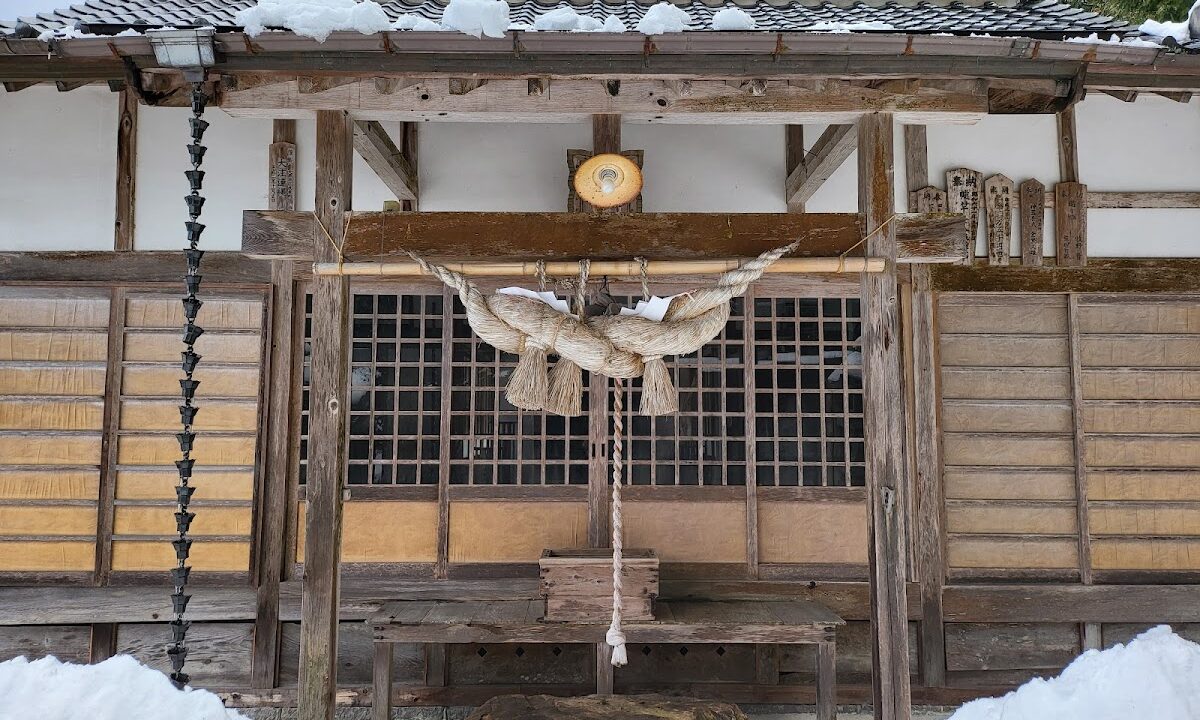
Ohara Shrine (Kurayoshi City, Tottori Prefecture) | The History and Blessings of the Five Great Deities with Over 1300 Years of History
Located in Ohara, Kurayoshi City, Tottori Prefecture, Ohara Shrine is an ancient shrine with a history of over 1300 years, said to have been founded in 647 AD during the Asuka period. Formerly known as “Five Great Deities,” it has been deeply revered by the local people. This article comprehensively introduces information you should know before visiting Ohara Shrine, including its detailed history, enshrined deities, highlights within the grounds, and access methods.
Overview of Ohara Shrine
Ohara Shrine is a shrine located in Kurayoshi City, in the central part of Tottori Prefecture. It is a historically significant shrine that has attracted the faith of Hoki Province from ancient times through the medieval and early modern periods. Currently, it belongs to the Tottori Prefectural Shrine Association and is cherished as the local guardian deity.
Basic Information
- Location: Ohara, Kurayoshi City, Tottori Prefecture
- Main Deity: Masaka Akatsukachihayahiame no Oshihomimi no Kami
- Enshrined Deities: Ame no Hohi no Kami, Amatsuhikone no Kami, Ikatsuhikone no Kami, Kumano Kusunoki no Kami
- Former Shrine Rank: Village Shrine
- Founding: Said to be in the 3rd year of the Taika era (647 AD)
- Annual Festival: Second Sunday of October
History
The history of Ohara Shrine can be learned in detail from the “Record of the Restoration of the Zuiden,” inscribed on a ridge beam inscription from the 5th year of the Hoei era (1708). According to this record, there were numerous important events in the founding and development of the shrine.
Founding History
The shrine’s history began in 647 AD (Daika 3), when Masakatsu Agatsukatsu Hayahi Ten no Oshihomimi no Kami was invited from Kohata Shrine in Uji-go, Yamashiro Province. This deity is a child of Amaterasu Omikami and a revered god worshipped as the ancestral deity of the Imperial Family. The fact that this deity was invited from Uji in Kyoto to this location in Hoki Province during the Asuka period, a time of formation in ancient Japan, indicates that Ohara was an important strategic point at that time.
Reconstruction and Establishment of the Five Great Shrines during the Meitoku Era
In 1391 (Meitoku 2), Murakami Naotaka, a Shinto priest, rebuilt the shrine at the command of the provincial governor. This marked a significant turning point in the history of Ohara Shrine.
Simultaneously with the reconstruction, four deities were enshrined in separate halls:
- Ame-no-hohi-no-kami: Ancestral deity of the Izumo no Kuni no Miyatsuko (provincial governor of Izumo Province)
- Amatsu-hikone-no-kami: Son of Amaterasu-ōmikami
- Ikutsu-hikone-no-kami: Son of Amaterasu-ōmikami
- Kumano-kusuhi-no-kami: Son of Amaterasu-ōmikami
These deities, along with the main deity, comprised five deities, and together with the main shrine and subsidiary shrines, the shrine came to be known as “Gosha Daimyōjin” (Five Shrines Great Deity). This five-shrine system elevated the status of the shrine and established its position as a center of faith in the region.
Medieval Jingūji Temple and Warfare
During the medieval period, a Jingūji temple was established south of the shrine grounds, and the esoteric Buddhist monk Yūkan presided over the rituals as the shrine priest. During the era of syncretism between Shinto and Buddhism, it was common for shrines and temples to operate together in religious activities, and it is evident that Ohara Shrine also adopted a similar system.
However, in 1524, when Amago Tsunehisa invaded Hoki Province, the shrine’s temple was destroyed by fire. This conflict left the shrine without any priests to serve it, and the shrine buildings deteriorated over time. This is a historical example demonstrating the significant impact the turmoil of the Sengoku period had on shrines.
Merger and Reconstruction during the Tenbun Era
Concerned about the dilapidation following the burning of the temple, the Murakami clan, the shrine officials, merged five shrines into one during the Tenbun era (around 1532-1555), thus preserving the shrine’s dignity. This consolidation is thought to have unified the dispersed faith and streamlined the maintenance and management of the shrine.
Restoration in the Early Modern Period
In 1708 (Hōei 5), a restoration project was undertaken to such an extent that a ridge beam inscription, “Record of the Restoration of the Zuiden,” was created. This indicates a large-scale repair and reconstruction of the shrine buildings during the mid-Edo period.
Meiji Restoration and Name Change
During the Meiji Restoration, the separation of Shinto and Buddhism led to the separation of shrines and temples, and the name was changed from “Goshadai Myōjin” to “Ōhara Shrine.” At the same time, the three deities previously enshrined as subsidiary deities—Susanoo-no-kami, Ukanomitama-no-kami, and Tenman Tenjin—were enshrined together, resulting in the current form.
Deities and Benefits
Ōhara Shrine enshrines five deities, including the main deity and the subordinate deities. Let’s take a closer look at each of these deities.
Main Deity: Masakatsu Akatsukachihayahi Ame no Oshihomimi no Kami
Masaka Akatsukachihayahi Ame no Oshihomimi no Kami is a god born when Amaterasu Omikami and Susanoo-no-Mikoto made a vow (ukei), and is a child of Amaterasu Omikami. He is the father of Ninigi-no-Mikoto and a highly revered deity as the ancestral god of the Imperial family.
Benefits:
- National peace and security
- Prosperity of the Imperial family
- Good fortune and victory prayers
- Family prosperity
Enshrined Deities
Ame no Hohi no Kami
One of Amaterasu Omikami’s children, and considered the ancestral god of the Izumo no Kuni no Miyatsuko (provincial governor of Izumo). Also the ancestral god of the Senke and Kitajima families, who have served as chief priests of Izumo Taisha Shrine for generations. Benefits:
- Honesty and Loyalty
- Protection of Agriculture
- Industrial Development
Amatsuhikone-no-kami
One of Amaterasu-Omikami’s children, considered the ancestral deity of many clans.
Benefits:
- Prosperity of Descendants
- Family Safety
Ikutsuhikone-no-kami
One of Amaterasu-Omikami’s children, a deity symbolizing vitality.
Benefits:
- Health and Longevity
- Increased Vitality
- Healing from Illness
Kumano-Kusuhi-no-kami
One of Amaterasu-Omikami’s children, a deity associated with Kumano faith.
Benefits:
- Good fortune and prosperity
- Protection from evil
Deities enshrined together
The three deities enshrined together during the Meiji Restoration are also important:
- Susanoo-no-Mikoto: Protection from evil, eradication of disease, matchmaking
- Ukanomitama-no-Kami: Abundant harvests, business prosperity, industrial development
- Tenman Tenjin (Sugawara no Michizane): Academic success, passing exams, literary improvement
Highlights of the shrine grounds
The grounds of Ohara Shrine are filled with buildings and sacred spaces that tell the story of its long history.
Shrine buildings
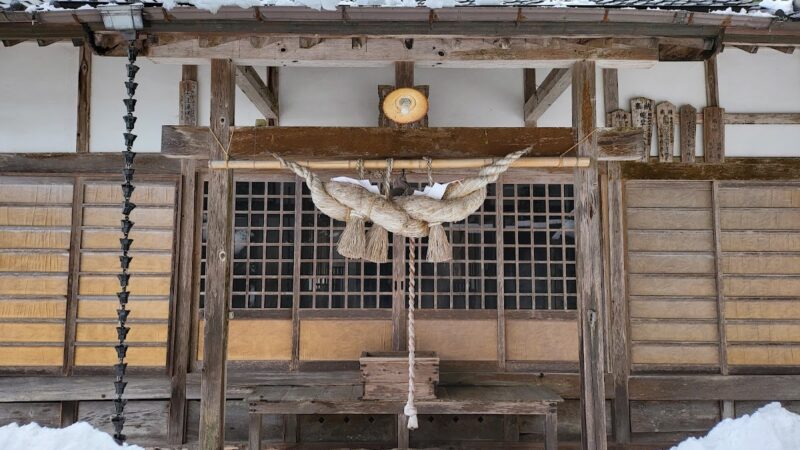
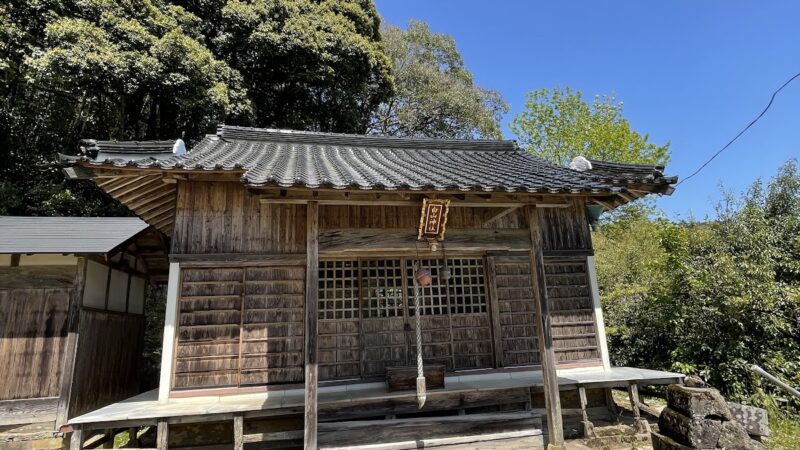
The current shrine buildings were rebuilt after the Edo period. The worship hall serves as a sacred space to welcome worshippers, and the main hall is the most sacred place where the enshrined deities reside, preserving the traditional style of shrine architecture.
The ridge beam inscription, which records the shrine’s reconstruction in 1708 (Hoei 5), is a valuable historical document for understanding the shrine’s history.
Shrine Precincts
Ohara Shrine has a history of having five separate shrines dedicated to different deities. While these have now been integrated, traces of this faith can still be seen within the shrine grounds. Furthermore, the worship of Susanoo-no-Mikoto, Ukanomitama-no-Mikoto, and Tenman Tenjin, who were enshrined as subsidiary deities, is still carried on.
Atmosphere of the Shrine Grounds
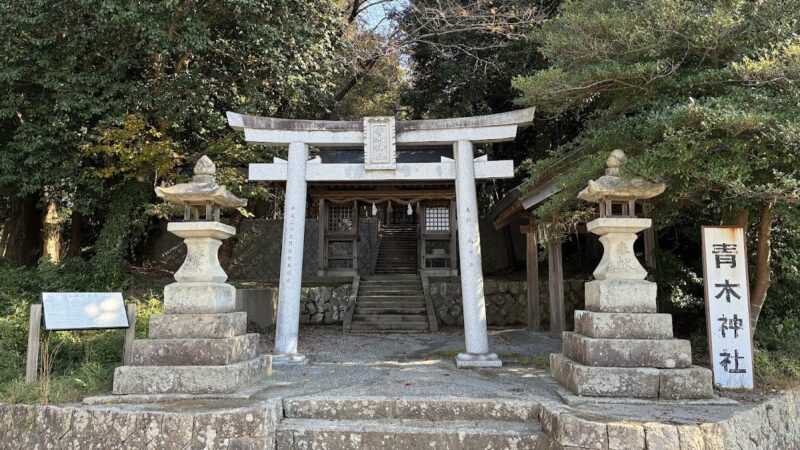
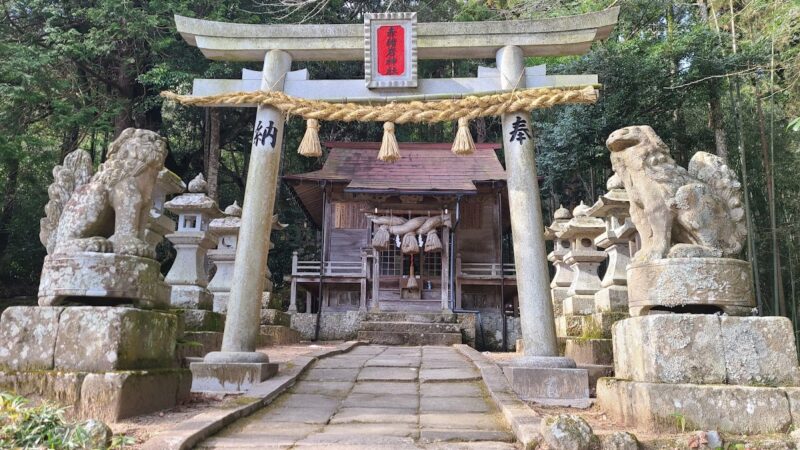
Ohara Shrine, located in Ohara, Kurayoshi City, is situated in a tranquil environment, allowing visitors to calmly contemplate the deities. Surrounded by ancient trees, the grounds exude a solemn atmosphere that reflects its more than 1300-year history.
About Goshuin (Shrine Seals)
For information regarding Ohara Shrine’s goshuin, please inquire at the shrine office during your visit. Since the chief priest may be absent at some shrines, it is recommended to contact the Tottori Prefectural Shrine Association or the Kurayoshi City Tourism Association in advance.
When receiving a Goshuin (temple/shrine stamp), it is important to complete your prayers first, bring your Goshuincho (stamp book), and respectfully request it. A Goshuin is not merely a commemorative stamp, but a sacred item bestowed by the shrine as proof of your visit.
Access and Transportation Information
Here’s how to access Ohara Shrine.
Using Public Transportation
From JR Kurayoshi Station:
- Take the Hinomaru Bus “Misasa Line (bound for Misasa Onsen)” or “Misasa Onsen Line”
- Get off at the “Ohara” bus stop (approximately 10 minutes)
- Approximately 15 minutes on foot from the bus stop
Since bus services are limited, it is recommended to check the timetable in advance.
Using a Car
- Approximately 40 minutes from the Yonago Expressway “Yuhara IC”
- Approximately 20 minutes from the San’in Expressway “Kurayoshi Nishi IC”
It is recommended to check the availability of parking before visiting.
Nearby Tourist Attractions
Besides Ohara Shrine, Kurayoshi City has many other sights to see:
- Kurayoshi White-Walled Storehouse District: A beautiful townscape designated as an Important Preservation District for Groups of Traditional Buildings
- Red Tiles: A group of tourist facilities utilizing traditional Kurayoshi architecture
- Utsubuki Park: A park selected as one of Japan’s Top 100 Cherry Blossom Viewing Spots
- Misasa Onsen: A famous hot spring known as one of the world’s leading radon hot springs (approximately 15 minutes by car)
You can enjoy the history and culture of Kurayoshi in conjunction with visiting Ohara Shrine.
The Land of Ohara and the Yasutsuna Legend
In the Ohara district of Kurayoshi City, there are legends related to Ohara Yasutsuna, a master craftsman of the Heian period. Yasutsuna was a swordsmith known for famous swords such as “Dojigiri Yasutsuna.” The “Hoki Mindanki,” completed in 1742, states, “Yasutsuna was also known as Ohara Goro-dayu, and his blacksmith’s residence still exists in Ohara Village, Kawamura District (present-day Ohara, Kurayoshi City).”
This tradition suggests that Ohara may have been a center of skilled craftsmen since ancient times, and Ohara Shrine is thought to be deeply connected to this regional history.
Manners and Points for Visiting the Shrine
Here are some manners and points to keep in mind when visiting Ohara Shrine.
Etiquette for Visiting a Shrine
- Bow before passing through the torii gate: This is a courtesy before entering the sacred area.
- Avoid walking in the center of the path: The center is considered the path of the gods.
- Purify yourself at the water basin: Purify your left hand, then your right hand, then your mouth.
- Worship at the main hall: Two bows, two claps, and one bow is the basic procedure.
Appropriate Attire for Visiting a Shrine
For visiting a shrine, clean and subdued attire is desirable. Especially if you are receiving a formal prayer, avoid overly casual clothing.
Photography
Photography is generally permitted on the shrine grounds, but there are areas where photography is prohibited, such as inside the main hall. Also, please be considerate of other visitors.
Annual Events
Ohara Shrine holds various festivals throughout the year.
Annual Festival
The annual festival is held on the second Sunday of October every year. The annual festival is the most important event for the shrine, where gratitude is offered to the enshrined deity and prayers are made for peace and prosperity in the region.
Other Festivals
- Saitansai (January 1st): A festival celebrating the New Year
- Kinensai (February): A festival praying for a bountiful harvest
- Niinamesai (November 23rd): A festival giving thanks for the harvest
For detailed festival schedules, please contact the Tottori Prefectural Shrine Association or the shrine directly.
The Relationship Between Ohara Shrine and the Community
Ohara Shrine has been the tutelary shrine of the Ohara district of Kurayoshi City for over 1300 years, attracting the faith of the local people. From the time when it was revered as Goshadaimyojin to the present day, it has played a role as a spiritual pillar of the community.
Despite being destroyed by war and having its name changed due to the separation of Shinto and Buddhism, its history of being preserved by the faith of the local people is a fine example of the nature of shrine worship in Japan.
References and Related Information
For those who wish to learn more about Ohara Shrine, the following resources may be helpful:
- Tottori Prefecture Shrine Association Official Website
- “Hoki Mindanki” (Kanpo 2, 1742)
- Kurayoshi City History
- Various Documents Concerning Shrines in Tottori Prefecture
Summary
Ohara Shrine, located in Kurayoshi City, Tottori Prefecture, is a venerable shrine with a history of over 1300 years, said to have been founded in 647 AD (Daika 3). Formerly revered as Goshadaimyojin, it enshrines five deities, including Masakatsu Agatsukatsu Hayahi Ten Oshihomimi no Kami.
Its history of overcoming the turbulent times, such as destruction by fire during wars and the separation of Shinto and Buddhism, while continuing to attract the faith of the people as the local guardian deity, speaks to the richness of Japanese shrine culture.
When you visit Kurayoshi City, in addition to sightseeing spots such as the white-walled storehouse district, be sure to visit Ohara Shrine and experience its long history and sacred atmosphere. If you put your hands together in prayer in the quiet shrine grounds, you will feel the weight of the faith that has been preserved for over 1300 years and the blessings of the gods.