Shizukuishi Shrine (Iwate Prefecture) Complete Guide | The Origin of the Place Name: The “Tantan” Water Harp, History, and Access Information
Nestled quietly in the mountains of Shizukuishi Town, Iwate District, Iwate Prefecture, Shizukuishi Shrine is a sacred place from which the town derives its name. The clear water gushing from the base of an ancient cedar tree drips onto the stones, creating a “tan-tan” sound that has been cherished by people for over 900 years, and continues to captivate visitors as “Shizukuishi Tantan.” This article comprehensively introduces information useful for actual visits, including the history of Shizukuishi Shrine, its enshrined deities, highlights, and access methods.
What is Shizukuishi Shrine? | The Shrine from which Shizukuishi Town, Iwate Prefecture, Originates
Shizukuishi Shrine is a historical shrine located at 52 Nishine Kitazuma, Shizukuishi Town, Iwate District, Iwate Prefecture. It is located approximately 8km northwest of the Shizukuishi Town Hall, in the mountains on the outskirts of the Nishine Kitazuma settlement. This shrine, located at the coordinates 140 degrees 56 minutes 11.02 seconds east longitude and 39 degrees 44 minutes 24.98 seconds north latitude, is said to have been founded over 1000 years ago.
Origin of the Place Name Shizukuishi
The place name “Shizukuishi” was derived from a natural phenomenon within the shrine grounds. Over 900 years ago, clear water gushed from the base of a giant cedar tree in the shrine grounds, making a beautiful “tan-tan” sound each time it dripped onto the rocks below.
The villagers, discovering this mystical sound echoing in the silence of the forest, worshipped it as a water deity and affectionately called it “Shizukuishi Tan-tan.” Over time, “Shizukuishi” changed to “Shizukuishi,” becoming the current town name.
History and Deities of Shizukuishi Shrine
History of Founding
The exact founding date of Shizukuishi Shrine is unclear, but it is said to have been established over 1000 years ago. This region has long been an object of worship, and it has been revered as a sacred place where nature worship and water deity worship are intertwined.
Deities Enshrined
Shizukuishi Shrine enshrines three deities:
- Tsukuyomi-no-Mikoto: A deity personifying the moon, and the guardian of the night.
- Toyoakitsuhiko-no-Mikoto: A deity known as the god of water and agriculture.
- Susanoo-no-Mikoto: A deity widely worshipped as the god of protection against misfortune and matchmaking.
In particular, Toyoakitsuhiko-no-Mikoto, being a water deity, is deeply connected to the spring water gushing from the shrine grounds and is a central figure in the water deity worship at Shizukuishi Shrine.
Shizukuishi Tantan | The Mysterious Sound of the Suikinkutsu
What is a Suikinkutsu?
The greatest attraction at Shizukuishi Shrine is the suikinkutsu, commonly known as “Shizukuishi Tantan.” At the base of an old cedar tree on the shrine grounds lies a cave from which pure water springs forth. When this water drips onto the stone below, a clear “tan-tan” sound resonates in the silence of the forest.
Actual Experience
Many visitors are deeply moved by the sound of this suikinkutsu. In the quiet grounds surrounded by ancient cedar trees, the “tan-tan” sound, heard when you listen carefully, is truly music played by nature. You can still see and hear this suikinkutsu today.
A small hole is located beneath a stone a short distance below the shrine building, from which pure water springs forth. This spring has continued to flow without drying up since ancient times and has been cherished as sacred water by the local people.
Shizukuishi Shrine Grounds and Highlights
Approach to the Shrine and Cedar Forest
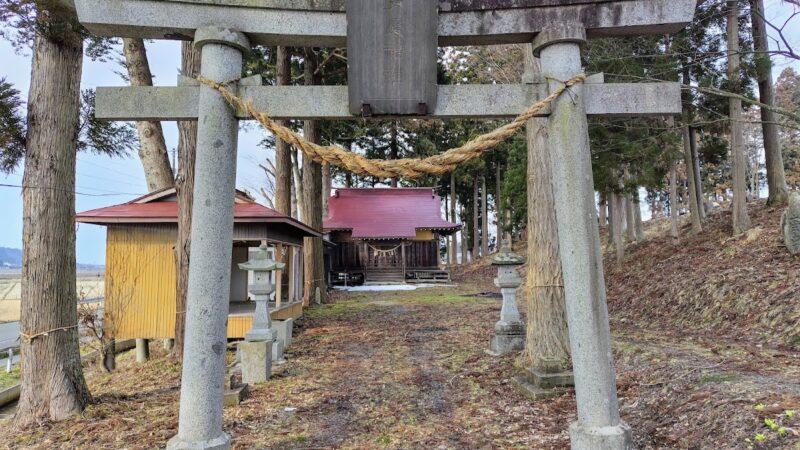
The approach to Shizukuishi Shrine is a steep slope. After passing through the torii gate, a steep uphill climb through a cedar forest continues. This approach itself is quite challenging, almost like a place of ascetic training, but after reaching the top, a slight descent leads to the shrine building.
Ancient cedar trees line both sides of the approach, creating a sacred atmosphere. Some of these cedar trees are over several hundred years old, evoking a long history.
Shrine Building
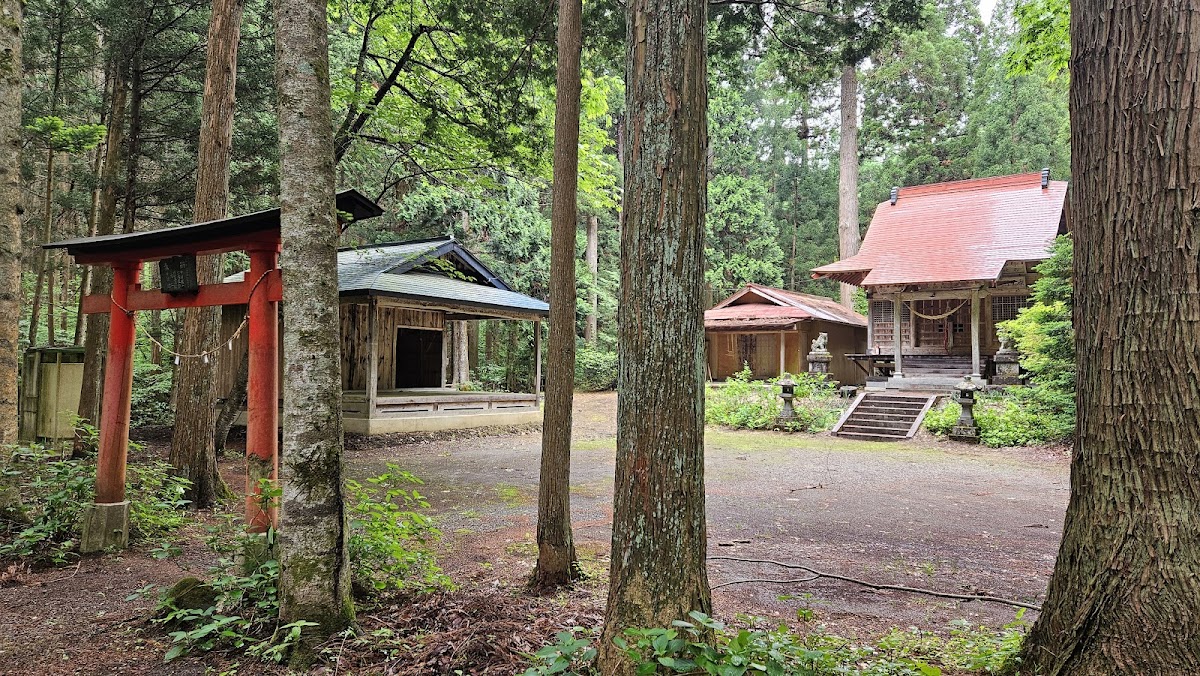
Located on the mountainside, the shrine building harmonizes with the surrounding nature. While not large in scale, it possesses a solemn atmosphere, offering visitors a quiet time for prayer.
Ancient Cedar Trees and the Natural Environment
Within the shrine grounds stands a giant tree known as the “Old Cedar,” which is the source of Shizukuishi Tantan. The spring water flowing from the base of this ancient cedar tree has been flowing unchanged for hundreds of years and is considered the source of the shrine’s spiritual power.
The surrounding area is surrounded by abundant nature, displaying different expressions in each of the four seasons. You can enjoy different beauty depending on when you visit: the fresh green of spring, the deep green of summer, the autumn foliage, and the snowy landscape of winter.
How to Access Shizukuishi Shrine
Basic Information
- Address: 52 Nishine Kitazuma, Shizukuishi-cho, Iwate-gun, Iwate Prefecture
- Coordinates: 140°56′11.02″E, 39°44′24.98″N
- Parking: Available (small, about 1 car)
- Visiting Hours: Open for worship (always open)
- Admission Fee: Free
Access by Car
Access to Shizukuishi Shrine is primarily by car. It’s about 8km northwest of Shizukuishi Town Hall, approximately a 15-minute drive.
Important Notes:
- The road leading to the shrine is a narrow mountain road.
- There is a parking space for one car next to the torii gate, but it is very narrow, so please drive carefully.
- There are places where it is difficult for two cars to pass each other.
- It is recommended to check a map beforehand, as it may not be displayed accurately on car navigation systems.
Access by Public Transportation
Access by public transportation is difficult. It is quite a distance from the nearest JR Shizukuishi Station, and there are no nearby bus routes, so we recommend taking a taxi or renting a car.
Points to Note and Manners When Visiting the Shrine
Clothing and Equipment
- Footwear: Since you will be climbing a steep slope, non-slip athletic shoes or trekking shoes are recommended.
- Clothing: Please wear comfortable clothing that allows for easy movement.
- Seasonal Appropriation: Insect repellent spray is necessary in summer, and warm clothing and non-slip footwear are necessary in winter.
Manners for Visiting the Shrine
- The shrine grounds are a sacred place. Let’s pray quietly.
- Please take all your trash with you.
- Treat the water in the suikinkutsu (water harp cave) with respect as it is sacred.
- Although the shrine is usually unattended, it is a place that is carefully protected by the local community.
Safety Precautions
- The approach to the shrine is steep and can be slippery, especially after rain or snow.
- Visiting with others is safer than visiting alone.
- Be aware that there are areas with weak cell phone reception.
Tourist Spots Around Shizukuishi Shrine
Iwateyama Shrine
Within Shizukuishi town, there is another historical shrine called Iwateyama Shrine. Located at the foot of Mount Iwate, it is said to have been founded in 801 AD by Sakanoue no Tamuramaro when he prayed for the protection of the land during his campaign against the Emishi. Visiting both Shizukuishi Shrine and Iwateyama Shrine is recommended.
Natural Spots in Shizukuishi Town
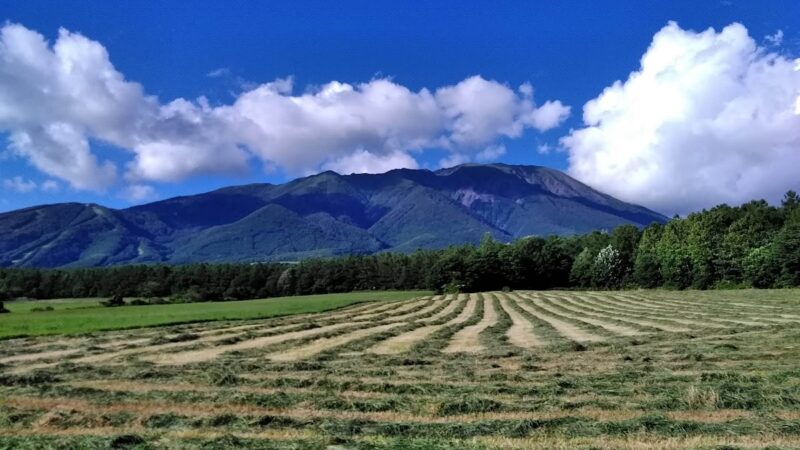
Shizukuishi Town is a region rich in nature, boasting numerous natural attractions including Mount Iwate, clear streams, and hot springs. Visiting these spots before or after your visit to Shizukuishi Shrine is highly recommended.
The Charm of Shizukuishi Shrine | Why You Should Visit
The Only Place Where You Can Experience the Origin of the Place Name
Shizukuishi Shrine is the only place where you can truly experience the origin of the place name Shizukuishi. By listening to the “tan-tan” sound of the suikinkutsu (water harp), you can relive the emotions felt by people over 900 years ago.
A Space of Tranquility and Healing
With few people around, the shrine grounds offer a peaceful and calming atmosphere. It’s an ideal place to escape the hustle and bustle of the city and find peace in nature. The grounds, surrounded by cedar forests, also offer the benefits of forest bathing.
A Fusion of History and Nature
Experience a space where history and nature beautifully blend, with a shrine boasting over 1000 years of history, continuously flowing spring water, and centuries-old cedar trees.
The Appeal of a Power Spot
As a sacred site of water deity worship, it has long been considered a place of profound spiritual power. The place where pure water springs forth is also known as a power spot for purification.
Time Required for Visit and Recommended Season
Time Required
- From parking lot to shrine: Approximately 10-15 minutes on foot (round trip)
- Visiting and sightseeing within the shrine grounds: 15-30 minutes
- Total: Approximately 30 minutes to 1 hour
Due to the steep uphill climb, the time will vary depending on your physical condition and the weather. We recommend planning with ample time.
Recommended Season
Spring (April-June): The fresh greenery is beautiful, and the weather is mild, making it ideal for visiting.
Summer (July-August): The greenery is lush, and the coolness of the spring water is refreshing. However, there are many insects, so precautions are necessary.
Autumn (September-November): The autumn foliage is beautiful, making it the most suitable season for visiting. The sound of the suikinkutsu (water harp) stands out even more in the tranquility of autumn.
Winter (December-March): The snowy scenery is magical, but the path to the shrine is slippery and dangerous. Proper equipment and caution are necessary for visiting during winter.
Reviews and Reputation of Shizukuishi Shrine
The following are comments from visitors who have actually visited the shrine:
- “It’s a shrine located at the end of a mountain hike, with a quiet and mystical atmosphere.”
- “Climbing the steep slope is difficult, but I was moved by the sound of the suikinkutsu (water harp).”
- “The shrine grounds, surrounded by ancient cedar trees, gave me a feeling of spiritual cleansing.”
- “The parking lot is small, and it’s not easy to get there, but that’s precisely why it’s worth visiting.”
- “It’s a quiet place that’s usually deserted, allowing for a peaceful visit.”
Many visitors rate the shrine as worthwhile despite the difficulty of access.
Summary | Shizukuishi Shrine: A Hidden Gem in Iwate Prefecture
Shizukuishi Shrine is a historical shrine that gave its name to Shizukuishi Town in Iwate Prefecture. The sound of clear water gushing from the base of the ancient cedar trees on the shrine grounds, dripping onto the stones and resonating “tap-tap,” has continued to fascinate people for over 900 years.
This shrine, dedicated to Tsukuyomi-no-Mikoto, Toyoakitsuhiko-no-Mikoto, and Susanoo-no-Mikoto, and particularly known as a sacred site for water deity worship, is not easily accessible, but that’s precisely what makes it worth visiting. Climbing a steep slope and passing through a cedar forest leads to the shrine buildings and suikinkutsu (water harp cave), offering a tranquil and healing space that allows you to forget the hustle and bustle of modern society.
When visiting Iwate Prefecture, be sure to visit Shizukuishi Shrine and experience the sound of “Shizukuishi Tantan,” which gave the place its name. The mystical atmosphere woven from nature and history will surely become an unforgettable memory.
When visiting, please prepare appropriate clothing and equipment and take safety precautions during your visit. Although the shrine is usually unattended, remember that it is a sacred site carefully preserved by the local community, so please observe proper etiquette during your visit.