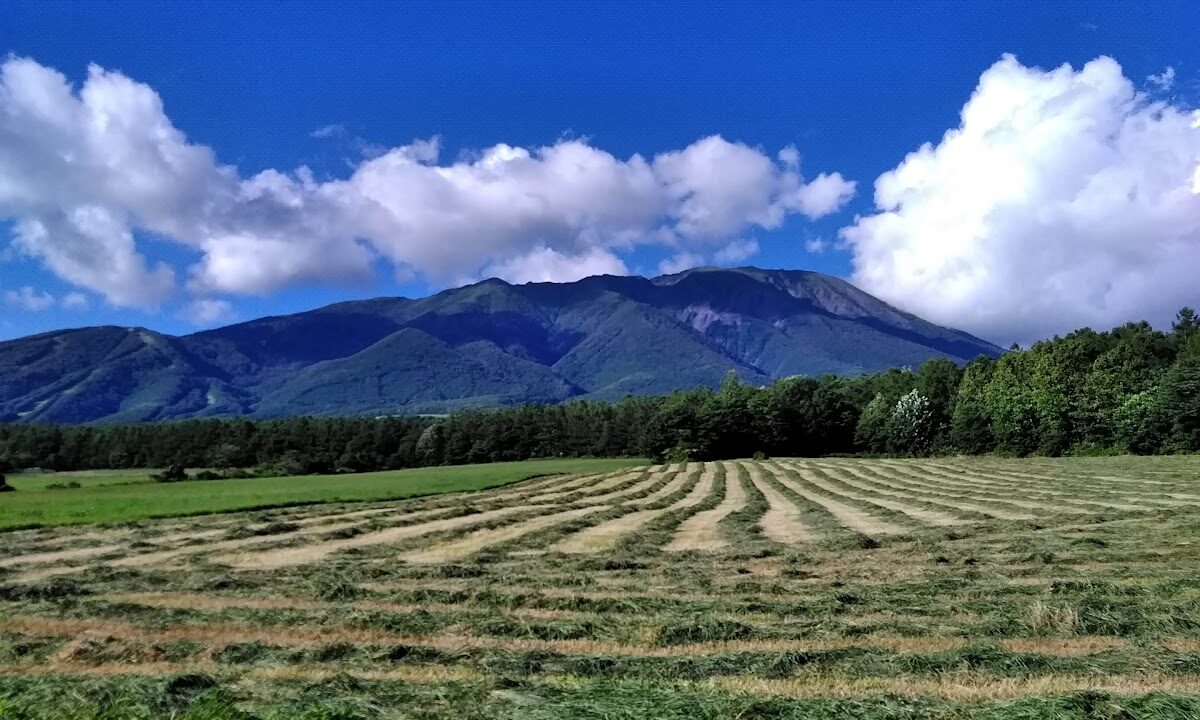
Takihara Shrine (Iwate Prefecture) Complete Guide: A Thorough Explanation of History, Deities, Blessings, and How to Visit
Iwate Prefecture boasts numerous historical shrines, but among them, Takihara Shrine is deeply cherished by the local community and known for its long history. This article comprehensively introduces everything you need to know before visiting, from the shrine’s history, enshrined deities, blessings, highlights within the grounds, how to visit, and access information.
What is Takihara Shrine?
Takihara Shrine is a shrine located in Iwate Prefecture and has long been revered as a center of local faith. The name “Takihara” is thought to be deeply connected to the surrounding topography and water sources, and the shrine is characterized by its location blessed with clear water and a rich natural environment.
The shrine serves as a spiritual pillar of the local community, with various festivals held throughout the year, attracting not only local residents but also worshippers from afar.
History and Origins of Takihara Shrine
Circumstances of Founding
There are several theories regarding the founding date of Takihara Shrine, based on local oral traditions and ancient documents. According to one theory, it was founded during the ancient to medieval period by a powerful local clan or lord who ruled the area, praying for peace and prosperity in the region and a bountiful harvest.
Iwate Prefecture has long been known as a horse-breeding region and a thriving agricultural area. Therefore, there was a strong belief in deities related to agriculture and livestock farming, and Takihara Shrine developed as a place of worship deeply connected to these local industries.
Changes Through the Ages
Ancient and Medieval Periods
It is believed that the shrine was initially a small shrine, but over time, it received the patronage of influential local figures, and the shrine buildings were improved. In the medieval period, it is said that the shrine’s size expanded due to donations from the samurai groups that ruled the area.
Early Modern Period (Edo Period)
During the Edo period, the maintenance and management of shrines were carried out under the rule of the Nanbu Domain. During this time, the domain’s policy included protecting shrines and temples, and it is believed that Takihara Shrine also received regular repairs and support for its festivals.
Modern Era and Beyond
The Meiji-era separation of Shinto and Buddhism had a significant impact on shrines throughout Japan, and Takihara Shrine was no exception. However, thanks to the deep faith of the local residents, the shrine continued to be maintained.
Even as times changed through the Showa, Heisei, and Reiwa eras, Takihara Shrine has remained a constant presence for people, serving as the local guardian deity and a spiritual haven.
Deities and Divine Virtues
Main Deity
The deities enshrined at Takihara Shrine are identified based on local traditions and the shrine’s historical records. In many cases, the following deities are believed to be enshrined:
- Water deities: Given that the shrine’s name includes the character for “waterfall” (瀧), it is presumed that the worship is rooted in deities who govern water sources, waterfalls, and clear streams.
- Agricultural deities: Located in an agricultural area of Iwate Prefecture, deities who govern abundant harvests are likely enshrined.
- Regional guardian deities: These deities likely serve as guardian deities protecting the peace and security of the land.
Enshrined deities
In addition to the main deity, it is possible that various other deities have been enshrined over time, in accordance with local beliefs. This is a common characteristic of Japanese shrines; it is not uncommon for multiple deities to be enshrined in a single shrine due to regional needs and historical circumstances.
Benefits of Takihara Shrine
The benefits believed to be obtained by visiting Takihara Shrine are based on the characteristics of the enshrined deity and local beliefs, and include the following:
Abundant Harvest and Business Prosperity
As the guardian deity of local industries, primarily agriculture, many worshippers visit to pray for a bountiful harvest and business prosperity. Especially before rice planting in spring and during the autumn harvest season, many people, mainly local farmers, visit the shrine.
Family Safety and Protection from Misfortune
As the local guardian deity, it plays an important role as a place to pray for the health and safety of families and protection from disaster.
Protection from Water-Related Disasters and Purification
As a shrine dedicated to the water deity, there is a belief in praying for safety related to water and for purification of mind and body.
Matchmaking and Fertility
As a shrine that accompanies people at important milestones in their lives, there is also a belief in finding a good match and praying for fertility.
Highlights of the Shrine Grounds
Shrine Building
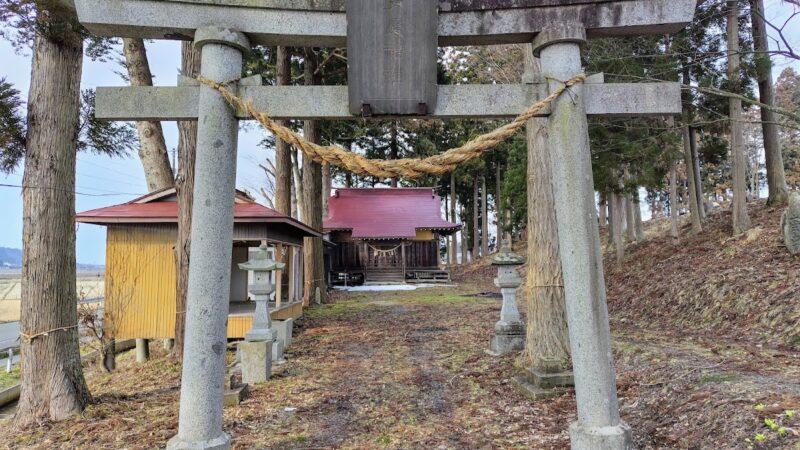
The shrine building of Takihara Shrine is thought to possess characteristics of traditional shrine architecture in Iwate Prefecture. Shrine architecture in the Tohoku region is characterized by its robust construction to withstand the harsh winter climate, often featuring steep roof slopes and snow countermeasures.
The layout, from the main hall and worship hall to the approach, adheres to the tradition of Japanese shrine architecture, guiding worshippers into a sacred space.
Torii Gate and Approach
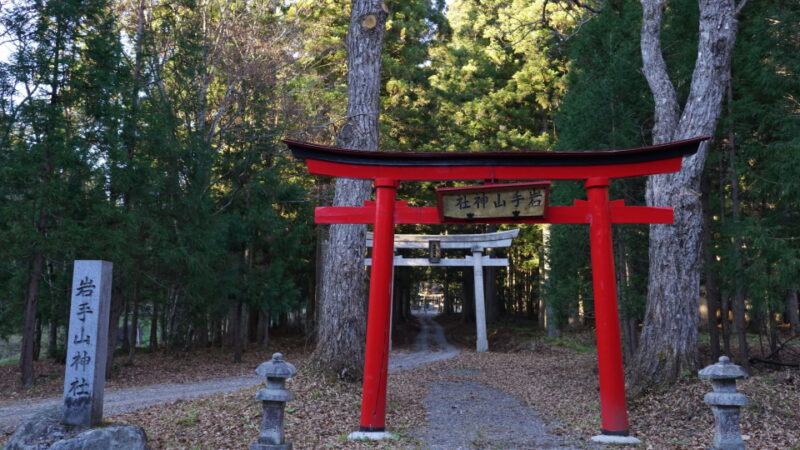
The torii gate, standing at the entrance of the shrine, serves as a boundary separating the secular world from the sacred realm. Walking along the approach allows one to leave the hustle and bustle of everyday life and approach the shrine with a calm mind.
Water Basin
The water basin, where one purifies their body and mind before worship, is an important element of shrine visitation. Cleansing one’s hands and mouth with pure water shows respect to the gods.
Subsidiary Shrines and Auxiliary Shrines
There may be several subsidiary shrines and auxiliary shrines located around the main hall. These shrines enshrine different deities, each believed to offer unique blessings.
Natural Environment
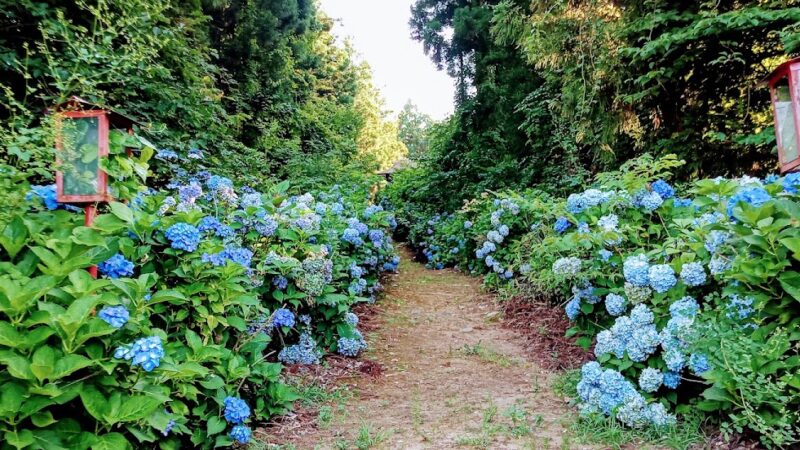
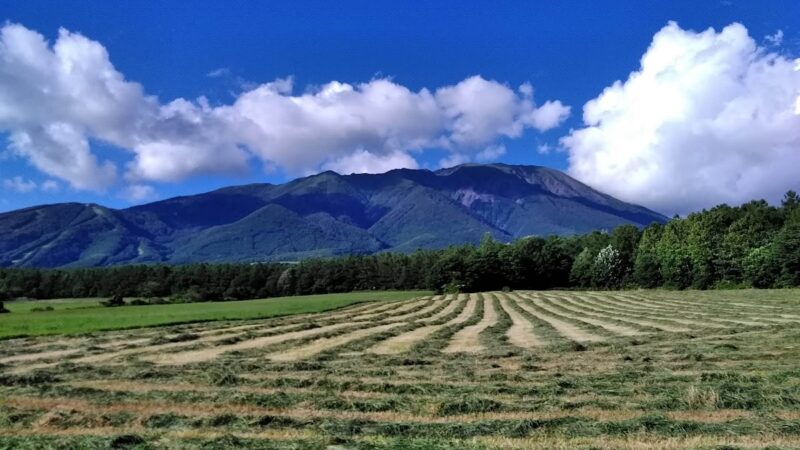
The rich natural environment of Iwate Prefecture is one of the major attractions of Takihara Shrine. Visitors can enjoy the scenery of each season, and the shrine grounds are especially enveloped in beautiful natural colors during the seasons of fresh greenery and autumn leaves.
Major Annual Festivals and Events
Annual Grand Festival
Held once or multiple times a year, the annual grand festival is the most important event for the shrine. Local residents participate in full force, and events such as a portable shrine procession and devotional performances may take place.
Spring and Autumn Festivals
Based on the agricultural calendar, the spring harvest prayer festival and the autumn harvest thanksgiving festival hold particular significance for shrines in agricultural areas.
New Year’s Festivals
From New Year’s Day to the third day of the year, the shrine is bustling with worshippers making their first visit of the year. People visit to pray for good health and safety for their families in the new year.
Other Annual Events
- Setsubun Festival (February): A ritual to ward off evil spirits, including bean-throwing.
- Summer Purification Ceremony (end of June): A Shinto ritual to cleanse away sins and impurities accumulated over the past six months.
- Shichi-Go-San Festival (November): A visit to celebrate the growth of children.
- Monthly Festival: A regular festival held on a fixed day each month.
How to Visit and Manners
Basic Visiting Etiquette
How to Pass Through the Torii Gate
When passing through the torii gate, bow before entering. Since the center of the path is considered the path of the gods, it is considered best to walk along the sides.
Procedure for Washing Hands
- Take the ladle with your right hand and wash your left hand.
- Switch the ladle to your left hand and wash your right hand.
- Switch the ladle back to your right hand, receive water in your left hand, and rinse your mouth.
- Wash your left hand again.
- Hold the ladle upright, let water flow down the handle, and return it to its original position.
Worship at the Shrine
- Gently place your offering in the offering box.
- If there is a bell, ring it.
- Perform two bows, two claps, and one bow (bowing deeply twice, clapping twice, bowing deeply once).
- Quietly recite your wish in your heart.
Attire for Worship
No special formal attire is required, but clean clothing that reflects the sacred nature of the place is desirable. Avoid excessive exposure, and it is considered polite to remove your hat before passing through the torii gate.
Regarding Photography
Photography is generally permitted on the shrine grounds, but it may be prohibited inside the main hall or during religious ceremonies. Please check before taking photos or follow the signs.
Goshuin (Shrine Seals), Amulets, and Other Items
Goshuin (Shrine Seals)
Due to the recent popularity of goshuin, many shrines now offer them. It is possible to obtain a goshuin at the shrine office of Takihara Shrine. Goshuin are proof of worship and should be treated as a record of faith, not a collection item.
Manners for Receiving a Goshuin (Shrine Stamp)
- Always pray before receiving a Goshuin.
- Prepare a Goshuincho (notebook or diary is not acceptable).
- Prepare the offering fee (usually around 300-500 yen).
- Request using polite language.
Amulets and Talismans
Shrines offer various types of amulets and talismans:
- Traffic Safety Amulet: For safe driving or cycling.
- Academic Success Amulet: For students and those taking exams.
- Health Amulet: For recovery from illness and maintaining good health.
- Exorcism Amulet: For those in their unlucky year.
- Family Safety Talisman: A talisman to be enshrined in the home.
Ema (Votive Tablets)
Many shrines also provide ema (votive tablets) on which you can write your wishes and dedicate them. After writing your wish, hang it in the designated place.
Access Information
Location
It is recommended to check the exact location of Takihara Shrine in advance. There may be multiple shrines with the same or similar names within Iwate Prefecture, so be sure to check before visiting.
Access by Public Transportation
For shrines located in rural areas of Iwate Prefecture, public transportation access may be limited. In most cases, you will need to take a bus from the nearest station or a taxi.
General Access Methods
- Take the JR Tohoku Main Line or Tohoku Shinkansen to a major station in Iwate Prefecture.
- Take a bus or taxi from the station to the shrine.
- Local community buses may also be available.
Access by Car
When visiting shrines in Iwate Prefecture, a private car is often the most convenient method of access.
Access from Major Roads
- Take the Tohoku Expressway to the nearest interchange and then onto local roads.
- Search for “Takihara Shrine” using a car navigation system or smartphone map app.
- Be careful of icy roads and snow in winter.
Parking
The availability and number of dedicated parking spaces vary depending on the size of the shrine. Temporary parking may be provided during festivals.
Nearby Tourist Attractions
Natural Landscapes of Iwate Prefecture
Iwate Prefecture is blessed with abundant nature. In addition to visiting Takihara Shrine, you can also visit the following tourist destinations:
- Mountainous Areas: Mount Iwate, Hachimantai, etc.
- Valleys and Waterfalls: Landscapes of clear streams and waterfalls
- Hot Spring Areas: Numerous hot spring resorts are scattered throughout Iwate Prefecture
Historical Buildings and Cultural Properties
Iwate Prefecture has many historical buildings, including the Hiraizumi World Heritage Site. You can also enjoy visiting shrines and temples.
Local Specialties and Gourmet Food
- Wanko Soba: A famous dish from Iwate Prefecture
- Maesawa Beef: A high-quality brand of beef
- Nanbu Senbei: A traditional confectionery
- Local Sake: Sake from Iwate Prefecture
Recommended Time to Visit
Spring (March-May)
The season when new greenery sprouts as the snow melts. Many spring festivals are held, and the shrine grounds and surrounding area are enveloped in beautiful scenery during the cherry blossom season.
Summer (June-August)
You can visit the shrine while enjoying the cool air in the lush green grounds. Summer festivals are sometimes held.
Autumn (September-November)
The autumn foliage season is when Iwate Prefecture’s nature is most beautifully colored. Autumn festivals to give thanks for the harvest are also held.
Winter (December-February)
The shrine amidst the snowy landscape offers a sacred atmosphere enveloped in silence. The shrine is bustling with many visitors during the New Year’s pilgrimage season. However, caution is advised regarding snow and icy roads.
Things to Know Before Visiting
Shrine Office Opening Hours
If you wish to receive a Goshuin (shrine stamp) or amulet, please check the shrine office’s opening hours in advance. Generally, they are open from 9:00 AM to around 4:00 PM, but this varies by shrine.
Festival and Event Schedules
If you wish to participate in special festivals or events, it is recommended to check the schedule in advance. You can inquire directly with the local tourism association or the shrine.
Manners and Etiquette for Visiting Shrines
- Smoking is prohibited on the shrine grounds.
- Please follow the shrine’s regulations regarding pets.
- Please refrain from loud conversations and disruptive behavior.
- Please take all your trash with you.
- Please do not harm plants or animals.
Characteristics of Shrine Worship in Iwate Prefecture
Shinto Culture in the Tohoku Region
Shrine worship in the Tohoku region exhibits a unique character, a fusion of ancient nature worship and Buddhist culture. Iwate Prefecture is no exception, with mountain worship and water deity worship remaining deeply rooted.
Connections to Local Communities
In rural areas of Iwate Prefecture, shrines play a central role in local communities. Festivals serve as a place for interaction among local residents and a place for the transmission of traditional culture.
Syncretism with Folk Beliefs
Another characteristic of shrines in Iwate Prefecture is the connection between shrine worship and local folk beliefs and legends, in addition to formal Shinto doctrines.
The Significance of Visiting Takihara Shrine
A Place to Find Peace of Mind
In modern society, shrines are precious spaces to escape the hustle and bustle of everyday life and find peace of mind. Visiting Takihara Shrine offers time to reflect on oneself.
Understanding Local Culture
Visiting a shrine is an entry point to understanding the history and culture of the region. Through Takihara Shrine, you can experience the history of Iwate Prefecture and the lives of its people.
Cultivating a Sense of Gratitude
It is an opportunity to reaffirm gratitude for things we take for granted in our daily lives, such as abundant harvests and family safety.
Mindset for Shrine Visits
Proper Way to Make Wishes
When making wishes at a shrine, it is important to adopt an attitude of vowing to make efforts and praying for their fulfillment, rather than simply seeking the fulfillment of desires.
A Sense of Gratitude
Besides making wishes, expressing gratitude for being able to live each day safely is also an important purpose of visiting a shrine.
Continuous Faith
Rather than a single visit, regular visits deepen your connection with the shrine.
Summary
Takihara Shrine is a shrine nurtured by the rich nature and history of Iwate Prefecture, serving as a spiritual anchor for the local people. Its long-standing traditions and faith continue to provide peace and hope to many people even today.
When visiting, deepening your understanding of the shrine’s history and enshrined deities, and offering prayers with sincerity and proper etiquette, will make for a more fulfilling experience. Furthermore, enjoying Iwate Prefecture’s beautiful nature, culture, and cuisine will create a truly memorable trip.
Takihara Shrine, with its ever-changing seasonal expressions, offers new discoveries and inspiration with every visit. Why not visit this historic shrine and offer a peaceful prayer? It will be a valuable opportunity to experience Japanese traditional culture and spirituality in a place of faith that has been carefully preserved by the local people.