Yamatsumi Shrine (Nishine, Shizukuishi-cho, Iwate Prefecture) Complete Guide | Deities, History, and Access Information
Yamatsumi Shrine, located in Nishine Kamishinozaki, Shizukuishi-cho, Iwate Prefecture, is a historical shrine that has been cherished by the local people for centuries. Situated on the mountainside approximately 1.5 km east of Shizukuishi Ski Resort, it is known as a valuable shrine where visitors can worship in a tranquil environment. This article provides a detailed introduction to Yamatsumi Shrine, including its enshrined deities, history, grounds, and access methods.
Basic Information about Yamatsumi Shrine
Location
Yamatsumi Shrine is located in Nishine Kamishinozaki, Shizukuishi-cho, Iwate-gun, Iwate Prefecture. Its exact location is 140 degrees 56 minutes 56.95 seconds east longitude and 39 degrees 46 minutes 21.52 seconds north latitude, situated on the outskirts of the Nishine Kamishinozaki settlement, on the mountainside. The surrounding area is rich in nature, characterized by a tranquil atmosphere surrounded by the mountains of Shizukuishi.
Shizukuishi Town is located at the southern foot of Mount Iwate and is known for its abundant tourist resources, such as hot springs and ski resorts. Yamazumi Shrine is located a little distance from these tourist areas and has functioned as a center of faith for the local residents.
Official Name and Pronunciation
The official name is “Yamazumi Shrine,” and it is pronounced “Yamazumi Jinja” or “Yama Jinja.” The character “祗” is sometimes written as “祇,” and there are shrines with the same name throughout Japan. Even within Iwate Prefecture alone, there are several Yamazumi Shrines (or Yamazumi Jinja) in areas such as Morioka City and Shiwa Town, each playing an important role as a center of local mountain worship and nature worship.
Deity Enshrined
Ōyamatsumi-no-kami
The enshrined deity of Yamatsumi Shrine is Ōyamatsumi-no-kami. Ōyamatsumi-no-kami is a mountain god appearing in Japanese mythology, widely worshipped as the god who governs mountains. According to the Kojiki and Nihon Shoki, Ōyamatsumi-no-kami is considered a child of Izanagi-no-mikoto and Izanami-no-mikoto, and has been revered as the highest-ranking mountain god who governs all of Japan’s mountains.
Ōyamatsumi-no-kami is not merely a mountain god, but is also worshipped as a god involved in all aspects of people’s lives, including agriculture, fishing, and mining. In particular, in mountainous rural areas, Ōyamatsumi-no-kami has been considered important as a god for praying for bountiful harvests and protection against disasters.
Characteristics of the Faith
The faith at Yamatsumi Shrine is deeply intertwined with local mountain worship. Shizukuishi Town is surrounded by mountains, including Mount Iwate, and mountains have been revered as sacred since ancient times. Yamatsumi Shrine is an important shrine that preserves this tradition of nature worship in the region.
The worship of Oyamatsumi-no-kami encompasses a wide range of purposes, including gratitude for the blessings of the mountains, prayers for safety in the mountains, bountiful harvests, and family safety. Local people have visited the shrine on various occasions throughout the year, praying for peace in their daily lives.
History and Origins of Yamatsumi Shrine
Circumstances of Founding
The exact founding date of Yamatsumi Shrine is unclear due to limitations in historical records, but according to local oral traditions and shrine traditions, it has been worshipped as the tutelary deity of the Nishine area since ancient times. In the mountainous regions of Iwate Prefecture, it is common for small shrines dedicated to mountain gods to be built when settlements are established, and Yamatsumi Shrine is thought to have been established within this historical context.
The Shizukuishi region has been inhabited since ancient times, and development was already underway during the Heian period. In the Middle Ages, it became part of the Nanbu clan’s sphere of influence, and in the early modern period, it developed as part of the Morioka Domain. Throughout this historical flow, Yamatsumi Shrine has functioned as a spiritual pillar of the local community.
Developments Since the Meiji Era
With the reform of the shrine system during the Meiji era, shrines throughout Japan were incorporated into a modern organizational structure. Yamatsumi Shrine was officially registered as a shrine during this period and positioned as a local shrine. Even as times changed through the Showa and Heisei eras, it has continued to thrive, supported by the deep faith of the local residents.
In August 2015, a survey record of the shrine was created, documenting the appearance of the grounds and the cultural value of items such as the guardian lion-dogs. These records are valuable resources for passing on the history of the shrine to future generations.
Highlights of the Shrine Grounds
Approach and Torii Gate
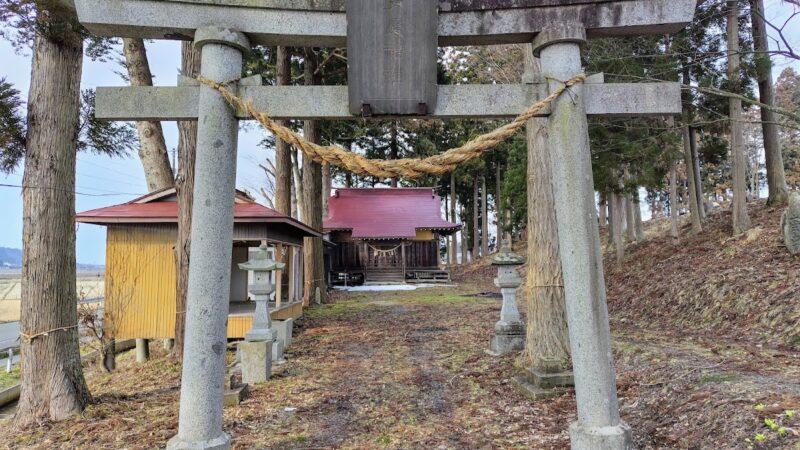
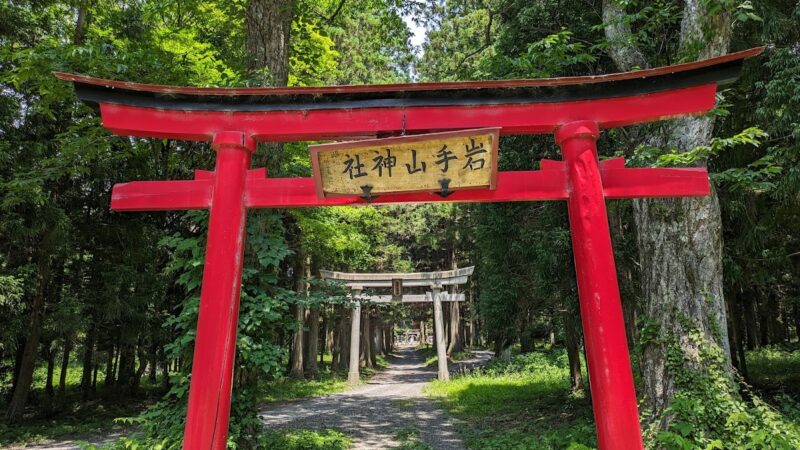
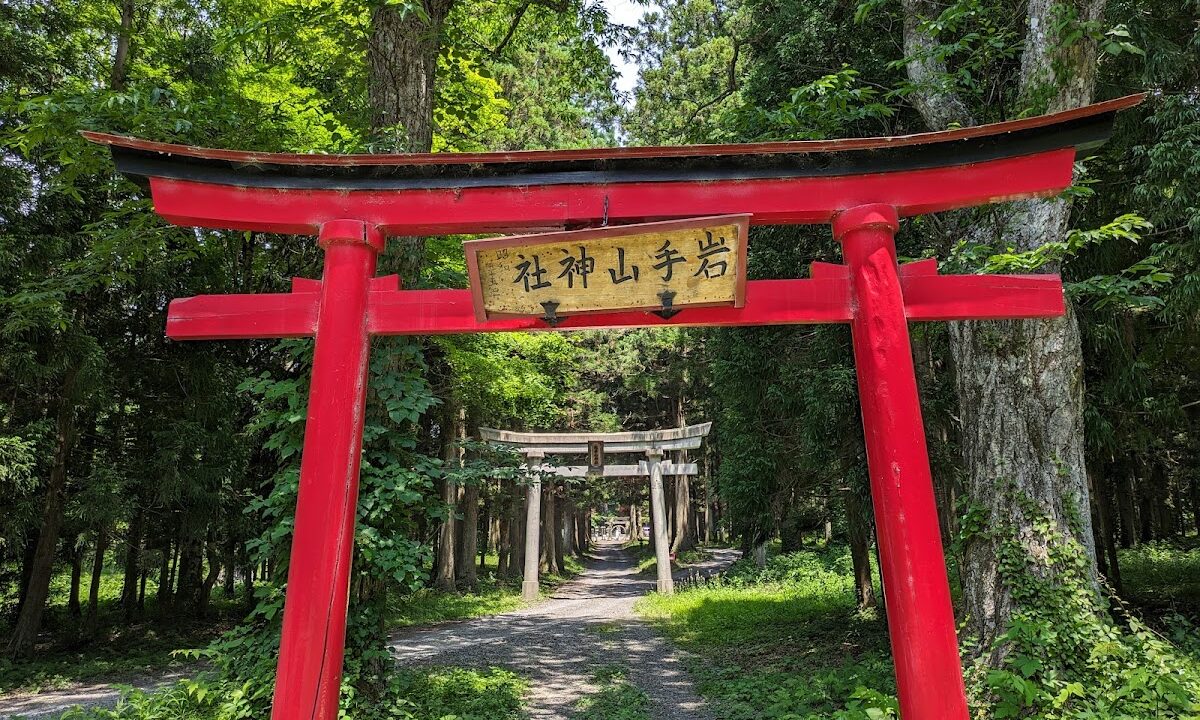
A torii gate stands at the entrance to the approach to Yamatsumi Shrine, from which the approach extends into the shrine grounds. Reflecting its location at the foot of the mountains, the approach follows the natural terrain. Surrounded by trees, visitors can experience the changing seasons while offering their prayers.
Passing through the torii gate, one can feel the refreshing air of entering a sacred area. As you proceed along the approach, the tranquil atmosphere deepens, far removed from the hustle and bustle of everyday life.
Shrine Buildings
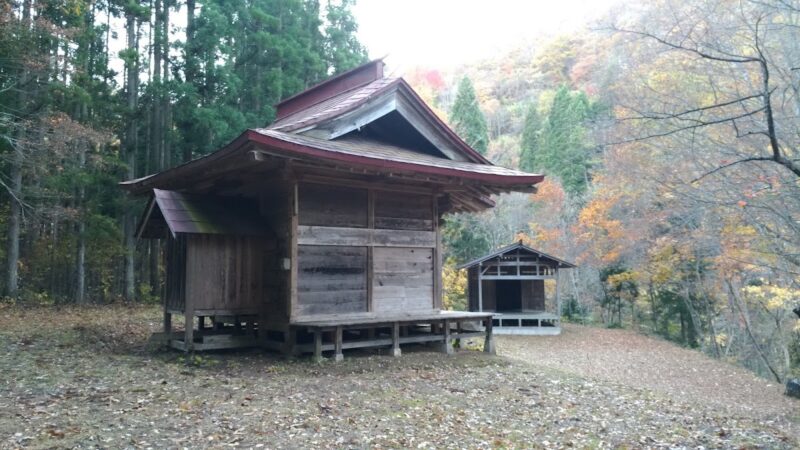
At the center of the shrine grounds sits the main hall. The main hall features traditional shrine architecture and is carefully maintained as the center of local faith. Although small in scale, its meticulously crafted structure speaks to the respect the local people have for the shrine.
In front of the main hall is the worship hall, where visitors offer their prayers. The shrine grounds are meticulously clean, reflecting the daily care and maintenance by the local community.
Komainu and Stone Sculptures
The shrine grounds are adorned with stone sculptures, including komainu (guardian lion-dogs). Komainu are generally placed along the approach to the shrine and in front of the main hall, as sacred beasts that protect the shrine. The komainu at Yamatsumi Shrine, too, have watched over the shrine for many years, welcoming visitors.
These stone sculptures sometimes bear inscriptions indicating the year of their dedication and the names of the donors, providing clues to the shrine’s history and its connection to the local community.
Natural Environment of the Shrine Grounds
The grounds of Yamatsumi Shrine are blessed with abundant nature. The surrounding trees flourish, encircling the shrine and forming a sacred space as a guardian forest. It displays different expressions in each of the four seasons: fresh greenery in spring, deep green in summer, vibrant autumn leaves, and snowscapes in winter.
Especially during the autumn foliage season, the grounds are enveloped in colorful trees, offering a beautiful landscape. The shrine’s integration with nature evokes the origins of traditional Japanese shrine worship.
Festivals and Annual Events
Annual Grand Festival
Yamazumi Shrine holds various festivals and religious ceremonies throughout the year. The most important festival is the Annual Grand Festival, which is celebrated annually at a fixed time by the entire community. During the Annual Grand Festival, Shinto priests perform ceremonies, and local residents participate, praying for a bountiful harvest, family safety, and the prosperity of the community.
The date of the Annual Grand Festival is also related to the local agricultural calendar, and traditions of festivals deeply connected to agriculture, such as the spring Kinensai (harvest festival) and the autumn Niinamesai (harvest festival), are passed down.
Other Annual Events
On New Year’s Day, worshippers visit the shrine for their first shrine visit of the year, praying for safety and happiness in the new year. Religious ceremonies are also held at seasonal turning points such as Setsubun (bean-throwing festival) and Natsukoshi no Harae (summer purification ritual), closely linking the rhythm of life of the local people with the shrine’s festivals.
These events also serve as opportunities to strengthen community bonds and function as places for intergenerational exchange. Shrines are not merely places of worship; they play a vital role as central figures in the local community.
Access Information
Nearest Station and Line
When accessing Yamatsumi Shrine by public transport, the nearest station is Shizukuishi Station on the JR Tazawako Line. Shizukuishi Station is approximately 30 minutes from Morioka Station on the Tazawako Line and serves as the gateway to Shizukuishi Town.
However, the distance from Shizukuishi Station to Yamatsumi Shrine is considerable, making walking impractical. We recommend using a taxi or rental car from the station.
Nearest Bus Stop and Line
While there are bus routes operating within Shizukuishi Town, only a limited number of routes directly access the Nishine-Kamishinozaki area where Yamatsumi Shrine is located. If using the bus, we recommend checking the route information of Shizukuishi Town and Iwate Kenpoku Bus in advance.
In many cases, a walk is required from the nearest bus stop to the shrine, so those unfamiliar with the area should be aware of this.
Access by Car
The most convenient way to access Yamatsumi Shrine is by car. From Morioka city center, take National Route 46 towards Shizukuishi, and then proceed towards the Nishine area within Shizukuishi town. Using Shizukuishi Ski Resort as a landmark makes it easy to find; the shrine is located approximately 1.5 km east of the ski resort.
If using a car navigation system, it is recommended to set “Nishine Kamishinozaki, Shizukuishi-cho, Iwate-gun, Iwate Prefecture” as your destination. However, since the shrine is located in a mountain village, some roads are narrow, so caution is required when driving.
Parking
Due to the size of the shrine, there may not be a large, dedicated parking lot. When visiting, please be considerate of the surrounding area when parking. Especially during festivals and other times when there are many visitors, please follow the instructions of local residents regarding parking.
Nearby Attractions
Shizukuishi Ski Resort
Shizukuishi Ski Resort is located approximately 1.5 km west of Yamatsumi Shrine. During the winter, visitors can enjoy skiing and snowboarding, making it a popular winter sports spot in Iwate Prefecture. Visiting the resort in conjunction with a visit to the shrine allows you to fully enjoy the nature of Shizukuishi.
Mount Iwate
Mount Iwate, a symbol of Shizukuishi Town, is the highest mountain in Iwate Prefecture at an elevation of 2,038m. Its beautiful form, also known as “Southern Fuji,” can be seen from various locations within Shizukuishi Town. It is a popular mountain visited by many climbers during the climbing season and has long been revered as an object of mountain worship.
Iwateyama Shrine
Within Shizukuishi Town, there is also Iwateyama Shrine, which enshrines Mount Iwate as its sacred object. Located in Nagayamatoumuno, Shizukuishi Town, it is known as a central shrine for Iwateyama worship. While it’s a different shrine from Yamatsumi Shrine, it’s interesting to visit both shrines in Shizukuishi Town that are related to mountain worship.
Hot Springs in Shizukuishi Town
Shizukuishi Town is also known as a hot spring area, and there are several hot spring facilities within the town. Oushuku Onsen and Amihari Onsen are historic hot spring resorts, and you can relax and soothe your fatigue in the hot springs after visiting the shrine.
Manners and Precautions for Visiting Shrines
Basic Worship Etiquette
When visiting a shrine, it’s important to observe basic etiquette. Bow before passing through the torii gate, and walk away from the center of the path. If there is a purification fountain, cleanse your hands and mouth before proceeding to the main hall.
At the main hall, worship using the “two bows, two claps, one bow” method. First, bow deeply twice, clap your hands twice, and finally bow deeply once more. This basic etiquette is common to many shrines, so it’s good to remember it. ### Photography Guidelines
Photography is generally permitted within the shrine grounds, but photography should be avoided in sacred areas such as the interior of the main hall. Furthermore, photography may be restricted during special periods such as festivals; please follow the shrine’s policies.
Clothing and Belongings
While no special attire is required for visiting the shrine, it’s best to avoid overly casual clothing. Considering the mountainous location, comfortable walking shoes are recommended.
In winter, due to the possibility of snow and icy roads, warm clothing and non-slip shoes are necessary. In summer, insect repellent spray will make your visit more comfortable.
History and Culture of Shizukuishi Town
Overview of Shizukuishi Town
Shizukuishi Town is located almost in the center of Iwate Prefecture, at the southern foot of Mount Iwate. It is a vast town with an area of approximately 608 square kilometers, much of which is covered by forests. The population is approximately 15,000, with agriculture and tourism being the main industries.
The town name “Shizukuishi” is said to originate from the Shizukuishi Imperial Palace that once stood in this area. During the Middle Ages, it was one of the important bases of the Nanbu clan, and in the early modern period, it developed as part of the Morioka Domain.
Regional Beliefs and Culture
In the mountainous regions of Iwate Prefecture, including Shizukuishi Town, mountain worship has been prevalent since ancient times. Mount Iwate, in particular, was considered an important object of worship, and the mountain itself was regarded as sacred. Shrines dedicated to mountain gods, such as Yamatsumi Shrine, are valuable examples that convey this regional belief culture to the present day.
Furthermore, the influence of Shugendo (mountain asceticism) can be seen in the region, and traces of religious activities by mountain ascetics remain. It is a region where the tradition of syncretism of Shinto and Buddhism remains strong, and a unique religious culture has been formed where shrines and temples coexist.
Summary
Yamatsumi Shrine, located in Nishine Kamishinozaki, Shizukuishi Town, Iwate Prefecture, enshrines Oyamatsumi-no-kami as its main deity and has a long history as a center of regional mountain worship. Located approximately 1.5 km east of Shizukuishi Ski Resort, in a quiet mountainside setting, this shrine offers a peaceful environment for worship surrounded by nature.
Precisely situated at 140 degrees 56 minutes 56.95 seconds east longitude and 39 degrees 46 minutes 21.52 seconds north latitude, this shrine has been supported by the fervent faith of local residents to this day. The shrine grounds, including the approach, torii gate, and main hall, exhibit the characteristics of traditional shrine architecture, welcoming visitors amidst the changing seasons.
Access is most convenient by car; taking a taxi or rental car from Shizukuishi Station is common. The surrounding area boasts many tourist attractions, including Shizukuishi Ski Resort, Mount Iwate, and hot springs, allowing visitors to enjoy the charm of Shizukuishi in conjunction with a visit to the shrine.
While Yamatsumi Shrine is not widely known as a tourist destination, it is a worthwhile shrine to visit as a place of deep-rooted faith in the region and a cultural asset that conveys the mountain worship traditions of Iwate Prefecture. If you ever have the opportunity to visit Shizukuishi, I highly recommend stopping by this shrine. It’s a quiet shrine nestled in the mountains, offering a valuable opportunity to experience traditional Japanese religious culture.