Horiai Shrine (Iwate Prefecture) Complete Guide | History, Benefits, Access, and Festivals Explained in Detail
Horiai Shrine, located in Iwate Prefecture, is a historically significant shrine deeply rooted in the community, and has long been revered by local residents. This article provides detailed information useful for those considering a visit, including the shrine’s history, enshrined deities, benefits, highlights within the grounds, festivals held throughout the year, and access methods.
What is Horiai Shrine?
Horiai Shrine is a shrine located in Iwate Prefecture and has been revered for many years as the guardian deity of the region. The place name “Horiai” is said to have originated from the topography and water resources, and the shrine’s name also derives from this local place name.
Shrines have a history of being central to local communities and serving as a spiritual pillar for residents. They also play an important role in deepening community bonds through seasonal festivals.
History and Origins of Horiai Shrine
Origin of Founding
The founding date of Horiai Shrine has been passed down through local oral traditions and records. Like many local shrines, it is believed to have originated in ancient or medieval times when the settlers of this region enshrined the deity as the guardian of the land.
Iwate Prefecture has long been a region where agriculture thrives, and a belief in praying for abundant harvests and safe water management was deeply rooted. It is thought that Horiai Shrine also developed in close connection with this agricultural belief.
Historical Changes
During the Edo period, it was officially recognized as a local village shrine and maintained under the protection of the feudal domain. Even during the Meiji era’s reform of the shrine system, it was positioned as an important local shrine and has been carefully preserved by local people to this day.
Even amidst the social changes of the post-war period, the shrine’s traditions and rituals have continued to be passed down through the faith of local residents and the efforts of the parishioners’ organization.
Deities and Benefits
Deities
The deities enshrined at Horiai Shrine are gods who have been revered as guardian deities of the region. Many local shrines commonly enshrine the following deities:
- Okuninushi-no-Mikoto: God of land development and matchmaking
- Amaterasu-Omikami: Imperial ancestral deity and sun goddess
- Susanoo-no-Mikoto: God of protection against misfortune and disaster
- Locally-Specific Deities: Sometimes, pioneers or benefactors of the land are enshrined as deities.
Benefits
The main benefits that can be prayed for at Horiai Shrine include:
Abundant Harvest and Business Prosperity
As a shrine located in an agricultural area, many worshippers visit to pray for a bountiful harvest and business prosperity.
Family Safety and Protection from Misfortune
This shrine is deeply revered by local residents who pray for the health and safety of their families and protection from disaster.
Matchmaking and Fertility
Visitors also come to pray for good relationships and the blessing of children.
Traffic Safety
In modern times, prayers for safe driving are also offered.
Highlights of the Shrine Grounds
Main Hall and Worship Hall
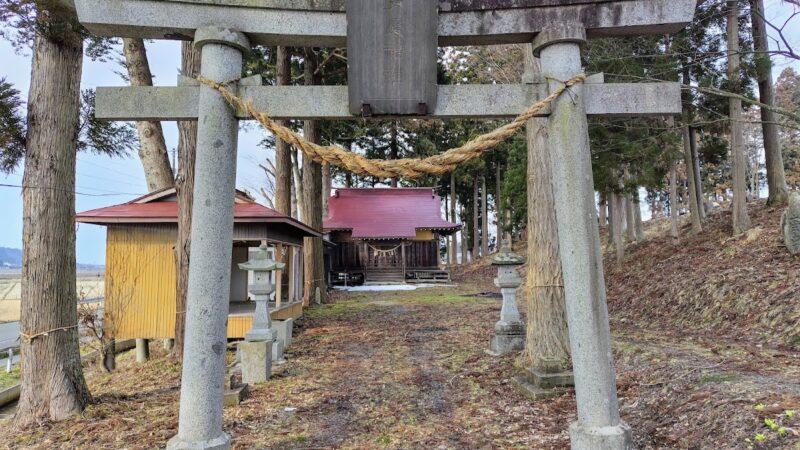
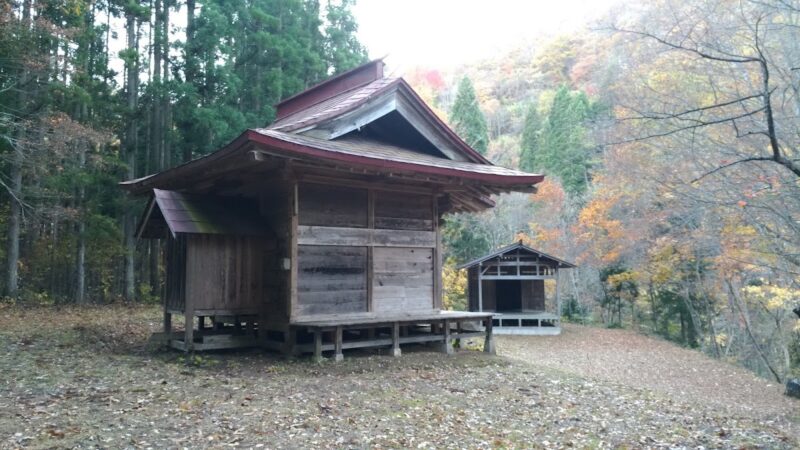
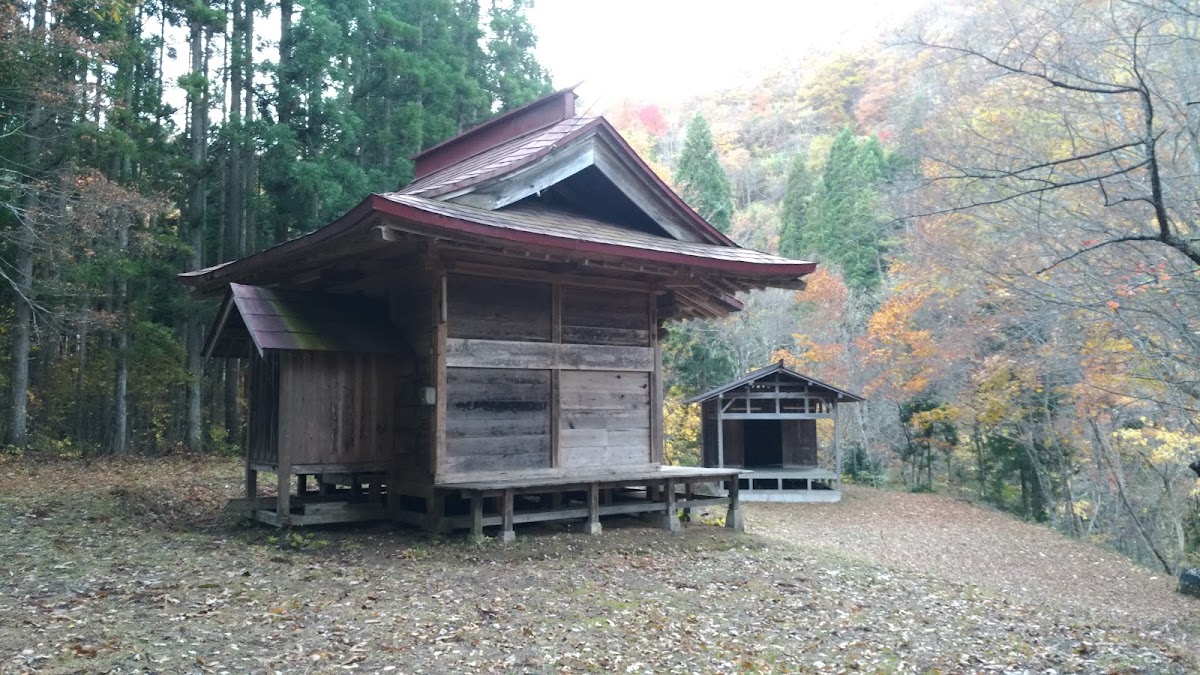
The main hall and worship hall of Horiai Shrine preserve the traditional shrine architectural style of the region. The warm atmosphere of the wooden architecture provides peace to visitors.
In the worship hall, visitors can offer prayers to the gods. Please pray with sincerity, following the correct worship etiquette (two bows, two claps, one bow).
Torii Gate and Approach
The torii gate standing at the entrance of the shrine is a symbolic presence marking the entrance to the sacred area. It is considered polite to bow before passing through the torii gate. The approach to the shrine symbolizes the transition from everyday space to sacred space. Walk slowly, compose yourself, and proceed towards the main shrine.
Subsidiary Shrines and Auxiliary Shrines
Around the main shrine, there are sometimes small subsidiary shrines and auxiliary shrines. These enshrine deities associated with the main deity or deities worshipped in the local area.
Sacred Trees and Nature
Many shrines have sacred trees that have watched over the grounds for many years. Large trees are believed to be inhabited by deities and are popular power spots for worshippers.
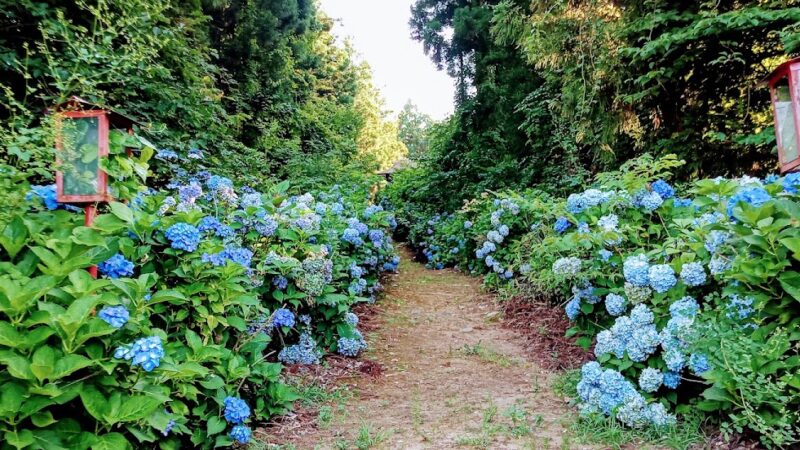
The natural environment of the shrine grounds is also one of its charms. You can enjoy the changing flowers and trees throughout the seasons.
Annual Festivals and Events
Horiai Shrine holds various festivals and events throughout the year.
Annual Festival (Autumn Festival)
Many shrines hold their annual festival (the most important festival of the year) in the autumn. This is a traditional festival to give thanks for a bountiful harvest and to offer offerings to the deities. In some regions, the festival features a portable shrine procession, devotional performances, and food stalls, creating a lively atmosphere throughout the community. Parishioners and local residents all participate in supporting the festival, providing an opportunity to deepen community bonds.
Spring Festival
In spring, spring festivals are sometimes held to pray for a bountiful harvest. Timed to coincide with rice planting season, prayers are offered for safety during agricultural work and for a good harvest.
New Year’s Visit/New Year’s Festival
New Year’s visits to shrines and temples are bustling with many worshippers. The New Year’s festival prays for peace and prosperity in the coming year.
Other Festivals
- Setsubun Festival: A ceremony to ward off evil spirits and invite good fortune through bean-throwing and other rituals.
- Shichi-Go-San Festival: A celebration of children’s growth and a prayer for their healthy development.
- Monthly Festival: A regular festival held on a specific day each month.
Etiquette and Manners for Visiting a Shrine
Basic Etiquette for Visiting a Shrine
Knowing the correct way to visit a shrine will allow for a more heartfelt prayer.
How to Pass Through the Torii Gate
Bow before passing through the torii gate. Since the center of the path is considered the path of the gods, it is polite to walk along the side.
Procedure for Washing Hands
- Hold the ladle in your right hand and wash your left hand.
- Switch the ladle to your left hand and wash your right hand.
- Switch the ladle back to your right hand, receive water in your left hand, and rinse your mouth.
- Wash your left hand once more.
- Hold the ladle upright, wash the handle, and return it to its original position.
Worship at the Main Hall
- Quietly place your offering in the offering box.
- If there is a bell, ring it.
- Bow twice (bowing deeply twice).
- Clap your hands twice.
- Pray sincerely.
- Bow once (bowing deeply once).
Manners for Visiting a Shrine
- Attire: Please wear clean clothing appropriate for a sacred place.
- Photography: Please be mindful of areas where photography is prohibited, such as inside the main hall, and avoid disturbing other worshippers.
- Quietness: Please be quiet on the shrine grounds and refrain from loud conversations.
- Pet-Friendly: As a general rule, it is considered good manners to refrain from bringing pets onto the shrine grounds.
Goshuin (Shrine Seals) and Other Items
Goshuin
Goshuin are given as proof of your visit to the shrine. Please bring your goshuincho (seal book) and politely request one at the shrine office.
Goshuin are not only a memento of your visit but also an important symbol of your connection with the deities. Please treat them with care as proof of your faith, not as a collection item.
Amulets and Souvenirs
Horiai Shrine offers a variety of amulets and souvenirs:
- Traffic Safety Amulet: Prayers for safety in cars and bicycles
- Family Safety Amulet: Prayers for the health and peace of the family
- Academic Success Amulet: Prayers for success in exams and academics
- Matchmaking Amulet: Prayers for good relationships
- Exorcism Amulet: Prayers for warding off misfortune and evil
It is customary to return amulets to the shrine after about one year and receive new ones.
Access and Visiting Information
Location
Horiai Shrine is located in Iwate Prefecture. We recommend confirming the specific address in advance.
Transportation Access
Access by Car
The shrine is accessible from major roads in Iwate Prefecture. Please search for “Horiai Shrine” or surrounding place names on your car navigation system.
We recommend confirming the availability of parking in advance. Temporary parking may be provided during festivals.
Access by Public Transportation
You can access the shrine on foot or by taxi from the nearest bus stop or train station. Please check the timetable in advance, as the number of services may be limited in some areas.
Visiting Hours
The shrine grounds are generally open for worship during the daytime. However, the hours for receiving Goshuin (shrine stamps) and prayers at the shrine office are limited, so it is recommended to check in advance.
General shrine office opening hours: Approximately 9:00 AM to 4:00 PM (may vary by shrine)
Best Time to Visit
Horiai Shrine can be visited throughout the year, but each season has its own unique charm.
- Spring: Enjoy the beautiful fresh greenery and refreshing air during your visit.
- Summer: Experience the cool breeze within the lush green grounds.
- Autumn: The annual festival season allows you to enjoy the vibrant autumn foliage.
- Winter: Visit the shrine amidst a snowy landscape in a tranquil atmosphere.
Nearby Attractions and Tourist Spots
When visiting Horiai Shrine, exploring the surrounding tourist spots will allow you to gain a deeper understanding of Iwate Prefecture’s charm.
Historical and Cultural Facilities
Iwate Prefecture boasts numerous historical buildings and cultural facilities. You can learn about local history and culture at local history museums and folk museums.
Natural Landscapes
Iwate Prefecture is blessed with abundant nature. Enjoy diverse natural landscapes, including mountainous areas, valleys, and coastlines.
Hot Springs
Iwate Prefecture has many hot springs where you can relax and unwind after your visit.
Horiai Shrine’s Connection to the Community
Center of the Community
Horiai Shrine has played a vital role not only as a place of worship but also as the center of the local community.
Through festivals and events, intergenerational exchanges are fostered, deepening community bonds. The parishioners’ organization, youth association, and women’s association cooperate to support the shrine and pass on traditions to future generations.
Cultural Preservation
The festivals and rituals passed down at the shrine hold invaluable intangible cultural heritage for the region. The ancient Kagura (sacred dances), dances, and festival customs are important legacies that convey the history and culture of the region to the present day.
Children participating in festivals naturally come into contact with local traditional culture and cultivate a love for their hometown.
Environmental Preservation
The shrine grounds also function as a valuable green space for the community. Trees, including the sacred tree, play a role in supporting the local ecosystem.
Cleaning activities and maintenance of the shrine grounds by parishioners and local residents are also significant as environmental preservation activities.
Visitor Voices and Experiences
Visitors to Horiai Shrine have shared a variety of impressions.
“It’s a warm, community-oriented shrine that brings peace of mind.”
“Visiting during festival season allows you to feel the vibrancy of the community.”
“I was able to pray peacefully in the quiet grounds.”
These comments demonstrate that Horiai Shrine is a special place not only for local residents but also for visitors.
The Significance of Shrine Visits
As a Place of Spiritual Support
In modern society, shrines play an important role as a place of spiritual support. Taking time to reflect on oneself in the quiet grounds, away from the hustle and bustle of daily life, is essential for mental well-being.
Cultivating a Sense of Gratitude
Visiting a shrine is also an opportunity to express gratitude for daily blessings. It allows us to renew our appreciation for things we often take for granted, such as abundant harvests and family safety.
A Connection to Traditional Culture
Visiting a shrine is also an opportunity to experience traditional Japanese culture. You can experience the culture cultivated over a long history, including worship etiquette, rituals, and architectural styles.
To Preserve Horiai Shrine
The Parishioner System and Maintenance
The maintenance of the shrine is primarily supported by the service and donations of the parishioners (local residents). The parishioner system is a traditional system in which the local community supports the shrine.
Passing on to Younger Generations
Participation from younger generations is essential to passing on the shrine’s traditions to the future. It is important to pass on traditions to the next generation through participation in festivals and cooperation with shrine events.
What You Can Do as a Worshipper
As a worshipper, it is important to have a heart that cherishes the shrine:
- Worship with proper manners
- Maintain cleanliness of the shrine grounds
- Offer appropriate first fruits offerings and donations
- Learn about and respect the history and culture of the shrine
Summary
Horiai Shrine, as a historical shrine rooted in the Iwate Prefecture region, has attracted the faith of people for many years. Many worshippers visit the shrine seeking various blessings, including a bountiful harvest, family safety, and protection from evil.
Within the shrine grounds, you can feel the harmony between shrine architecture and nature, from the main hall and worship hall to the torii gate, the approach to the shrine, and the sacred trees. The festivals held throughout the year are important opportunities to deepen the bonds of the local community.
When visiting, it is important to observe proper etiquette and manners and offer your prayers with sincerity. Goshuin (shrine stamps) and amulets are also given as mementos of your visit.
Access is possible by car or public transport, but it is recommended to check the details in advance. There are many tourist spots in the surrounding area where you can enjoy the nature and culture of Iwate Prefecture.
Horiai Shrine is a valuable place that conveys the history and culture of the region to the present day. Through worship, you can experience traditional Japanese culture and find peace of mind. When visiting Iwate Prefecture, be sure to visit Horiai Shrine.
By visiting the shrine with a respectful heart, gratitude, and an attitude of reverence for local traditions, you will surely have a deeper experience. We hope that Horiai Shrine will continue to be a spiritual haven for both local residents and visitors.