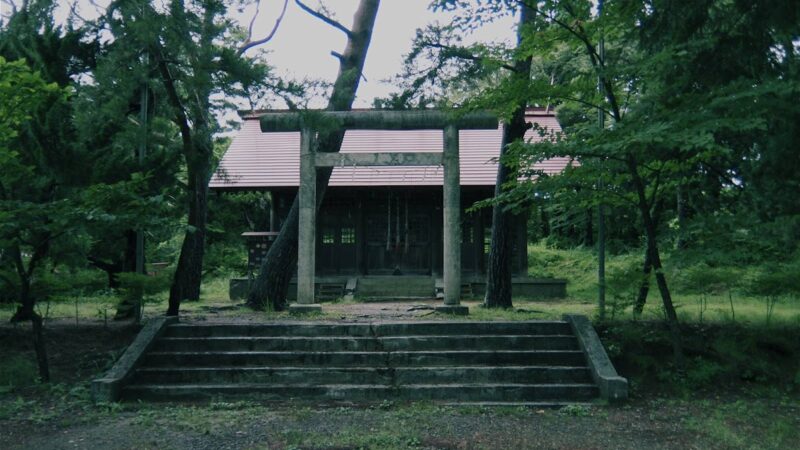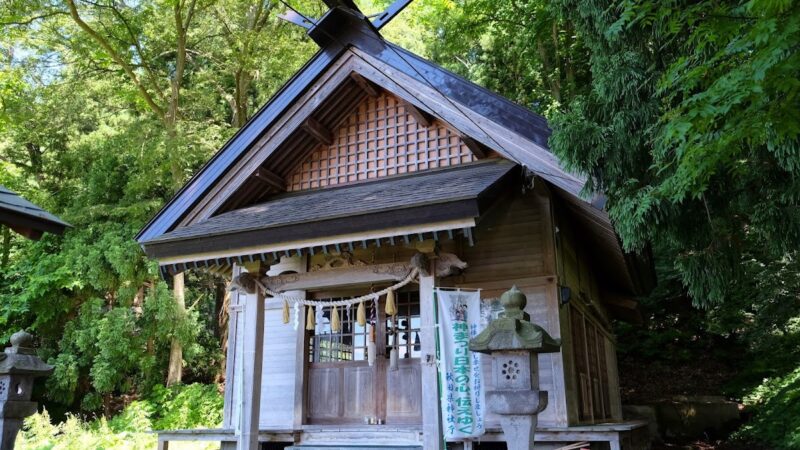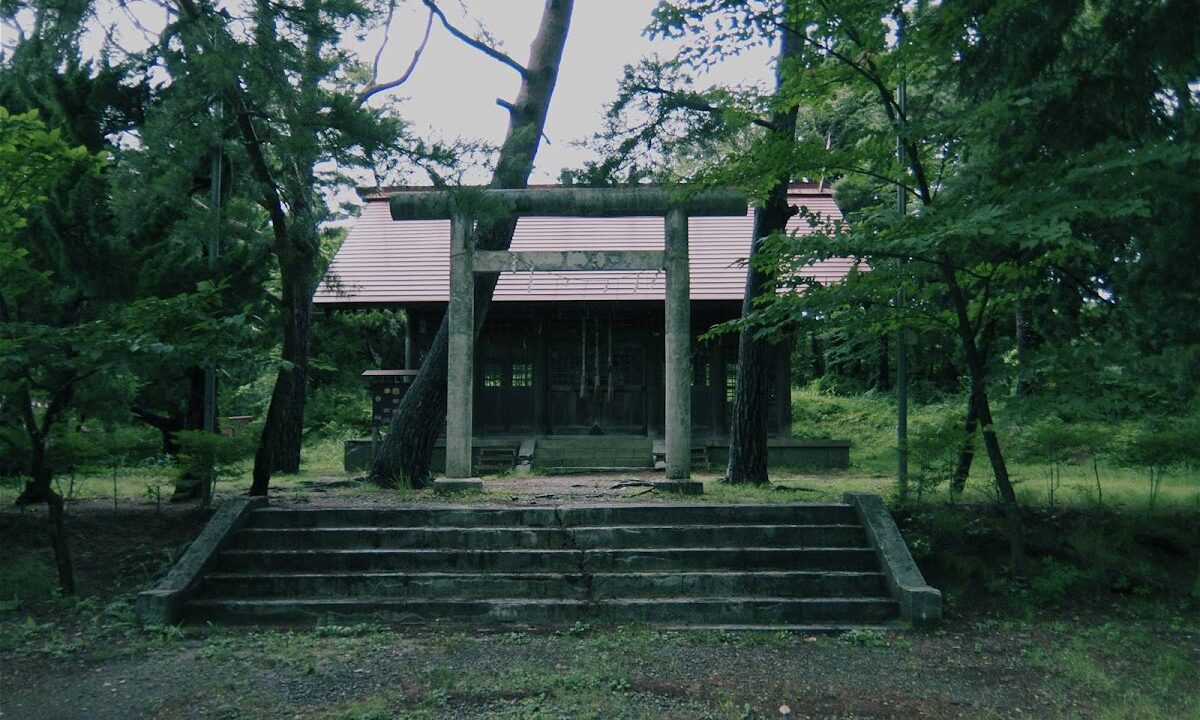
Ryoshayama Shrine (Akita Prefecture) Complete Guide | History and Visiting Information for the Guardian Deity of Mines Founded During the Keicho Era
Ryoshayama Shrine, located in Akita Prefecture, is a historical shrine said to have been founded during the Keicho era. Revered by the local people as the tutelary deity of the mining region, it remains an important shrine belonging to the Akita Prefectural Shrine Association, welcoming many visitors. This article comprehensively introduces Ryoshayama Shrine, including its historical background, enshrined deities, rituals, methods of worship, and basic knowledge of Shinto.
Overview and History of Ryoshayama Shrine
Founding and History
The founding of Ryoshayama Shrine dates back to the Keicho era (1596-1615). While there is a tradition that it was founded by Nanbu Shigezaemon, detailed records do not remain, and the history has been passed down orally.
The Keicho era was the period when the Edo Shogunate was established, and mining development was active throughout Japan. Akita Prefecture has long been a region blessed with abundant mining resources, and it is believed that Ryoshayama Shrine was founded in connection with this mining development.
In 1716 (Shōtoku 6), the shrine was restored by the then-feudal lord. This restoration formally established Ryoshayama Shrine as the guardian deity of the mines, making it a central place of worship for those working in the mines, praying for their safety and prosperity.
Role as a Guardian Deity of Mines
A guardian deity (ubusunagami) is a god who protects the people born in a particular land. Ryoshayama Shrine, in particular, as the guardian deity of the mining area, has attracted worshippers praying for the safety of miners, the discovery of ore veins, and successful mining operations.
Akita Prefecture has a long history of mining development, with gold, silver, and copper mining taking place throughout the region during the Edo period. Because mining work was dangerous, faith in the shrine provided spiritual support for the workers and their families.
Relationship with the Akita Prefectural Association of Shinto Shrines
Ryoshayama Shrine is one of the shrines belonging to the Akita Prefectural Association of Shinto Shrines. The Akita Prefectural Association of Shinto Shrines oversees shrines throughout Akita Prefecture, providing support for shrine management, training for Shinto priests, and promoting Shintoism.
The Akita Prefectural Association of Shinto Shrines comprises a diverse range of shrines throughout the prefecture, striving for the continuation and development of Shintoism while respecting the unique history and traditions of each shrine. Ryoshayama Shrine, as a member of this network, plays a vital role as a center of faith in the local community.
Deities and Divine Virtues
Deities Enshrined
As the name Ryoshayama Shrine suggests, it is believed that two deities are enshrined there. Deities often enshrined as guardian deities of mines include Kanayamahiko-no-mikoto and Kanayamahime-no-mikoto.
These deities are worshipped nationwide as guardian deities of mining and metal-related industries, and have been especially revered in areas where mining development was thriving.
Divine Virtues and Faith
The main divine virtues of Ryoshayama Shrine are as follows:
- Industrial Prosperity: Development and prosperity of industries, including mining
- Prayer for Safety: Safety and accident-free work environments
- Protection of the Community: Protection of local residents as a tutelary deity
- Family Safety: Health and peace of the family
- Business Prosperity: Success and development of businesses
Even today, many worshippers visit the shrine seeking these divine virtues.
Festival Calendar and Annual Events
Major Festivals
Shrines hold various festivals throughout the year. It is believed that Ryoshayama Shrine also holds the following festivals based on its traditional festival calendar:
Spring Grand Festival
A festival praying for a bountiful harvest and regional prosperity with the arrival of spring. As we begin the new fiscal year, we pray for safety and prosperity throughout the year.
Summer Purification Ceremony
Held at the end of June, this purification ceremony cleanses away the sins and impurities of the past six months and prays for health and safety for the remaining half of the year.
Autumn Grand Festival
This festival celebrates the autumn harvest and expresses gratitude for its bounty. Local residents gather to offer thanks to the gods.
Year-End Purification Ceremony
Held at the end of December, this purification ceremony cleanses away the sins and impurities of the past year and prepares us to welcome the new year with a fresh start.
Monthly Festivals and Daily Rituals
In addition to the annual grand festival, monthly festivals are generally held on the 1st and 15th of each month. During these festivals, Shinto priests recite prayers for the peace of the community and the happiness of worshippers.
Shrine Visiting Etiquette and Manners
Correct Procedure for Visiting a Shrine
When visiting a shrine, it is important to follow the traditional customs. Below are the basic procedures for visiting a shrine.
1. Bow Before Passing Through the Torii Gate
Before entering the sacred area, bow before the torii gate. If you are wearing a hat, remove it.
2. How to Walk Along the Path
The center of the path is considered the path of the gods, so it is polite to walk along the edge.
3. Purifying at the Water Basin
Purify your body and mind at the water basin. Hold the ladle in your right hand and purify your left hand, then switch to your left hand and purify your right hand, then switch back to your right hand, receive water in your left hand, and rinse your mouth. Finally, hold the ladle upright and purify the handle.
4. Visiting the Main Hall
At the main hall, the basic procedure is “two bows, two claps, one bow.” Bow deeply twice, clap your hands twice, and finally bow deeply once more.
Mindset When Visiting a Shrine
Visiting a shrine is not merely sightseeing; it is a place for dialogue with the gods. Approach it with reverence, as an opportunity to express gratitude and renew your resolve for the future.
When making a wish, it is said to be best to first silently state your address and name, express gratitude, and then state your specific wish.
The Relationship Between Life Rituals and Shrines
Life Milestones and Shrines
In traditional Japanese culture, shrines have been deeply involved in important milestones in life. Ryoshayama Shrine also performs life rituals for local people.
Hatsumiyamairi
A baby’s first visit to a shrine is to pray for their healthy growth. Generally, this is done on the 31st day after birth for boys and the 32nd day for girls, but this varies depending on the region and family.
Shichi-Go-San (7-5-3 Festival)
This is a ceremony to celebrate the growth of children aged 3, 5, and 7, and to pray for their future health. It is often held around November 15th.
Coming-of-Age Ceremony
This is a ceremony to report to the gods that one has reached adulthood and to pray for a safe and peaceful life.
Exorcism of Misfortune
This is a prayer to ward off misfortune and cleanse oneself when reaching one’s unlucky year. For men, the unlucky years are 25, 42, and 61; for women, 19, 33, and 37.
Wedding Ceremony
A Shinto wedding ceremony is a traditional ceremony in which a couple exchanges vows before the gods.
Concepts of Mourning and Defilement
In Shinto, death is considered impure, and there is a custom of refraining from visiting shrines for a certain period.
Mourning Period: The 50-day mourning period follows the death of a close relative. During this time, one refrains from visiting shrines or participating in religious ceremonies.
Mourning Period: Even after the mourning period has passed, one year is considered a mourning period. While celebrations are kept to a minimum, visiting shrines is permitted.
However, these periods and customs may vary depending on the region and shrine, so it is recommended to inquire with the shrine for details.
Architectural Rituals and the Role of Shrines
Groundbreaking Ceremony
When constructing a building, a groundbreaking ceremony is held to pray for the safety of the construction and the prosperity of the building. A Shinto priest requests permission from the land gods for construction and prays for the safety of the construction.
In the groundbreaking ceremony, bamboo poles are erected at the four corners, a sacred rope (shimenawa) is stretched, and an altar is set up to welcome the gods. The client and construction personnel attend, and the ceremony includes the digging ritual.
Ridgepole Raising Ceremony
This ceremony is held when the framework of the building is completed. We express gratitude to the guardian deity of the building and pray for the safe completion of the construction and the safety of the building.
Completion Ceremony
This ceremony is held when a building is completed. The safe completion of the construction is reported to the gods, and prayers are offered for the building’s prosperity.
These construction rituals were also considered important in areas where mining development was thriving, particularly during the excavation of mine shafts and the construction of facilities.
Let’s enshrine the Jingu Taima
What is the Jingu Taima?
The Jingu Taima is a sacred amulet from Ise Grand Shrine. Ise Grand Shrine is a shrine dedicated to Amaterasu Omikami, the ancestral deity of all Japanese people, and it is recommended that households throughout Japan enshrine the Jingu Taima.
It is customary to replace the Jingu Taima with a new one every year, and they are distributed at the shrine during the New Year period. It is believed that Ryoshayama Shrine also distributes the Jingu Taima.
Setting up and worshipping at a Shinto altar
By setting up a Shinto altar in your home and enshrining the Ise Grand Shrine amulet and the amulet of your local guardian deity, you can offer daily gratitude to the gods.
Placement of the Shinto Altar
- A clean place where family members can worship daily
- Higher than eye level
- Facing south or east is ideal
- A place where people do not walk over the altar
Arrangement of Amulets
In the case of a three-shrine style altar, place the Ise Grand Shrine amulet in the center, the amulet of your local guardian deity on the right, and the amulets of other revered shrines on the left.
Daily Worship
Every day, or as much as possible, worship towards the altar using the two bows, two claps, and one bow ritual to express your daily gratitude.
Shrine Experts for Children
Shrine Knowledge to Share with Children
Shrines are an excellent place for children to learn about traditional Japanese culture. The Akita Prefectural Shrine Association is working to teach children about shrines and Shinto in an easy-to-understand way through its “Shrine Experts for Children” program.
What kind of place is a shrine?
Shrines are places where gods reside, places that Japanese people have cherished since ancient times. You can learn to respect and be grateful for nature and your ancestors.
The meaning of the torii gate
The torii gate is a gate that separates the world of the gods from our world. Passing through the torii gate means entering the realm of the gods.
The meaning of offerings
Offerings express gratitude to the gods. It’s not about the amount, but about putting your heart into it.
Rules at the shrine
- Don’t shout
- Don’t run around
- Respect nature
- Take your trash home
Enjoying a shrine visit with your family
A family visit to Ryoshayama Shrine is a great opportunity to teach children about traditional Japanese culture. You can learn the proper etiquette for visiting a shrine together, feel the changing seasons, and deepen your family bonds.
About the Akita Prefectural Shrine Association
Role of the Akita Prefectural Shrine Association
The Akita Prefectural Shrine Association, as an organization encompassing shrines within Akita Prefecture, performs the following duties:
Support and Guidance for Shrines
We support the operation of shrines within the prefecture and provide guidance for proper shrine management.
Training and Development of Shinto Priests
We hold training sessions and workshops to improve the qualifications of Shinto priests.
Promotion of Shrine Shinto
We conduct activities to spread knowledge of Shrine Shinto and proper worship etiquette to the general public.
Protection of Cultural Properties
We strive to protect and pass on valuable cultural properties owned by shrines within the prefecture.
Guidance on Festivals
We provide guidance to ensure that festivals at each shrine are conducted appropriately.
Brief Chronology of the Akita Prefectural Shrine Association
The history of the Akita Prefectural Shrine Association is closely related to the changes in the shrine system in modern Japan. From the establishment of the shrine system in the Meiji era, through its incorporation as a religious corporation after the war, to the present day, it has continued to operate as the central organization for shrines in Akita Prefecture.
Collaboration with Related Organizations
The Akita Prefectural Shrine Association works to promote the development of Shinto shrines in collaboration with related organizations such as the Association of Shinto Shrines (Jinja Honcho), other shrine organizations nationwide, the Akita Prefectural Association of Shrine Representatives, and the Association of Shinto Priests.
Guide to Shrines in Akita Prefecture and Shrine Search
Finding Shrines in Akita Prefecture
Akita Prefecture has numerous shrines, each with its own unique history and characteristics. The Akita Prefectural Shrine Association website allows you to search for shrines in the prefecture in various ways.
Search by City/Town
You can search for shrines by city/town, such as Akita City, Yokote City, Daisen City, and Yurihonjo City.
Search by Alphabetical Order
You can also search by shrine name in alphabetical order. Ryoshayama Shrine can be found under the “Ri” section.
Search by Map
You can visually confirm the location of shrines on the map and search for nearby shrines.
Introduction to Major Shrines
Besides Ryoshayama Shrine, there are many other historical shrines in Akita Prefecture:
- Taiheizan Miyoshi Shrine: One of the prefecture’s leading shrines, located in Akita City
- Yataka Shrine: A shrine dedicated to the lord of the Akita domain
- Mayama Shrine: A shrine on the Oga Peninsula, famous for its Namahage (demon-like figures)
- Gozaishi Shrine: A beautiful shrine located on the shores of Lake Tazawa
These shrines also serve as important centers of faith in their respective regions.
Cultural Properties and Shrine Treasures in the Prefecture
Cultural Properties Protected by Shrines
Many valuable cultural properties designated by the national, prefectural, and municipal governments are housed in shrines throughout Akita Prefecture.
Buildings
Buildings such as shrine buildings and torii gates of high historical value are protected as cultural properties.
Art and Crafts
Valuable items donated to the shrine, such as statues of gods and Buddhas, swords, paintings, and crafts, are preserved here.
Ancient Documents
Ancient documents that convey the history of the shrine and the region are also important cultural properties.
Intangible Cultural Properties
Traditional rituals such as Kagura (sacred dance) and festivals are also preserved as intangible cultural properties.
Efforts to Protect Cultural Properties
The Akita Prefectural Shrine Association provides guidance on appropriate storage and management to pass on these valuable cultural properties to future generations. They also cooperate in cultural property surveys and restoration projects.
Facts about Shinto Shrines
Basic Concepts of Shinto
Shinto is an ancient Japanese religion based on nature worship and ancestor worship. It has no scriptures or founder, and has developed naturally within the lives and culture of the Japanese people.
Eight Million Gods
In Shinto, it is believed that gods reside in everything in the natural world. Shinto recognizes divinity in all things, including mountains, rivers, trees, and stones.
Emphasis on Purity Shinto places great importance on purity. It is considered essential to purify oneself and approach the gods in a pure state.
A Heart of Gratitude Being grateful for daily blessings and showing respect to the gods, ancestors, and nature are fundamental to Shinto.
Basic Structure of a Shrine
Torii: A gate marking the entrance to the sacred area
Sando: The path leading to the gods
Temizuya: A place for purifying the mind and body
Haiden: The building where worshippers pay their respects
Honden: The most sacred building where the deity is enshrined
Shamusho: The place where the shrine’s administrative affairs are conducted
Shrines and Seasonal Events
Annual events at shrines are deeply intertwined with Japan’s four seasons.
Spring: Kinensai (Harvest Festival) to pray for a bountiful harvest
Summer: Natsukoshi no Oharae (Summer Purification Ceremony) to pray for the eradication of disease
Autumn: Niinamesai (Harvest Festival) to give thanks for the harvest
Winter: Toshikoshi no Oharae (Year-End Purification Ceremony) to cleanse away the sins and impurities of the year
Through these ceremonies, the Japanese people have felt the changing seasons and cherished harmony with nature.
Location, Map, and Access Information
Visiting Ryoshayama Shrine
Those planning to visit Ryoshayama Shrine are advised to check the detailed location and access information on the Akita Prefectural Shrine Association website beforehand.
Points to Note When Visiting
- Check the visiting hours in advance.
- Observe quietly if a festival or Shinto ritual is taking place.
- Check for parking availability.
- Be aware of snowfall during winter.
Visiting Shrines in Akita Prefecture
A trip to visit shrines in Akita Prefecture, including Ryoshayama Shrine, offers a valuable opportunity to deeply understand Akita’s history and culture. You can spend a fulfilling time discovering the unique charm of each shrine.
Page for Shinto Priests Only (Password Required)
Information for Shinto Priests
The Akita Prefectural Shrine Association provides a dedicated webpage for Shinto priests. A password is required to access this page, and the following information is provided:
Information on Rituals
This page contains practical information necessary for Shinto priests, such as formal methods of conducting rituals and examples of prayers.
Training Session Announcements
This page announces the dates and content of training sessions and workshops for Shinto priests.
Notices
Important notices from the Association of Shinto Shrines and the Akita Prefectural Association of Shinto Shrines are posted here.
Various Application Forms
Various application forms necessary for shrine operation are available for download.
If you are a Shinto priest and do not know your password, please contact the Akita Prefectural Association of Shinto Shrines directly.
Related Links
Useful Information Sources Related to Shrines
For those who want to learn more about Ryoshayama Shrine and shrines in Akita Prefecture, we introduce related information sources.
Akita Prefectural Association of Shinto Shrines Official Website
Comprehensive information about shrines is available, including information on shrines in the prefecture, worship etiquette, and annual events.
Association of Shinto Shrines
An organization encompassing shrines nationwide, it provides comprehensive basic information on Shinto.
Akita Prefecture Tourism Information
Tourism information for Akita Prefecture that can be enjoyed in conjunction with shrine visits is available.
Agency for Cultural Affairs
Information on cultural properties owned by shrines is posted here.
Akita Prefecture Shrine Calendar
The Akita Prefecture Shrine Association publishes the “Akita Prefecture Shrine Calendar” every year. This calendar contains the dates of major festivals at shrines throughout the prefecture, as well as various information about the shrines, making it a valuable resource for shrine officials and believers.
Summary
Ryoshayama Shrine is a historical shrine founded during the Keicho era and restored in Shotoku 6 (1716). Revered by the local people as the tutelary deity of the mine, it remains an important shrine belonging to the Akita Prefecture Shrine Association, playing a vital role as a center of faith in the local community.
Shrine visits are not merely sightseeing; they are important opportunities to experience traditional Japanese culture, purify the soul, and offer daily gratitude. Learning the correct etiquette for worship and deepening your understanding of the shrine’s history and enshrined deities will make your visit even more meaningful.
Akita Prefecture is home to many historical shrines, including Ryoshayama Shrine. Why not visit the unique history and culture of each shrine and experience the richness of Japanese spiritual culture? We hope that through visiting the shrine, you will be able to spend a fulfilling time and cultivate a sense of gratitude for your daily life.