
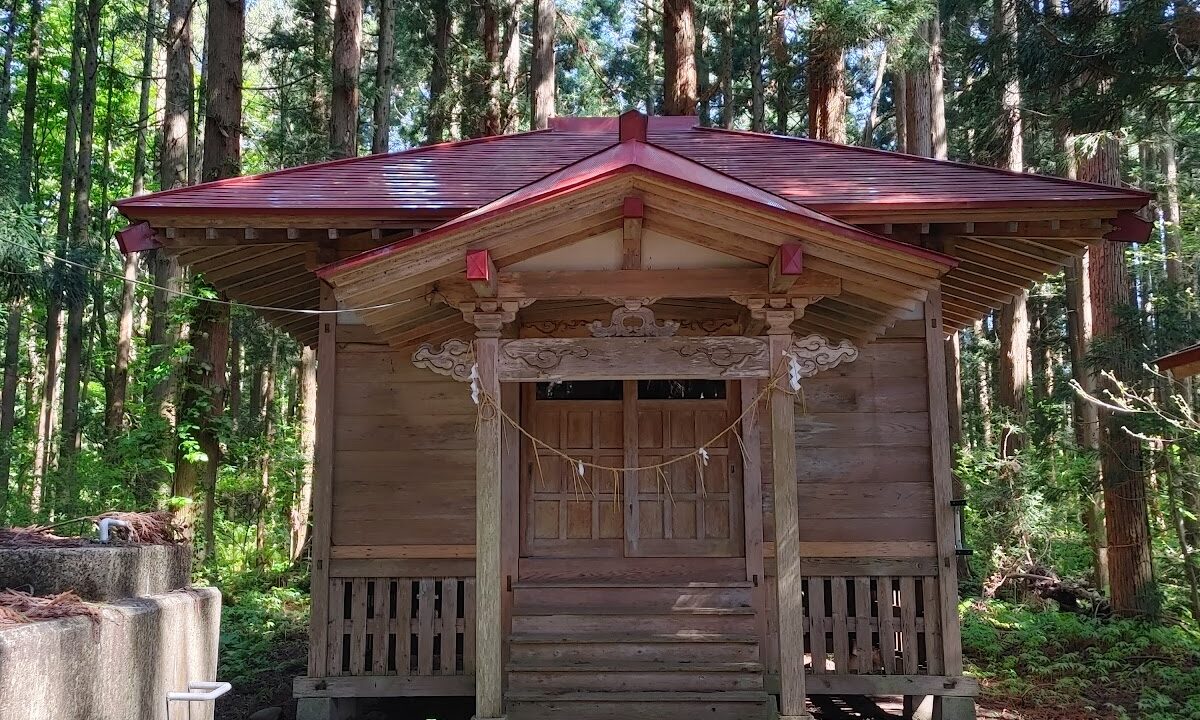
Inari Shrine (Inari Nakadai, Odate City, Akita Prefecture) | Complete Guide to History, Access, and Goshuin (Shrine Seal) Information
The Inari Shrine, located in Inari Nakadai, Odate City, Akita Prefecture, is a shrine that has been cherished by local residents for centuries. This article provides detailed information you should know before visiting, including the shrine’s history, enshrined deities, visiting information, and access methods.
Basic Information about Inari Shrine
The Inari Shrine is located in the Inari Nakadai district of Odate City, Akita Prefecture, and has been protected by local people for many years as a center of local faith. While there are several Inari Shrines in Odate City, this shrine in Inari Nakadai plays an important role in the local community.
Location and Basic Data
Address: 2 Inari Nakadai, Odate City, Akita Prefecture
Religious Corporation: Under the Association of Shinto Shrines
Jurisdiction: Akita Prefectural Association of Shinto Shrines
Odate City is located in the northern part of Akita Prefecture and has flourished as a transportation hub since ancient times. There are 83 shrines within the city, and Inari Shrine is one of them, supporting the spiritual culture of the region.
Deities and Divine Virtues
What is Inari-sama?
The main deity of Inari shrines is generally Inari Okami, including Ukanomitama-no-kami. Inari worship is one of the most widespread faiths throughout Japan, and is especially revered as a god of abundant harvests, business prosperity, and family safety.
Expected Divine Blessings
- Abundant Harvest: Prayers for a bountiful harvest in agricultural areas.
- Business Prosperity: For worshippers praying for business success and prosperity.
- Family Safety: Protection of family health and peaceful living.
- Industrial Development: Development and prosperity of local industries.
- Good Fortune and Prosperity: Improved luck and attracting good fortune.
History and Origins of Inari Shrines
Shrine Culture of Odate City
The shrines of Odate City are deeply intertwined with the history of the region. Northern Akita Prefecture has long been blessed with abundant nature, and life has revolved around agriculture. The roots of Inari worship are closely related to the agricultural culture of this region.
Role in the Community
The Inari Shrine in Inari Nakadai has served as a spiritual anchor for local residents, with various festivals and events held throughout the year. In particular, the spring Kinensai (harvest festival) and the autumn Niinamesai (harvest festival) are important Shinto rituals that have been passed down through generations, aligned with the agricultural cycle.
Highlights of the Shrine Grounds
Features of the Shrine Building
As is typical of local shrines, the shrine building is simple yet meticulously maintained. It features an architectural style adapted to the climate of the Tohoku region, and is built robustly to withstand the harsh winter snow.
Atmosphere of the Shrine Grounds
Nestled in the tranquil natural surroundings of Inari Nakadai, the shrine offers peace and tranquility to visitors. Especially during the seasons of fresh greenery and autumn leaves, the trees on the grounds add beautiful colors.
Annual Festivals and Etiquette for Worship
Main Annual Events
New Year’s Day Festival (January 1st): A festival to welcome the new year and pray for peace throughout the year.
Prayer Festival (Spring): A major spring festival praying for a bountiful harvest.
Annual Grand Festival (Autumn): The most important annual festival at the shrine.
Niiname-sai Festival (November): An autumn festival giving thanks for the harvest.
Etiquette for Worship
- Bow at the Torii Gate: Bow at the torii gate before entering the shrine grounds.
- Purification at the Water Basin: Purify your left hand, right hand, and mouth in that order.
- Worship at the Main Hall: Follow the etiquette of two bows, two claps, and one bow.
- Bow upon Exit: Turn around and bow again when leaving the torii gate.
Access Information
Access by Public Transportation
Nearest Station: JR Ou Main Line Odate Station
From Odate Station, please use a local bus or taxi. Due to the characteristics of the area, access by private car is convenient.
Access by Car
Tohoku Expressway: Approximately 20 minutes from Kosaka IC
Akita Expressway: Approximately 15 minutes from Odate Kita IC
Access from the city center is possible via national and prefectural roads. Entering “Odate City Inari Nakadai” into your car navigation system will give you an approximate location.
Parking Information
As this is a local shrine, parking spaces for visitors may be available. However, congestion is expected during festivals, so it is recommended to visit with plenty of time to spare.
Other Inari Shrines in Odate City
There are several Inari shrines in Odate City. The following shrines are particularly well-known:
Iwase Inari Shrine
Location: 75 Inaridai, Iwase, Odate City, Akita Prefecture
Corporate Number: 2410005003112
This is another important Inari shrine in Odate City, and it is a center of faith for the Iwase district.
Odate City Shrine Network
There are 83 shrines throughout Odate City, each functioning as a core of its local community. These shrines are managed and supported by the Akita Prefectural Shrine Association, and efforts are made to preserve traditional Shinto rituals and festivals.
Inari Faith in Akita Prefecture
Inari Shrines in Akita Prefecture
Inari shrines are widely distributed throughout Akita Prefecture, and each region has developed its own unique form of faith. In particular, the Yojiro Inari Shrine in Akita City is known for the legend of Yojiro the fox, who served as a messenger for the Satake clan, and exhibits a distinctive form of Inari faith within the prefecture.
Characteristics of Inari Worship in the Tohoku Region
Inari worship in the Tohoku region embodies the heartfelt wishes of people who have practiced agriculture under harsh climatic conditions. While prayers for abundant harvests are certainly part of the faith, the foundation of the belief lies in gratitude for overcoming the winter cold and for the new life that sprouts with the arrival of spring.
Precautions and Manners When Visiting a Shrine
Regarding Attire
There are no specific dress code requirements, but clean and modest attire is desirable, as it is a sacred place. Formal attire is especially recommended when making a formal visit during festivals.
Regarding Photography
Photography is generally permitted on the shrine grounds, but please note the following:
- Refrain from taking photos inside the main hall or during religious ceremonies.
- Be considerate of other worshippers.
- Avoid using flash photography.
- Include an appropriate explanation when posting on social media.
Visiting Hours
Shrines are generally open for worship throughout the day, but daytime visits are recommended as it gets dark in the early morning and after sunset. Especially in winter, the sun sets early, so please be mindful of the time.
About Goshuin (Shrine Seals)
Issuance of Goshuin
Small local shrines may not have a resident priest. If you wish to receive a Goshuin, it is recommended to inquire in advance with the Akita Prefectural Shrine Association or a shrine official in Odate City.
Preparing a Goshuincho (Shrine Seal Book)
If you collect Goshuin, prepare a dedicated Goshuincho. This shows respect to the shrine and allows you to keep it as a precious record.
Nearby Tourist Attractions
Highlights of Odate City
Akita Dog Village: Odate City is known as the birthplace of the Akita dog, and has an exhibition facility related to Akita dogs.
Odate Jukai Dome: Famous as one of the world’s largest wooden dome structures.
Birthplace of Kiritanpo: Odate City is known as the home of kiritanpo, and there are many restaurants serving it in the city.
Nearby Shrines and Temples
There are many other shrines in Odate City, making it a great place to enjoy a shrine tour. Each shrine has its own unique history and characteristics, so visiting several is recommended if you have the time.
Connection with the Local Community
Parishioner Organization
Inari shrines are supported by local parishioners. The parishioner organization plays a vital role in maintaining the shrine, preparing for festivals, and preserving traditional events.
Participation in Local Events
Shrines serve as the center of local communities, hosting various local events. Local residents work together to protect the shrines through festivals, cleaning activities, and other initiatives.
About the Akita Prefectural Shrine Association
Role of the Shrine Association
The Akita Prefectural Shrine Association is an organization that oversees and supports shrines within the prefecture. It engages in a wide range of activities, including shrine maintenance, training of Shinto priests, and support for the preservation of traditional events.
How to Check Shrine Information
You can search for information on shrines within the prefecture on the official website of the Akita Prefectural Shrine Association. You can search by municipality and alphabetically, and check the basic information of each shrine.
The Modern Significance of Inari Worship
Inheriting Tradition
In modern society, shrines play an important role in conveying local history and culture, going beyond mere religious facilities. Visiting an Inari shrine provides an opportunity to connect with the values and lifestyles cherished by our ancestors.
As a Place of Spiritual Support
The time spent escaping from the hustle and bustle of daily life and finding peace in the quiet shrine grounds is a precious experience for modern people. The space of a shrine functions as a place to reflect on oneself and renew feelings of gratitude.
A Message to Visitors
Inari Shrine (Inari Nakadai, Odate City, Akita Prefecture) is a simple shrine rooted in the community, but it is imbued with a long history and the faith of the local people. Unlike large shrines in urban areas, it has the warmth and approachability unique to a community-oriented shrine.
When you visit Odate City, please be sure to visit this Inari Shrine. Spending time quietly visiting a shrine, immersed in local history and culture, will enrich your travel memories.
Summary
The Inari Shrine in Inari Nakadai, Odate City, Akita Prefecture, has long been a spiritual pillar of the local community, attracting the faith of many. Many visitors come to pray for various blessings, including abundant harvests, business prosperity, and family safety.
Odate City boasts 83 shrines, each playing a vital role in conveying the region’s history and culture. Visiting an Inari Shrine allows you to experience the rich spiritual culture of northern Akita Prefecture.
While private car access is convenient, if using public transportation, it is recommended to check transportation options from Odate Station in advance. When visiting, please observe basic shrine etiquette and respect that this is a place of local worship.
Enjoy a peaceful time at the Inari Shrine, nestled amidst the rich nature and history of Odate City.


