Genkoan Temple (Sendai City, Miyagi Prefecture) Complete Guide | History, Goshuin (Temple Seal), Perpetual Memorial Service, and Access Information
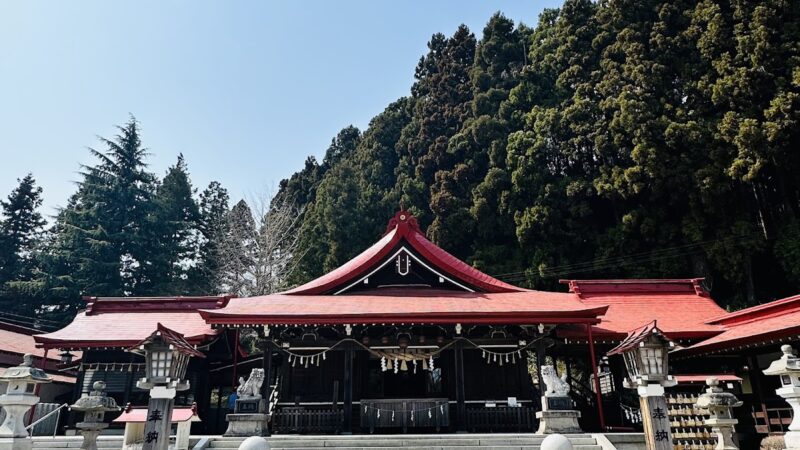
Located in Torimachi, Aoba-ku, Sendai City, Miyagi Prefecture, Genkoan Temple is a Soto Zen Buddhist temple with a history of over 400 years. Known as the temple that enshrines Jurojin, one of the Seven Lucky Gods of Sendai, it has a historical background deeply connected to the construction of Sendai Castle by Lord Date Masamune. This article comprehensively introduces useful information for those considering a visit to Genkoan Temple, including its detailed history, goshuin (temple seal), perpetual memorial service information, and access methods.
Basic Information about Genkoan Temple
Official Name: Kifukuzan Genkoan
Sect: Soto Zen
Principal Image: Shakyamuni Buddha
Address: 1-3-16 Torimachi, Aoba-ku, Sendai City, Miyagi Prefecture
Postal Code: 〒981-0915
Founder: Myoya Bonsatsu Daiohsho (Second Abbot of Ryusen-in Temple)
Year of Founding: Daiei 3 (1523)
Genkoan Temple is positioned as a branch temple of Ryusen-in Temple, located in Shinji, Wakabayashi-ku, Sendai City, and continues to be a historically significant temple in Sendai City, deeply rooted in the local community.
History and Origins of Genkoan Temple
Relocation from Aobayama to the Current Location
The history of Genkoan Temple dates back to before the construction of Aoba Castle. Initially, it existed as “Genkobo,” a branch temple of Ryusen-in, near the site of the main gate of Sendai Castle on Aobayama Hill. During this period, Genkobo was not an independent temple but functioned as a training ground belonging to Ryusen-in.
In 1600, when Lord Date Masamune began construction of Sendai Castle, the Aobayama area underwent large-scale development for the castle’s construction. During this construction, Genkobo became independent, becoming “Genkoan,” and relocated to its current location in Torimachi. This relocation was not merely a change of location, but a significant turning point signifying its independence as a temple.
Relationship with Ryusen-in
Genkoan, founded in 1523 by the second abbot of Ryusen-in, Myoya Bonsatsu Daiohsho, was restored as a branch temple of Ryusen-in. As a Soto Zen temple, it has maintained ties with the head temple while developing as a place of faith deeply rooted in the local community.
Ryusen-in is a historic temple located in Shinji, Wakabayashi-ku, Sendai City, and Genko-an has inherited its teachings while carving its own unique history in the Torimachi area.
Sendai Castle Construction and Genko-an
The construction of Sendai Castle by Lord Date Masamune was a major project that formed the foundation of Sendai’s urban planning. The relocation of Genko-an was also carried out as part of this grand plan and played an important role in the formation of the castle town. The relocation from Aobayama to Torimachi had the aspect of rearranging religious facilities, as well as the meaning of creating a temple network in the new castle town.
Sendai Seven Lucky Gods Pilgrimage and Jurojin
What is the Sendai Seven Lucky Gods Pilgrimage?
The Sendai Seven Lucky Gods Pilgrimage is a traditional religious event in which people visit seven temples in Sendai City. The Seven Lucky Gods refer to the seven gods of good fortune: Ebisu, Daikokuten, Bishamonten, Benzaiten, Fukurokuju, Jurōjin, and Hotei. Visiting these temples is believed to bring good luck, prosperity in business, and safety to the family.
Jurōjin (Jurōson) at Genkō-an Temple
Genkō-an Temple is known as the temple that enshrines Jurōjin (Jurōson) in the Sendai Seven Lucky Gods pilgrimage. Jurōjin is the god of longevity and health, often depicted with a white beard and accompanied by a deer.
Jurōjin is a deity originating from Chinese Taoism, considered an incarnation of the star of the South Pole. Characterized by his long head and beard, he is believed to grant longevity, prosperity, and wealth, and is particularly popular among worshippers seeking health and long life.
The Significance of the Seven Lucky Gods Pilgrimage
The Sendai Seven Lucky Gods pilgrimage is not merely sightseeing, but a spiritual journey seeking inner peace and good fortune while experiencing the history and teachings of each temple. By visiting the seven temples, including Genkoan, you can gain a deeper understanding of Sendai’s history and culture.
The Founder’s Hall and Kannon Statues
Thirty-Three Kannon Statues
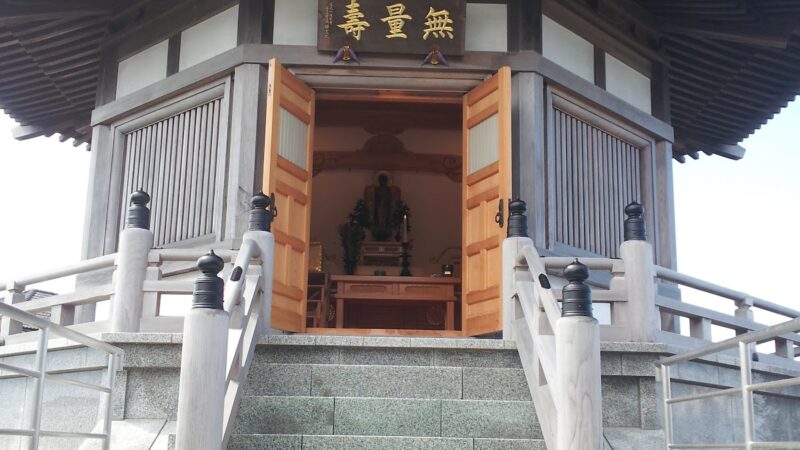
In the Founder’s Hall of Genkoan, thirty-three Kannon statues are enshrined, centered around the principal image, a wooden eleven-faced Kannon. This number of thirty-three is based on the teaching of “thirty-three manifestations,” which states that Kannon Bodhisattva transforms into thirty-three forms to save sentient beings.
What is the Eleven-Faced Kannon?
The Eleven-Faced Kannon is a form of Kannon Bodhisattva with eleven faces on its head. Each face faces a different direction, symbolizing the watching over and saving sentient beings from all directions. The wooden eleven-faced Kannon is a precious Buddhist statue imbued with the high skill and faith of the craftsman. ### Significance of the Founder’s Hall
The Founder’s Hall is a place where the founding abbot of a temple is enshrined, and it is also the spiritual center of the temple. Genkoan’s Founder’s Hall commemorates the virtues of the great abbot Myoya Bonsatsu and serves as a spiritual haven for worshippers as a central site of Kannon worship.
About the Goshuin (Temple Seal)
Goshuin of Genkoan
You can receive a Goshuin at Genkoan. A Goshuin is a valuable commemorative item given by the temple as proof of worship, bearing both calligraphy and a red seal. Genkoan’s Goshuin typically includes the temple name, the principal image, and information related to Jurojin, one of the Seven Lucky Gods of Sendai.
Manners for Receiving a Goshuin (Temple Stamp)
When receiving a Goshuin, please observe the following manners:
- First, complete your prayers at the main hall before receiving the Goshuin.
- Prepare a Goshuincho (avoid notebooks or colored paper).
- Prepare the Goshuin fee (generally around 300-500 yen).
- Request using polite language.
- Wait quietly while the Goshuin is being written.
Goshuin Pilgrimage of the Seven Lucky Gods of Sendai
When undertaking the Sendai Seven Lucky Gods pilgrimage, special colored paper or Goshuincho may be provided. Receiving a Goshuin from all seven temples completes the pilgrimage and is believed to bring greater blessings.
Information on Perpetual Memorial Graves, Tree Burials, and Columbariums
About Perpetual Memorial Services at Genkoan Temple
Genkoan Temple accepts applications for perpetual memorial graves. Perpetual memorial service is a form of memorial service where a temple takes responsibility for perpetual memorial services and management in cases where there are no successors to the grave or where the family does not want to burden their descendants with grave maintenance.
Characteristics of Perpetual Memorial Graves
Individual Interment Type
In this type, the remains are interred individually for a certain period (generally 13 or 33 years), after which they are moved to a communal grave. Suitable for those who desire individual memorial services.
Communal Grave Type
In this type, the remains are buried together with those of others from the beginning. This is chosen by those who want to keep costs down and those with fewer religious preferences.
Flow of Interment
- Reservation for Visit: Make a reservation for a visit by phone in advance.
- On-site Visit: Actually visit Genkoan and check the facilities.
- Consultation: Consult with the head priest or staff about the memorial service method and costs.
- Contract: Sign a contract after you are satisfied.
- Interment: The interment ceremony will be held on the designated date and time.
About Costs
The cost of an eternal memorial grave varies depending on the type of memorial service, the duration of individual interment, and the facilities. General market rates are:
- Communal grave: Approximately 100,000 to 300,000 yen
- Individual interment (limited time): Approximately 300,000 to 800,000 yen
For specific costs, we recommend contacting Genkoan directly. It is also important to compare and consider other temples in Sendai City.
Support for Grave Closure
Genkoan also offers consultations regarding “grave closure,” which involves relocating existing graves to an eternal memorial grave. Closing a grave involves complex procedures such as removing the current grave, retrieving the remains, and obtaining permission for reburial. However, temples may offer support.
Access Methods
Access by Train
Nearest Station: Kita-Yonbancho Station, Sendai Subway Namboku Line
Distance from Station: Approximately 8-10 minutes on foot
The route from Kita-Yonbancho Station to Genkoan is relatively easy to follow. Exit the station and head northwest towards Torimachi. It is located in a quiet residential area.
Access from Sendai Station
Take the Namboku Line subway from Sendai Station to Kita-Yonbancho Station (approximately 5 minutes). A taxi from Sendai Station takes approximately 10 minutes.
Access by Car
Address: 1-3-16 Torimachi, Aoba-ku, Sendai City, Miyagi Prefecture
Approximately 10 minutes by car from central Sendai. It’s about a 20-minute drive from the Tohoku Expressway Sendai-Miyagi Interchange.
Parking: We recommend checking with Genko-an Temple in advance regarding parking availability and capacity. While there are coin-operated parking lots nearby, priority is given to visitors using the temple’s parking lot.
Access by Bus
If using Sendai City Buses, the nearest bus stops are “Torimachi” or “Kita-Yonbancho Station.” Bus routes and timetables can be found on the Sendai City Transportation Bureau’s official website.
Landmarks in the Area
Genko-an Temple is located in a residential area of Torimachi, Aoba-ku, Sendai City. Nearby landmarks include Sendai City Torimachi Elementary School and the Torimachi Shopping Street, making it a beloved temple deeply rooted in the community.
Genkoan Temple Facilities and Equipment Information
Temple Grounds Facilities
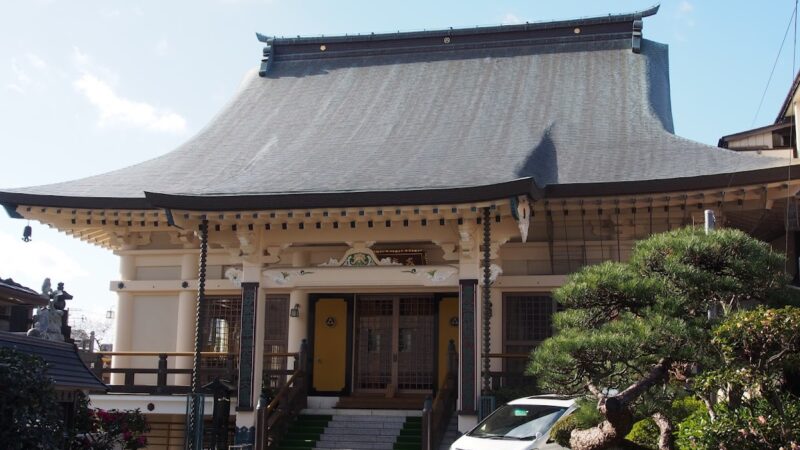
- Main Hall: The central building where daily services and religious ceremonies are held.
- Founder’s Hall: Houses 33 Kannon statues.
- Priest’s Quarters: The living quarters and temple office for the head priest.
- Cemetery: Cemeteries for parishioners and perpetual memorial graves.
Barrier-Free Accessibility
Elderly visitors and wheelchair users are advised to inquire with the temple in advance to confirm barrier-free accessibility. Older buildings may have steps.
Visiting Hours
While general temple visiting hours are during the daytime (approximately 9:00 AM to 5:00 PM), it is recommended to check the specific visiting hours for Genkoan Temple in advance. Visiting hours may be restricted during religious services or events.
Genkoan Temple’s Highlights
Historical Value
Genkoan Temple, with its history intertwined with the construction of Sendai Castle by Lord Date Masamune, is a precious place where you can experience the history of Sendai firsthand. As a temple with over 400 years of history, it conveys its journey alongside the development of Sendai.
One of the Seven Lucky Gods of Sendai Pilgrimage Sites
As a temple dedicated to Jurojin (the god of longevity), it is an important spot on the Sendai Seven Lucky Gods pilgrimage. It’s a must-visit for those wishing for health and longevity, and for those who want to complete the pilgrimage.
Quiet Environment
Located in the residential area of Torimachi, Genkoan Temple offers a quiet environment away from the hustle and bustle of the city. It’s an ideal place for those seeking a peaceful visit, meditation, or introspection.
Thirty-Three Kannon Statues
The thirty-three Kannon statues enshrined in the founder’s hall are a rare collection of Buddhist statues rarely seen in other temples. It’s a major attraction for those interested in Kannon worship and those who enjoy appreciating Buddhist statues. ### Easy Access
The temple’s location, within walking distance of Kita-Yonbancho Station on the Sendai Subway Namboku Line, is extremely convenient for visitors from both within and outside the city. It’s also close to Sendai Station, making it easily accessible as part of a sightseeing trip.
Nearby Tourist Attractions
Sendai Castle Ruins (Aoba Castle Site)
The former site of Genko-an Temple, Aoba-yama, now houses the ruins of Sendai Castle. Famous for its equestrian statue of Date Masamune, it offers a spectacular panoramic view of Sendai. Visiting after a visit to Genko-an Temple allows for a deeper understanding of the temple’s historical background.
Zuihoden Mausoleum
Zuihoden Mausoleum, the mausoleum of Date Masamune, is another tourist spot worth visiting along with Genko-an Temple. It’s an important cultural property that preserves the opulent architectural style of the Momoyama period.
Jozenji-dori Street
Jozenji-dori Street, a representative tree-lined street in Sendai City, offers beautiful scenery throughout the seasons. Especially during the autumn foliage season and the winter illumination event “SENDAI Pageant of Light,” the area is bustling with tourists.
Sendai City Museum
This museum allows you to learn about the history and culture of Sendai. It displays items related to the Date family and materials concerning Sendai Castle, which are helpful in understanding the historical background of Genko-an Temple.
Other Soto Zen Temples in Sendai
Besides Genko-an Temple, there are many other Soto Zen temples in Sendai:
Ryusen-in Temple
Ryusen-in Temple, the head temple of Genko-an Temple, is located in Shinji, Wakabayashi-ku, Sendai City. Visiting both Genko-an and Ryusen-in together allows you to understand the relationship between the head temple and its branch temples.
Rinnoji Temple
Rinnoji Temple, located in Kitayama, Aoba-ku, Sendai City, is known as a temple associated with the Date family. It has a beautiful garden where you can enjoy the scenery of each season.
Dainenji Temple
Located in Taihaku Ward, Sendai City, Dainenji Temple is the family temple of Date Tsunamura, the fourth lord of the Date clan. The temple grounds offer a panoramic view of Sendai City and are also known as a famous cherry blossom viewing spot.
Precautions for Visiting
Attire
When visiting a temple, it is best to wear modest, understated clothing. Especially when attending a memorial service, choose formal attire or clothing in subdued colors.
Photography
Photography is generally permitted on the temple grounds, but permission is required beforehand for photographing the interior of the main hall or Buddha statues. Please be considerate of other visitors.
Offerings
When offering a donation during your visit, any amount is acceptable according to your feelings. If you request a temple stamp or prayer, a separate offering is required.
Respect
Temples are places of worship and spiritual practice. Please refrain from speaking loudly or running around, and worship quietly.
Annual Events and Memorial Services
Regular Memorial Services
Soto Zen temples often hold monthly Zen meditation sessions and sutra copying sessions. For specific events at Genkoan Temple, please contact the temple directly.
Seasonal Events
- Hatsumode (January 1st-3rd): New Year’s visit
- Spring Equinox Service (March): Ancestor memorial service
- Obon (August): Obon festival
- Autumn Equinox Service (September): Ancestor memorial service
- New Year’s Eve Bell Ringing (December 31st): Ringing the bell to signal the end of the year
Sendai Seven Lucky Gods Pilgrimage
The Sendai Seven Lucky Gods pilgrimage attracts many visitors, especially during the New Year period. Special commemorative paper and stamp books are sometimes available for the pilgrimage, making it particularly lively during this time.
How to Contact Genkoan Temple
Telephone Inquiries
For specific questions regarding perpetual memorial services, grave closures, memorial services, temple seals, etc., we recommend contacting them directly by phone. You can find the phone number by searching online or checking the Sendai City temple directory.
Prior Contact Before Visiting
Especially if you wish to view the perpetual memorial graves or have a detailed consultation, we recommend making an appointment by phone in advance. Prior contact is important as the head priest or staff may be absent.
Email Inquiries
Some temples accept inquiries by email, but for urgent questions or detailed consultations, telephone is more reliable.
Summary
Genkoan Temple, located in Torimachi, Aoba-ku, Sendai City, Miyagi Prefecture, is a Soto Zen temple with a history of over 400 years, related to the construction of Sendai Castle by Date Masamune. As a temple dedicated to Jurojin, one of the Seven Lucky Gods of Sendai, it is popular with many visitors praying for health and longevity.
The 33 Kannon statues and the precious wooden eleven-faced Kannon enshrined in the founder’s hall symbolize the spiritual essence of Genkoan, a central hub of Kannon worship. Furthermore, the temple offers services that meet modern needs, such as perpetual memorial graves and support for grave closures.
Its convenient location, within walking distance of Kita-Yonbancho Station on the Sendai Subway Namboku Line, is another attractive feature. When sightseeing in Sendai, why not visit Genkoan in conjunction with historical sites such as Sendai Castle Ruins and Zuihoden?
Nestled in a quiet residential area, Genkoan is a temple worth visiting as a place to escape the hustle and bustle of the city and to experience Sendai’s history firsthand. It can be visited for various purposes, including collecting temple stamps, planning a pilgrimage to the Seven Lucky Gods of Sendai, or considering perpetual memorial services.
When visiting, observing proper etiquette and offering quiet, heartfelt prayers will lead to a deeper spiritual experience. Spend a peaceful time while feeling the history and tradition of Genkoan.