Sennoji Temple (Sendai City, Miyagi Prefecture) Complete Guide | A Thorough Explanation of History, Access, Annual Events, Funerals, and Memorial Services
About Sennoji Temple
Sennoji Temple is a Jodo Shinshu Honganji-ha temple located in Kamou, Miyagino-ku, Sendai City, Miyagi Prefecture. Its mountain name is Shinkozan, and it is a venerable temple with a history of over 400 years, serving as a center of faith for the local people.
The Jodo Shinshu Honganji-ha is a branch of Buddhism founded by Shinran Shonin, and its teachings emphasize believing in the original vow of Amida Buddha and chanting the Nembutsu (invocation of Amida Buddha) to attain rebirth in the Pure Land. Sennoji Temple has long been active in spreading these teachings throughout the community and serving as a spiritual support for its followers.
Basic Information about Sennoji Temple
- Official Name: Shinkozan Sennoji Temple
- Sect: Jodo Shinshu Honganji School (Nishi Honganji School)
- Address: 16 Nabenuma, Gamou, Miyagino-ku, Sendai City, Miyagi Prefecture 983-0002
- Phone Number: 022-258-3088
- Chief Priest: Ashikaga Motoyuki
- Parking: Available
- Barrier-Free Accessibility: Yes
- Official Website: http://www5b.biglobe.ne.jp/~sennouji/
Sennoji Temple can also be used as a temple funeral hall, equipped with facilities for conducting funerals and memorial services. It provides a comprehensive environment so that local residents can say their final goodbyes with peace of mind.
History and Founder of Sennoji Temple
Founder Eikaku and the Ashikaga Clan
The history of Sennoji Temple dates back to Tensho 19 (1591). Its founder, Eikaku, was from the Ashikaga clan and was born in Yasuryoda-go (present-day Ikaruga-cho, Ashikaga City, Tochigi Prefecture). The Ashikaga clan was a prestigious family that founded the Muromachi Shogunate, and although Eikaku was born into a samurai family, he devoted himself to Buddhism and founded Sennoji Temple.
Tensho 19 was a time after Toyotomi Hideyoshi had unified Japan, a period when the Warring States period was coming to an end. In this turbulent era, Eikaku founded Sennoji Temple to spread the teachings of Jodo Shinshu Buddhism.
Relocation and Development to Sendai
Sennoji Temple is said to have been originally located in the vicinity of Ashikaga City, Tochigi Prefecture, but later relocated to Sendai. While detailed records of the relocation are lacking, it’s possible that factors such as Date Masamune’s construction of the Sendai castle town and his policy on the placement of Jodo Shinshu temples influenced the decision.
The Gamō district of Miyagino Ward, Sendai City, Miyagi Prefecture, was once a rural area, but Sennōji Temple has a long history as a center of local faith, sharing its history with its followers. Having been affected by the tsunami during the Great East Japan Earthquake, Sennōji Temple continues to stand as a symbol of reconstruction and support for the community.
How to Access Sennōji Temple
Access by Public Transportation
Sennōji Temple is located in the Gamō district, in the eastern part of Sendai City, so there are several options for accessing it by public transportation.
If using the JR Senseki Line
- From Rikuzen-Takasago Station: Approximately 10 minutes by taxi, approximately 36 minutes on foot (approx. 2.9 km)
- From Nakano-Sakae Station: Approximately 10 minutes by taxi, approximately 36 minutes on foot (approx. 2.9 km)
If using the Sendai City Subway
- From Arai Station on the Tozai Line: Approximately 15 minutes by taxi, transfers to buses are also possible
If using the Sendai City Bus
- Nabenuma Bus Stop: Approximately 4 minutes on foot from Sennoji Temple
If using the Sendai City Bus, it is convenient to take a bus bound for Gamō from Sendai Station and get off at the Nabenuma bus stop. Please check the bus timetable on the Sendai City Transportation Bureau website.
Access by Car
Sennoji Temple has a parking lot, making it convenient to access by private car.
- From Sendai Station: Approximately 30 minutes (approximately 12 km)
- From Sendai East IC on the Sendai Eastern Expressway: Approximately 15 minutes
- From National Route 45: Proceed towards Gamō and follow the signs.
If using a car navigation system, please search using the phone number “022-258-3088” or the address “16 Nabenuma, Gamō, Miyagino-ku, Sendai City, Miyagi Prefecture”.
Notes on Maps and Access
The Gamō area was affected by the Great East Japan Earthquake, and road conditions may have changed due to reconstruction work. First-time visitors are advised to check the latest map information beforehand. Searching for “Sennōji” on map services such as Yahoo! Maps, Google Maps, and NAVITIME will provide the latest route information.
Annual Events at Sennōji Temple
Sennōji Temple holds various Buddhist services and events throughout the year, based on the traditions of the Jōdo Shinshū Honganji sect. We have events that are open to both temple members and the general public, so please feel free to participate.
New Year’s Day Service (January 1st)
This is a Buddhist service to celebrate the start of the new year and pray for safety and peace throughout the year. It is held in the main hall on the morning of New Year’s Day, and all attendees give thanks to Amida Buddha for the start of the new year.
Regular Dharma Service (Held Monthly)
The regular Dharma service is a regular service to learn the teachings of Shinran Shonin and deepen the spirit of Nembutsu. There is a Dharma talk by the head priest, making it a valuable opportunity for temple members to gather and listen to Buddhist teachings. Please contact Sennoji Temple for dates and times.
Spring Equinox Service (March)
The Spring Equinox Service, held around the Spring Equinox, is a time to renew our gratitude and devotion to our ancestors. In Jodo Shinshu Buddhism, “Higan” (the equinox) is seen as an opportunity to contemplate the Pure Land of Amida Buddha and reaffirm one’s faith.
Hanamatsuri (Buddha’s Birthday Celebration) (Around April 8th)
This is a Buddhist service celebrating the birth of Buddha. It involves the custom of pouring sweet tea over the Buddha statue, making it a friendly event that children can participate in.
Hatsumairi (First Visit Ceremony)
The Hatsumairi is a ceremony where a baby visits Buddha for the first time. In Jodo Shinshu Buddhism, it is considered an important event to introduce a newborn child to Amida Buddha and establish a connection with Buddhism. Sennoji Temple performs Hatsumairi ceremonies for the children and grandchildren of its members.
Obon Memorial Service (August)
During the Obon period, Obon memorial services are held to remember and honor ancestors. In Jodo Shinshu Buddhism, it is believed that those who have passed away have become Buddhas in Amida Buddha’s Pure Land. Therefore, Obon is not seen as a time for “welcoming fires” or “farewell fires,” but rather as an opportunity to express gratitude for the Buddha’s grace.
Autumn Equinox Service (September)
Similar to the spring service, the Autumn Equinox Service is held around the autumnal equinox. In the fruitful autumn season, we renew our gratitude to Buddha and our appreciation for our ancestors.
Memorial Service (November-December)
The Memorial Service is one of the most important services in Jodo Shinshu Buddhism, held around the anniversary of the death of the founder, Shinran Shonin (November 28th). It is a service to express gratitude for Shinran Shonin’s teachings and to remember his virtues. It is held grandly at Sennoji Temple, with many parishioners gathering.
Joint Memorial Service for Those Who Died in Disasters
This service commemorates those who died in disasters, including the Great East Japan Earthquake. The Gamo district, where Sennoji Temple is located, was affected by the tsunami, and this service is cherished as a place of remembrance and solace for the community.
New Year’s Eve Bell Ringing (December 31st)
On New Year’s Eve, the temple bell is rung to dispel the worldly desires of the past year and prepare for the new year. In some cases, general visitors may also be able to ring the bell; please contact Sennoji Temple for details.
Funeral and Memorial Service Services at Sennoji Temple
Sennoji Temple, as a temple funeral hall, can conduct funerals and various memorial services. We support you in saying your final goodbyes to your loved one with careful ceremonies following the customs of the Jodo Shinshu Honganji sect and with compassionate support for the bereaved family.
About Funerals and Memorial Services
Sennoji Temple can conduct wakes, funerals, and memorial services. Jodo Shinshu funerals are positioned as an opportunity for the deceased to be sent to the Pure Land of Amida Buddha and for the bereaved family to encounter Buddhist teachings.
Features of Funerals at Sennoji Temple
- Formal Jodo Shinshu Honganji-ha Ceremony: A solemn ceremony based on the teachings of Shinran Shonin
- Barrier-Free Access: Elderly attendees and those in wheelchairs can attend with peace of mind
- Parking Available: Attendees from afar can arrive by private car
- Temple Facilities: Equipped with all necessary funeral facilities, including the main hall and waiting rooms
For funeral costs and details, please contact Sennoji Temple directly or consult through our affiliated funeral homes. Information on Sennoji Temple is also available on funeral referral services such as “Ii Sougi” and “Yasashii Ososhiki,” and a 24/7 consultation service is available.
Regarding Memorial Services
Various memorial services after the funeral can also be held at Sennoji Temple.
Main Memorial Services
- First Seven Days Memorial Service: Held on the day of the funeral or a later date.
- Forty-Ninth Day Memorial Service (Full Mourning Memorial Service): An important memorial service held 49 days after the death of the deceased.
- Hundredth Day Memorial Service: A memorial service held 100 days after the death of the deceased.
- First, Third, and Seventh Anniversary Memorial Services: Annual memorial services to remember the deceased and express gratitude for the Buddha’s grace.
- Thirteenth, Seventeenth, Twenty-Third, Twenty-Seventh, and Thirty-Third Anniversary Memorial Services: In Jodo Shinshu Buddhism, memorial services may be held up to the fiftieth anniversary.
Please consult with the head priest of Sennoji Temple regarding the dates and preparations for memorial services. We also offer consultation on arranging meals called “otoki.”
Membership Registration System
Sennoji Temple has a membership registration system. By registering as a temple member, you can deepen your connection with the temple through regular Dharma services, notifications of annual events, and consultations regarding various memorial services.
Becoming a temple member is an important step in learning the teachings of Jodo Shinshu Buddhism and living a life of Nembutsu (recitation of Amida Buddha’s name). For information on registration methods and membership fees, please contact Sennoji Temple directly.
Sennoji Muryoju-do Hall and Columbarium/Perpetual Memorial Service
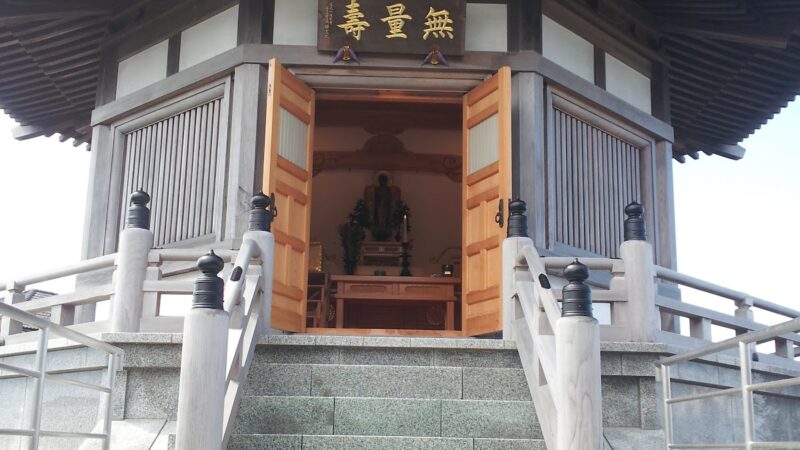
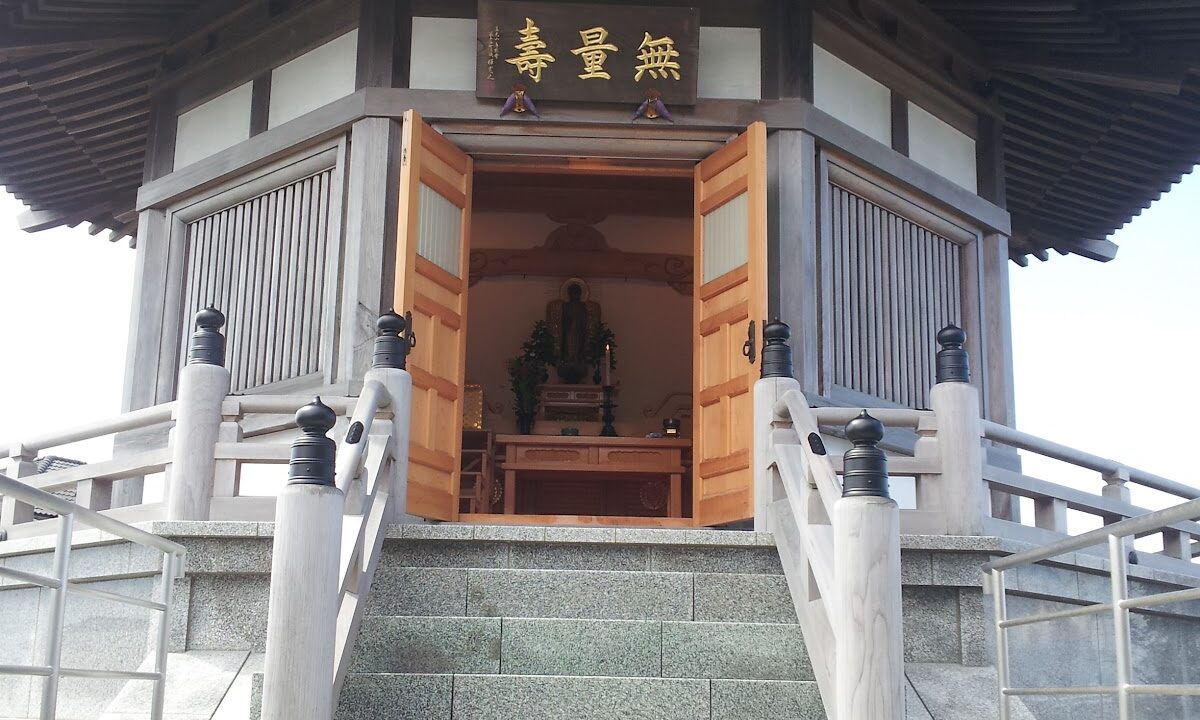
Sennoji Temple has a columbarium called “Sennoji Muryoju-do Hall,” where cremated remains are interred and perpetual memorial services are performed.
About the Columbarium
The Muryoju-do Hall is a columbarium named after “Muryoju-butsu,” another name for Amida Buddha. For those who do not have a grave or who live far away and find it difficult to manage a grave, the temple will responsibly manage the remains and continue memorial services.
Features of the Columbarium
- Perpetual Memorial Service by the Temple: For as long as Sennoji Temple exists, your remains will be carefully cared for.
- Option for a Communal Grave: In addition to individual burial spaces, a communal grave is also available.
- Easy Access: Conveniently located for easy access from Sendai city.
- Barrier-Free Access: A comfortable environment for visitors.
About Perpetual Memorial Service
Perpetual memorial service is a promise by the temple to continue caring for the deceased. It offers peace of mind for those without descendants or those who may not have a successor to their grave in the future.
Sennoji Temple guarantees eternal memorial service before Amida Buddha, based on the teachings of Jodo Shinshu Buddhism. Please contact Sennoji Temple directly for information on costs and contract details.
Comparison with Ocean Burial and Tree Burial
In recent years, alternative memorial methods such as ocean burial and tree burial have gained attention. Understanding the differences between these options and temple columbariums is crucial for choosing the best method for yourself and your family.
- Ocean Scattering: This method involves pulverizing the remains and scattering them in the sea. While based on the idea of returning to nature, it eliminates the need for a place to visit and pay respects.
- Tree Burial: This method involves burying the remains under a tree. Popular with nature-oriented individuals, but management systems vary depending on the facility.
- Temple Columbarium: This provides a place where the temple permanently manages and performs memorial services, allowing for visits at any time.
In Jodo Shinshu Buddhism, it is believed that the deceased become Buddhas in Amida Buddha’s Pure Land, so there is a relatively flexible approach to handling remains. However, it is also considered important for surviving family members to have a place of solace and remembrance.
About the Chief Priest, Ashikaga Motoyuki
The current chief priest of Sennoji Temple is Ashikaga Motoyuki. As a descendant of the Ashikaga family, who inherited the bloodline of the temple’s founder, Eikaku, we continue to explore the role of Buddhism in modern society while upholding the traditions of Sennoji Temple.
Activities of the Chief Priest
Chief Priest Ashikaga engages in a wide range of activities, including giving sermons and consultations to parishioners, interacting with the local community, and supporting disaster recovery efforts. He dedicates himself to conveying the spirit of “reliance on the power of others,” a teaching of Shinran Shonin, in easily understandable terms for modern times.
Characteristics of the Sermons
At Sennoji Temple’s Dharma services, the chief priest gives sermons. Avoiding difficult Buddhist terminology, he explains the teachings of Jodo Shinshu Buddhism in easy-to-understand language relevant to everyday life. The content is easy to understand even for those new to Buddhism, so please feel free to visit us.
Teachings of the Jodo Shinshu Honganji School and Sennoji Temple
This section introduces basic knowledge about the Jodo Shinshu Honganji School, to which Sennoji Temple belongs.
Shinran Shonin and Jodo Shinshu Buddhism
Jodo Shinshu is a Buddhist sect founded by Shinran Shonin (1173-1263), a monk of the Kamakura period. Shinran Shonin inherited the teachings of Pure Land Buddhism from his teacher, Honen Shonin, and further deepened them to establish his own unique teachings.
The Original Vow of Amida Buddha
The central teaching of Jodo Shinshu is the “original vow” of Amida Buddha. Amida Buddha made a vow to save all people, and attained Buddhahood upon the fulfillment of that vow. We believe in this original vow of Amida Buddha and, by chanting “Namu Amida Butsu,” we are certain to be reborn in the Pure Land.
The Meaning of “Salvation by Other Power”
The term “salvation by other power” is often misunderstood, but it originally means “being saved by the power of Amida Buddha’s original vow (other power).” This teaching emphasizes entrusting everything to the compassion of Amida Buddha, rather than achieving enlightenment through one’s own efforts.
Honganji School and Otani School
Jodo Shinshu Buddhism is broadly divided into the “Honganji School (Nishi Honganji)” and the “Otani School (Higashi Honganji).” Sennoji Temple belongs to the Honganji School, with Nishi Honganji Temple in Kyoto as its head temple.
The Great East Japan Earthquake and Sennoji Temple
The Great East Japan Earthquake, which occurred on March 11, 2011, caused immense damage to the Gamō district of Miyagino Ward, Sendai City, Miyagi Prefecture, where Sennoji Temple is located.
Damage from the Earthquake
The Gamō district is located on the coast of Sendai City and suffered catastrophic damage from the tsunami. Many houses were swept away, and many residents lost their lives. Sennoji Temple was also affected, but the main hall remained and served as a shelter and a base for reconstruction.
Efforts toward Reconstruction
Since the earthquake, Sennoji Temple has dedicated itself to the reconstruction of the region. Every year, we hold a joint memorial service for those who perished in the disaster, striving to appease the souls of those who lost their lives and to provide emotional support to those left behind.
Awareness of Disaster Prevention and Mitigation
To prevent the experience of the earthquake from fading from memory, Sennoji Temple also engages in activities to raise awareness of disaster prevention and mitigation. Together with the local community, we aim to create a disaster-resilient town.
Precautions when visiting Sennoji Temple
Manners for Visiting the Temple
When visiting the temple, please observe the following manners.
- Dress Code: There are no strict regulations, but clean and understated attire is preferred.
- Photography: Please obtain permission in advance before taking photographs inside the main hall.
- Mobile Phones: Please set your phone to silent mode and refrain from making calls inside the main hall.
- Offerings: While Jodo Shinshu Buddhism does not have the concept of “offerings,” donations are welcome as a token of appreciation.
Request for Advance Contact
If you plan to visit for consultations regarding funerals, memorial services, or interment, we recommend contacting us by phone in advance. The head priest may be absent, so prior contact is important to ensure you receive the necessary assistance.
Relationship with Surrounding Facilities
There are other temples, shrines, funeral homes, and crematoriums around Sennoji Temple. Those wishing to deepen their knowledge of end-of-life planning and funeral services in Sendai City may consider visiting these facilities as well.
End-of-Life Planning and the Role of Sennoji Temple
In recent years, the term “end-of-life planning” has become widely known. End-of-life planning involves preparing for the end of one’s life, including funeral arrangements, burial arrangements, inheritance, and estate settlement.
The Importance of Temples in End-of-Life Planning
When considering end-of-life planning, involvement with temples is extremely important. Sennoji Temple offers the following end-of-life support services:
- Pre-Death Consultation: You can consult about funerals and memorial services in advance.
- Advice on Creating an End-of-Life Notebook: Support for recording your wishes.
- Pre-Contract for Interment and Perpetual Memorial Service: It is possible to contract for a columbarium in advance.
- Grief Care for Bereaved Families: We provide support for those grieving the loss of a loved one.
Knowledge Regarding Inheritance and Estate Settlement
End-of-life planning involves not only Buddhist rituals but also practical aspects such as inheritance and estate settlement. Sennoji Temple can provide basic knowledge on these matters and introduce you to specialists.
How to Contact Sennoji Temple
You can contact Sennoji Temple using the following methods.
Inquiries by Phone
- Phone Number: 022-258-3088
- Reception Hours: 9:00 AM – 5:00 PM (Approximate. Please leave a message on the answering machine outside of these hours.)
Inquiries via Website
You can also inquire by email through Sennouji Temple’s official website (http://www5b.biglobe.ne.jp/~sennouji/).
Direct Visits
If you plan to visit in person, we recommend calling ahead. The head priest may be absent due to funeral services, etc.
Inquiries via Funeral Service Introduction Services
Information about Sennouji Temple is also listed on funeral service introduction services such as “Ii Sougi” and “Yasashii Ososhiki,” and a 24/7 consultation service is available. Calls and consultations are free, and professional staff will assist you.
Summary: The Role of Sennoji Temple in the Community
Sennoji Temple is a historic temple that has been passing down the teachings of Jodo Shinshu Buddhism for over 400 years since its founding in 1591. Located in Gamō, Miyagino-ku, Sendai City, Miyagi Prefecture, an area devastated by the Great East Japan Earthquake, it plays a vital role as a symbol of reconstruction and a spiritual anchor for the community.
The head priest, Reverend Kazuyuki Ashikaga, a descendant of the Ashikaga family, who traced their lineage back to the temple’s founder, Eikaku, strives to maintain tradition while also operating the temple in a way that is open to modern society. Through annual events and Dharma services, he conveys the teachings of Shinran Shonin, and through services such as funerals, memorial services, interment, and perpetual memorial services, he supports his followers through important life events.
The Jodo Shinshu Honganji-ha teaching of “Tariki Hongan” (reliance on the power of others) has the profound meaning of entrusting everything to the compassion of Amida Buddha. At Sennoji Temple, we convey these teachings in easy-to-understand language for modern times, providing a place for many people to encounter the Dharma.
In today’s world, where end-of-life planning is gaining attention, Sennoji Temple offers consultations on all aspects of the end of life, from pre-death planning to funerals, memorial services, and interment. Even with the emergence of new memorial methods such as scattering ashes at sea and tree burials, the peace of mind that comes from perpetual memorial services provided by a temple, and the value of having a place to visit at any time, remain unchanged.
Regarding access, it is easily accessible by public transport: approximately 10 minutes by taxi from Rikuzen-Takasago Station or Nakano-Sakae Station on the JR Senseki Line, and approximately 4 minutes on foot from the Nabenuma bus stop on the Sendai City Bus. Parking is also available, making it convenient for those arriving by private car.
Sennoji Temple is open to the local community, its members, and all those who wish to connect with Buddhism in the future. Please feel free to contact us with any questions regarding funerals, memorial services, end-of-life planning, or to learn about the teachings of Jodo Shinshu Buddhism. With the hope that the light of Amida Buddha’s compassion will reach all people, Sennoji Temple will continue its activities.