Complete Guide to Kikozan Jionji Temple (Miyagi Prefecture) | History, Goshuin (Temple Seal), and Access Information
Located in Miyagino Ward, Sendai City, Miyagi Prefecture, Kikozan Kanshoin Jionji Temple is a historic temple belonging to the Jodo sect. It is said to have been built approximately 400 years ago as the retirement temple of the high-ranking priest Kanrensha Shozan Shonin, to whom Date Masamune deeply revered. It is also known as the twelfth temple on the Sendai Thirty-Three Kannon Pilgrimage.
This article comprehensively introduces all the information you need to know before visiting Jionji Temple, including its detailed history, highlights within the temple grounds, goshuin information, and access methods.
Basic Information about Jionji Temple
Official Name: Kikozan Kanshoin Jionji Temple
Sect: Jodo-shu (Pure Land Buddhism)
Principal Image: Amida Buddha
Pilgrimage Site Principal Image: Sho Kannon Bodhisattva
Pilgrimage Site: Twelfth Temple of the Sendai Thirty-Three Kannon Pilgrimage
Address: 5-12-2 Tsutsujigaoka, Miyagino-ku, Sendai City, Miyagi Prefecture
Phone Number: 022-256-6061
Parking: Available (Several spaces on the temple grounds)
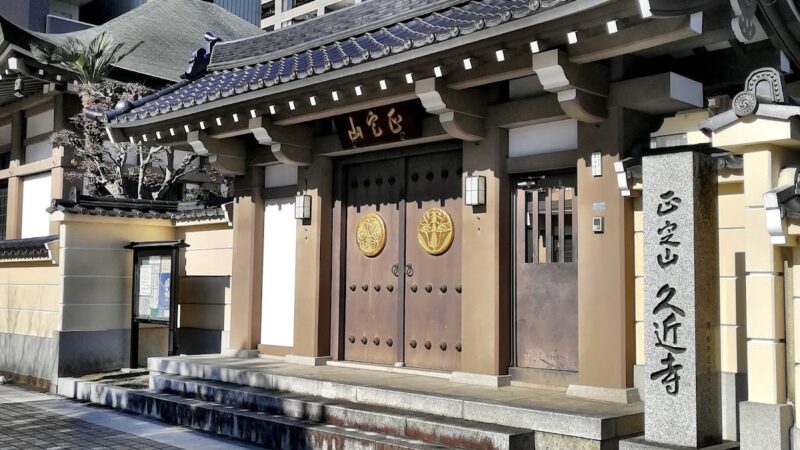
Jionji Temple is located on a corner lot along Miyagino Avenue, west of Tsutsujigaoka Tenmangu Shrine, facing a busy four-way intersection. It lacks a main gate and has a unique, open appearance, resembling a park.
History and Origins of Jionji Temple
Founding and the Abbot Kanrensha Shozan
Jionji Temple was founded approximately 400 years ago, in the early Edo period. This temple was founded as a retirement temple for the high-ranking priest Kanrensha Shōzan Shōnin, to whom Lord Date Masamune deeply revered.
Kanrensha Shōzan Shōnin is known as a high-ranking priest of the Jōdo sect and was a spiritual pillar for Date Masamune. Throughout his turbulent life as a Sengoku period warlord, Lord Masamune deeply revered Buddhism, particularly the teachings of the Jōdo sect, and sought peace of mind through his interactions with Shōzan Shōnin. Jionji Temple was built as a place for this priest to spend his later years.
Original Location and History of Relocation
Jionji Temple was originally located in Someshimachi, a dye shop district in the castle town of Sendai. As its name suggests, Someshimachi was an area where many dyers lived and was one of the commercial and industrial centers of Sendai.
However, in the Great Fire of Sendai in 1708, Jionji Temple’s buildings were completely destroyed. This great fire caused immense damage to the town of Sendai, destroying many temples, shrines, and private homes. Jionji Temple was no exception; not only were its buildings lost, but also valuable records and documents documenting the temple’s history.
After the fire, Jionji Temple was relocated to its current location in Tsutsujigaoka and rebuilt. However, it was not possible to recreate the magnificent temple buildings from before the fire, and it restarted as a temple with a simpler appearance. This is one reason why the current Jionji Temple lacks a main gate and has an appearance different from the typical image of a temple.
Changes and Reconstruction After the Meiji Era
With the arrival of the Meiji era, Jionji Temple faced a new challenge. From 1884 (Meiji 17) onwards, there was no resident priest for a staggering 114 years.
During this long period without a priest, the temple’s maintenance and management continued on a limited basis through the cooperation of parishioners and neighboring temples. However, religious activities were inevitably limited, and the temple’s functions significantly declined.
A turning point came in 1996. That year, a formal chief priest was finally appointed, and Jionji Temple began its full-scale restoration. With the arrival of a permanent chief priest for the first time in approximately a century, temple activities resumed, and relationships with parishioners were rebuilt.
Currently, Jionji Temple continues its community-based activities as a temple that transmits the teachings of the Jodo sect and as a pilgrimage site for the 33 Kannon temples of Sendai.
About the Jodo Sect
The Jodo sect, to which Jionji Temple belongs, is a Buddhist sect founded in the early Kamakura period by Honen Shonin.
Teachings of the Jodo Sect
The fundamental teaching of the Jodo sect is that by chanting Namu Amida Butsu, everyone can equally attain rebirth in the Pure Land through the power of Amida Buddha’s original vow.
Honen Shonin, in contrast to traditional Buddhism which required understanding complex scriptures and rigorous training, presented a more accessible path to salvation: “Simply chanting the Nembutsu (invocation of Amida Buddha) is enough to bring salvation.” This teaching offered great hope to people living through the turbulent times, particularly from the late Heian period to the Kamakura period, and spread rapidly.
Principal Image: Amida Buddha
The principal image of Jionji Temple, Amida Buddha, is considered the Buddha of the Western Pure Land, possessing immeasurable light and immeasurable life. Amida Buddha is said to have made 48 vows to save all sentient beings and fulfilled those vows.
In Jodo sect temples, Amida Buddha is enshrined as the principal image, and by chanting “Namu Amida Butsu,” one relies on Amida Buddha’s compassion and prays for rebirth in the Pure Land.
Sendai Thirty-Three Kannon Pilgrimage Site No. 12
Jionji Temple is the twelfth temple on the Sendai Thirty-Three Kannon Pilgrimage, and is a temple visited by many pilgrims.
What is the Sendai Thirty-Three Kannon Pilgrimage?
The Sendai Thirty-Three Kannon Pilgrimage is a pilgrimage route that visits 33 Kannon temples scattered throughout Sendai City and the surrounding areas. This pilgrimage, based on Kannon worship, is a traditional form of faith that has continued since the Edo period, and many believers and tourists still visit it today.
The number thirty-three originates from the teachings of the Lotus Sutra, which states that Kannon Bodhisattva transforms into 33 forms to save sentient beings. It is believed that by visiting all 33 temples, one can receive all the blessings of Kannon Bodhisattva.
Principal Image of the Pilgrimage Site: Holy Kannon Bodhisattva
The principal image of the pilgrimage site at Jionji Temple is Holy Kannon Bodhisattva. The Holy Kannon is considered the basic form of Kannon Bodhisattva and is generally depicted with one face and two arms.
Kannon Bodhisattva has been widely worshipped in Japan since ancient times as a compassionate bodhisattva who hears the cries of suffering sentient beings and relieves them from their suffering. Jionji Temple enshrines this Holy Kannon Bodhisattva as the principal image of the temple and welcomes pilgrims.
Temple Grounds and Highlights
Unique Appearance and Atmosphere
The first thing that surprises many visitors to Jionji Temple is its unique appearance. Unlike the typical image of a temple, it lacks a main gate and stands openly on a corner lot along Miyagino Avenue.
Despite being located at a busy four-way intersection, and being amidst the hustle and bustle of the city, stepping onto the temple grounds reveals a surprisingly tranquil atmosphere. Many visitors comment that it “looks like a park” or “doesn’t seem like a temple,” but this is due to its simple construction during reconstruction after the Great Hoei Fire and its historical background of a long period without a resident priest.
Main Hall
Jionji Temple’s main hall, though simple, maintains the dignity of a Jodo sect temple. Inside, the principal image, Amida Buddha, and the pilgrimage site’s principal image, the Holy Kannon Bodhisattva, are enshrined, allowing worshippers to quietly offer their prayers.
While the exterior of the main hall certainly lacks splendor, it embodies the Jodo sect’s spirit of “simplicity and sincerity.” This simple appearance reflects an emphasis on the essence of faith over ornamentation.
Temple Grounds Facilities
The temple grounds are equipped with basic facilities for worshippers, such as a water basin and incense burner. Information boards indicating its status as a pilgrimage site of the Sendai Thirty-Three Kannon Pilgrimage are also installed, creating an easily accessible environment for pilgrims.
While there are a few parking spaces on the temple grounds, it is located in a high-traffic area, so using public transportation is recommended.
About Goshuin (Temple Seals)
Jionji Temple offers Goshuin to visitors.
Types of Goshuin
Jionji Temple offers the following types of Goshuin:
- Regular Goshuin: Features the calligraphy of “Kikozan Jionji” and the temple’s seal.
- Sendai Thirty-Three Kannon Pilgrimage Goshuin: A Goshuin for the twelfth temple on the pilgrimage, featuring the characters for “Holy Kannon Bodhisattva.”
Goshuin are cherished as proof of worship and a record of pilgrimage. If you bring your Goshuincho (stamp book), you can have it written directly in it.
Goshuin Reception Hours and Notes
Goshuin are generally available during daytime hours, but may not be available when the head priest is absent. If you want to be sure to receive a Goshuin (temple stamp), we recommend calling ahead to confirm.
Also, since the Goshuin is proof of your visit, it is polite to always complete your prayers at the main hall first before receiving the stamp. The fee for the Goshuin is generally around 300 yen, but please offer what you feel is appropriate.
Access and Transportation Information
Public transportation is the most convenient way to access Jionji Temple.
Access by Train
Nearest Station: JR Senseki Line “Tsutsujigaoka Station”
- It is very easily accessible, about a 3-minute walk from Tsutsujigaoka Station.
- After exiting the station, head west; Jionji Temple is located at the corner of the intersection with Miyagino-dori Avenue.
It is also accessible from Sendai City Subway Tozai Line “Miyagino-dori Station” in about a 10-minute walk.
Access by Bus
If using Sendai City Buses, the nearest bus stops are “Tsutsujigaoka 5-chome” or “Tsutsujigaoka Tenmangu-mae”. It is a 1-2 minute walk from the bus stop. ### Access by Car
From Sendai Station: Approximately 5 minutes by car
From Tohoku Expressway Sendai-Miyagi IC: Approximately 15 minutes
Located along Miyagino Avenue, access by car is easy, but parking space is limited, so using public transportation is recommended.
Nearby Attractions
The following are some of the attractions near Jionji Temple:
- Tsutsujigaoka Tenmangu Shrine: A Tenmangu shrine located just east of Jionji Temple. It enshrines Sugawara no Michizane, the god of learning, and is bustling with many visitors during exam season.
- Tsutsujigaoka Park: A park known as a famous cherry blossom viewing spot in Sendai. Approximately 1,000 cherry trees bloom there in spring.
- Sendai Station Area: Sendai’s city center is within walking distance, offering shopping and dining options.
Visiting these spots in conjunction with a visit to Jionji Temple is highly recommended.
Manners and Etiquette for Visiting the Temple
When visiting Jionji Temple, please keep the following manners in mind:
Basic Visiting Etiquette
- Before Entering the Temple Grounds: Bow slightly before entering the grounds.
- Ritual for Washing Hands: Cleanse your hands and mouth at the water basin (hold the ladle in your right hand, cleanse your left hand, switch to your left hand and cleanse your right hand, then switch back to your right hand, receive water in your left hand, and rinse your mouth).
- Worship at the Main Hall:
- Quietly place your offering in the offering box.
- Join your hands in prayer and sincerely chant “Namu Amida Butsu” (Homage to Amida Buddha).
- Bow and leave.
Regarding Photography
Photography is generally permitted on the temple grounds, but photography inside the main hall and of Buddha statues may be prohibited. It is best to check before taking photos, or refrain from doing so if unsure.
Also, please be mindful of other visitors and take photos quietly.
Regarding Attire
There are no specific dress code requirements, but please dress in clean, appropriate attire for visiting the temple. It is advisable to avoid revealing or overly flashy clothing.
Annual Events at Jionji Temple
Jionji Temple, a Jodo sect temple, holds various memorial services and events throughout the year.
Main Annual Events
- New Year’s Day Ceremony (January 1st): A memorial service to welcome the New Year
- Spring Equinox Ceremony (7 days centered around the Spring Equinox): A memorial service for ancestors
- Flower Festival (April 8th): A memorial service celebrating the birth of Buddha
- Obon Memorial Service (August): A memorial service to welcome the spirits of ancestors
- Autumn Equinox Ceremony (7 days centered around the Autumn Equinox): A memorial service for ancestors
- Ten Nights Ceremony (November): One of the important Jodo sect memorial services
For detailed dates and participation information for these events, please contact the temple directly.
A Recommendation for the Sendai Thirty-Three Kannon Pilgrimage
If you’ve visited Jionji Temple, why not try the Sendai Thirty-Three Kannon Pilgrimage?
The Charm of the Pilgrimage
The Sendai Thirty-Three Kannon Pilgrimage offers the following attractions:
- Purification of the Mind: Visiting each temple allows you to escape the hustle and bustle of everyday life and find time to calm your mind.
- Exploring Sendai’s History: Each temple has its own unique history, allowing you to gain a deeper understanding of Sendai’s history.
- Improved Health: Walking the pilgrimage provides moderate exercise and contributes to maintaining good health.
- Sense of Accomplishment: The sense of accomplishment upon completing all 33 temples is exceptional.
How to Pilgrimage
The pilgrimage doesn’t necessarily have to be done in order. You can visit at your own pace and in any order that suits you. You can visit several places in a day, or take several months or even years to complete the pilgrimage slowly.
Bringing a Goshuincho (stamp book) and collecting stamps at each temple along the pilgrimage will create a lasting record of your journey and a cherished memory.
Frequently Asked Questions (FAQ)
Q1: Are there set visiting hours for Jionji Temple?
A1: While entry to the temple grounds is generally free, obtaining Goshuin stamps and consulting with the head priest are best done during daytime hours (generally 9:00 AM to 5:00 PM). However, the head priest may not always be present, so please call in advance to confirm if you require assistance.
Q2: Is there an entrance fee for Jionji Temple?
A2: There is no entrance fee. You are free to visit. However, offerings and Goshuin stamp fees are separate.
Q3: Is it accessible for wheelchair users?
A3: The temple grounds are relatively flat, and there is no main gate, making wheelchair access relatively easy. However, please note that there may be steps inside the main hall. For details, please inquire in advance.
Q4: Can funerals and memorial services be held at Jionji Temple?
A4: Yes, funerals and memorial services can be held at Jionji Temple. Even those who are not parishioners may be able to consult with us; please contact the temple directly for details.
Q5: Can I purchase a Goshuincho (stamp book) for the Sendai Thirty-Three Kannon Pilgrimage at Jionji Temple?
A5: Availability of the dedicated Goshuincho may vary depending on stock. We recommend checking by phone in advance. If you have a general Goshuincho, you can have it stamped.
Summary
Kikozan Jionji Temple has a history of approximately 400 years, associated with a high-ranking priest who was revered by Date Masamune. Having overcome difficulties such as being destroyed in the Great Hoei Fire and a long period without a head priest after the Meiji era, it continues to welcome many visitors as the twelfth temple of the Sendai Thirty-Three Kannon Pilgrimage.
With its unique exterior lacking a main gate, its simple yet heartfelt main hall, and the warm atmosphere based on the teachings of the Jodo sect, Jionji Temple offers visitors a sense of quiet peace.
Located near Sendai Station and easily accessible, Jionji Temple is a must-visit spot when sightseeing in Sendai. Visiting it along with Tsutsujigaoka Tenmangu Shrine and Tsutsujigaoka Park will allow you to enjoy a fulfilling tour of Sendai’s temples and shrines.
Why not offer a quiet visit while chanting “Namu Amida Butsu”?