Complete Guide to Shurinji Temple (Aoba Ward, Miyagi Prefecture) | History, Goshuin (Temple Seal), and the Charm of the Three-Faced, Six-Armed Daikokuten
Located in Kitayama, Aoba Ward, Sendai City, Miyagi Prefecture, Shurinji Temple is an ancient temple of the Soto Zen sect with a history of over 400 years. Its mountain name is Kidenzan, and it is known for enshrining Daikokuten, one of the Seven Lucky Gods of Oshu Sendai. Relocated to its current location as part of Date Masamune’s development of the Sendai castle town, this temple is a significant power spot that conveys the history and culture of Sendai to the present day, and is cherished by many visitors.
History and Origin of Shurinji Temple
Date Masamune and the Development of the Castle Town
Indispensable to understanding the history of Shurinji Temple is the development of the castle town by Date Masamune, the founder of the Sendai domain. In 1600 (Keicho 5), Masamune began construction of Sendai Castle, and for 36 years until his death in 1636 (Kanei 13), he developed the castle town. During this process, many temples were gathered in Sendai from various locations, and several temples were established in the Kitayama district.
Relocation from Matsumori to Kitayama
Shurinji Temple is said to have originally been an ancient temple located in what is now Matsumori, Izumi Ward. In 1641 (Kanei 18), based on Date Masamune’s castle town development plan, it was relocated to its current location in Kitayama 1-chome, Aoba Ward. This relocation meant that Shurinji Temple became part of the Kitayama district, which developed as a temple town in Sendai.
While the Kitayama district has a famous group of temples known as the “Kitayama Five Mountains,” Shurinji Temple is not included in this group. However, it is located in the same Kitayama area and has played an important role as a center of local faith.
A History as a Soto Zen Temple
Shurinji Temple, as a Soto Zen temple, has continued its religious activities based on the teachings of Zen. The Soto Zen sect emphasizes “Shikantaza,” that is, single-minded devotion to seated meditation, and Shurinji Temple has inherited this tradition. From the Edo period to the present day, it has been cherished as a family temple and place of worship for local residents.
The Seven Lucky Gods of Sendai and the Three-Faced, Six-Armed Daikokuten
The Oshu Sendai Seven Lucky Gods Pilgrimage
One of Shurinji Temple’s most distinctive features is that it enshrines Daikokuten, one of the Oshu Sendai Seven Lucky Gods. The Sendai Seven Lucky Gods Pilgrimage is a religious event that involves visiting seven temples and shrines in Sendai City, attracting worshippers throughout the year seeking blessings for good fortune, business prosperity, and family safety.
The Seven Lucky Gods consist of the following deities:
- Ebisu (Business Prosperity)
- Daikokuten (Abundant Harvest, Wealth)
- Bishamonten (Luck in Competition)
- Benzaiten (Arts, Learning)
- Fukurokuju (Longevity, Good Fortune)
- Jurōjin (Longevity)
- Hotei (Harmony, Happiness)
Among these, Daikokuten, enshrined at Shūrinji Temple, has long been revered as a god of fortune who brings abundant harvests and wealth.
A Rare Three-Faced, Six-Armed Daikokuten Statue
The Daikokuten statue at Shūrinji Temple has a very rare appearance: three faces and six arms. While Daikokuten is usually depicted with one face and two arms, the Daikokuten at Shūrinji Temple has three faces and six arms.
This three-faced, six-armed figure symbolizes the diverse powers and virtues of Daikokuten, and its imposing presence leaves a deep impression on worshippers. Each face has a different expression, and various ritual implements are held in its six arms, giving it an overwhelming presence.
Benefits of Daikokuten
Daikokuten was originally the Hindu god Mahakala, incorporated into Buddhism, and in Japan, he is particularly believed to bring the following benefits:
- Abundant Harvest: Prosperity in agriculture and abundant harvests
- Business Prosperity: Success in business and improved financial fortune
- Family Safety: Health and happiness of the family
- Good Fortune: Overall improvement in luck
The three-faced, six-armed Daikokuten at Shurinji Temple is believed to manifest these benefits even more powerfully, and it is especially crowded with worshippers during the New Year and on temple festivals.
Goshuin and Goshuincho Information
Goshuin of Shurinji Temple
Shurinji Temple offers goshuin (temple stamps) to visitors. Goshuin are cherished by many as proof of a visit to a temple and as a record of faith.
Shurinji Temple’s goshuin includes the following elements:
- Calligraphy of the temple name “Shurinji”
- Inscription of the mountain name “Kidenzan”
- Characters of “Daikokuten” (when visiting as part of the Sendai Seven Lucky Gods pilgrimage)
- Date of visit
- Temple’s seal
If visiting as part of the Sendai Seven Lucky Gods pilgrimage, you can receive a special goshuin featuring Daikokuten. The powerful calligraphy, each unique to the calligrapher, is one of the joys of collecting goshuin.
Goshuin Reception Hours and Location
Goshuin can be obtained at the temple office. The general reception hours are as follows:
- Opening Hours: 9:00 AM – 5:00 PM
- Goshuin (temple stamp) Reception: 9:00 AM – approximately 4:30 PM
*Please note that we may not be able to accommodate requests during memorial services or other events. If you wish to be sure to receive a Goshuin, we recommend calling ahead to confirm.
About Goshuincho (Stamp Books)
Shurinji Temple may offer original Goshuincho. A special Goshuincho for the Sendai Seven Lucky Gods pilgrimage is also available, which is convenient when visiting all seven gods. Bringing your own Goshuincho is also permitted.
When receiving a Goshuin (temple stamp), please observe the following etiquette:
- Complete your prayers first before receiving the Goshuin.
- Open your Goshuincho (stamp book) and hand it over (open to the page where you want the stamp written).
- Request the stamp using polite language.
- Prepare the offering fee (usually around 300-500 yen).
- Wait quietly while the stamp is being written.
Highlights of the Temple Grounds
Main Hall
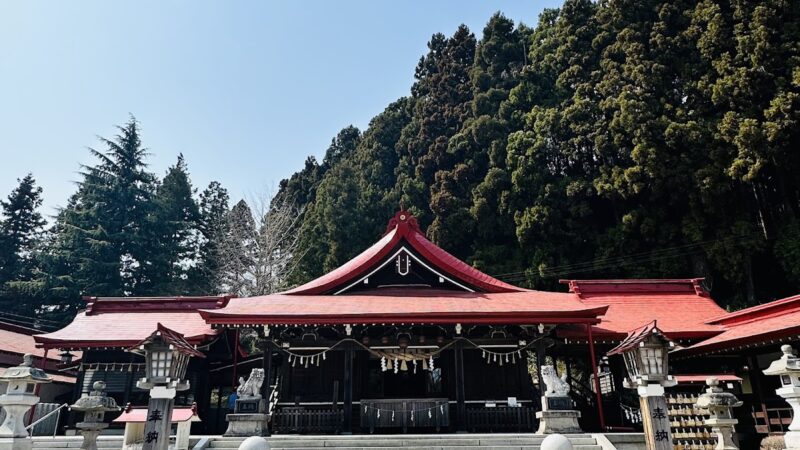
The main hall of Shurinji Temple is a magnificent building with the traditional architectural style of a Soto Zen temple. The principal image is enshrined inside, and daily services and religious ceremonies are held there. Visitors can join their hands in front of the main hall and offer prayers in quiet contemplation.
While the architecture of the main hall inherits the style of the Edo period, it has undergone restorations and renovations to suit the times, resulting in a harmonious blend of a dignified atmosphere that evokes a sense of history and clean, well-maintained modern management.
Daikokuten-do Hall
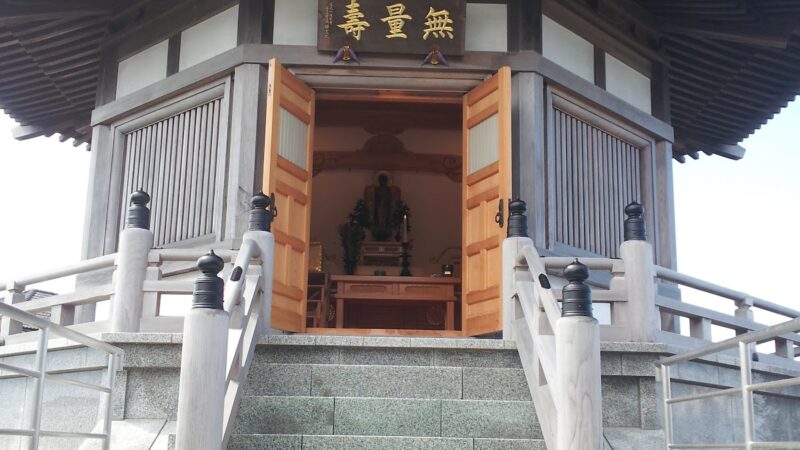
The Daikokuten-do Hall, dedicated to Daikokuten, one of the Seven Lucky Gods of Sendai, is a central spot for visitors to Shurinji Temple. The three-faced, six-armed statue of Daikokuten is usually housed in a shrine, but on special occasions it is unveiled, allowing visitors to admire its imposing form up close.
A donation box is placed in front of the Daikokuten-do Hall, where visitors offer prayers for a bountiful harvest and business prosperity. It is especially crowded with visitors during New Year’s and temple festivals.
Atmosphere of the Temple Grounds
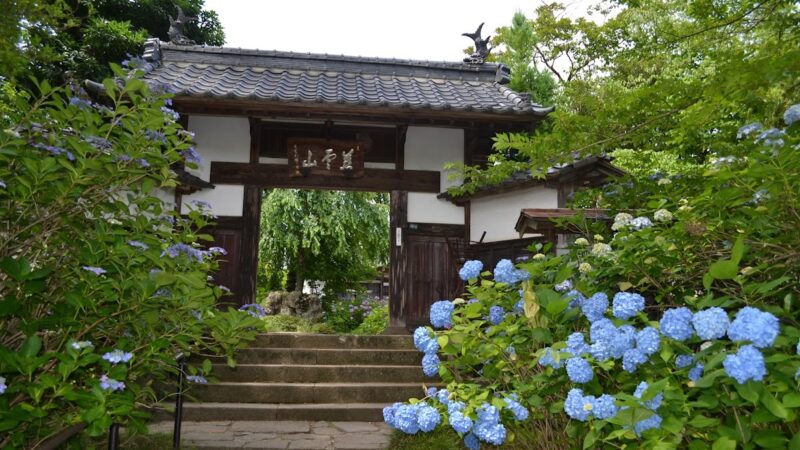
Despite being located in an urban area, the grounds of Shurinji Temple are enveloped in tranquility. The well-maintained grounds feature plantings that change with the seasons, allowing visitors to enjoy the beauty of each season: cherry blossoms in spring, fresh greenery in summer, autumn leaves in fall, and snowscapes in winter.
Stone lanterns and monuments are also placed throughout the grounds, creating a historical atmosphere. The charm of Shurinji Temple lies in its tranquil environment, allowing visitors to pray with a calm heart.
Shurinji Temple as a Power Spot
Shurinji Temple is also known as a power spot in Sendai. With over 400 years of history, the accumulated energy of faith, combined with the spiritual power emanating from the three-faced, six-armed Daikokuten (god of wealth), attracts many visitors praying for good fortune and the fulfillment of their wishes.
It is particularly popular among those with the following wishes:
- Business owners and entrepreneurs wishing for increased wealth and business prosperity
- People wishing for family safety and happiness
- People seeking good fortune and happiness
- People seeking inner peace
Many visitors say that praying in the temple’s serene atmosphere cleanses their hearts and gives them the strength to face each day with a renewed spirit.
Access and Basic Information
Location and Contact Information
Official Name: Kidenzan Shurinji Temple
Sect: Soto Zen
Address: 1-3-1 Kitayama, Aoba-ku, Sendai City, Miyagi Prefecture 981-0931
Phone Number: 022-234-3989
Opening Hours: 9:00 AM – 5:00 PM
Access by Train
The JR Senzan Line is the most convenient way to reach Shurinji Temple.
Nearest Station: JR Senzan Line “Kitayama Station”
Travel Time: Approximately 10-11 minutes on foot from Kitayama Station exit
Walking Route from Kitayama Station
- Exit Kitayama Station and head south.
- Head towards National Route 48 (Sendai West Road).
- Enter the area where the temples of Kitayama are located.
- Follow the signs to Shurinji Temple.
Since there are multiple temples in the Kitayama area, using a map app or map will help you arrive without getting lost.
Access by Car
The route for visiting by car is as follows:
Using the Expressway:
- Approximately 20 minutes from Tohoku Expressway “Sendai Miyagi IC”
- Approximately 15 minutes from central Sendai
Parking:
There is parking space on the temple grounds or nearby, but the number of spaces is limited. During busy periods such as long holidays and New Year’s, we recommend using public transportation. Please contact the temple in advance for details.
Access by Bus
You can also use Sendai City Buses. There are bus routes from Sendai Station towards Kitayama, and the temple is a few minutes’ walk from the nearest bus stop. Please check the Sendai City Transportation Bureau website for bus timetables and routes.
Nearby Attractions: Kitayama Temple Group
Kitayama Five Temples and Temple Town Culture
The Kitayama district, where Shurinji Temple is located, is known as Sendai’s representative temple town. During the development of the castle town by Date Masamune, many temples were gathered in this area, and it developed as a center of faith and culture, centered around the major temples known as the “Kitayama Five Temples.”
The Kitayama Five Temples include the following temples:
- Toshōji Temple
- Manshōji Temple
- Kakuhanji Temple
- Kōmyōji Temple
- Shifukuji Temple
When visiting Shurinji Temple, visiting these temples as well will allow you to gain a deeper understanding of Sendai’s history and culture.
A Stroll Around Kitayama
The Kitayama area is a charming neighborhood with historic temples scattered throughout a quiet residential area. While visiting temples, including Shurinji Temple, you can enjoy the following:
- Temple Tour: Walk around multiple temples and learn about their history and characteristics.
- Collecting Goshuin (Temple Stamps): Collect Goshuin stamps at each temple as souvenirs.
- Seasonal Scenery: Enjoy the beautiful scenery of each season, such as cherry blossoms in spring and autumn leaves.
- Quiet Stroll: Escape the hustle and bustle of the city and take a peaceful walk.
Tourist Spots in Sendai
In addition to visiting Shurinji Temple, you can also visit tourist spots in Sendai:
- Sendai Castle Ruins (Aoba Castle Site): The site of Sendai Castle built by Date Masamune.
- Zuihoden: The mausoleum of Date Masamune.
- Osaki Hachimangu Shrine: A magnificent shrine designated as a National Treasure.
- Sendai City Museum: A facility where you can learn about the history and culture of Sendai.
- Jozenji-dori: Sendai’s main street lined with beautiful zelkova trees.
Manners for Visiting Shurinji Temple
Basic Worship Etiquette
When visiting a temple, please observe the following basic manners:
- Bow at the Temple Gate: Bow at the temple gate before entering the grounds.
- Purification at the Water Basin: If there is a water basin, purify your hands and mouth.
- Be Quiet: Walk quietly on the temple grounds and do not speak loudly.
- Worship at the Main Hall: Join your hands in prayer in front of the main hall and pray quietly.
- Photography: Do not take pictures in areas where photography is prohibited, and do not use flash.
- Bow Upon Exit: Bow at the temple gate when leaving the temple grounds.
Etiquette at Buddhist Temples
Shurinji Temple is a Soto Zen Buddhist temple, so there are different etiquette rules than those at Shinto shrines:
- Gassho: Join both hands in front of your chest (do not clap your hands).
- A Bow: Bow deeply to show respect.
- Heartfelt Prayer: Quietly recite prayers or wishes in your heart.
Clothing and Belongings
There are no specific dress code requirements, but please note the following:
- Clean and understated clothing is preferred.
- Avoid revealing clothing.
- Remove hats and sunglasses inside the main hall.
- If you wish to receive a Goshuin (temple stamp), please bring your Goshuincho (stamp book) and offering.
Annual Events and Special Viewings
New Year’s Visit
Shurinji Temple welcomes visitors for their first shrine visit of the year during the first three days of the New Year. It is bustling with people praying to Daikokuten, one of the Seven Lucky Gods of Sendai, for good fortune and prosperity in the new year. The temple is often open for longer hours than usual during the New Year period, but it is recommended to check the details in advance.
Sendai Seven Lucky Gods Pilgrimage
The Sendai Seven Lucky Gods pilgrimage can be done throughout the year, but it is especially popular during the New Year period. While it’s possible to visit all seven temples and shrines in one day, taking your time to explore them is also recommended. Shurinji Temple is an important stop on the Seven Lucky Gods pilgrimage and welcomes many pilgrims.
Other Events
As a Soto Zen temple, Shurinji Temple holds the following events:
- Spring and Autumn Equinox Services: Memorial services for ancestors
- Obon Segaki Service: Memorial services for ancestors and those without relatives
- Various Memorial Services: Monthly memorial services, annual memorial services, etc.
Some events are open to general visitors, so please inquire at the temple if you are interested.
Pet Memorial Services
Shurinji Temple also offers pet memorial services. For pet owners who wish to hold a memorial service for their beloved pet, a cherished member of their family, we offer the following services:
Pet Memorial Service Details
- Perpetual Memorial Service: Perpetual memorial service for your pet’s remains
- Memorial Plate: Installation of a plate engraved with your pet’s name
- Memorial Service Fee: 51,000 yen (includes perpetual memorial service and memorial plate) *Prices are subject to change
The Significance of Pet Memorial Services
In Buddhist teachings, all life is considered precious. Holding a memorial service for a pet who has been a part of your family for many years, expressing gratitude, can bring healing to the owner’s heart. At Shurinji Temple, we conduct memorial services with care and respect, taking into account the feelings of pet owners.
If you wish to hold a pet memorial service, we recommend contacting us by phone in advance for consultation and reservation.
Summary of the Charms of Shurinji Temple
Shurinji Temple, a historic Soto Zen Buddhist temple located in Kitayama, Aoba-ku, Sendai City, possesses a variety of attractions, including:
Historical Value
- Preserves the history of the development of Sendai Castle town by Date Masamune
- An ancient temple with over 400 years of history
- An important temple playing a part in the Kitayama temple town culture
Center of Faith
- Enshrines Daikokuten, one of the Seven Lucky Gods of Oshu Sendai
- A rare Daikokuten statue with three faces and six arms
- Benefits of abundant harvests and business prosperity
- Popular as a power spot
Enjoyment of Visiting
- Receiving Goshuin (temple stamps) and Goshuincho (stamp books)
- Healing of the mind in the tranquil temple grounds
- Beautiful scenery throughout the seasons
- A free place to visit
Accessibility
- Approximately 10 minutes on foot from Kitayama Station on the JR Senzan Line
- Approximately 15 minutes by car from central Sendai
- Several temples are located in the surrounding area, making it ideal for temple hopping.
Connections to the Community
- Beloved as the family temple of local residents
- Caters to modern needs such as pet memorial services
- Holds events and memorial services throughout the year
Things to Check Before Visiting
To ensure a smooth visit to Shurinji Temple, please check the following points:
Recommended Pre-Visit Checks
- Opening Hours: Generally 9:00 AM to 5:00 PM, but subject to change due to events, etc.
- Goshuin (Temple Stamp) Availability: May not be available during memorial services or events
- Parking: Limited parking spaces; public transportation is recommended during busy times
- Special Viewings: Gather information in advance if there are special viewings of the Daikokuten statue, etc.
Contact Information
Phone Number: 022-234-3989
If you have any questions or need clarification, we recommend contacting the temple directly by phone. They will provide courteous assistance.
Recommended Time to Visit
- New Year’s: Bustling with New Year’s visits and pilgrimages to the Seven Lucky Gods of Sendai
- Spring (April): Cherry blossom season; the temple grounds and surrounding areas are beautiful
- Autumn (October-November): Beautiful autumn foliage, perfect for a stroll
- Weekday Mornings: For those who want to visit quietly and at their own pace
Summary: Experience History and Faith at Shurinji Temple
Shurinji Temple, located in Kitayama, Aoba-ku, Sendai City, Miyagi Prefecture, is an ancient Soto Zen temple that has supported local faith for over 400 years. It conveys the history of the castle town development by Date Masamune and is a temple that enshrines Daikokuten, one of the Seven Lucky Gods of Oshu Sendai, with three faces and six arms, and is beloved by many visitors.
The temple grounds, enveloped in silence, are a power spot that allows you to forget the hustle and bustle of the city, and are the perfect place to calm your mind and offer prayers. You can receive a Goshuin (temple stamp) here, and it’s also a fun part of visiting as part of the Sendai Seven Lucky Gods pilgrimage.
Its convenient location, about a 10-minute walk from Kitayama Station, is another attractive feature. Visiting it along with the surrounding Kitayama temples allows you to gain a deeper understanding of Sendai’s history and culture. Be sure to visit Shurinji Temple, which shows different faces in each season, such as during the New Year’s pilgrimage, the cherry blossoms in spring, and the autumn leaves.
For those praying for a bountiful harvest, business prosperity, family safety, and good fortune, the Daikokuten (god of wealth) at Shurinji Temple is a comforting presence. The time spent quietly praying while feeling the history will surely bring new vitality to your daily life. When you visit Sendai, be sure to visit Shurinji Temple and experience its charm.