Zuihoji Temple (Miyagi Prefecture) Complete Guide | History, Highlights, and Access Information for the Date Family’s Family Temple
About Zuihoji Temple
Zuihoji Temple is a Rinzai sect Myoshinji school Buddhist temple located in Otamaya-shita, Aoba-ku, Sendai City, Miyagi Prefecture. Its mountain name is Shosozan, and its temple name is Zuihoji. It is known as a prestigious temple that has served as the family temple of the Date family of the Sendai Domain since the early Edo period.
Located at the foot of Kyogamine, southeast of central Sendai, it, along with Zuihoden, the mausoleum of Date Masamune, is an important historical site associated with the Date family, attracting many worshippers and tourists.
Basic Information about Zuihoji Temple
- Official Name: Shosozan Zuihoji Temple
- Sect: Rinzai Zen Myoshinji School
- Principal Image: Shakyamuni Triad (Transferred from Motsuji Temple in Hiraizumi)
- Founder: Seigaku Soi
- Founder: Date Tadamune (2nd Lord of the Sendai Domain)
- Established: Kan’ei 14 (1637)
- Location: 23-5 Otamaya-shita, Aoba-ku, Sendai City, Miyagi Prefecture
History of Zuihoji Temple
Circumstances of Establishment
The establishment of Zuihoji Temple is deeply connected to the death of Date Masamune, the founder of the Sendai Domain. On May 24, Kan’ei 13 (1636), Date Masamune, who ended his 70-year life in Edo, was to be buried at Kyogamine according to his will.
In the following year, Kan’ei 14 (1637), Date Tadamune, the second lord of the Sendai Domain, carried out his father Masamune’s wishes and constructed the magnificent mausoleum “Zuihoden” on Kyogamine. Zuihoji Temple was founded at the same time as the Kogein (a temple dedicated to the memorial services) for Zuihoden.
A Kogein is a temple established to manage and perform memorial services for mausoleums and graves. Zuihoji Temple was established to mourn the passing of Date Masamune and to protect Zuihoden.
Role as the Date Family’s Family Temple
From its founding, Zuihoji Temple functioned as the Date family’s family temple, and memorial services were held not only for Masamune, but also for successive lords, including the second lord Tadamune and the third lord Tsunamune. At Kyōgamine, in addition to Masamune’s Zuihōden, Tadamune’s Kansenden and Tsunamune’s Zennōden were also built, and Zuihōji Temple became the central temple managing all of these mausoleums.
Throughout the Edo period, under the patronage of the Sendai domain, the temple flourished, becoming a place where many monks dedicated themselves to their training and an important religious facility where memorial services for the Date family were held.
Changes after the Meiji Restoration
After the Meiji Restoration, Zuihōji Temple also underwent a major transformation due to the effects of the anti-Buddhist movement and the abolition of the feudal system. Although it lost the patronage of the Date family, its activities as a temple continued, and it survived as a place of worship for the region.
During the Sendai air raid on July 10, 1945, the mausoleums, including Zuihōden, were destroyed by fire, but the temple buildings of Zuihōji Temple escaped the war damage and have preserved their Edo period appearance to this day. After the war, Zuihoden was rebuilt in 1979, and Zuihoji Temple once again fulfilled its role in managing the mausoleum and performing memorial services.
Highlights of Zuihoji Temple
Main Gate
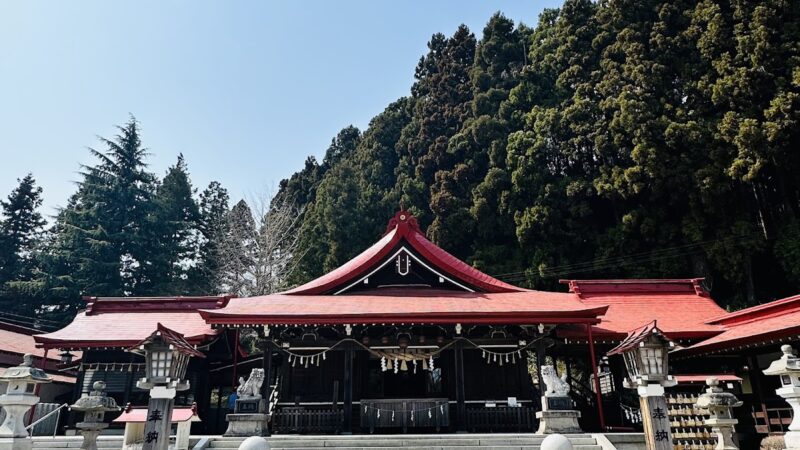
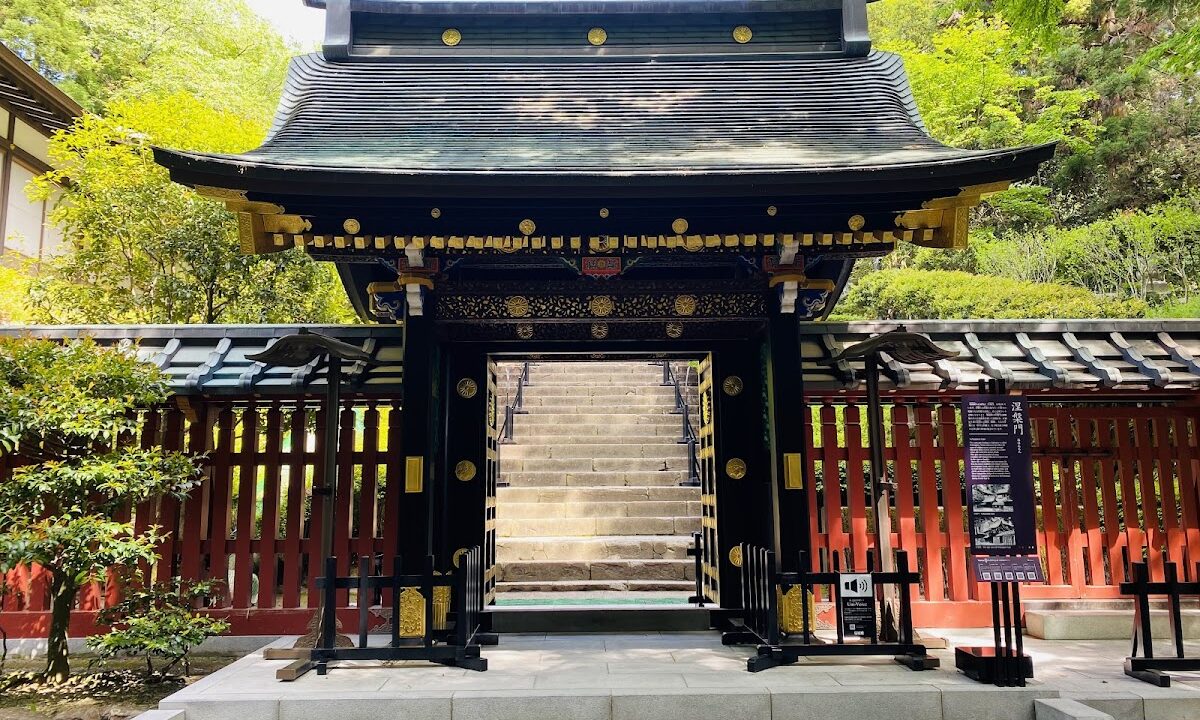
The main gate at the entrance of Zuihoji Temple is simple yet dignified, exuding a Zen atmosphere characteristic of Rinzai Zen temples. Passing through the gate, one is enveloped in silence, transported to a different world away from the hustle and bustle of the city.
The plaque above the gate bears the characters “Shosozan,” indicating that the temple’s name is derived from the posthumous Buddhist name of Date Masamune, “Zuiganji-dono Teizan Zenri Daikoji.”
Main Hall
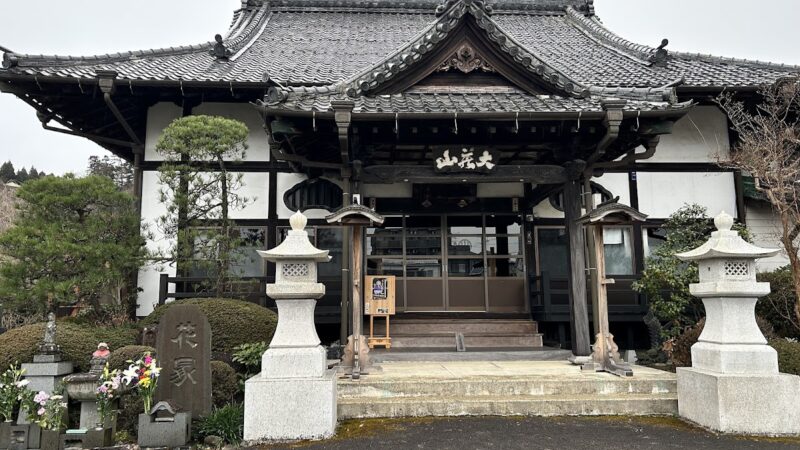
The main hall of Zuihoji Temple is a valuable building that preserves the architectural style of the early Edo period. Its simple yet robust construction is characteristic of Zen temples, and a sense of dignity can be felt even amidst the restrained ornamentation.
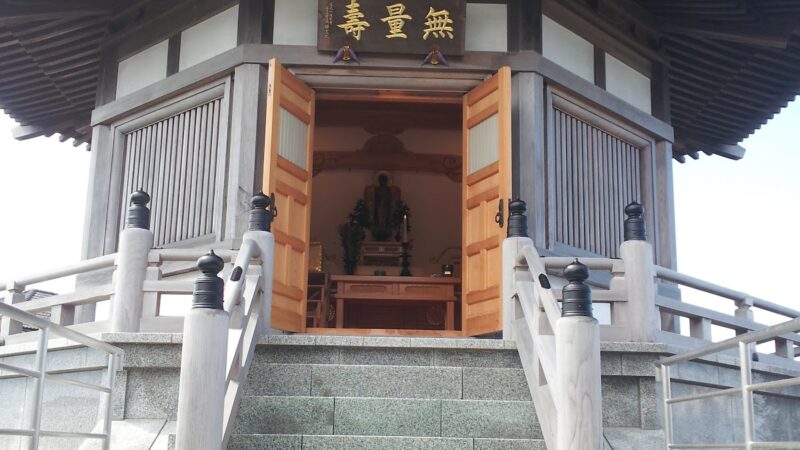
The main hall houses the principal image, a statue of the Shakyamuni Triad. This statue is said to have been moved from Mōtsūji Temple, a renowned temple in Hiraizumi, and is a valuable cultural asset that conveys the Buddhist culture of the Heian period. Mōtsūji Temple is associated with the Fujiwara clan, and the origin of this principal image demonstrates an important connection in the history of Buddhism in the Tohoku region.
Various Buddhist services are held in the main hall throughout the year, and many worshippers visit, especially during services related to the Date family, the spring and autumn equinoxes, and Obon.
Atmosphere of the Temple Grounds
The grounds of Zuihōji Temple are a tranquil space surrounded by the nature of Kyōgamine. Hundreds of years old cedar and pine trees cover the grounds, allowing visitors to enjoy the beauty of nature in every season.
In spring, cherry blossoms bloom; in summer, the deep green provides coolness; and in autumn, the autumn leaves color the grounds. In winter, the snow-covered temple grounds exude a solemn atmosphere, showcasing different facets throughout the year.
Within the grounds, moss-covered stone lanterns and a water basin evoke the history of the temple, which dates back to the Edo period. Located at the entrance to the path leading to Zuihoden, it attracts many tourists, yet maintains a tranquil atmosphere far removed from the hustle and bustle.
Relationship with Zuihoden
When visiting Zuihoji Temple, it is highly recommended to also visit Zuihoden. Approximately 5 minutes’ climb up the stone steps from Zuihoji Temple, on the mountainside of Kyogamine, lies Zuihoden, the mausoleum of Date Masamune.
Zuihoden is a magnificent mausoleum architecture that embodies the essence of Momoyama culture. The building, with its black lacquer finish and vividly colored carvings, is truly breathtaking. Rebuilt in 1979, it faithfully restores the original structure based on archaeological excavations, conveying Date Masamune’s aesthetic sense and authority to this day.
While Zuihoji Temple is a tranquil Zen temple, Zuihoden Hall embodies the vibrant Momoyama culture, and this contrast makes for a fascinating experience. Visiting both will allow you to gain a deeper understanding of the multifaceted nature of Date Masamune and the richness of early Edo period culture.
Access to Zuihoji Temple
Access by Public Transportation
Using the Loople Sendai Bus (Most Recommended)
The most convenient way to get around Sendai is to use the Loople Sendai bus, a convenient loop bus for sightseeing within the city.
- Take the “Loople Sendai” bus from bus stop #16 at the west exit bus terminal of JR Sendai Station.
- Get off at the “Zuihoden-mae” bus stop (approximately 15 minutes).
- Zuihoji Temple is approximately a 5-minute walk from the bus stop.
- Fare: Adults 260 yen, Children 130 yen (single ride)
- One-day pass: Adults 630 yen, Children 320 yen (better value if you plan to visit major tourist spots in Sendai).
- Operating frequency: Every 20 minutes on weekdays, every 15 minutes on weekends and holidays.
- Operating hours: 9:00 AM – 4:00 PM (may vary depending on the season)
Using Sendai City Buses
Sendai City buses are also available from Sendai Station.
- Take a bus bound for “Otamayabashi/Animal Park” from the Sendai Station Bus Stop.
- Get off at the “Otamayabashi” bus stop or the “Zuihoden Entrance” bus stop.
- Approximately 7-10 minutes on foot from the bus stop.
By Subway
You can also use the Sendai City Subway Tozai Line.
- Get off at “Omachi Nishikoen” Station.
- Approximately 15-20 minutes on foot from the station to Zuihoji Temple.
This is a walking route, suitable for those with good weather or who enjoy strolling. You can enjoy the scenery along Aobayama Park and the Hirose River while walking.
Access by Car
By Expressway
- Approximately 15 minutes from Tohoku Expressway “Miyagi IC”
- Approximately 20 minutes from Tohoku Expressway “Sendai Miyagi IC”
- Approximately 20 minutes from Sendai Minami IC
It is approximately 10 minutes by car from the center of Sendai City.
Parking Information
Zuihoji Temple does not have its own large parking lot, but you can use the paid parking lot at Zuihoden Hall.
- Zuihoden Hall Parking: Accommodates approximately 30 regular cars
- Parking Fee: Paid (Please check on-site for details)
- Opening Hours: 9:00 AM – 4:30 PM (May vary depending on the season)
During peak tourist seasons and weekends, it can get crowded, so we recommend using public transportation.
Estimated Time Required
- Visiting Zuihoji Temple Only: 20-30 minutes
- Visiting Zuihoji Temple + Zuihoden Hall: 60-90 minutes
- Visiting Zuihoji Temple + Zuihoden Hall + Museum: 90-120 minutes
Nearby Tourist Attractions
Zuihoden Hall (Must-See)
As mentioned above, Zuihoden Hall, the mausoleum of Date Masamune, is a must-see spot to visit in conjunction with Zuihoji Temple. The magnificent architecture, a culmination of Momoyama culture, is a must-see, and its beauty will impress even those who aren’t fans of Date Masamune.
- Admission Fee: Adults 570 yen, High school students 410 yen, Elementary and junior high school students 210 yen
- Opening Hours: 9:00 AM – 4:30 PM (until 4:00 PM from December to January)
- Closed: December 31st
Kansenden and Zen’oden
Near Zuihoden are the mausoleums of the second lord, Date Tadamune, “Kansenden,” and the third lord, Date Tsunamune, “Zen’oden.” Like Zuihoden, these are beautiful Momoyama-style buildings, and it’s a rare place where you can pay your respects to the mausoleums of three generations of the Date family at once.
Sendai Castle Ruins (Aoba Castle Site)
Located about 10 minutes by car from Zuihoji Temple and about 15 minutes by Loople Sendai bus, the Sendai Castle Ruins are the site of the castle built by Date Masamune for the Sendai Domain. From the main keep, where a statue of Date Masamune on horseback stands, a spectacular panoramic view of Sendai city unfolds.
Osaki Hachimangu Shrine
This shrine, built by Date Masamune, boasts a national treasure shrine building and is known as a representative example of Momoyama culture architecture. Along with Zuihoden, it’s an ideal stop on a tour of architecture associated with Date Masamune.
Sendai City Museum
This museum houses numerous cultural artifacts related to the Date family, including Date Masamune’s armor, letters, and historical materials of the Sendai Domain. A visit after visiting Zuihoji Temple and Zuihoden will further deepen your understanding of the Date family’s history.
Manners and Precautions for Visiting the Temple
Manners for Visiting the Temple
Zuihoji Temple is a temple where religious activities are still conducted. Please observe the following manners when visiting.
- Bow at the Temple Gate: Bow before entering through the temple gate.
- Be Quiet: Be quiet on the temple grounds and refrain from loud conversations.
- Photography: Refrain from taking photographs inside the main hall, or obtain permission before doing so.
- Dress Code: There are no specific regulations, but please avoid revealing clothing and dress appropriately.
Precautions When Visiting
- Stairs and Slopes: There are stone steps leading to Zuihoden, which require climbing and descending. We recommend wearing comfortable walking shoes.
- Seasonal Precautions: In summer, take precautions against insects such as mosquitoes; in winter, take precautions against the cold.
- Estimated Time Required: If visiting Zuihoden together, plan to allow at least 1.5 hours.
- Visiting Hours: While Zuihoden has specific visiting hours, Zuihoji Temple itself is generally open for worship at any time during the day.
Annual Events at Zuihoji Temple
Spring Memorial Service
A memorial service for ancestors is held during the spring equinox. Also, during cherry blossom season, the temple grounds are beautiful with cherry blossoms, and it is known as a quiet spot for cherry blossom viewing.
Memorial Service for Date Masamune
A special memorial service is held on May 24th, the anniversary of Date Masamune’s death. Those connected to the Date family and related parties gather to remember the virtues of Lord Masamune.
Autumn Memorial Service
A memorial service is also held during the autumn equinox, and combined with the beautiful autumn foliage, it attracts many visitors.
The Significance of Visiting Zuihoji Temple
Zuihoji Temple is not merely a tourist spot; it is a living place of faith, the family temple of the Date clan with a history of nearly 400 years. In contrast to the ornate Zuihoden, the tranquil and austere atmosphere of this Zen temple offers a glimpse into another side of Date Masamune.
Date Masamune, who survived the turbulent Sengoku period and laid the foundation for the 620,000-koku Sendai Domain, embodied his political acumen, cultural refinement, and deep devotion to Buddhism in the two distinct architectural styles of Zuihoji Temple and Zuihoden.
When you visit Sendai, be sure to stop by Zuihoji Temple and reflect on history in its serene grounds. In the tranquil forest of Kyogamine, far from the hustle and bustle, spending time reflecting on the era of Date Masamune 400 years ago will surely be a memorable experience.
Summary
Zuihoji Temple is a Rinzai Zen temple of the Myoshinji school located in Aoba Ward, Sendai City, Miyagi Prefecture. It was founded in 1637 as the incense and flower hall for Zuihoden, the mausoleum of Date Masamune. With a history of nearly 400 years as the Date family’s ancestral temple, it continues to function as a place of worship.
Visiting Zuihoden together allows you to experience the contrasting charms of the splendor of Momoyama culture and the serenity of a Zen temple, deepening your understanding of Date Masamune. Easily accessible from Sendai Station in about 15 minutes by the “Loople Sendai” bus, it is an important spot for Sendai sightseeing that we hope many people will visit.
Spending time reflecting on history in the quiet temple grounds, and feeling the glory and history of faith of the Date family, will surely make your trip to Sendai special.