Complete Guide to Naritasan Kyogamine Kokubunji Temple (Miyagi Prefecture) | History, Highlights, and Access Information
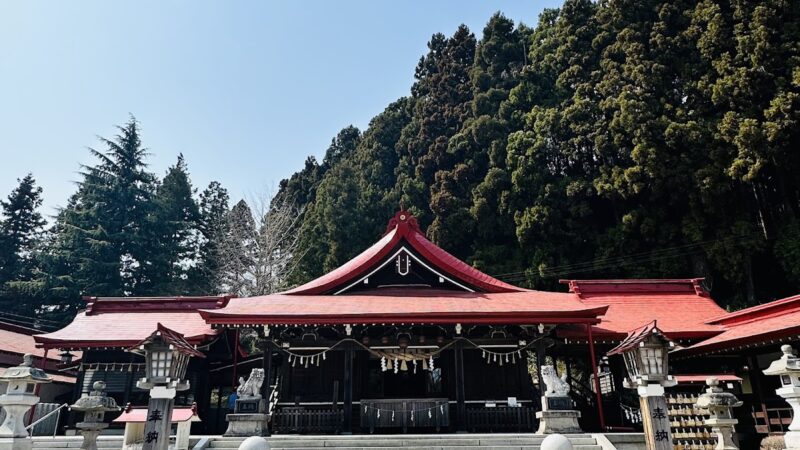
Naritasan Kyogamine Kokubunji Temple is a Shingon-shu Chizan-ha temple located in Aramaki, Aoba-ku, Sendai City, Miyagi Prefecture. Although relatively new, having been founded in 1982 (Showa 57) as a Sendai branch temple of the head temple Naritasan Shinshoji Temple in Chiba Prefecture, it has become a popular new landmark in Sendai, attracting many worshippers and tourists.
This article comprehensively covers information you should know before visiting Naritasan Kyogamine Kokubunji Temple, including its historical background, main highlights, detailed access methods, and surrounding tourist spots.
What is Naritasan Kyogamine Kokubunji Temple?
Naritasan Kyogamine Kokubunji Temple is an important branch temple in the Tohoku region of Naritasan Shinshoji Temple, which is widely revered in the Kanto region. The temple’s name, “Kyōgamine,” originates from the region’s topography and history, while the name “Kokubunji” (国文寺) was given to commemorate the Kokubun clan, who once ruled the Sendai region.
Background and History of Founding
At the time of its founding in 1982, there was a shortage of temples in Sendai City that could serve as centers for the Naritasan faith. Therefore, as part of Naritasan Shinshōji Temple’s missionary activities, it was decided to establish a branch temple in Sendai, the central city of the Tohoku region.
The Kokubun clan was a powerful family that held influence in Mutsu Province (present-day Miyagi Prefecture) from the Heian period to the Kamakura period, ruling this region before the Date clan came to govern Sendai. Naritasan Kyōgamine Kokubunji Temple also plays a role in commemorating these historical figures and families, making it a temple deeply intertwined with the region’s history.
Temple Features
The most distinctive feature of Naritasan Kyōgamine Kokubunji Temple is that, in addition to its traditional temple functions, it also houses cultural facilities such as an art museum and samurai residences. As a result, it functions not only as a place of worship but also as a multi-purpose facility where one can learn about history and culture.
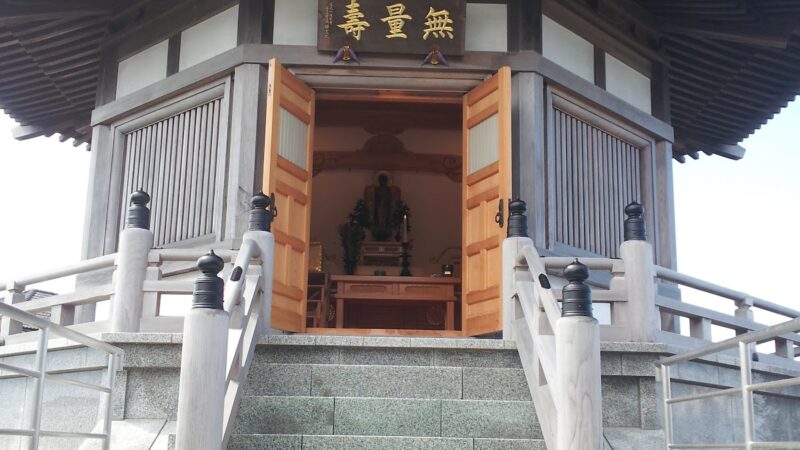
The principal deity is Fudo Myoo, and like Naritasan Shinshoji Temple, it is a center of Fudo worship. It accepts various prayers, such as Goma prayers and prayers for traffic safety, and plays an important role as a center of faith for local residents.
Highlights of Naritasan Kyogamine Kokubunji Temple
Giant Fudo Myoo Statue
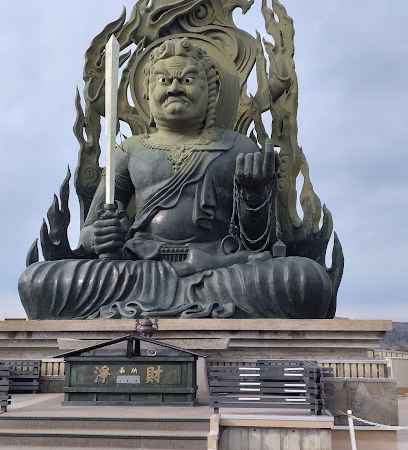
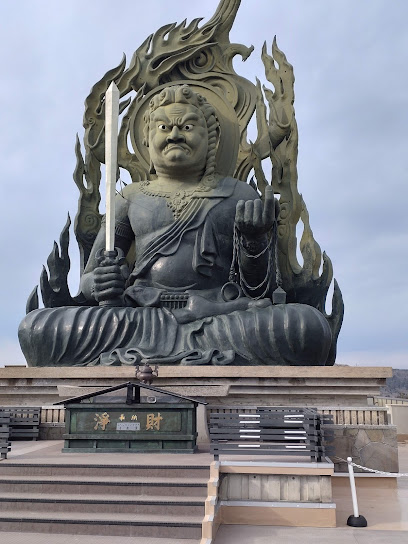
The most impressive thing when visiting Naritasan Kyogamine Kokubunji Temple is the giant Fudo Myoo statue enshrined on the rooftop observation deck. This statue is so large that it can be seen from afar, and it is located on a hill overlooking Sendai city.
Fudo Myoo is an important deity in Shingon Esoteric Buddhism, believed to have the power to sever worldly desires and save all sentient beings. This giant statue leaves a strong impression on visitors and is popular not only as an object of worship but also as a photo spot.
Treasure Hall
Inside the temple office is a treasure hall displaying Buddhist art and historical materials. Through exhibits related to Naritasan Shinshoji Temple and local history, visitors can learn about the cultural background of Sendai.
The treasure hall displays a diverse collection of Buddhist statues, paintings, calligraphy, and crafts, making it a valuable learning space for those interested in Buddhist art.
Car Prayer Area
A car prayer area is located in the spacious parking lot, attracting many people praying for traffic safety. It’s used as a place to pray for safety after purchasing a car or before a long drive.
Naritasan has long been known as a place for praying for traffic safety, and many worshippers visit Kyogamine Kokubunji Temple seeking similar blessings.
Rooftop Observation Deck
The rooftop of the temple office is open as an observation deck, offering a spectacular panoramic view of Sendai city. On clear days, you can enjoy panoramic views of the city and even distant mountains, appreciating the scenery of each season.
Especially during the cherry blossom season in spring and the autumn foliage season, you can savor a magnificent view where the beautiful natural scenery and the cityscape harmonize.
Samurai Residence
Within the grounds, a samurai residence has been recreated, offering a glimpse into the lifestyle of samurai during the Edo period. Through its architectural style, interior furnishings, and exhibits, it is a valuable facility where you can learn about the history of the Sendai Domain and samurai culture.
Basic Information and Access to Naritasan Kyogamine Kokubunji Temple
Basic Information
Official Name: Naritasan Kyogamine Kokubunji Temple
Address: 33-2 Aoba, Aramaki, Aoba-ku, Sendai City, Miyagi Prefecture 981-0945 (Some sources list 980-0845, but the correct address is 981-0945)
Phone Number: 022-225-8640
Visiting Hours: 9:00 AM – 5:00 PM (Some sources state 9:30 AM – 5:00 PM; it is recommended to confirm before visiting)
Closed Days:
- April – September: Closed Tuesdays and Wednesdays
- October – March: Closed Tuesdays
Admission Fee: Generally free (Some facilities, such as the Treasure Hall, may have a fee)
Parking: Large parking lot available (free)
Year of Establishment: 1982 (Showa 57)
Sect: Shingon-shu Chizan-ha
Principal Deity: Fudo Myoo
Access Method
Access by Public Transportation
By Bus from Sendai Station:
- Approximately 25 minutes by bus from Sendai Station, approximately 2 minutes on foot from the nearest bus stop
- Take a Sendai City Bus bound for “Aramaki Aoba”
- After getting off at the nearest bus stop, follow the signs and walk to the temple.
If using public transportation, it is recommended to check the bus schedule in advance. Bus schedules may change, especially on holidays and during certain seasons.
Access by Car
Using the Expressway:
- Approximately 20 minutes by car from the Tohoku Expressway “Sendai Miyagi IC”
- It is convenient to enter the phone number (022-225-8640) or address into your car navigation system.
From the Center of Sendai:
- Approximately 30 minutes by car from the area around Sendai Station
- Accessible via National Route 48, etc.
A large parking lot is available, making access by car convenient. We especially recommend using a car for families or groups.
About Visiting and Prayers
Main Prayer Services
Naritasan Kyogamine Kokubunji Temple accepts various prayers, including the following:
- Traffic Safety Prayer: Vehicle prayers at the automobile prayer hall, prayers for obtaining a driver’s license, etc.
- Family Safety: Prayers for the health and safety of the family
- Exorcism: Exorcism for unlucky years, protection from bad directions, etc.
- Business Prosperity: Prayers for the development and prosperity of the business
- Academic Success: Prayers for passing exams and academic improvement
- Healing from Illness: Prayers for recovery of health and healing from illness
Goma Prayer
Goma prayers, a characteristic of Naritasan, are also held regularly. Goma prayer is an important ritual of Shingon Esoteric Buddhism in which prayers are offered to Fudo Myoo (Acala) while a fire is lit, and it is believed to have powerful merits.
For information on the time and reservation methods for Goma prayers, it is recommended to inquire with the temple office in advance. ### Manners for Visiting Temples
When visiting a temple, please observe the following basic manners:
- Dress Code: Avoid revealing clothing and wear clean attire.
- Photography: Refrain from taking photos in areas where photography is prohibited, such as inside the main hall.
- Quietness: Avoid loud conversations and noise.
- Offerings: Offer your money respectfully and pray with sincerity.
- Smoking: Smoking is strictly prohibited except in designated areas.
Nearby Spots to Naritasan Kyogamine Kokubunji Temple
When visiting Naritasan Kyogamine Kokubunji Temple, you can enhance your Sendai sightseeing experience by also visiting nearby tourist spots.
Sanjozawa Traffic Park
Located relatively close to Naritasan Kyogamine Kokubunji Temple, Sanjozawa Traffic Park is an educational facility where children can learn traffic rules. It features go-karts and bicycle practice courses, making it a popular spot for families. Furthermore, Sanjozawa also boasts the remains of Japan’s first hydroelectric power plant, making it valuable as an industrial heritage site.
Osaki Hachimangu Shrine
One of Sendai’s representative shrines, famous for its shrine building designated as a National Treasure. Built by Date Masamune during the construction of Sendai Castle, it is known as a magnificent masterpiece of Momoyama architecture. It is bustling with many worshippers throughout the year, including for New Year’s visits and Shichi-Go-San (a traditional Japanese rite of passage for children).
It is approximately a 15-minute drive from Naritasan Kyogamine Kokubunji Temple, making it possible to visit both on the same day.
Miyagi Prefecture Gokoku Shrine
This shrine is located on the site of the main keep of Sendai Castle (Aoba Castle) and enshrines those from Miyagi Prefecture who died in war. From the shrine grounds, you can enjoy a panoramic view of Sendai city, and it is particularly known for its beautiful night view.
It is also famous as a cherry blossom viewing spot, attracting many visitors in spring. It is a place where you can feel a sacred atmosphere where history and nature harmonize.
Sendai Castle Ruins (Aoba Castle Ruins)
The site of Sendai Castle, built by Date Masamune, is now developed as Aobayama Park. From the main keep, where a statue of Date Masamune on horseback stands, a spectacular panoramic view of Sendai city unfolds.
The Sendai City Museum is also adjacent, where you can learn about artifacts related to the Date family and the history of Sendai. It’s a popular tourist spot in Sendai, attracting many visitors.
Jozenji-dori Street
This beautiful zelkova tree-lined street runs east-west through the heart of Sendai, symbolizing the city’s reputation as the “City of Trees.” The tree-lined street, which displays different expressions throughout the seasons, is perfect for strolling and jogging.
In December, the “SENDAI Pageant of Light” is held, with approximately 600,000 illuminations decorating the street. With many cafes and restaurants, it’s an area where you can experience Sendai’s urban culture.
Zuihoden
Zuihoden, the mausoleum of Date Masamune, is a magnificent building that embodies the essence of the opulent Momoyama culture. Although rebuilt in 1979 after being destroyed by fire during the war, its beauty still evokes the grandeur of its former glory.
The Kansenden, the mausoleum of the second lord Tadamune, and the Zen’oden, the mausoleum of the third lord Tsunamune, are also located on the same grounds, allowing visitors to pay their respects to the mausoleums of three generations of the Date family. The museum displays the results of archaeological excavations and burial artifacts.
Enjoying the Temple Through the Seasons
Spring (March-May)
In spring, cherry blossoms bloom in the temple grounds and surrounding areas, and the rooftop observation deck offers stunning views of the cherry blossoms over Sendai city. During the season of fresh greenery, visitors can enjoy a peaceful visit in the refreshing air.
Summer (June-August)
In summer, the greenery deepens, and visitors can enjoy a tranquil visit in the cool temple grounds. Visiting during the Sendai Tanabata Festival (August) allows you to enjoy a quintessential summer event in Sendai.
Autumn (September-November)
During the autumn foliage season, the surrounding mountains are ablaze with color, making the view from the observation deck particularly beautiful. It’s a perfect season to enjoy the clear air and panoramic views of distant mountain ranges.
Winter (December-February)
Visiting the temple in the tranquil atmosphere of winter offers a unique charm. During the New Year’s pilgrimage season, it becomes bustling with many visitors. On snowy days, you can enjoy a magical snowscape.
Points to Note and Advice for Visitors
Checking Closing Days
Naritasan Kyogamine Kokubunji Temple has different closing days depending on the season. From April to September, it is closed on Tuesdays and Wednesdays, and from October to March, it is closed on Tuesdays. Be sure to check before visiting.
Estimated Time Required
A visit to the temple grounds alone will take about 30 minutes. However, if you plan to leisurely explore the treasure hall and samurai residences, allow 1 to 1.5 hours. Please also allow time to enjoy the view from the rooftop observation deck and take photos.
Clothing and Items to Bring
- Comfortable Shoes: The temple grounds are large and have stairs, so comfortable walking shoes are recommended.
- Seasonal Clothing: The observation deck is outdoors, so appropriate clothing for the season (cold or hot) is necessary.
- Camera: There are many photo opportunities, including the giant Fudo Myoo statue and the views from the observation deck.
Accessibility Information
There are steps and stairs in some areas of the temple grounds. If you plan to visit using a wheelchair or stroller, it is recommended to contact the temple office in advance to check the facilities.
Summary
Naritasan Kyogamine Kokubunji Temple, though relatively new, having been founded in 1982, is an important landmark in Sendai, serving as a branch temple of Naritasan Shinshoji Temple and a cultural facility that conveys the region’s history.
With its colossal Fudo Myoo statue, treasure hall, samurai residences, and rooftop observation deck, it offers a variety of attractions, making it valuable not only for worship but also as a place to learn about history and culture. It also accepts various prayers, including prayers for traffic safety, and functions as a center of faith for local residents.
Access is excellent, approximately 25 minutes by bus from Sendai Station and about 20 minutes by car from the Tohoku Expressway Sendai-Miyagi Interchange. Nearby are other representative Sendai tourist spots such as Osaki Hachimangu Shrine, Sendai Castle Ruins, and Zuihoden Mausoleum.
When visiting Sendai, be sure to visit Naritasan Kyogamine Kokubunji Temple and enjoy its history, culture, and the spectacular view from the observation deck. It will be a valuable experience to quietly worship and feel the blessings of Fudo Myoo.