Complete Guide to Rintakuji Temple (Miyagi Prefecture): History, Highlights, and Access Information
About Rintakuji Temple
Rintakuji Temple is a Soto Zen Buddhist temple located in Miyagi Prefecture. It boasts a long history as a center of local faith, and its tranquil grounds and traditional temple architecture captivate visitors.
This article comprehensively explains everything you need to know before visiting Rintakuji Temple, from its historical background and highlights to visiting information and access methods.
History of Rintakuji Temple
Origin of its Founding
According to local traditions, Rintakuji Temple was founded sometime between the Muromachi period and the early Edo period. The Soto Zen sect was introduced to Japan by Zen Master Dogen during the Kamakura period and spread widely throughout the Tohoku region.
Rintakuji Temple, as a temple following this tradition, has served as a spiritual pillar for the local people. The temple’s name, “Rintaku,” embodies the Buddhist meaning of “a quiet dwelling in the woods,” reflecting its character as a place of spiritual training.
Development during the Edo Period
During the Edo period, under the patronage of the Sendai Domain, it developed as a local parishioner temple. During this time, many Soto Zen temples developed activities rooted in the local community, and Rintaku-ji Temple also became deeply involved in people’s lives through funerals, memorial services, and local educational activities.
Modern and Contemporary History
Despite the impact of the anti-Buddhist movement after the Meiji Restoration, Rintaku-ji Temple continued to protect the local faith. Through the Showa, Heisei, and Reiwa eras, it has continued to operate as a temple that adapts to modern times while preserving its traditions.
About the Soto Zen School
Teachings of the Soto Zen School
The Soto Zen school, to which Rintaku-ji Temple belongs, is a branch of Zen Buddhism based on “Shikantaza” (just sitting). It was introduced from China by Zen Master Dogen and spread throughout Japan by Zen Master Keizan.
The characteristics of the Soto Zen sect are as follows:
- Emphasis on Zazen (seated meditation): Zazen itself is considered the embodiment of Buddha, not merely a means to attain enlightenment.
- Practice in Daily Life: All aspects of daily life, such as eating, cleaning, and manual labor, are considered forms of spiritual practice.
- Equality: The teaching that all people possess Buddha-nature.
Head Temples and Temple Rank
The head temples of the Soto Zen sect are Eihei-ji Temple in Fukui Prefecture and Soji-ji Temple in Kanagawa Prefecture. Rintaku-ji Temple is a branch temple connected to these head temples, practicing the teachings of the Soto Zen sect in the local area.
Highlights of the Temple Grounds
Main Hall
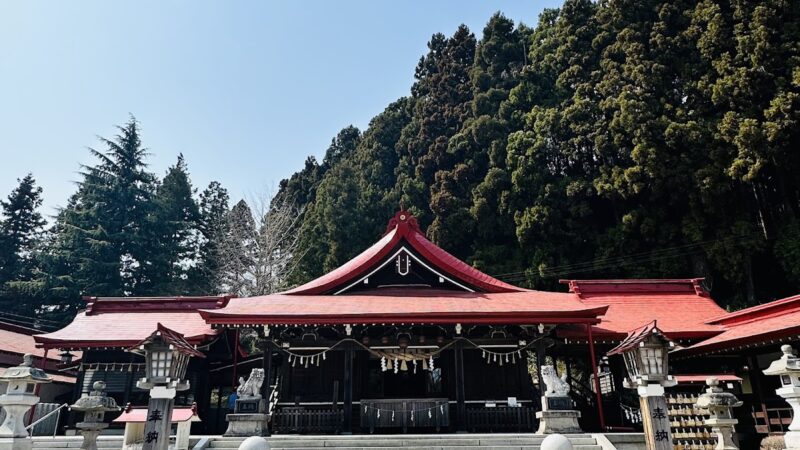
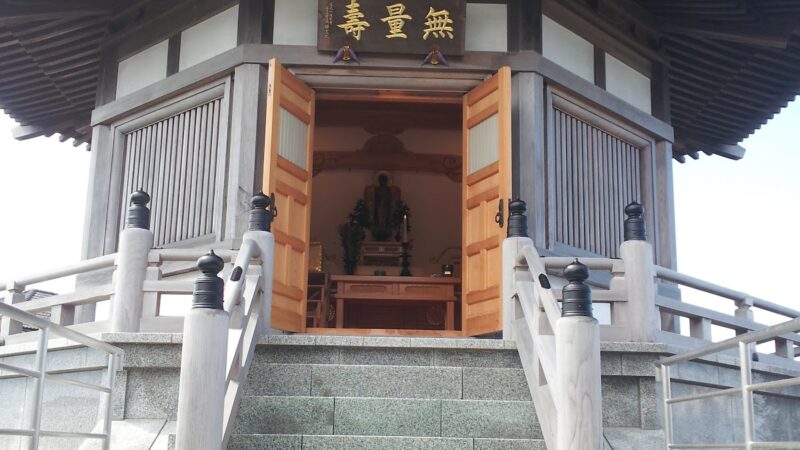
The main hall of Rintaku-ji Temple maintains the traditional style of temple architecture. The principal image is enshrined inside, and daily services and religious ceremonies are held there.
Features of the Main Hall:
- A warm and inviting space created by wooden architecture
- A magnificent arrangement of Buddhist statues and implements
- A peaceful atmosphere for worship
Nature within the Temple Grounds
The temple grounds are surrounded by nature that changes with the seasons. Cherry blossoms and plum blossoms in spring, fresh greenery in summer, autumn leaves in fall, and snowscapes in winter—each season presents a different face.
In particular, the temple garden is simple yet deeply spiritual, befitting a Zen temple, and provides peace of mind to visitors.
Cemetery and Perpetual Memorial Services
Rintakuji Temple has a cemetery for its parishioners, where memorial services are performed for generations. In recent years, memorial services that meet modern needs, such as perpetual memorial graves and tree burials, are being developed.
Annual Events and Memorial Services
Main Annual Events
At Rintakuji Temple, annual events are held in accordance with the traditions of the Soto Zen sect:
Spring Events
- Spring Equinox Memorial Service (March)
- Flower Festival (Buddha’s Birthday, April 8th)
Summer Events
- Obon Memorial Service (August)
- Segaki Ceremony
Autumn Events
- Autumn Equinox Memorial Service (September)
- Daruma Memorial Service
Winter Events
- Enlightenment Ceremony (December 8th, the day of Buddha’s enlightenment)
- New Year’s Eve Bell Ringing (December 31st)
Zen Meditation and Sutra Copying Sessions
Like many Soto Zen temples, Rintakuji Temple may hold Zen meditation and sutra copying sessions for the general public. These activities offer valuable opportunities to practically learn the teachings of Zen.
If you wish to participate, we recommend contacting the temple in advance.
Visiting Information
Visiting Hours
While most temples are open during the daytime (approximately 9:00 AM to 5:00 PM), it is recommended to check the specific visiting hours for Rintakuji Temple in advance.
Admission Fee
Normally, entry to the temple grounds is free, but prior contact may be required for special events or memorial services.
Visiting Etiquette
Basic etiquette when visiting a temple:
- Attire: Please wear clean, understated clothing.
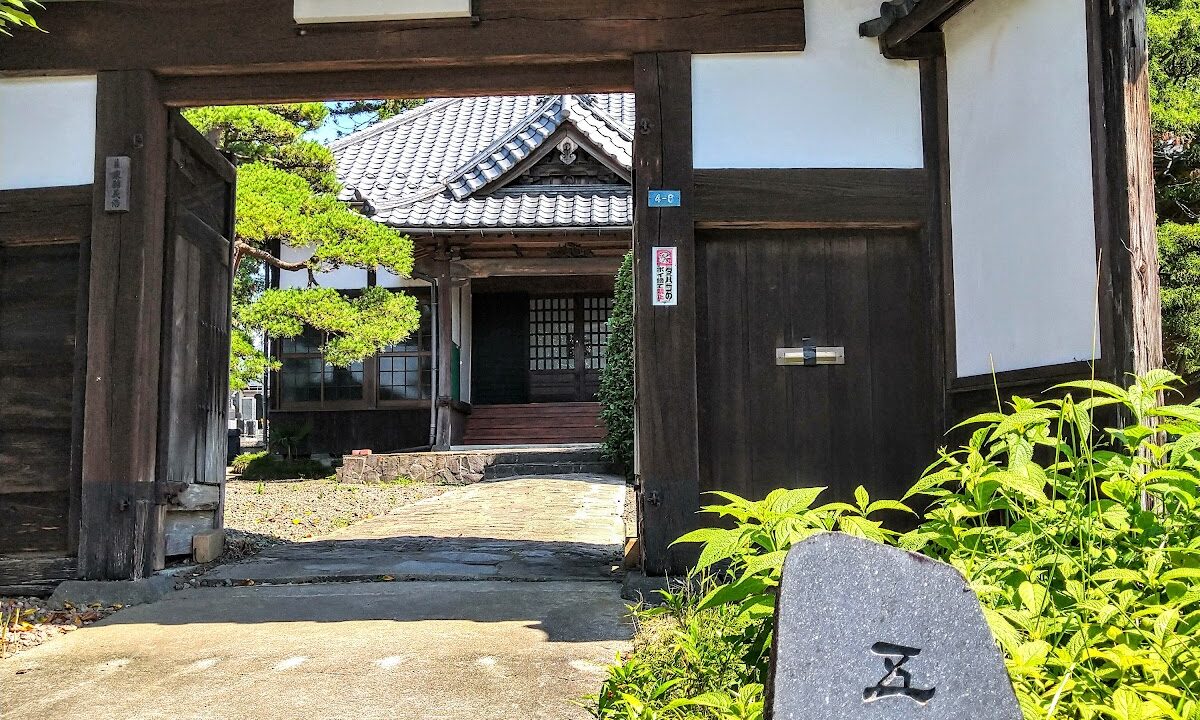
- Greeting: Bow at the temple gate before entering the grounds.
- Quiet: Please remain quiet within the temple grounds.
- Photography: Photography inside the main hall is generally prohibited; however, it is advisable to photograph the exterior.
- Offering: Please offer a donation with gratitude.
Access Information
Location
For the exact location of Rintakuji Temple, you will need to check the specific city or town within Miyagi Prefecture. Please be sure to check the latest information before visiting.
Access by Public Transportation
Access to temples in Miyagi Prefecture is generally by bus or taxi from the nearest station.
Typical access methods:
- Use JR Sendai Station to various destinations
- Take a bus or taxi from the nearest station
- Travel time varies depending on location
Access by Car
Visiting by private car is also possible. Check access routes from major expressways in Miyagi Prefecture, such as the Tohoku Expressway and Sanriku Expressway, in advance.
Parking: While parking spaces are often available on the temple grounds or nearby, it’s best to check in advance.
Nearby Tourist Attractions
Temples and Shrines in Miyagi Prefecture
When visiting Rintakuji Temple, why not also visit other historical temples and shrines in Miyagi Prefecture?
- Zuiganji Temple (Matsushima Town): A famous temple associated with Date Masamune
- Osaki Hachimangu Shrine (Sendai City): A shrine with a national treasure shrine building
- Rinnoji Temple (Sendai City): A temple associated with the Date family
Nature and Tourist Attractions in Miyagi
- Matsushima: One of Japan’s three most scenic views, known for its beautiful archipelago scenery
- Akiu Onsen: A hot spring resort known as Sendai’s inner sanctuary
- Zao: A mountain resort where you can enjoy nature in all four seasons
Funeral Services and Memorial Services at Rintakuji Temple
Danka System
Rintakuji Temple serves as a local danka temple, conducting funerals and memorial services for its parishioners. By becoming a temple parishioner, you can receive the following support:
- Funeral and memorial service execution
- Ancestor worship
- Consultation at life’s milestones
- Advice on all aspects of Buddhist rituals
Perpetual Memorial Service and Interment
In modern times, more and more people are seeking perpetual memorial services due to reasons such as having no successor to their family grave or living far away. Hayashiya Temple may also offer memorial service options to meet these needs.
Zen Teachings and Modern Life
Mindfulness and Zen
The origins of “mindfulness,” which has become widespread in Europe and America in recent years, lie precisely in the practice of Zen. Zen meditation practiced at Soto Zen temples like Rintakuji offers the following benefits:
- Stress Reduction: Focusing on your breath calms the mind
- Improved Concentration: Training in single-minded devotion
- Self-Understanding: Time to confront your inner self
- Peace of Mind: A time of quiet respite from the hustle and bustle of everyday life
Applying Zen Teachings to Daily Life
Soto Zen teachings consider not only special training but all aspects of daily life as training:
- Eating: Savoring each bite and eating with gratitude
- Cleaning: Doing so carefully and wholeheartedly
- Work: Dedicating yourself fully to the task at hand
- Relationships: Respecting and showing consideration for others
These attitudes serve as valuable guidance for us living in today’s stressful society.
How to Interact with Temples
Visiting by Non-Parishioners
Even if you are not a parishioner, temples are open to everyone. You can get involved in the following ways:
- General Visit: Visiting the temple grounds and offering prayers
- Participation in Zen Meditation: Experiencing the practice of Zen
- Participation in Sutra Copying: Time to calm the mind
- Attending Dharma Talks: Learning Buddhist teachings
- Participation in Seasonal Events: Interacting with the local community
Donations and Offerings to Temples
Support from parishioners and visitors is essential for the maintenance and operation of temples. Offerings and donations are one practice of “dana” (giving) in Buddhism, and a spirit of joyful giving without expecting anything in return is important.
Buddhist Culture in Miyagi Prefecture
Buddhism in the Tohoku Region
The Tohoku region has a long history of flourishing Buddhist culture. During the Heian period, Jikaku Daishi Ennin opened temples throughout Tohoku, and in the Middle Ages, the Fujiwara clan of Hiraizumi built a golden age of Buddhist culture.
Miyagi Prefecture is no exception; during the Sendai Domain era, many temples were built under the patronage of the Date family. ### The Role of Temples in the Earthquake
Miyagi Prefecture suffered immense damage in the 2011 Great East Japan Earthquake. During this difficult time, temples played a crucial role as shelters and places for emotional support.
Temples in Miyagi Prefecture, including Hayashiya Temple, continue to function as spiritual pillars in the recovery from the earthquake and the revitalization of local communities.
Preparations Before Your Visit
Pre-Visit Checklist
Things to check before visiting Hayashiya Temple:
- Opening Hours: Time of day when you can visit
- Event Schedule: Are there any special ceremonies or events?
- Access: Latest traffic information
- Parking: Is parking available?
- Visiting Etiquette: Special precautions
Items to Bring
- Prayer Beads: It’s good to bring them as a Buddhist
- Offering: Prepare small change
- Camera: Check where photography is permitted
- Notebook: If you want to record sermons, etc.
Attire
Casual clothing is fine, but please note the following:
- Avoid overly revealing clothing
- Dress neatly and cleanly
- You will need to remove your shoes when entering the main hall, so shoes that are easy to take off and put on are convenient.
Summary of the Charms of Hayashiya-ji Temple
Hayashiya-ji Temple, a Soto Zen Buddhist temple rooted in Miyagi Prefecture, possesses the following charms:
History and Tradition
It is a traditional temple with a long history, having functioned as a center of faith in the region. It continues to uphold and transmit the teachings of the Soto Zen school.
Tranquil Environment
The quiet environment of the temple grounds is ideal for forgetting the hustle and bustle of everyday life and finding peace of mind. You can have time to slowly reflect on yourself in a space surrounded by nature.
Connection with the Community
As a temple serving parishioners, it has deep ties with the local community and has been close to people’s lives. It functions not only as a venue for funerals and memorial services, but also as a hub for local cultural activities.
Place for Zen Practice
It offers opportunities to practically learn Zen teachings through activities such as zazen (seated meditation) and sutra copying. It is a place where you can find clues to solutions to the stress and worries that modern people face, as shown by the wisdom of Buddhism.
In Conclusion
Rintakuji Temple is an important temple that plays a vital role in the Buddhist culture of Miyagi Prefecture. Visiting its historic grounds and quietly offering prayers will allow you to experience a peace of mind rarely found in everyday life.
The Soto Zen teaching of “Shikantaza” (just sitting) is particularly significant in modern society. Stepping away from the demands of efficiency and results in daily life, this simple yet profound practice of simply sitting and breathing offers us an opportunity to rediscover our true selves.
When visiting Miyagi Prefecture, please be sure to visit Rintakuji Temple and experience its history and tranquility. Both temple members and general visitors will be warmly welcomed.
Our connection with temples offers us deep insights and comfort at various turning points in our lives. We hope that Rintakuji Temple will become a spiritual haven for all who visit.
—
Note: The information in this article is based on general temple information. When actually visiting, we recommend contacting Rintakuji Temple directly for the most up-to-date information. Opening times, event schedules, and access information are subject to change, so it is important to check in advance.