Ryūhōji Temple (Aoba-ku, Sendai City, Miyagi Prefecture) Complete Guide | History, Cultural Properties, and Goshuin Information of a Special Head Temple Associated with the Date Family
Located in Hachiman, Aoba-ku, Sendai City, Ryūhōji Temple is a special head temple of the Omuro branch of Shingon Buddhism, founded by Date Tomomune, the first head of the Date family. This ancient temple, with a history of over 800 years, enshrines a standing statue of Shakyamuni Buddha designated as a National Important Cultural Property, and, adjacent to Ōsaki Hachiman Shrine, welcomes many visitors as one of Sendai’s representative temples.
This article comprehensively explains everything you need to know before visiting Ryūhōji Temple, including its detailed history, highlights within the grounds, cultural properties, annual events, goshuin information, and access methods.
Basic Information about Ryuhōji Temple
Official Name: Etakusan Ryuhōji
Sect: Shingon Omuro School, Special Head Temple
Principal Image: Standing Statue of Shakyamuni Buddha (Nationally Designated Important Cultural Property)
Founded: Bunji Era (circa 1186)
Founder: Date Tomomune, the first head of the Date family
Address: 4-8-32 Hachiman, Aoba-ku, Sendai City, Miyagi Prefecture 980-0871
Phone Number: 022-234-0005 (Main)
Visiting Hours: Grounds are freely accessible (Please check for access to the interior of the main hall)
Parking: Available (Free)
Ryūhōji Temple is located adjacent to the south side of Ōsaki Hachiman Shrine, in an area that once formed the largest temple town in the former Sendai Castle town. Ryūhōji Temple holds the prestigious status of a special head temple of the Omuro branch of Shingon Buddhism and continues to function as an important center temple for Shingon Buddhism in the Tohoku region.
History of Ryūhōji Temple | 800 Years of Prayer for the Date Family
Founded in the Bunji Era and Deep Ties with the Date Family
The history of Ryūhōji Temple dates back to the Bunji era (around 1186), the early Kamakura period. It began when Date Tomomune, the first head of the Date family, founded it as a prayer temple for the Date family. After the fall of the Ōshū Fujiwara clan, the Date clan was granted Date County in Mutsu Province by Minamoto no Yoritomo, and established this area as their base. To pray for the prosperity of his family and the peace of his territory, Tomomune built a Shingon Buddhist temple, and for over 800 years thereafter, he cultivated a deep relationship with the Date family.
Prosperity during the Feudal Period and its Position in Sendai Castle Town
At the start of the Edo period, when Date Masamune, the first lord of the Sendai domain, built Sendai Castle, Ryūhōji Temple moved to its current location. When Lord Masamune constructed Ōsaki Hachimangū Shrine, he positioned Ryūhōji Temple adjacent to it, thus establishing a form of syncretism between Shinto and Buddhism and making it a spiritual pillar of the domain.
During the feudal period, the area around Ryūhōji Temple flourished as the largest temple town in the castle town, bustling with many worshippers. Under the patronage of the Date family, the temple grounds were vast, and records indicate that numerous temple buildings stood there. Successive feudal lords also visited the temple, and it was one of the religious centers of the Sendai domain, serving as a place where important Buddhist ceremonies and prayers of the Date family were held.
Changes after the Meiji Restoration and the Present
After the Meiji Restoration, many temples faced difficulties due to the anti-Buddhist movement and the separation of Shinto and Buddhism, but Ryūhōji Temple survived as a temple associated with the Date family. In 1903 (Meiji 36), the temple’s principal image, a standing statue of Shakyamuni Buddha, was designated a National Treasure (reclassified as an Important Cultural Property in 1951), and its cultural value became widely recognized.
Even today, it remains a central center of local faith as a special head temple of the Omuro branch of Shingon Buddhism. Many events are held throughout the year, and the children’s procession at the April Flower Festival (Buddha’s Birthday) is a beloved spring tradition in Sendai.
Highlights of the Temple Grounds and Cultural Properties
Principal Image: Standing Statue of Shakyamuni Buddha (Nationally Designated Important Cultural Property)
Ryūhōji Temple’s greatest treasure is its principal image, a standing statue of Shakyamuni Buddha. This wooden statue, believed to be from the early Kamakura period, is approximately 90 cm tall and is characterized by its elegant form and serene expression.
Designated a National Treasure in 1903 (Meiji 36), and redesignated a National Important Cultural Property in 1951 (Showa 26) following the revision of the Cultural Properties Protection Law after World War II, it is highly regarded in art history as a masterpiece of Buddhist sculpture from the Tohoku region during the Kamakura period. It is usually housed in the main hall and is only open for viewing on special occasions.
Main Hall and Temple Layout
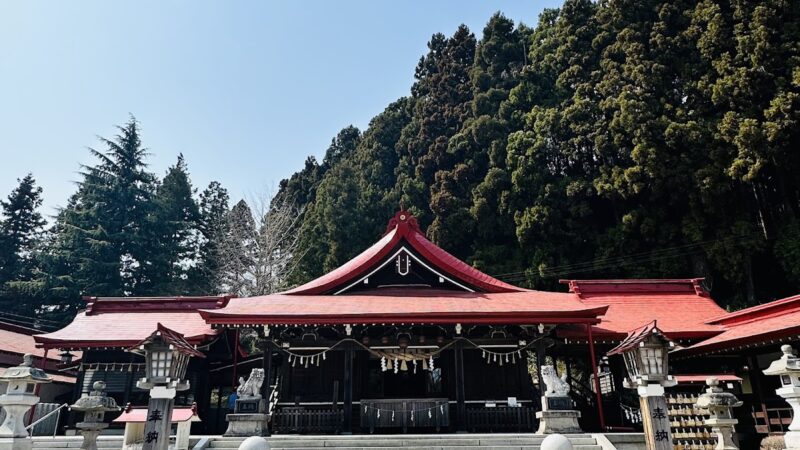
The current main hall was rebuilt between the Edo period and the modern era, possessing a solemn atmosphere characteristic of Shingon Buddhist temples. The temple grounds are adjacent to Osaki Hachimangu Shrine, and a tranquil space unfolds as you proceed along the approach.
A purification fountain welcomes visitors in front of the main hall. The grounds also contain the graves of successive chief priests and parishioners, with numerous stone pagodas and tombstones scattered throughout, reflecting a long history. The temple is beautiful in spring with cherry blossoms and in autumn with autumn leaves, showcasing its seasonal beauty.
Other Cultural Properties and Temple Treasures
Besides the main image of Buddha, Ryuhōji Temple possesses numerous historically valuable temple treasures. These include documents and Buddhist implements related to the Date family, as well as calligraphy and paintings by successive chief priests. These are occasionally displayed to the public. Furthermore, inscriptions concerning the Date family and the Sendai domain are carved into stone monuments within the temple grounds, making them valuable resources for historical research.
Annual Events | Famous for its Children’s Procession at the Hana Matsuri (Flower Festival)
April: Hana Matsuri (Buddha’s Birthday)
The most famous event at Ryuhōji Temple is the Hana Matsuri (Buddha’s Birthday), held every April. Celebrating the birth of Buddha, this event features a children’s procession with children dressed in colorful costumes, attracting many spectators and becoming a spring tradition in Sendai.
The children’s procession parades from the temple grounds to the area around Ōsaki Hachimangu Shrine, creating a vibrant and solemn atmosphere. Local children participate, and families wishing for their children’s healthy growth can also be seen. The Hanamido (flower hall) houses a statue of the infant Buddha, and worshippers celebrate by pouring sweet tea over it.
Other Major Annual Events
- First Three Days of the New Year: First shrine visit of the year, New Year’s prayers
- Setsubun Festival: Bean-throwing, prayers for warding off evil
- Spring and Autumn Equinox Festivals: Ancestor memorial service
- Obon Segaki Festival: Obon memorial service
- Goma Ceremony: Goma fire rituals are held regularly, with prayers for the fulfillment of wishes
Many of these events are open not only to temple parishioners but also to general visitors. We recommend checking the detailed schedule on Ryuhōji Temple’s official website or by phone.
Goshuin (Temple Seal) and Goshuincho (Stamp Book) Information
About Goshuin
Ryūhōji Temple offers Goshuin. After visiting the main hall, you can receive a Goshuin at the temple office. The Goshuin (temple stamp) features the calligraphy “Eizan Ryūhōji” and the temple’s official seal. As a prestigious head temple of the Omuro branch of Shingon Buddhism, this Goshuin is popular among Goshuin collectors.
Goshuin Reception Hours: Usually 9:00 AM to 4:00 PM (may vary depending on events and ceremonies)
Offering Fee: Approximately 300-500 yen (subject to change)
Items Offered
In addition to Goshuin, various items such as amulets and talismans are available. Amulets are offered for various wishes, including traffic safety, family safety, academic success, and protection from evil. As befits a Shingon Buddhist temple, goma talismans and talismans inscribed with Sanskrit characters are also available.
Regarding the handling of Goshuin notebooks, it is recommended to check with the temple office before visiting.
Access and Parking Information
Access by Train and Bus
If using the JR Senzan Line:
- Get off at Tohoku Fukushi University Station, approximately 12 minutes on foot (approx. 950m)
- Head northwest from the station towards Osaki Hachimangu Shrine
If using Sendai City Bus:
- From JR Sendai Station West Exit Bus Pool, bus stop #10 or #15
- Take bus route 840-880 (towards Tohoku University Hospital), approximately 20 minutes
- Get off at the “Ryuhōji Iriguchi” bus stop, approximately 5 minutes on foot
Taking the bus from Sendai Station is the most convenient option. There are relatively frequent bus services, and many people visit in conjunction with a visit to Osaki Hachimangu Shrine.
Access by Car
From Sendai Station: Approximately 15 minutes
From Tohoku Expressway Sendai-Miyagi IC: Approximately 20 minutes
The easiest route is to take National Route 48 (Sakunami Kaido) towards Osaki Hachimangu Shrine. Enter “Ryuhōji” or “4-8-32 Hachiman, Aoba-ku, Sendai City” into your car navigation system.
Parking
Ryuhōji Temple has free parking for visitors. However, congestion is expected during major events such as the Flower Festival, so using public transportation is recommended. Also, be careful not to confuse it with the parking lot of the adjacent Osaki Hachimangu Shrine.
Nearby Tourist Attractions
Osaki Hachimangu Shrine
Located right next to Ryuhōji Temple, Osaki Hachimangu Shrine is a representative shrine of Sendai, boasting a shrine building designated as a National Treasure. The magnificent Momoyama-style architecture built by Date Masamune is a must-see. Visiting Ryūhōji Temple and the surrounding area allows you to experience the history of Shinto-Buddhist syncretism.
Sendai City Museum
Located about 10 minutes away by car, the Sendai City Museum houses a wealth of historical materials related to the Date family and the Sendai domain. A visit before or after your Ryūhōji Temple visit is recommended for a deeper understanding of its historical background.
Aoba Castle Ruins (Sendai Castle Site)
A classic Sendai sightseeing spot. The equestrian statue of Date Masamune and the remaining stone walls offer panoramic views of Sendai city. It’s about 15 minutes away by car from Ryūhōji Temple.
Jōzenji-dori and Kokubunchō
Sendai’s downtown area. Jōzenji-dori, with its beautiful zelkova tree-lined streets, and Kokubunchō, with its many restaurants, are convenient for meals and breaks after your temple visit.
Manners and Precautions for Visiting Ryuhōji Temple
Etiquette for Visiting
The basic etiquette for visiting a Shingon Buddhist temple is as follows:
- Bow at the temple gate: Bow before entering the temple grounds.
- Purify yourself at the water basin: Purify your left hand, right hand, and mouth in that order.
- Pray and bow in front of the main hall: Quietly put your hands together and pray sincerely.
- Offering a monetary donation: Quietly place your donation in the offering box (do not throw it).
- Bow upon leaving: When leaving the temple grounds, turn around and bow.
Photography
While general photography of the temple grounds is permitted, photography inside the main hall or of Buddha statues may be prohibited. Always check in advance and obtain permission before taking photos. Also, be considerate of those performing religious services or other visitors.
Attire
There are no specific dress code requirements, but modest attire that reflects the sacred nature of the place is desirable. Even in summer, avoid extremely revealing clothing.
The Charm of Ryuhōji Temple | Why You Should Visit
Experience 800 Years of Date Family History
Ryūhōji Temple has been deeply connected to the Date family for over 800 years, from the first lord, Tomomune, to the first lord of the Sendai domain, Masamune, and up to the present day. Visiting this spiritual pillar of the Date family, known as a powerful force in Tohoku, will give you a deeper understanding of Sendai’s history.
National Important Cultural Property: Buddhist Statue
The standing statue of Shakyamuni Buddha from the early Kamakura period is a masterpiece of Buddhist art in the Tohoku region. As a temple housing this precious cultural property, it is a must-see spot for art and history enthusiasts.
Find Peace of Mind in the Tranquil Temple Grounds
Despite its location close to the city center, the temple grounds are enveloped in tranquility, allowing you to forget the hustle and bustle of the city. In the esoteric atmosphere of Shingon Buddhism, you can calm your mind and have time to reflect on yourself.
Beauty in Every Season
The temple grounds display different expressions in each season—cherry blossoms in spring, fresh greenery, autumn leaves, and snowscapes in winter—offering new discoveries with every visit. The flower festival period is particularly vibrant and recommended for families.
Frequently Asked Questions (FAQ)
Q1: Is there an entrance fee to Ryūhōji Temple?
A1: Entry to the temple grounds is free. However, viewing the interior of the main hall or special cultural artifacts may require advance reservations or an entrance fee. Please contact the temple office for details.
Q2: Can I get a Goshuin (temple stamp) anytime?
A2: They are usually available at the temple office from 9:00 AM to 4:00 PM, but staff may be absent due to religious services or events. If you want to be sure to get a Goshuin, we recommend calling ahead to confirm.
Q3: How many cars can park?
A3: There is a free parking lot for visitors, but spaces are limited. During major events, the parking lot can become full, so we recommend using public transportation.
Q4: How can I participate in the children’s procession at the Hana Matsuri (Flower Festival)?
A4: Participation in the children’s procession requires advance registration. Registration usually begins around February each year, so please check the details on the Ryuhōji Temple official website or by phone. Information regarding age restrictions and participation fees will also be provided.
Q5: What is the relationship with Ōsaki Hachimangū Shrine?
A5: Ryuhōji Temple and Ōsaki Hachimangū Shrine are adjacent and have a deep historical relationship. During the Edo period, they practiced syncretism of Shinto and Buddhism, and visiting both allows you to experience the religious practices of that time.
Q6: Is it possible to visit with a pet?
A6: Generally, pets should not be brought onto the temple grounds, but this may vary depending on the situation, such as if a small dog is in a cage or carrier bag. We recommend checking with the temple office in advance.
Q7: Can I request funeral or memorial services at Ryuhōji Temple?
A7: Ryūhōji Temple is a temple with a danka (parishioner) system and also conducts funerals and memorial services. For requests from non-danka members, please first consult with the temple office. Inquiries about cemeteries and columbariums are also possible.
Q8: How much does it cost to get there by taxi from Sendai Station?
A8: It takes about 15 minutes by taxi from Sendai Station to Ryūhōji Temple, and the fare is approximately 2,000 to 2,500 yen (this may vary depending on traffic conditions). If you are visiting with multiple people, a taxi may be more convenient than the bus.
Summary | Ryūhōji Temple: A Must-Visit Spot to Experience Sendai’s History and Culture
Located in Aoba-ku, Sendai City, Miyagi Prefecture, Ryūhōji Temple boasts a history of over 800 years as a special head temple of the Omuro branch of Shingon Buddhism, founded by Date Tomomune, the first lord of the Date family. With a standing statue of Shakyamuni Buddha designated as a National Important Cultural Property as its principal image, and having deep ties to Date Masamune, the first lord of the Sendai domain, this temple is an indispensable presence when discussing the history of Sendai. During the feudal period, it formed the largest temple town in the castle town, and even today it welcomes many worshippers as a center of local faith. In particular, the procession of children during the April Flower Festival is famous as a spring tradition in Sendai and is a popular event for families.
The tranquil grounds adjacent to Osaki Hachimangu Shrine are ideal for escaping the hustle and bustle of the city and finding peace of mind. Goshuin (temple stamps) and other souvenirs are available, allowing you to commemorate your visit. It is within walking distance from Tohoku Fukushi University Station on the JR Senzan Line, and also accessible by bus from Sendai Station. Free parking is available.
When visiting Sendai, be sure to enjoy a peaceful visit to Ryuhōji Temple, which has ties to the Date family, and experience its history and culture. We recommend checking the latest information on the official website or by phone beforehand to ensure a fulfilling visit.