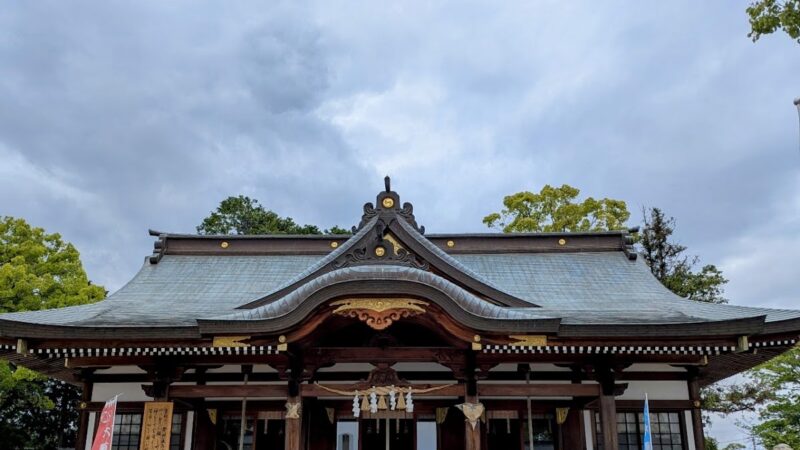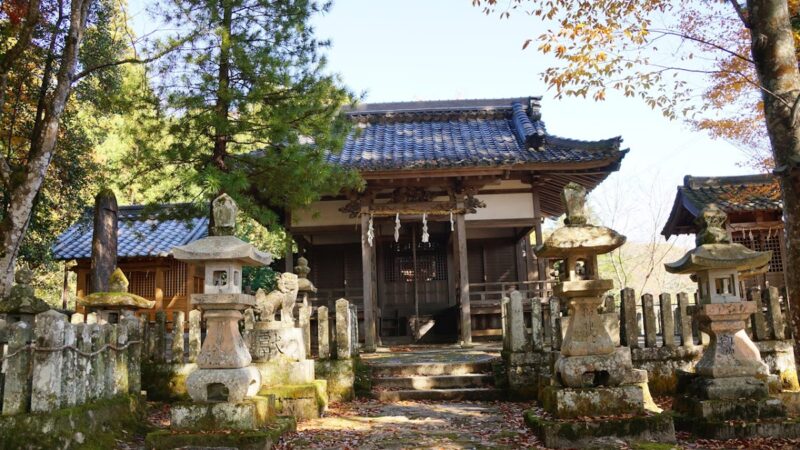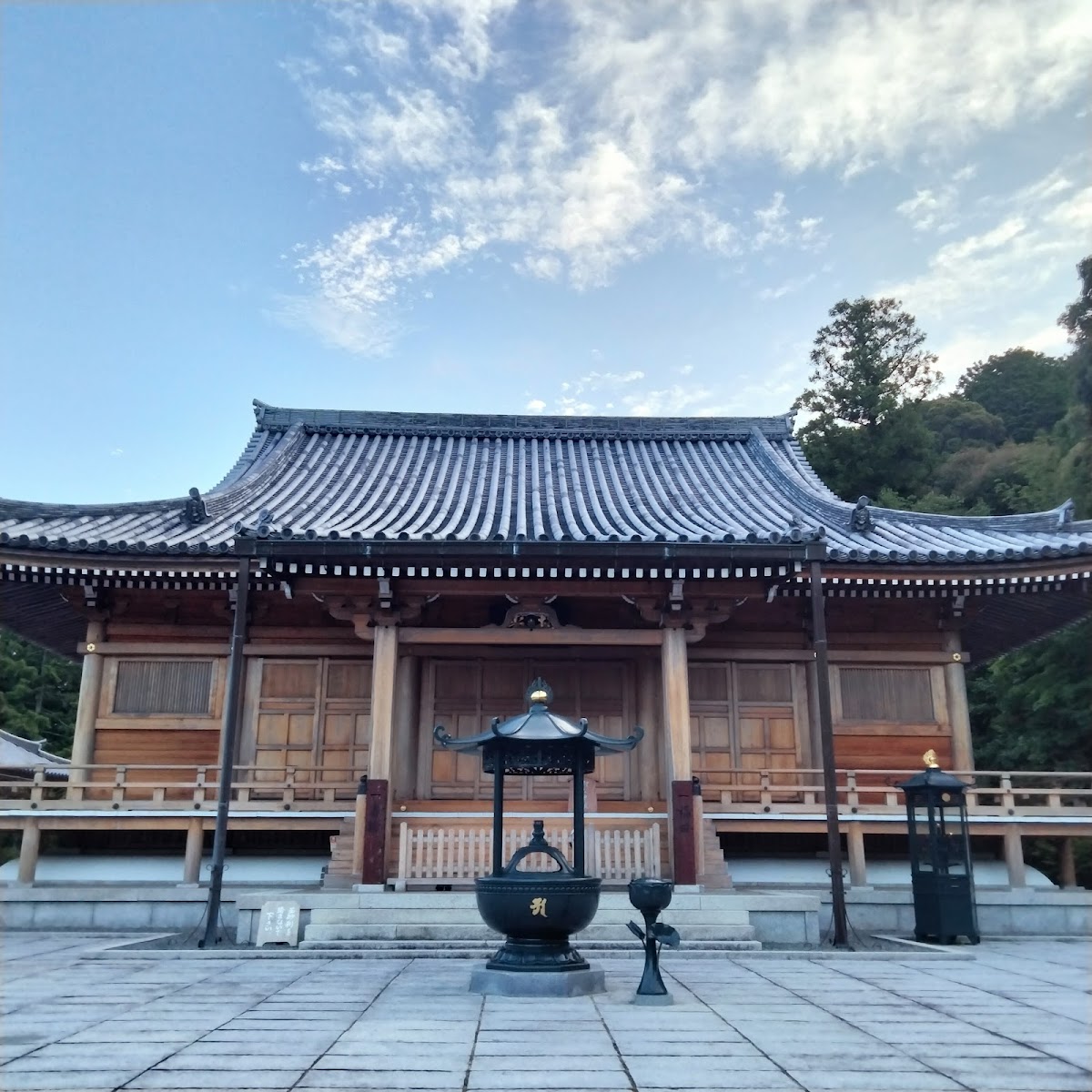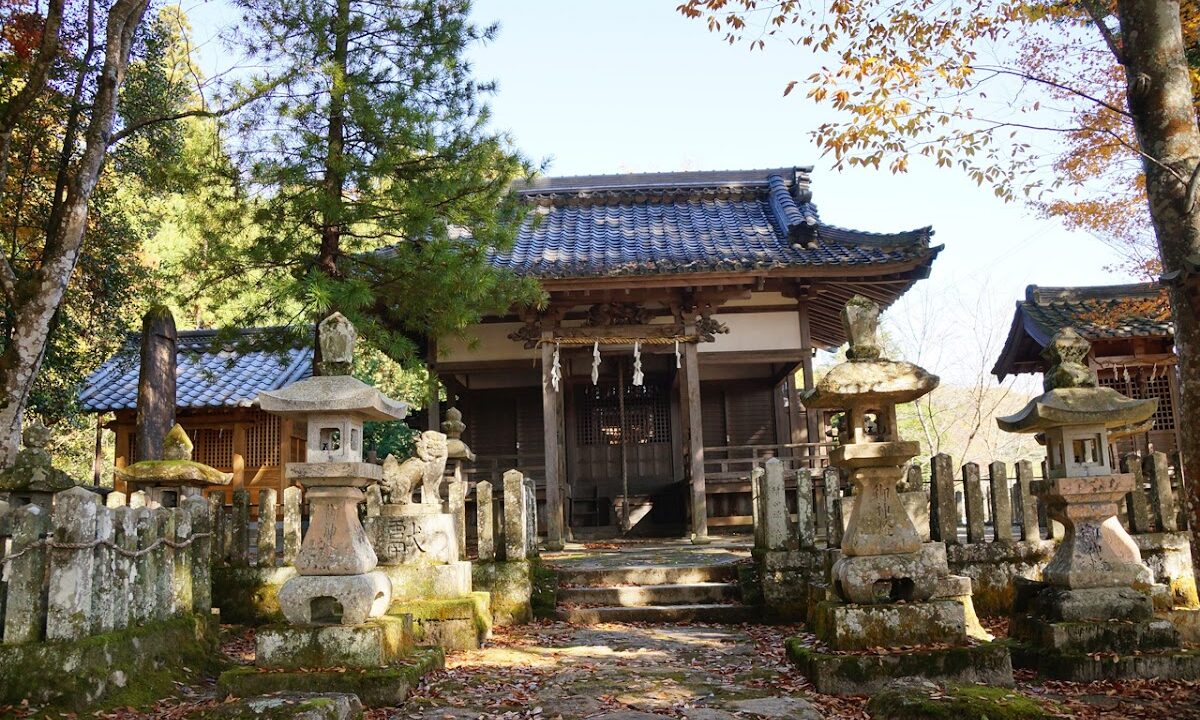
Kanjinja Shrine (Kita Ward, Kobe City, Hyogo Prefecture) Complete Guide | Deities, History, and Access Information
Several Kanjinja shrines are located in Kita Ward, Kobe City, and the surrounding area. These shrines, formerly known as “Gozu Tenno-gu,” are a group of shrines revered as local tutelary deities, with a history of inviting deities from Kanjin-in Temple (present-day Yasaka Shrine) in Gion, Kyoto.
This article provides detailed information about Kanjinja shrines, primarily in Kita Ward, Kobe City, including their history, enshrined deities, characteristics, and access methods, to help you with your visit.
What is Kanjinja Shrine? | A Group of Shrines Around Kita Ward, Kobe City
Kanjinja Shrine is a collective term for several shrines located in Kita Ward, Kobe City, Hyogo Prefecture, and the neighboring city of Sanda. These shrines all share Susanoo-no-Mikoto as their principal deity and were formerly worshipped as “Gozu Tenno-gu.”
Kanjinja Shrine, located in Shioda, Dojo-cho, Kita-ku, Kobe City, has deep ties to Shioda Hachimangu Shrine and historically functioned as a shrine serving both as a temple and a shrine. As the local tutelary deity, it has long been a central object of worship for local residents.
Origin of the Name of Kanjinja Shrine
The name “Kanjinja Shrine” originates from “Kanshin-in” in Gion, Kyoto. Kanshin-in was the predecessor of the current Yasaka Shrine and was a syncretic Shinto-Buddhist temple dedicated to Gozu Tenno. Following the separation of Shinto and Buddhism in the Meiji era, Gozu Tenno shrines throughout the country were converted into shrines dedicated to Susanoo-no-Mikoto, and it is believed that they came to be called “Kanjinja Shrine” because they were established by inviting the deity from Kanshin-in.
Deities Enshrined
The deities enshrined at Kanjinja Shrine are as follows:
Main Deity
Susanoo-no-Mikoto
A heroic deity in Japanese mythology, widely worshipped as a god of protection against misfortune, disease, and matchmaking. He is a brave god who slayed the Yamata no Orochi (eight-headed serpent) and is also known as the ancestral god of Waka poetry.
Enshrined Deities
Some Kanjinja shrines also enshrine the following deities:
- Sumiyoshi-no-Okami: God of safe voyages and traffic safety
- Hachidaijin: Guardian deities of the region
These enshrined deities may vary depending on the location of each Kanjinja shrine and local beliefs.
Major Kanjinja Shrines in and around Kobe City’s Kita Ward
Several Kanjinja shrines exist in Kobe City’s Kita Ward and surrounding areas. We will introduce the characteristics of each.
Kanjinja Shrine (Yamada Kanjinja) in Yamada, Sanda City
Kanjinja Shrine, located in the Yamada district of Sanda City, is known as a shrine of particularly high historical value in the region.
History
Although the exact founding date is unknown, the shrine was established by inviting the deity from Kanjin-in Temple (present-day Yasaka Shrine) in Gion, Kyoto, and has been revered as the tutelary shrine of Yamada, known as Gozu Tenno-gu. It functioned as a shrine serving as both a temple and a shrine of Shioda Hachimangu Shrine, and the “Otogashira-ko” (a religious association) that began in 1521 has continued uninterrupted to the present day.
The “Otogashira-cho” (records of this Otogashira-ko) is designated as a cultural property of Hyogo Prefecture, a valuable document that conveys the region’s faith and history for over 500 years.
Kanjinja Shrine in Kamiuchigami, Sanda City
Location: 1140 Miyanoshita, Kamiuchigami, Sanda City, Hyogo Prefecture
Deities Enshrined:
- Main Deity: Susanoo-no-Mikoto
- Enshrined Deities: Sumiyoshi-no-Okami, Hachidai-no-Kami
This Kanjinja Shrine has long been revered by local residents as the tutelary deity of the region.
Kanjinja Shrine in Shimoaono, Sanda City (Shimoaono Kanjinja Shrine)
Location: Shimoaono, Sanda City, Hyogo Prefecture
Since there are several Kanjinja Shrines distributed within Sanda City, this shrine is sometimes referred to as “Shimoaono Kanjinja Shrine” based on the place name. This shrine has a rock wrapped in a shimenawa (sacred rope), which has been an object of worship since ancient times. It is a valuable shrine that retains remnants of rock worship.
Nakauchigami Kanjinja Shrine
This is also one of the Kanjinja Shrines located in the area around Kobe City’s Kita Ward, and is registered with the Hyogo Prefectural Shrine Association. It continues to attract unwavering devotion as the tutelary deity of the region.
Origins and History
While the exact founding dates of most Kanjinja shrines are unclear, they all originated from the enshrinement of Susanoo-no-Mikoto (Gozu Tenno) from Kanjin-in Temple in Gion, Kyoto, sometime between the medieval and early modern periods.
The Era of Gozu Tenno Worship
Until the Edo period, Gozu Tenno shrines were devoutly worshipped as deities of protection against disease and misfortune, known as “Gozu Tenno-gu.” Gozu Tenno is a syncretic deity of Indian origin, a central figure in Gion worship.
Separation of Shinto and Buddhism in the Meiji Era
With the Meiji-era decree separating Shinto and Buddhism, Gozu Tenno was excluded as a Buddhist element and identified with Susanoo-no-Mikoto from Japanese mythology. Consequently, Gozu Tenno shrines throughout the country were renamed “Kanjinja,” “Yasaka Shrine,” “Suga Shrine,” etc.
The Tradition of the Otogashira-ko (Head-Bearing Association)
Especially at the Kanjinja Shrine in Yamada, the Otogashira-ko, which began in 1521, has continued for over 500 years. The Otogashira-cho (Head-Bearing Register), a record of this tradition, is a designated cultural property of Hyogo Prefecture. This tradition is a valuable cultural heritage that speaks to the strong bonds and deep faith of the local community.
Festivals and Events
Various festivals and events are held at Kanjinja Shrine throughout the year.
Main Annual Events
Annual Grand Festival
Each Kanjinja Shrine holds its annual grand festival, mainly in the autumn. Local residents gather for a portable shrine procession and offerings, praying for a bountiful harvest and peace in the community.
Otogashira-ko (Yamada Kanjinja Shrine)
This traditional event, which has continued since 1521, is held annually on a rotating basis. The Otogashira-cho contains detailed records of successive generations, making it a valuable resource for understanding the history of the region.
New Year’s Festival
A festival to pray for happiness in the new year and safety throughout the year. Many worshippers visit for the first shrine visit of the year.
Summer Purification Ceremony (Nagoshi no Harae)
A Shinto ritual held at the end of June to purify oneself of the impurities accumulated over the past six months and pray for good health and protection from illness for the remaining half of the year. Some shrines also hold a ritual of passing through a ring of reeds.
Benefits and Faith
Susanoo-no-Mikoto, the enshrined deity of Kanjinja Shrine, is known for a variety of blessings.
Main Benefits
- Protection from Evil and Disaster: As a brave god who defeated the Yamata no Orochi (eight-headed serpent), he protects against all kinds of disasters.
- Exorcism of Epidemics and Healing: As a deity associated with Gozu Tenno, he is believed to have the power to ward off epidemics.
- Matchmaking and Marital Harmony: As a deity associated with Inadahime-no-Mikoto, he is believed to grant blessings for successful relationships.
- Abundant Harvests and Business Prosperity: As a local guardian deity, he protects the prosperity of the region.
- Academic Success: As the ancestral deity of Waka poetry, he is believed to improve literary and academic achievements.
Location and Access Information
This section introduces how to access major Kanjinja shrines around Kobe City’s Kita Ward.
Kanjinja Shrine, Yamada, Sanda City
Address: Yamada, Sanda City, Hyogo Prefecture
Nearest Station/Line
- Approximately 15 minutes by car from JR Fukuchiyama Line “Sanda Station”
- Approximately 10 minutes by car from Kobe Electric Railway Park City Line “Woody Town Chuo Station”
Nearest Bus Stop/Line
Shinki Bus routes are available, but the number of buses is limited, so it is recommended to check the timetable in advance.
Access by Car
Approximately 20 minutes from Chugoku Expressway “Kobe Sanda IC”. It is recommended to check the availability of parking in advance.
Kanjinja Shrine in Kamiuchigami, Sanda City
Address: 1140 Miyanoshita, Kamiuchigami, Sanda City, Hyogo Prefecture
Nearest Station
- Approximately 15 minutes by car from Woody Town Chuo Station on the Kobe Electric Railway Park City Line
Kanjinja Shrine in Shimoaono, Sanda City
Address: Shimoaono, Sanda City, Hyogo Prefecture
Nearest Station
- Approximately 10 minutes by car from Sanda Station on the JR Fukuchiyama Line
Notes on Access
Both Kanjinja Shrines in Kobe City’s Kita Ward and Sanda City are located in places that are somewhat inconvenient to access by public transportation. Access by car is convenient, but caution is required as some roads are narrow.
Nearby Attractions
Shioda Hachimangu Shrine
Address: 3238 Shioda, Dojo-cho, Kita Ward, Kobe City, Hyogo Prefecture
This shrine has a deep historical connection to Kanjinja Shrine. Known for its blessings of protection against misfortune and traffic safety, this shrine boasts a magnificent shrine building and grounds. It’s a shrine you should definitely visit when you come to Kanjinja Shrine.
Arima Onsen
Arima Onsen, a representative tourist destination in Kobe’s Kita Ward, is known as one of Japan’s three oldest hot springs. Combining your visit to Kanjinja Shrine with a relaxing soak in the hot springs is highly recommended.
Sanda City Tourist Spots
- Sanda City General Culture Center (Sato no Oto Hall): A hub for culture and art
- Hyogo Prefectural Museum of Nature and Human Activities: A natural history museum
- Sanda Furusato Learning Center: A facility where you can learn about local history
Manners and Etiquette for Visiting Shrines
Here are some basic manners to observe when visiting Kanjinja Shrine.
Basic Etiquette for Visiting a Shrine
- Bow before passing through the torii gate: A courtesy before entering the sacred area.
- Purify yourself at the water basin: Purify your left hand, right hand, and mouth in that order.
- Walk along the edge of the path: The center is considered the path of the gods.
- Etiquette at the main hall: Two bows, two claps, and one bow are the basic rituals.
Clothing and Belongings
There are no particularly strict dress code regulations, but please dress appropriately as this is a sacred place. We recommend wearing comfortable shoes.
Cultural Assets and Highlights of Kanjinja Shrine
The Gotocho (Yamada Kanjinja Shrine)
The Gotocho, a record of the Gotoko (a religious association) that has continued since Daiei 1 (1521), is a Hyogo Prefecture designated cultural property. It is a valuable historical document that conveys the local faith and history spanning over 500 years.
Iwakura (Shimoaono Kanjinja Shrine)
At Kanjinja Shrine in Shimoaono, there is a rock (Iwakura) wrapped in a shimenawa rope. It is a valuable object of worship that retains the remnants of ancient nature worship and has been revered as a place where gods descend.
Shrine Architecture
The shrine buildings of each Kanjinja Shrine reflect the architectural styles of their respective eras and are important structures that tell the history of the region.
Kanjinja Shrines and the Local Community
Kanjinja Shrines have not only served as places of worship but also as centers of the local community.
Role as a Guardian Deity
Each Kanjinja Shrine is worshipped as a guardian deity (ubusunagami), a god that protects people born in that land throughout their lives. The custom of visiting the shrine at life’s milestones, such as the first shrine visit for a newborn, Shichi-Go-San (a traditional rite of passage for children), and exorcism, continues to this day.
Community Bonds Through Festivals
Festival events such as the annual grand festival and the Ontoko (a local religious gathering) provide valuable opportunities for local residents to gather together. These events foster intergenerational exchange and strengthen community bonds.
How to Enjoy Visiting Kanjinja Shrine
Collecting Goshuin (Shrine Stamps)
One of the joys of visiting shrines is collecting goshuin. While you may be able to obtain goshuin at Kanjinja Shrine, some shrines are unattended, so it’s recommended to check in advance.
Seasonal Scenery
The grounds of Kanjinja Shrine offer beautiful natural scenery throughout the seasons. The fresh greenery of spring and the vibrant autumn foliage are particularly charming.
Historical Exploration
With a history spanning over 500 years, Kanjinja Shrine is a valuable place for understanding the region’s history. Visiting it in conjunction with surrounding historical sites and cultural properties will provide a deeper understanding.
Precautions During Visits
Visiting Hours
Most Kanjinja Shrines are open for worship at all times, but the shrine office is often unattended. Therefore, if you wish to obtain goshuin or amulets, it’s necessary to check in advance.
Parking
The availability and number of parking spaces vary at each Kanjinja Shrine. Especially during festivals, congestion is expected, so please consider using public transportation.
Photography Etiquette
Photography is generally permitted within the shrine grounds, but please refrain from taking photos inside the main hall or during religious ceremonies. Remember to be considerate of other worshippers.
Summary | Experiencing History and Faith at Kanjinja Shrine
The Kanjinja shrines, located in Kita Ward, Kobe City and Sanda City, are a group of historical and traditional shrines dedicated to Susanoo-no-Mikoto, who was invited from Kanjin-in Temple in Gion, Kyoto.
In particular, the Onto-ko at the Yamada Kanjinja Shrine is a valuable traditional event that has continued for over 500 years, and its record, the Onto-cho, is protected as a cultural property of Hyogo Prefecture. Furthermore, the Iwakura (sacred rock) at the Shimoaono Kanjinja Shrine is a valuable object of worship that conveys the remnants of ancient nature worship.
Kanjinja shrines, where you can receive various blessings such as protection from evil, eradication of disease, and matchmaking, continue to attract unwavering devotion as the local tutelary deity. When visiting Kobe’s Kita Ward or Sanda City, be sure to stop by these Kanjinja shrines and experience their long history and the deep faith of the local people.
The time spent praying in the tranquil grounds will be a precious moment that allows you to forget the hustle and bustle of everyday life.