Kaburaiji Temple (Kobe City, Hyogo Prefecture) Complete Guide | History, Highlights, Access, and Goshuin Information
Kaburaji Temple, located in Dojo-cho, Kita-ku, Kobe City, Hyogo Prefecture, is a historical temple associated with Prince Shotoku. Its mountain name is Tokkosan, and it is also commonly known as “Kaguraji Temple.” This ancient, independent Shingon Buddhist temple, built on a sacred mountain with thousands of years of history, continues to fascinate many visitors.
This article comprehensively introduces all the information you need to know before visiting Kaburaiji Temple, including its detailed history, highlights within the grounds, access methods, and Goshuin information.
History and Origin of Kaburaiji Temple
Origin as a Sacred Mountain
Tokkosan, where Kaburaiji Temple stands, has been revered as a sacred mountain since before the arrival of Buddhism. This mountain has long been known by various names such as “Kamihogura,” “Kagurayama,” and “Gochi no Mine,” and has attracted the faith of people for thousands of years. The entire mountain was revered as a dwelling place of gods and served as a spiritual center for the region.
There is also a theory that the sacred name “Kamurogi” transformed into “Kaburai,” which speaks to the profound spirituality of this place.
Founding by Prince Shōtoku
The most important turning point in the history of Kaburai-ji Temple is its founding by Prince Shōtoku. Prince Shōtoku was very fond of this Dokko-san mountain, which was the hometown of his birth mother, and built a temple complex there as a training ground for the propagation of Buddhism.
The Prince dedicated a whistling arrow (kaburaya) and named the temple “Kaburai-ji.” A Kaburaya is an arrow with a device attached to its tip that emits a sound, and it has been used since ancient times as a signal in Shinto rituals and battles. There is a legend that when Prince Shōtoku shot a Kaburaya, the enemy surrendered without a fight, and this temple’s name also carries the meaning of such miraculous power.
It is said that the area came to be called “Dōjō-machi” (Dojo Town) after the temple’s founding. Its character as a Buddhist training ground influenced the local identity.
Transitions from the Nanboku-chō Period to the Edo Period
Kaburaya-ji Temple has experienced many trials throughout its long history since its founding.
During the Nanboku-chō period, records show that part of the temple complex was damaged by the turmoil of war. Many temples and shrines were caught in the flames of war during this turbulent era, and Kaburaya-ji Temple was no exception.
Later, during the Edo period, reconstruction progressed, and the temple’s functions were restored. However, in the late Edo period, the temple suffered a devastating forest fire, tragically destroying many temple buildings and valuable cultural artifacts. This fire was a major blow to the temple’s history, but the flame of faith continued unbroken.
Reconstruction in the Meiji and Showa Eras and the Present
In the Meiji era, the reconstruction of the destroyed temple buildings began in earnest. Having overcome the difficult period of the Meiji-era policy of separating Shinto and Buddhism, the temple forged its own path as an independent Shingon Buddhist temple.
In the Showa era, further development progressed, creating the temple grounds we see today. The construction of the three-story pagoda, in particular, was a major project during the post-war reconstruction period.
Today, Kaburaya-ji Temple, while maintaining its ancient spirituality, continues to be a central hub of local faith, warmly welcoming modern visitors as an open temple.
Basic Information about Kaburaiji Temple
Temple Overview
- Official Name: Kaburaiji Temple
- Mountain Name: Tokkosan
- Common Name: Kaguraji Temple
- Sect: Independent Shingon Sect
- Principal Image: Dainichi Nyorai
- Founder: Prince Shotoku
- Address: 1078-1 Ikuno, Dojo-cho, Kita-ku, Kobe City, Hyogo Prefecture 651-1503
- Phone Number: 078-986-4095
- Visiting Hours: Grounds are freely accessible (Please check for entry to the main hall)
- Admission Fee: Free
- Parking: Available (Free)
The Principal Image and Enshrined Buddhas
The main hall enshrines the following Buddhas, centered around Dainichi Nyorai:
- Dainichi Nyorai (Central Principal Image)
- Eleven-faced Kannon Bodhisattva
- Aizen Myoo
- Bishamonten
Each of these Buddhas possesses different virtues and is believed to grant the various wishes of worshippers.
Highlights of the Temple Grounds
Main Hall
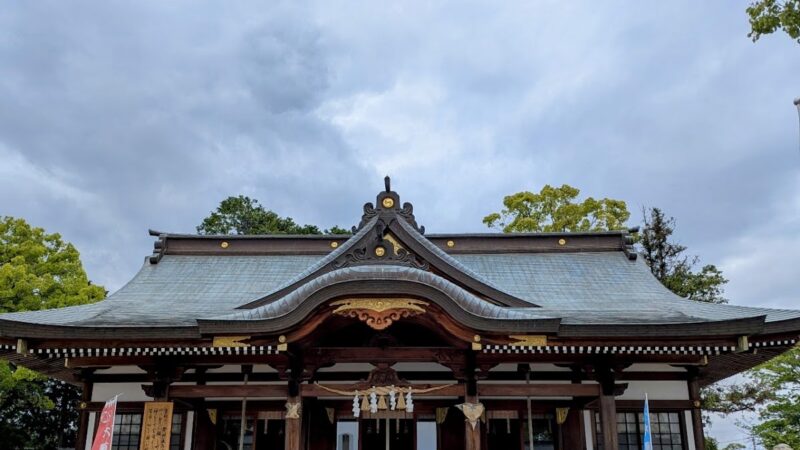
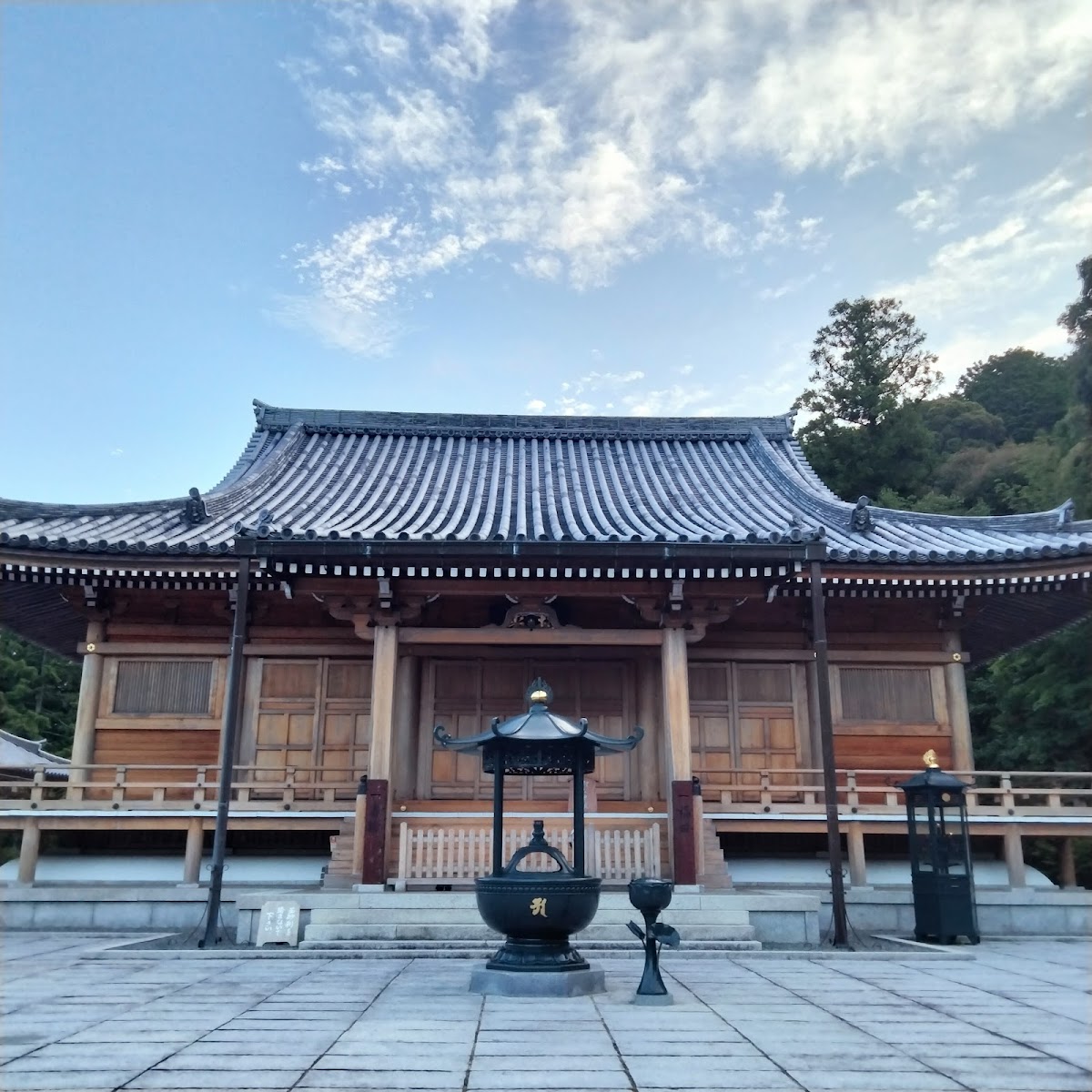
The main hall, the heart of Kaburaya-ji Temple, houses the principal image, Dainichi Nyorai, and other Buddhas. The hall is enveloped in a solemn atmosphere, and quietly offering prayers brings peace of mind.
The architectural style of the main hall is based on a reconstruction after a forest fire in the late Edo period, and further restorations were carried out during the Meiji and Showa periods. It is characterized by its majestic appearance, typical of Shingon Esoteric Buddhism temples.
Three-Storied Pagoda
The most striking feature of the temple grounds is the beautiful three-storied pagoda. This pagoda, built during the Showa period, is a relatively new structure, yet it boasts a beautiful form that faithfully adheres to traditional architectural styles.
The three-story pagoda is a structure that embodies the essence of Buddhist architecture, and its well-proportioned form captivates many visitors. It displays different expressions with each season, and especially during the seasons of fresh greenery and autumn leaves, one can enjoy a spectacular view in harmony with the surrounding nature.
Shrine of Kaburaya Daigongen
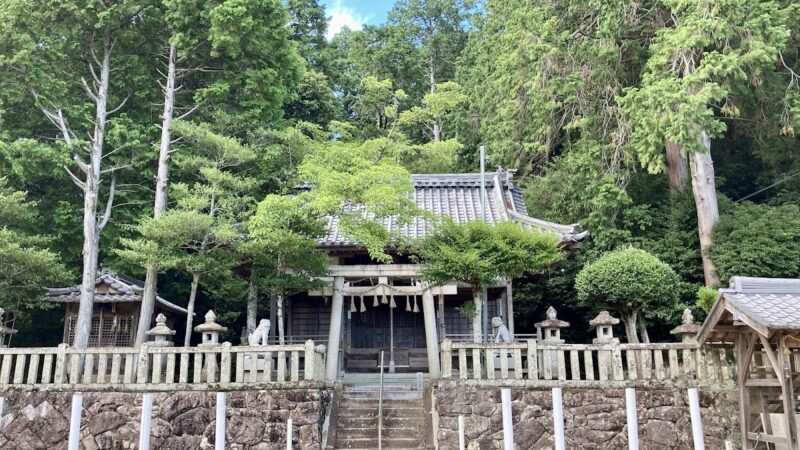
Further beyond the three-story pagoda, at the top of a stone staircase, lies the shrine of Kaburaya Daigongen. This shrine is located on the mountainside, and reaching it requires considerable physical effort.
The stone steps are steep and numerous, so it may be a bit challenging for those who are not confident in their physical strength, but at the top, a sacred space enveloped in a tranquil atmosphere awaits. This shrine is an important place that strongly retains the remnants of the syncretism of Shinto and Buddhism, and conveys ancient forms of faith to the present day.
Nature within the Temple Grounds
Located on the slopes of Mt. Dokko, the grounds of Kaburaya-ji Temple are surrounded by abundant nature. You can enjoy beautiful scenery throughout the seasons: cherry blossoms in spring, fresh greenery in early summer, and vibrant autumn leaves.
Especially during the autumn foliage season, the contrast between the three-story pagoda and the colorful leaves is magnificent, attracting many photography enthusiasts. Strolling through the temple grounds, you can forget the hustle and bustle of the city and find peace of mind.
Access
Access by Train
Nearest Station: Kobe Electric Railway Sanda Line/Arima Line “Dojo Station”
From Dojo Station to Kaburaya-ji Temple is approximately a 24-minute walk (about 1.9 km). Exit the station and head northwest, following the path along the Mukogawa River.
You can access Dojo Station in the following ways:
- Transfer to the Kobe Electric Railway Sanda Line from JR Takarazuka Line “Sanda Station”
- Board the Kobe Electric Railway Arima Line from the direction of “Arima Onsen Station”
Access by Car
Route from Kobe City
- Head north on Arima Kaido (Prefectural Road 15)
- Turn left at the Dojo-cho Kusakabe intersection and enter National Route 176
- Turn right at the Dojo-Higashi intersection, approximately 1 km from the Kusakabe intersection
- Drive along Prefectural Road 327 towards Mukogawa
- Follow the signs to the temple
Route from Osaka
Approximately 15 minutes from the Chugoku Expressway “Nishinomiya Kita IC” or approximately 20 minutes from the “Kobe Sanda IC”.
Parking Information
The temple has a free parking lot. However, space is limited, so early arrival is recommended, especially on weekends and during peak seasons such as autumn foliage season.
Goshuin Information
About Goshuin
Goshuin (temple stamps) are available at Kaburaya-ji Temple. Goshuin serve as proof of your visit and are important for establishing a connection with the temple.
The goshuin will have the name “Kaburaya-ji” written in ink and stamped with the temple’s seal. Depending on the calligrapher’s schedule, pre-printed goshuin may be available, so it is recommended to call ahead to confirm.
Manners for Receiving a Goshuin (Temple Stamp)
- First, complete your prayers at the main hall before receiving your Goshuin.
- Prepare your Goshuincho (stamp book) and show the open page when making your request.
- The fee for a Goshuin is generally 300 to 500 yen (please prepare the exact amount as change will not be given).
- Please wait quietly while your Goshuin is being written.
- Remember that a Goshuin is proof of your visit, not a stamp rally.
Points for Visiting a Temple
Etiquette for Visiting a Temple
- A Bow at the Temple Gate: Bow before entering the temple grounds to compose yourself.
- Purifying at the Water Basin: If there is a water basin, purify your hands and mouth.
- Praying at the Main Hall: Offer your donation and bow in front of the main hall.
- Strolling the Temple Grounds: Visit various places on the temple grounds, such as the three-story pagoda and the shrine of Kaburaya Daigongen.
- A Bow at the Temple Gate: When leaving, bow once again at the temple gate before exiting the grounds.
Recommended Time to Visit
- Spring (Late March to Early April): Cherry blossom season. The cherry blossoms on the temple grounds are in full bloom.
- Early Summer (May to June): The fresh greenery is beautiful, and you can visit the temple in refreshing air.
- Autumn (Mid to Late November): A famous spot for autumn foliage. The contrast between the three-story pagoda and the autumn leaves is magnificent.
- Winter (December to February): You can pray in peace and tranquility in the temple grounds.
Estimated Time Required
- Visiting only the main hall: Approximately 15-20 minutes
- Strolling through the entire temple grounds: Approximately 30-45 minutes
- Climbing to the Kaburaya Daigongen shrine: Approximately 1 hour to 1 hour 30 minutes
The stone steps to the Kaburaya Daigongen shrine are steep and long, so it is recommended to visit with plenty of time and energy.
Nearby Attractions
Historical Walk in Dojo-cho
Dojo-cho, where Kaburaya-ji Temple is located, is a place name derived from a Buddhist training dojo, as its name suggests. Traces of old highways remain in the surrounding area, allowing you to enjoy a historical walk.
Mukogawa Valley
The Mukogawa River, which flows near the temple, is known for its beautiful valley scenery. Especially during the autumn foliage season, you can enjoy a magnificent view from the riverside walking path.
Arima Onsen
Located about 20 minutes by car from Kaburaya-ji Temple, Arima Onsen is a famous hot spring resort known as one of Japan’s three oldest hot springs. Relaxing in the hot springs after visiting the temple is highly recommended.
Points to Note When Visiting
Clothing and Items to Bring
- Comfortable walking shoes: There are many stone steps on the temple grounds, and are essential, especially if you plan to climb to the shrine of Kaburaya Daigongen.
- Seasonal clothing: As it is located in a mountainous area, the temperature is lower than in urban areas.
- Drinks: Hydration is important, especially in summer or when climbing stone steps.
- Insect repellent: There can be many insects in the summer.
Manners and Consideration
- Please worship quietly on the temple grounds.
- Photography is permitted, but please be considerate of other visitors.
- Photography may be prohibited inside the main hall.
- Please take all your trash with you.
- Please respect nature and be careful not to damage the plants.
The Charm of Kaburaya-ji Temple
The Layers of History
The greatest charm of Kaburaya-ji Temple lies in the opportunity to experience firsthand its layered history, from its primal faith as a sacred mountain, to its founding as a Buddhist temple by Prince Shotoku, through the era of syncretism of Shinto and Buddhism, and up to the present day.
Thousands of years of faith history have accumulated in one place, and the prayers of people from each era still breathe within the temple grounds.
Harmony with Nature
Located on the slopes of Mount Dokko, the temple grounds are surrounded by abundant nature. Despite being not far from urban areas, it is a rare temple that evokes the atmosphere of a deep mountain valley.
The environment, where one can enjoy the changing seasons and pray in peace, is a precious healing space for modern people.
A Space of Silence and Prayer
As it is not a large-scale tourist temple, the quiet atmosphere of Kaburaya-ji Temple is another of its charms. One can escape the hustle and bustle and have time to reflect on oneself.
Especially on weekday mornings, there are fewer visitors, allowing for a deeper meditative experience.
Frequently Asked Questions
Q1: Is there an entrance fee to Kaburaya-ji Temple?
A1: Entry to the temple grounds is free. For viewing the main hall, please contact the temple in advance.
Q2: Can I always get a Goshuin (temple stamp)?
A2: Goshuin are generally available, but the temple may be closed for religious services. If you want to be sure to get one, we recommend calling ahead to confirm.
Q3: How difficult is the climb to the shrine of Kaburaya Daigongen?
A3: The stone steps are steep and numerous, so it may be a little difficult for those who don’t exercise regularly. It takes about 15-20 minutes one way. Please climb at your own pace without overexerting yourself.
Q4: Is it possible to visit in a wheelchair?
A4: There are stone steps from the parking lot to the main hall, making wheelchair access difficult. We recommend consulting with the temple in advance.
Q4: Is it possible to visit in a wheelchair?
A4: There are stone steps from the parking lot to the main hall, so wheelchair access is difficult. Q5: Can I bring my pet to the temple?
A5: In many cases, small dogs can be brought in a carrier bag, but letting them roam freely is strictly prohibited. Consideration for other visitors is also necessary, so we recommend checking in advance.
Q6: Are there any special events during the New Year’s period or other holidays?
A6: For detailed information on annual events, please contact the temple directly. It is believed that general Buddhist events are held.
Summary
Kaburaya-ji Temple, located in Kita-ku, Kobe City, Hyogo Prefecture, is a historical temple associated with Prince Shotoku and is cherished by many visitors as a healing space surrounded by abundant nature.
Built on Mt. Dokko, which has been revered as a sacred mountain for thousands of years, this temple is a valuable place that conveys a unique Japanese form of faith where Shinto and Buddhism are fused. Founded by Prince Shotoku, and having weathered the storms of the Nanboku-cho and Edo periods, and rebuilt during the Meiji and Showa eras, Kaburaya-ji Temple continues to receive prayers from people to this day.
Within the temple grounds stands a beautiful three-story pagoda, and further back, the shrine of Kaburaya Daigongen quietly rests. The environment, where one can enjoy the changing seasons and pray in peace, is a precious sanctuary for modern people.
Conveniently located within walking distance of Kobe Electric Railway Dojo Station and easily accessible by car, this rare temple offers a sense of deep mountain tranquility. Goshuin (temple stamps) are also available, making it a great choice for those collecting them.
Why not escape the hustle and bustle of everyday life and find peace of mind at Kaburaya-ji Temple, where history, nature, and tranquility harmonize? It will surely be a memorable and precious experience.