Tsuto Shrine (Nishinomiya City) Complete Guide | History, Goshuin (Shrine Seal), and Access Information [Hyogo Prefecture]
Tsuto Shrine, located in Tsuto Nishiguchi-cho, Nishinomiya City, Hyogo Prefecture, is a historical shrine with deep ties to ancient immigrant culture. Many fascinating historical sites and legends remain, including the legends of Ayahahime and Kurehahime, the legend of Minamoto no Yorimitsu’s demon-slaying, and Myojo Pond, known as the “Head-Washing Pond.”
This article comprehensively introduces everything you need to know before visiting Tsuto Shrine, from its historical background and highlights within the grounds to information on goshuin (shrine seals) and access methods.
Basic Information about Tsuto Shrine
Shrine Name: Tsuto Shrine
Location: 14-15 Tsuto Nishiguchi-cho, Nishinomiya City, Hyogo Prefecture 663-8231
Phone Number: 0798-33-1653
Main Deities: Amaterasu Omikami, Bishamontenjin, Yaoyorozu Kanekami
Former Shrine Rank: Village Shrine
Nearest Station: Approximately 6 minutes on foot from JR Kobe Line “Nishinomiya Station”
Tsuto Shrine is located south of National Route 2, next to Shorinji Temple, and is known as a shrine of high historical value within Nishinomiya City.
History
Origin of Founding and the Legend of Kan Orihime and Kure Orihime
The founding of Tsuto Shrine is said to date back to the time of Emperor Ojin. According to the *Nihon Shoki* (Chronicles of Japan), in the 37th year of Emperor Ōjin’s reign (late 4th to early 5th century), two women, Ayahahime and Kurehahime, arrived from Baekje and introduced advanced weaving techniques to Japan.
According to tradition, when these two princesses stayed in the area, they enshrined the deity they worshipped (possibly Dainichi Nyorai), which is considered the origin of Tsuto Shrine. Weaving techniques were advanced technology at the time, and this is a valuable tradition indicating that this area was an important center of cultural exchange in ancient times.
Ayahahime and Kurehahime continued to make significant contributions to the development of Japanese textile culture and came to be worshipped as deities in various places. Tsuto Shrine, one of the oldest sites associated with this tradition, continues to attract worshippers to this day.
Legend of Sugawara no Michizane’s Resting Place
Tsumo Shrine also has another important historical tradition. According to legend, in the first year of the Engi era (901 AD), Sugawara no Michizane rested at this shrine on his way to exile in Dazaifu.
It is said that Michizane, on his long journey to Kyushu, far from the capital, stopped at the Tsuto shrine, which already existed at the time, and took a short rest. This legend tells us that Tsuto Shrine has long been located at an important transportation point and has functioned as a shrine that watches over the safety of travelers.
Bishamonten Worship and the Legend of Minamoto no Yorimitsu
Since the Middle Ages, Tsuto Shrine has enshrined Bishamonten as its main deity. Bishamonten is one of the Four Heavenly Kings in Buddhism and is widely worshipped as a god of war and wealth.
A legend remains about Bishamonten at Tsuto Shrine, related to Minamoto no Yorimitsu, a military commander of the Heian period. Yorimitsu is a famous warrior known for his slaying of the demons of Mt. Oe, and it is said that he prayed for victory at the Bishamonten shrine of Tsuto Shrine during that time.
After successfully defeating the demons, Yorimitsu is said to have dedicated a portion of his acquired treasure to Tsuto Shrine, and since then, this shrine has been revered as “Bishamonten of Nishinomiya,” a god of military and financial fortune. This legend indicates that Tsuto Shrine was not merely a local tutelary shrine, but a highly revered shrine that attracted widespread devotion.
Relationship with the Otsuka Kofun
Within the grounds of Tsuto Shrine and its surroundings, there was once a burial mound known as the Otsuka Kofun. Even today, a portion of the stone sarcophagus remains adjacent to the shrine grounds, indicating that this area was important from ancient times.
It is believed that a powerful local clan existed in this area during the Kofun period (3rd to 7th centuries), which led to the acceptance of immigrants and the founding of the shrine. The stone sarcophagus is a valuable relic demonstrating the deep history of Tsuto Shrine and is carefully preserved to this day. ### Changes Since the Modern Era
Due to the Meiji-era decree separating Shinto and Buddhism, Tsutsumi Shrine underwent significant changes. The deities, which had previously been strongly associated with Buddhism, such as Dainichi Nyorai and Bishamonten, were reorganized to primarily Shinto deities, centered around Amaterasu Omikami.
Currently, the main deities enshrined are Amaterasu Omikami, Bishamonten, and Yagokoro Omoikane no Kami. Yagokoro Omoikane no Kami is known as the god of wisdom, making this an interesting choice that aligns with the legend of the ancient weaving techniques of Kan-orihime and Kure-orihime.
During the Meiji era, it was designated a village shrine and continues to attract the faith of local residents as the tutelary deity of the region to this day.
Highlights of the Shrine Grounds
Myojo Pond (Head-Washing Pond)
A must-see when visiting Tsuto Shrine is Myojo Pond, located within the shrine grounds. Also known as the “Head-Washing Pond,” it is deeply connected to the legend of Minamoto no Yorimitsu’s demon-slaying.
According to legend, Minamoto no Yorimitsu washed the head of the demon he slain at Mt. Oe in this pond. The pond’s water has long been considered pure and miraculous. It remains a significant historical site within the shrine grounds, attracting many visitors.
The area around the pond is enveloped in a tranquil atmosphere, offering a peaceful space despite its urban location. The pond’s scenery, which changes with the seasons, is another highlight.
Main Hall and Worship Hall
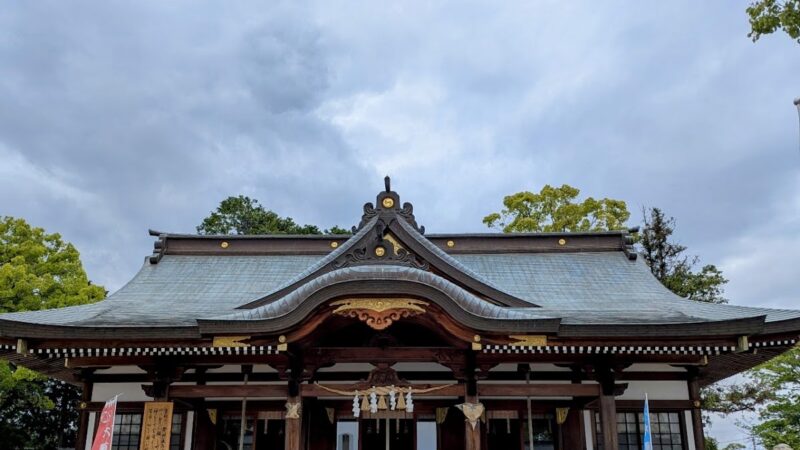
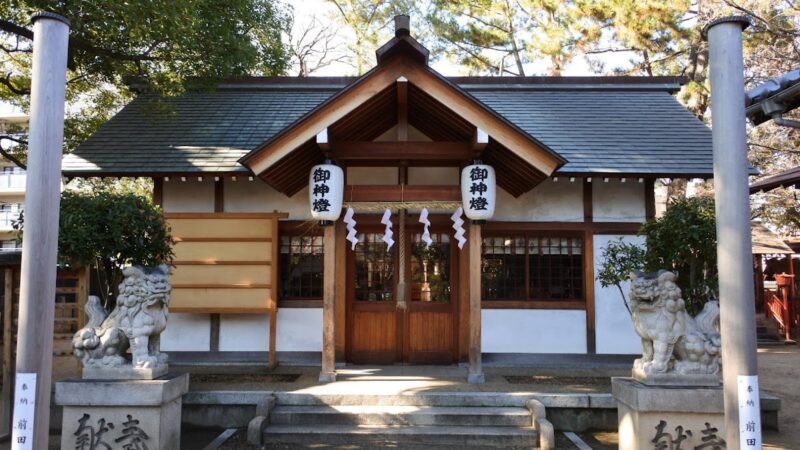
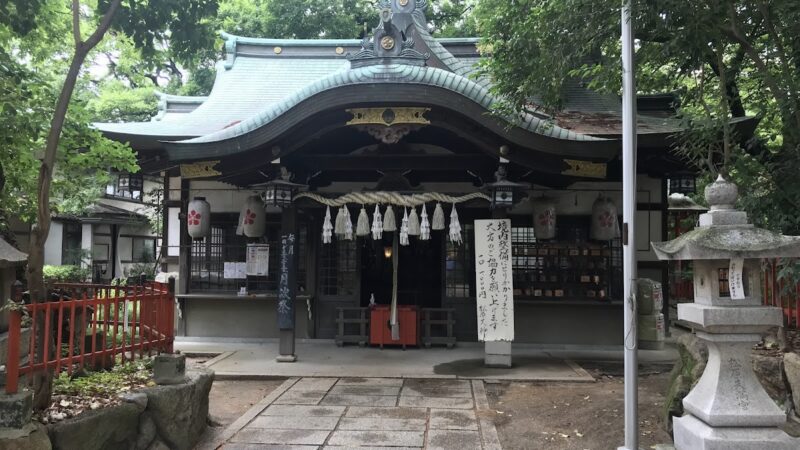
The main hall of Tsuto Shrine is built in the traditional style of shrine architecture. While not large in scale, the meticulously maintained shrine reflects the deep faith of the local people.
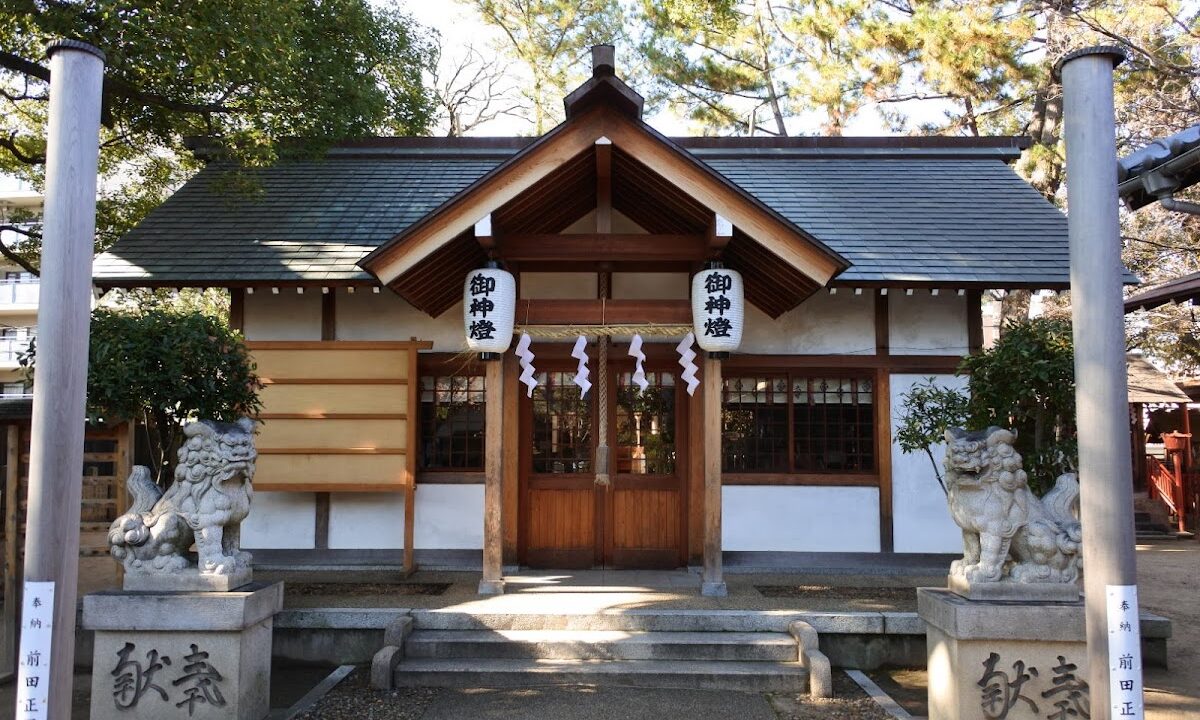
Magnificent guardian lion-dogs stand before the main hall, welcoming visitors. The shrine grounds are meticulously clean, creating a pleasant environment for worship.
Stone Coffin and Burial Mound Remains
The stone coffin preserved adjacent to the shrine grounds is a remnant of the Otsuka Burial Mound. Estimated to date from the late Kofun period, it is a valuable resource for understanding the ancient history of this region.
The existence of the stone coffin demonstrates that the history of Tsuto Shrine has archaeological backing, not merely tradition. Those interested in history should definitely take note.
Trees and Nature on the Shrine Grounds
Several magnificent, ancient trees remain on the grounds of Tsuto Shrine. In the increasingly urbanized city of Nishinomiya, these trees provide a precious green space.
Especially in summer, the shade is pleasant, making it a suitable environment for strolling and resting. The opportunity to experience the changing seasons is another charm of Tsuto Shrine.
Deities and their Blessings
Amaterasu Omikami
The supreme deity in Japanese mythology, revered as the sun goddess. Believed to bestow blessings such as national peace and security, abundant harvests, and good fortune.
Bishamontenjin
One of the Four Heavenly Kings in Buddhism, worshipped as a god of war and wealth. Believed to bestow blessings such as success in competitions, financial fortune, business prosperity, and protection from evil. Particularly known as a god of military and financial fortune due to the legend of Minamoto no Yorimitsu.
Yagokoro Omoikane no Kami
Known as a god of wisdom, believed to bestow blessings such as academic success, passing exams, and skill improvement. This deity is also associated with the “wisdom” of weaving techniques transmitted by Hanorihime and Kureorihime.
Tsuto Shrine is revered as a shrine where one can receive a wide range of blessings through the divine virtues of these three deities.
Goshuin (Shrine Seal) and Goshuincho (Shrine Seal Book) Information
About Goshuin
Goshuin can be obtained at Tsuto Shrine. Goshuin are important records of one’s connection with the shrine, and many people receive them as proof of their visit.
Features of Goshuin:
- Calligraphy of “Tsumo Shrine”
- Shrine seal
- Date inscription
Goshuin are carefully written by the shrine priests. However, priests may not always be present, so it is recommended to call in advance to confirm if you wish to receive one.
About Goshuincho (Shrine Seal Book)
Please inquire directly with the shrine regarding the availability of Tsuto Shrine’s original goshuincho. There are many shrines in Nishinomiya City, including many famous ones such as Nishinomiya Shrine (the head shrine of Ebisu-gu), so many people visit as part of a Nishinomiya pilgrimage.
Etiquette for Visiting the Shrine
Since the Goshuin (temple/shrine stamp) is proof of your visit, please be sure to receive it only after you have completed your prayers. Also, if you forget your Goshuincho (stamp book), please check if there are any pre-printed Goshuin available.
Access and Transportation Information
Access by Train
From JR Kobe Line “Nishinomiya Station”:
- Approximately 6 minutes on foot from the South Exit
- Approximately 450m
- Most convenient access method
Exit the South Exit of Nishinomiya Station and head south towards National Route 2. After walking a short distance east along National Route 2, you will see Tsutsumi Shrine next to Shorinji Temple.
From Hanshin Railway “Nishinomiya Station”:
- Approximately 15 minutes on foot
- Approximately 1.2km
It’s a bit further than JR Nishinomiya Station, but still within walking distance.
Access by Car
From Hanshin Expressway Route 3 Kobe Line “Nishinomiya IC”:
- Approximately 5 minutes
- Located along National Route 2
Parking:
Please inquire with the shrine in advance regarding the availability of dedicated parking within the grounds. While there are coin-operated parking lots nearby, using public transportation is recommended.
Access from Major Nearby Facilities
- Nishinomiya Shrine (Ebisu Shrine Headquarters): Approximately 15 minutes on foot
- Nishinomiya City Hall: Approximately 10 minutes on foot
- Hankyu Nishinomiya-Kitaguchi Station: Approximately 20 minutes on foot
Those visiting shrines in Nishinomiya City are recommended to visit Nishinomiya Shrine as well.
Annual Events and Festivals
Tsumon Shrine holds various Shinto rituals throughout the year. For information on major events, please inquire directly with the shrine or check the bulletin board.
Typical annual events at Shinto shrines include the following:
- January 1st: Saitansai (New Year’s Festival)
- **February (Setsubun): Setsubun Festival
- Autumn: Reitaisai (Grand Festival)
- December 31st: Oharai-shiki (Great Purification Ceremony)
As the local guardian shrine, it attracts many worshippers for life-changing rituals such as Hatsumode (first shrine visit of the year), Shichi-Go-San (children’s festival), and Yakuyoke (exorcism).
Attractions around Tsuto Shrine
Shorinji Temple
This temple is located right next to Tsuto Shrine. It’s a place where you can experience the unique characteristics of Japanese religious culture, where shrines and temples are adjacent.
Nishinomiya Shrine (Head Shrine of Ebisu Shrines)
Located about a 15-minute walk away, this is the head shrine of all Ebisu shrines nationwide. Famous as the god of business prosperity, it is bustling with worshippers on January 10th, the “Toka Ebisu” festival.
Nishinomiya City Local History Museum
This facility allows you to learn about the history and culture of Nishinomiya City. It’s worth visiting to gain a deeper understanding of the historical background of Tsutsumi Shrine.
Points to Note and Recommended Times for Visiting
Recommended Time for Visiting
Tsumitomi Shrine is generally open 24 hours a day, but if you wish to receive a Goshuin (shrine stamp) or speak with a Shinto priest, daytime hours (around 9:00 AM to 5:00 PM) are recommended.
The refreshing morning hours are less crowded, allowing for a leisurely stroll through the shrine grounds. The reflection of the morning sun on the surface of Myojo Pond is particularly beautiful and highly recommended for photography.
Proper Worship Etiquette
- Bow before passing through the torii gate.
- Purify your body and mind at the water basin.
- Hold the ladle in your right hand and purify your left hand.
- Switch the ladle to your left hand and purify your right hand.
- Switch the ladle back to your right hand, receive water in your left hand, and rinse your mouth.
- Finally, hold the ladle upright and purify the handle.
- Bow twice, clap twice, and bow once in front of the main hall.
- Stroll around the grounds and visit historical sites such as Myojo Pond.
- Bow once again after passing through the torii gate on your way out.
Photography
Photography is generally permitted on the grounds, but please refrain from taking pictures inside the main hall or during Shinto rituals. Also, please be considerate of other worshippers.
Summary of the Charms of Tsutsumi Shrine
Tsumo Shrine is a shrine with a deep history, where ancient immigrant culture, legends of Heian period warriors, and local faith are layered upon each other.
Main Attractions:
- Ancient Immigrant Culture: The weaving legends of Hanorihime and Kureorihime
- Historical Legends: Legends related to Sugawara no Michizane and Minamoto no Yorimitsu
- Myojo Pond: A mystical historical site known as the pond where heads were washed
- Ancient Burial Mounds: The stone sarcophagus of the Otsuka Kofun (burial mound) reveals its ancient history
- Easy Access: Conveniently located a 6-minute walk from JR Nishinomiya Station
When you visit Nishinomiya City, be sure to stop by Tsuto Shrine. Despite being in an urban area, it offers a quiet and peaceful atmosphere where you can reflect on its long and rich history.
Frequently Asked Questions (FAQ)
Q1: How do you pronounce Tsuto Shrine?
A1: Tsuto Shrine is pronounced “Tsuto Jinja.” Please be careful not to mispronounce it as “Tsumon Jinja.” The place name Tsuto is also pronounced “Tsuto.”
Q2: Can I get a Goshuin (temple/shrine stamp) anytime?
A2: You can get a Goshuin during the hours when the Shinto priest is present. If you want to be sure to receive one, we recommend calling in advance (0798-33-1653). Generally, weekdays during the daytime are the most reliable time.
Q3: Is there parking available?
A3: Please contact the shrine directly regarding parking availability on the grounds. There are coin-operated parking lots nearby, but since it’s a 6-minute walk from JR Nishinomiya Station, we recommend using public transportation.
Q4: Can I still see Myojo Pond (the pond where the head was washed)?
A4: Yes, Myojo Pond is still preserved on the grounds and can be freely viewed. As a historical pond associated with the legend of Minamoto no Yorimitsu’s demon slaying, it is one of the important sights at Tsuto Shrine.
Q5: Who were Hanorihime and Kureorihime?
A5: Ayahahime and Kurehahime are women who are said to have come from Baekje during the reign of Emperor Ojin and introduced advanced weaving techniques to Japan. They are recorded in the *Nihon Shoki* (Chronicles of Japan), and the Tsumon Shrine is believed to have been founded by inviting the deities worshipped by these two princesses.
Q6: Are Nishinomiya Shrine and Tsumon Shrine related?
A6: They are separate shrines, but both are historical shrines in Nishinomiya City. Nishinomiya Shrine (the head shrine of Ebisu) is a nationally famous shrine, located about a 15-minute walk from Tsumon Shrine. Many people visit both shrines as part of a Nishinomiya shrine pilgrimage.
Q7: Can I receive prayers for Shichi-Go-San (a traditional Japanese rite of passage for children) or exorcism?
A7: As the local guardian shrine, Tsumon Shrine also performs prayers for life-changing rituals. For detailed schedules and reservation requirements, please contact the shrine by phone in advance.
Q8: When is the annual festival at Tsuto Shrine?
A8: For specific dates regarding the annual festival, please contact the shrine directly or check the bulletin board on the shrine grounds. It is generally held in the autumn, but please confirm the exact date with the shrine.
Q9: Where is the stone sarcophagus from the Otsuka Kofun (ancient burial mound) located?
A9: The stone sarcophagus from the Otsuka Kofun is preserved adjacent to the shrine grounds. You can find it by strolling around the grounds during your visit. It is a valuable historical site that shows this area was important from the Kofun period (ancient burial mound period).
Q10: Are amulets and votive tablets available at Tsuto Shrine?
A10: For information regarding amulets and votive tablets, please contact the shrine directly. While most shrines offer various amulets and votive tablets, the opening hours of the distribution counter vary depending on the shrine.