Complete Guide to Matsubara Shrine (Matsubara Tenmangu) | A Historic Tenmangu Shrine in Nishinomiya City, Hyogo Prefecture, Dedicated to the God of Learning
Matsubara Shrine, located at 2-26 Matsubara-cho, Nishinomiya City, Hyogo Prefecture, is a Tenmangu shrine that has been cherished by the local community for centuries, known as “Matsubara Tenjin” and “Matsubara Tenmangu.” It enshrines Sugawara no Michizane, known as the god of learning, and is a historic shrine visited by worshippers praying for success in exams and academic achievement.
This article provides detailed information you should know before visiting Matsubara Shrine, including its history, enshrined deities, blessings, highlights of the grounds, information on Goshuin (shrine stamps), and access methods.
History and Origins of Matsubara Shrine (Matsubara Tenmangu Shrine)
Sugawara no Michizane and Tsunu no Matsubara
The founding of Matsubara Shrine is said to have originated from events between 901 and 923 AD. According to shrine tradition, Sugawara no Michizane, who was unjustly exiled from Kyoto to Dazaifu, rested at a beautiful scenic spot called “Tsunu no Matsubara” (Tsunu Pine Grove) near present-day Nishinomiya City during his sea voyage to Dazaifu in Chikushi Province, Kyushu.
At that time, this area was known as a scenic spot with a beautiful coastline of white sand and green pines. It is said that Michizane, who was continuing his journey in despair, found solace in the beauty of this pine grove. Local legends remain describing Michizane’s resting place and his admiration for the scenery of the pine grove.
Founding and Development
After Sugawara no Michizane died in Dazaifu, later generations built a shrine in this area to appease his spirit and commemorate his virtues, which is considered the origin of Matsubara Shrine. While there are various theories regarding the exact founding date, it is generally believed to be sometime between the Engi era and the mid-Heian period.
Since then, it has been revered by the local people as “Matsubara Tenjin” and has developed as a shrine dedicated to Tenjin, the god of learning. During the Edo period, with the development of Nishinomiya, it became a shrine visited by many worshippers and remains a beloved center of local faith to this day.
Deity and Benefits
Deity: Sugawara no Michizane
The deity enshrined at Matsubara Shrine is Sugawara no Michizane. Michizane was an active aristocrat, scholar, and politician during the Heian period. He excelled in learning from a young age and is also known as a man of letters who left behind many excellent Chinese and Japanese poems. He rose to the position of Minister of the Right, but was demoted to Dazaifu due to political intrigue and died in 903 at the age of 59. After his death, various disasters occurred in Kyoto, leading to the construction of Kitano Tenmangu Shrine to appease Michizane’s vengeful spirit. Since then, he has been worshipped throughout Japan as “Tenjin-sama.”
Main Benefits
At Matsubara Shrine, the following benefits are believed to be available due to the divine virtues of Sugawara no Michizane:
Academic Success and Passing Exams
Because Michizane was an excellent scholar, he is revered as the god of learning, and is believed to grant blessings for passing exams, academic success, and improved academic ability. Many students and their parents visit the shrine during exam season.
Improvement in Arts and Culture
Following Michizane’s excellence in Chinese and Japanese poetry, people also visit the shrine to pray for improvement not only in academics but also in arts and cultural activities.
Protection from Evil and Disaster
Due to the strong spiritual power of Tenjin-sama, it is believed to offer protection from evil and disaster.
Virtue of Sincerity and Honesty
Inspired by the upright character of Sugawara no Michizane, who was unjustly exiled, it is believed to offer protection for sincerity and honesty.
Highlights of the Shrine Grounds
Main Hall and Worship Hall
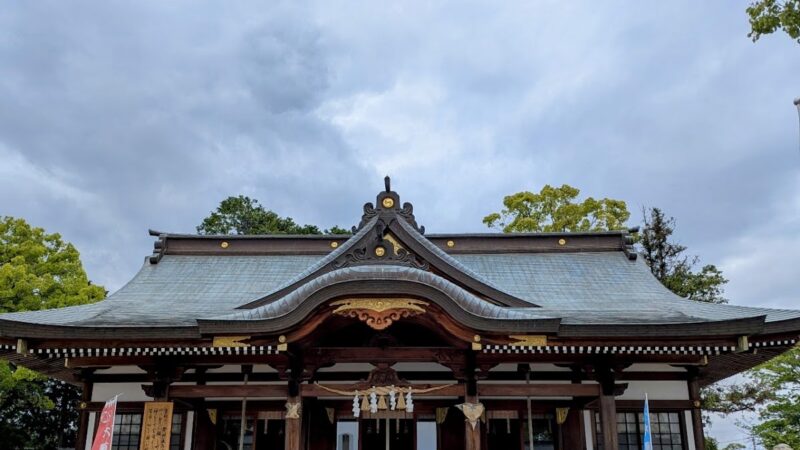
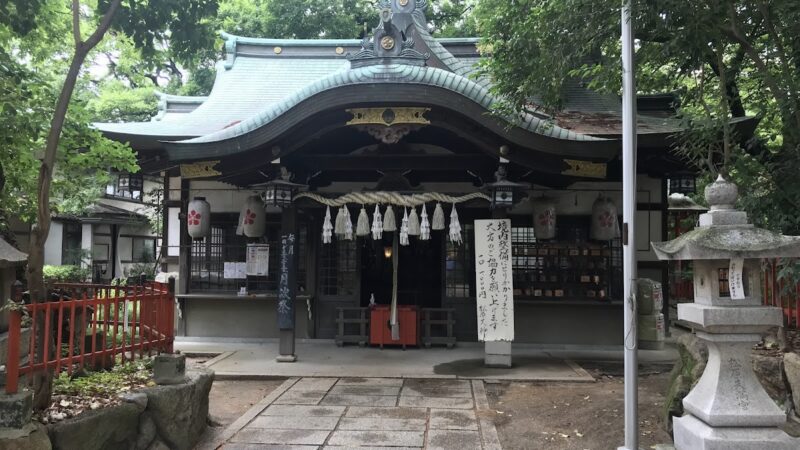
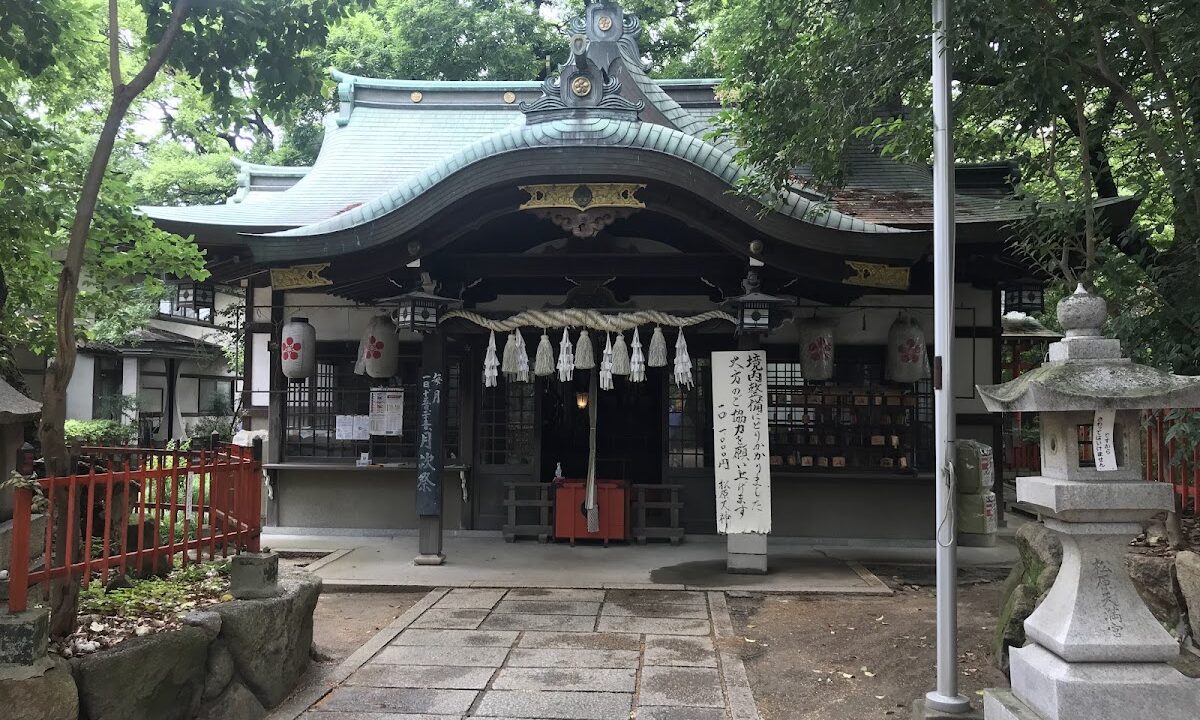
The main hall of Matsubara Shrine is built in the traditional style of shrine architecture, creating a solemn atmosphere. In the worship hall, worshippers can quietly offer their prayers, and especially during exam season, many ema (votive tablets) for success are dedicated.
The Meoto Kusu (Married Couple’s Longevity Camphor Tree)
Within the shrine grounds is a sacred tree called the “Meoto Kusu (Married Couple’s Longevity Camphor Tree).” Two camphor trees grow close together, and it is believed to bring blessings for marital harmony and matchmaking. It’s not just a place to pray for the god of learning; it’s also a place visited by those praying for good fortune in love.
Shrine Precincts
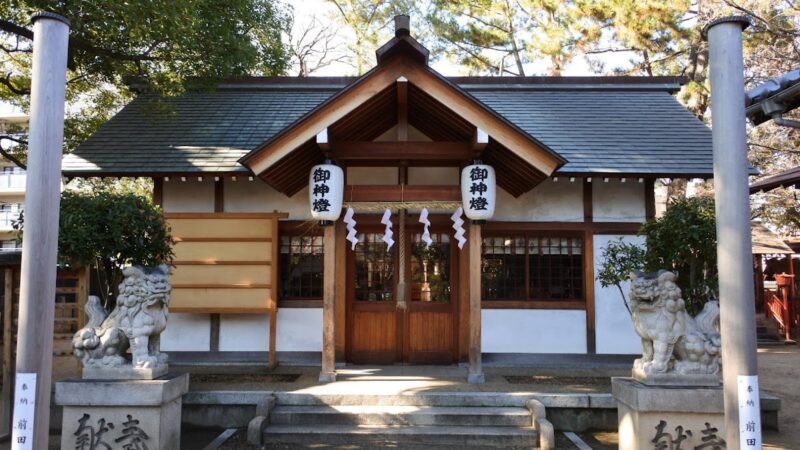
Besides the main shrine, Matsubara Shrine has several smaller shrines within its grounds, each offering different blessings. Visiting these smaller shrines during your pilgrimage will allow you to receive even more divine blessings.
A Tranquil Space Surrounded by Greenery
Located in the heart of the city, just a 5-6 minute walk from JR Nishinomiya Station, the shrine grounds are a tranquil space enveloped in greenery. It offers a peaceful environment for worship, away from the hustle and bustle of the city, and is a beloved place of relaxation for local residents.
Goshuin (Shrine Seal) Information
Goshuin (Shrine Seal) Issuance
Matsubara Shrine offers goshuin (shrine seals). The goshuin includes the shrine’s name and date of visit, stamped with the shrine’s seal. Bring your goshuincho (seal book) and request it at the shrine office, and they will carefully write it for you.
Points to Note When Receiving a Goshuin (Shrine Seal)
Goshuin are given as proof of worship, so it is proper etiquette to first pray at the main shrine before visiting the shrine office. Also, the shrine office may be unattended, so if you want to be sure to receive a goshuin, it is recommended to call ahead to confirm.
The offering fee is generally around 300 to 500 yen, but it is customary to offer whatever you feel is appropriate. Even if you forget your goshuin book, they may have pre-written goshuin available.
Annual Events and Festivals
Tenjin Festival
The Tenjin Festival, the main festival of Tenmangu Shrine, is held. It is an important event that praises the divine virtues of Sugawara no Michizane and prays for academic success and regional prosperity.
First Shrine Visit of the New Year
Many worshippers visit the shrine for their first shrine visit of the new year, praying for academic success and passing exams. Students preparing for entrance exams and their families are often seen visiting the shrine as their first visit of the new year.
Visiting During Exam Season
During the exam season from January to March, many students visit the shrine to pray for success. Ema (votive tablets) bearing wishes such as “Passing the entrance exam for XX University” or “Passing the entrance exam for my desired school” are dedicated on the ema rack within the shrine grounds.
Access and Transportation Information
Basic Information
Location
2-26 Matsubara-cho, Nishinomiya City, Hyogo Prefecture 662-0972
Phone Number
0798-33-2143
Access by Train
From JR Kobe Line “Nishinomiya Station”
Approximately 5-6 minutes on foot from the South Exit. Exit the station and head south; after passing through the city center, you will arrive at Matsubara Shrine. It is very conveniently located near the station.
From Hanshin Main Line “Nishinomiya Station”
Approximately 10 minutes on foot from the East Exit. While it’s a short distance from Hanshin Nishinomiya Station, it’s within walking distance. It’s also close to Nishinomiya Shrine, famous as the head shrine of all Ebisu shrines, making it possible to visit both.
Access by Car
Approximately 10 minutes from the Nishinomiya IC on the Hanshin Expressway Route 3 Kobe Line. However, as it’s located in the city center, dedicated parking may be limited. Using public transportation is recommended.
Parking
The shrine’s dedicated parking may have limited spaces. When visiting, it’s recommended to use nearby coin-operated parking lots or access by public transportation.
Nearby Attractions and Tourist Spots
Nishinomiya Shrine (Head Shrine of Ebisu)
Nishinomiya Shrine, located within walking distance of Matsubara Shrine, is a famous shrine known as the head shrine of all Ebisu shrines nationwide. It attracts worshippers seeking prosperity in business, and hundreds of thousands of visitors flock to the shrine on January 10th, the “Toka Ebisu” festival. Visiting both Matsubara Shrine and Nishinomiya Shrine is also recommended.
Kitamukai Inari Shrine
Located across from Matsubara Shrine, this shrine enshrines Inari, the god of rice and food. Although small, it attracts the faith of local residents, and many people visit both Matsubara Shrine and Kitamukai Inari Shrine.
Tsuto Shrine
One of the historical shrines in Nishinomiya City, it is relatively close to Matsubara Shrine. It’s worth visiting when touring shrines in Nishinomiya City.
Shopping Streets around JR Nishinomiya Station
After visiting the shrine, you can enjoy dining and shopping in the shopping streets around JR Nishinomiya Station. Local restaurants and shops line the streets, giving you a glimpse into the daily life of Nishinomiya.
Manners and Points for Visiting Shrines
Etiquette for Visiting Shrines
The basic etiquette for visiting a shrine is “two bows, two claps, one bow.”
- Bow before passing through the torii gate.
- Cleanse your hands and mouth at the water basin.
- Offer your donation in front of the main shrine.
- Bow deeply twice.
- Clap your hands twice.
- Silently recite your wish.
- Bow deeply once.
Suitable Time for Visiting
While the shrine grounds are generally open for worship throughout the day, the shrine office is usually only open from 9:00 AM to 5:00 PM for the issuance of goshuin (shrine stamps) and amulets. For a quiet visit, weekday mornings are recommended.
Dress Code
There are no specific dress code requirements, but as it is a sacred place, it is best to avoid overly casual or revealing clothing. Especially if you are receiving a formal prayer, please dress appropriately.
Amulets and Ema (votive tablets) offered at Matsubara Shrine
Amulets for Academic Success and Passing Exams
Matsubara Shrine, dedicated to the god of learning, offers amulets for academic success and passing exams. Many people purchase them as souvenirs for students taking exams, or to pray for their own academic improvement.
Dedication of Ema
There is an ema (votive tablet) rack on the shrine grounds, where visitors can dedicate ema inscribed with their wishes. Especially during exam season, many ema are hung with wishes such as “Passing my desired school’s entrance exam” and “Passing my exam.”
Reviews and Reputation of Matsubara Shrine
Visitor Feedback
The following comments have been received from people who have visited Matsubara Shrine:
- “Convenient access, close to JR Nishinomiya Station”
- “Quiet and peaceful atmosphere despite being in the city center”
- “A peaceful atmosphere surrounded by greenery”
- “I visited before my exams and passed successfully”
- “The goshuin (shrine stamp) was written carefully”
- “The pair of camphor trees are impressive, and you can also pray for a successful relationship”
Regional Positioning
Nishinomiya City is particularly famous for Nishinomiya Shrine (the head shrine of Ebisu), but Matsubara Shrine is also a shrine that has been cherished by the local people for a long time. As a shrine dedicated to the god of learning, it is an important place of worship where local students and exam takers visit to pray for success.
History of Nishinomiya City and Matsubara Shrine
Historical Background of Nishinomiya
Nishinomiya City has flourished since ancient times as an important port town of Settsu Province. During the Edo period, it developed as a temple town for Nishinomiya Shrine and became known for its sake brewing industry. Currently, it has developed as a residential city in the Hanshin area, but many historical shrines and temples remain.
Tsuno no Matsubara and the Ancient Landscape
Tsuno no Matsubara, the origin of Matsubara Shrine’s name, was once a scenic area of white sand and green pines that stretched around Nishinomiya. While urban development has caused the original landscape to disappear, traces of it remain in the shrine’s name and legends.
How to Enjoy Visiting Matsubara Shrine
The Shrine Grounds in Every Season
The grounds of Matsubara Shrine show different faces with each season. In spring, the fresh greenery is beautiful; in summer, it is enveloped in deep green; in autumn, the leaves change color; and in winter, a tranquil atmosphere prevails. Visiting in different seasons allows you to discover different charms.
Visiting Shrines in Nishinomiya
Besides Matsubara Shrine, Nishinomiya City has many other historical shrines, including Nishinomiya Shrine, Hirota Shrine, and Koshikiwa Shrine. Spending a day visiting shrines in Nishinomiya is highly recommended. Each shrine has different blessings and histories, allowing you to gain a deep understanding of Nishinomiya’s history and culture.
Supporting Students Taking Exams
If family or friends are taking exams, you can pray on their behalf or obtain amulets for success. While students themselves often visit, it’s also common to see parents and friends offering their support.
Summary
Matsubara Shrine (Matsubara Tenmangu), located at 2-26 Matsubara-cho, Nishinomiya City, Hyogo Prefecture, is a historic Tenmangu shrine dedicated to Sugawara no Michizane. Conveniently located about 5-6 minutes’ walk from JR Nishinomiya Station, its lush, tranquil grounds offer a peaceful escape from the hustle and bustle of the city.
As a shrine dedicated to the god of learning, it offers blessings for passing exams and academic success, attracting many visitors during exam season. Furthermore, the camphor tree within the shrine grounds, known as the “Married Couple’s Longevity Camphor Tree,” is believed to bring blessings for matchmaking and marital harmony, attracting worshippers of all ages.
Visiting Matsubara Shrine in conjunction with Nishinomiya Shrine will allow you to experience Nishinomiya’s history and culture more deeply. Those preparing for exams, those wishing for academic success, or those seeking quiet tranquility should definitely visit Matsubara Shrine. The divine virtues of Sugawara no Michizane will surely help fulfill your wishes.