Hondaiji Temple (Chiba Prefecture) Complete Guide | History, Highlights, Access, and Goshuin Information
Chiba Prefecture is home to numerous historical temples, and Hondaiji Temple is one of them, having long been a center of local faith. This article provides detailed information you should know before visiting, from the historical background of Hondaiji Temple to its highlights and visiting information.
About Hondaiji Temple
Hondaiji Temple is a Buddhist temple located in Chiba Prefecture, known as a temple belonging to the Nichiren sect. The temple name “Hondaiji” is a common name for Nichiren sect temples, where “Hon” means the principal Buddha and “Dai” means Tendai, indicating that the temple is based on the teachings of the Lotus Sutra.
For many years, it has played an important role as a place of worship for local residents and as a place to preserve historical cultural assets. As a temple where one can pray in a peaceful environment, it attracts not only locals but also visitors from outside the prefecture.
History of Hondaiji Temple
Origin of Founding
The founding of Hondaiji Temple is deeply intertwined with the missionary activities of the Nichiren sect. The Nichiren sect was founded by Nichiren Shonin during the Kamakura period, and because Chiba Prefecture is home to Awa Province (present-day Kamogawa City), the birthplace of Nichiren Shonin, many Nichiren temples were established there.
Hondaiji Temple was also founded within this flow of Nichiren sect missionary activity and developed as a center for the teachings of the Lotus Sutra in the region. It is believed that from its inception, the temple received support from influential local figures and believers, thus building its foundation.
Development during the Edo Period
With the establishment of the danka system (parishioner system) during the Edo period, temple management stabilized, and Hondaiji Temple came to play an important role as a local temple serving the community. It is presumed that during this period, major buildings such as the main hall and the priest’s quarters were constructed, establishing the basic form of the temple as it exists today.
Throughout the Edo period, Hondaiji Temple functioned as one of the religious and cultural centers of the local community, maintaining deep ties with residents through funerals, memorial services, and annual events.
Modern and Contemporary History
Japanese temples faced various trials, such as the anti-Buddhist movement after the Meiji Restoration and the war damage of the Showa era. However, Hondaiji Temple, supported by the faith of the local community, overcame these difficulties.
Even today, while continuing traditional religious activities, it develops various activities as a temple open to the local community. It functions not only as a place for memorial services for parishioners and believers, but also as a place for local cultural activities and exchange.
Hondaiji Temple’s Sect and Teachings
About the Nichiren Sect
The Nichiren sect, to which Hondaiji Temple belongs, is a Buddhist sect founded by Nichiren Shonin (1222-1282), a monk of the Kamakura period. Its fundamental scripture is the Lotus Sutra (Myoho Renge Kyo), and chanting the title “Namu Myoho Renge Kyo” is considered the most important practice. The defining characteristic of Nichiren Buddhism is its conviction that the Lotus Sutra is the scripture that expounds the true teachings of Shakyamuni Buddha, and that anyone can attain Buddhahood by chanting the title of this scripture. This clear doctrine was accepted by a wide range of people, from samurai to commoners.
Faith Practice at Hondaiji Temple
At Hondaiji Temple, daily services and ceremonies are conducted in accordance with the traditions of Nichiren Buddhism. During the morning and evening services, the title “Namu Myoho Renge Kyo” is chanted, and the Lotus Sutra is recited.
Visitors can also partake in the merits of the Lotus Sutra by chanting “Namu Myoho Renge Kyo” when praying in the main hall. In Nichiren Buddhism, chanting this title is considered the most important practice, and a key feature is that anyone can practice it without special knowledge or training.
Highlights of the Temple Grounds
Main Hall
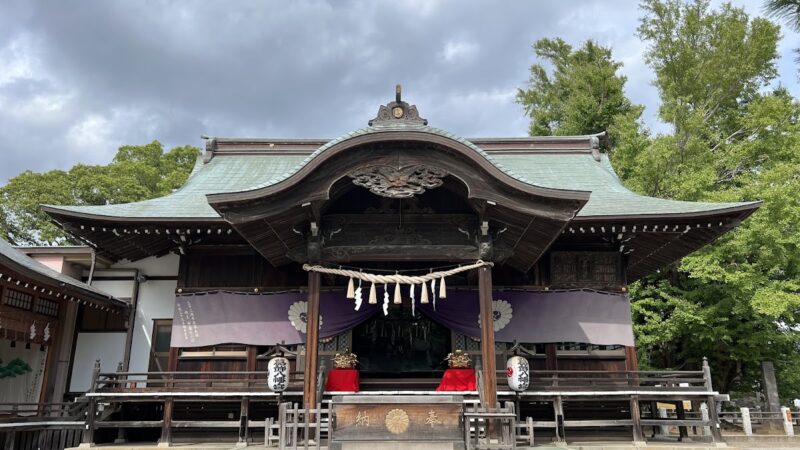
The main hall is the central building of Hondaiji Temple. The main hall houses the principal image of worship and is the most sacred space where daily services and various religious ceremonies are held. In Nichiren Buddhist temples, the main hall typically houses a statue of Shakyamuni Buddha or Nichiren Shonin.
The architectural style of the main hall exhibits characteristics of traditional Japanese temple architecture, allowing visitors to appreciate the beauty of wooden construction. Worshippers clasp their hands together in prayer and chant the Daimoku (a Buddhist mantra) before the main hall.
Temple Gate
The temple gate, the entrance to the temple, is a symbolic presence separating the secular world from the sacred realm. Passing through the gate allows one to leave the hustle and bustle of everyday life and prepare to purify their mind before worship.
The structure and decoration of the temple gate reflect the history and characteristics of each temple, making it a highly architecturally valuable element.
Bell Tower
Within the temple grounds is a bell tower, where a temple bell hangs. The bell is rung during morning and evening services and as the New Year’s Eve bell, its sound resonating throughout the surrounding area. The sound of the bell is believed to have the merit of dispelling worldly desires and purifying the mind, making it an important ritual implement in temples.
Cemetery
Hondaiji Temple has a cemetery for its parishioners, serving as a place for ancestral worship. The cemetery is well-maintained, and many parishioners visit during the equinox and Obon festivals.
Nichiren Buddhist gravestones often bear the inscription “Namu Myoho Renge Kyo,” expressing faith based on the teachings of the Lotus Sutra.
Nature within the Temple Grounds
The temple grounds offer beautiful natural scenery that changes with the seasons. Visitors can enjoy the changing scenery throughout the year, from cherry blossoms and plum blossoms in spring, lush greenery in summer, vibrant autumn leaves, and serene snowscapes in winter.
The temple gardens and plantings are not merely decorative; they are important elements that express a Buddhist worldview, allowing for peace of mind in harmony with nature.
Annual Events
New Year’s Day (Shushōe)
From January 1st to 3rd, a Buddhist service called Shushōe is held to welcome the new year. This is an important event to pray for peace and prosperity in the new year, and many parishioners and worshippers visit the temple for their first shrine visit of the year.
Setsubun Festival
Setsubun festivals are held in February, and events such as bean-throwing are sometimes performed. This is a traditional event to ward off evil spirits and pray for good health throughout the year.
Spring and Autumn Equinox Festivals
During the Equinox period, centered around the spring and autumn equinoxes, the Equinox Festival is held. As an important time for ancestor worship, many parishioners visit graves, and special services are held at temples.
Obon Festival (Urabon-e)
During the Obon period in August, the Urabon-e festival is held. This is an important Buddhist ceremony to welcome and honor the spirits of ancestors, and includes rituals such as Tanagyo (reciting sutras at each parishioner’s home) and Segaki (feeding of hungry ghosts) ceremonies.
Oeshiki Ceremony
Oeshiki is one of the most important ceremonies at Nichiren Buddhist temples. Held around October 13th, the anniversary of Nichiren Shonin’s death, it is a grand ceremony to commemorate the saint’s virtues and express gratitude.
New Year’s Eve Bell Ringing
On New Year’s Eve, the temple bell is rung. Ringing the bell 108 times symbolizes dispelling the 108 worldly desires and welcoming the new year with a pure heart.
Goshuin (Temple Seal) Information
About Goshuin (Temple Seals)
At Hondaiji Temple, it may be possible to receive a Goshuin as proof of your visit. A Goshuin is not merely a stamp rally; it has religious significance as a way to forge a connection with the temple and commemorate your visit.
A Goshuin (temple stamp) from a Nichiren Buddhist temple typically includes the mantra “Namu Myoho Renge Kyo,” the temple’s name, and the date, all written in ink, along with the temple’s seal.
Etiquette for Receiving a Goshuin
When receiving a Goshuin, please observe the following etiquette:
- First, pray: A Goshuin is proof of your visit, so always pray at the main hall before receiving it.
- Prepare a Goshuincho (stamp book): Use a dedicated Goshuincho; do not use other notebooks.
- At an appropriate time: Avoid visiting too early in the morning or too late in the evening; visit during the temple’s business hours.
- Request politely: Ask politely, “May I receive a Goshuin?”
- Offer a donation: A donation of approximately 300 to 500 yen is usually required for a Goshuin.
Importance of Prior Confirmation
Regarding the issuance of Goshuin (temple stamps), the procedures vary depending on the size and system of the temple. When visiting Hondaiji Temple, it is recommended to confirm in advance by phone or other means whether Goshuin are available.
Access Information
Location
For the exact location of Hondaiji Temple, it is recommended to check the latest information before visiting. Since there may be multiple Hondaiji Temples in Chiba Prefecture, it is important to know the exact address of the temple you wish to visit.
Access by Public Transportation
When using public transportation, it is common to take a bus or taxi from the nearest station. Since many temples in Chiba Prefecture are located far from stations, it is recommended to research access methods in advance.
Access by Car
When visiting by private car, enter the temple name or address into your car’s navigation system. It is advisable to check in advance whether parking is available.
Points to Note When Accessing the Temple
- Since the area around the temple is often a residential area, please be considerate of noise levels.
- When driving on narrow roads, please drive carefully, paying attention to oncoming traffic.
- The temple may be crowded during peak seasons (such as O-higan and Obon).
Manners and Etiquette for Visiting the Temple
Regarding Attire
When visiting a temple, please dress in clean and subdued attire. Avoid overly revealing or flashy clothing. Especially when attending a memorial service, subdued colors such as black or navy are appropriate.
Etiquette for Visiting the Temple
- A Bow at the Temple Gate: Bow before passing through the temple gate to compose yourself.
- Purifying at the Water Basin: If there is a water basin, purify your hands and mouth.
- Worship at the Main Hall: Stand up straight in front of the main hall, join your hands in prayer, and chant “Namu Myoho Renge Kyo.”
- Offering Money: Please quietly place your offering in the offering box. Avoid throwing it in.
- Bow Upon Exit: When leaving the temple grounds, turn around and bow.
Photography
Photography is generally permitted on the temple grounds, but please note the following:
- Photography inside the main hall may be prohibited.
- Please be considerate and avoid including other worshippers in your photos.
- Please refrain from taking photos during religious ceremonies.
- Please obtain permission before using a tripod.
Maintaining Silence
Temples are places of prayer and meditation. Please refrain from loud conversations and noisy behavior, and worship quietly. Set your mobile phone to silent mode and make calls outside the temple grounds.
Attractions Around Hondaiji Temple
Temple and Shrine Pilgrimage in Chiba Prefecture
Chiba Prefecture is home to many historical temples and shrines. When visiting Hondaiji Temple, exploring the surrounding temples and shrines will allow you to gain a deeper understanding of the region’s history and culture.
Nichiren Buddhist temples are particularly numerous in Chiba Prefecture, and the “Nichiren Pilgrimage,” which visits places associated with Nichiren Shonin, is a popular activity. Many important temples, such as Tanjoji Temple (Kamogawa City) and Seichoji Temple (Kamogawa City), are located within the prefecture.
Local Tourist Attractions
Around Hondaiji Temple, there are likely to be unique local tourist attractions and landmarks. Combining temple visits with exploring the region’s historical buildings, natural landscapes, and gourmet spots will make for a more fulfilling trip.
Accommodation
If you are visiting from afar, you can utilize nearby accommodations. Chiba Prefecture has many hot spring resorts and other resort facilities, allowing you to create a travel plan that combines temple visits with sightseeing.
Training and Learning at Hondaiji Temple
Sutra Copying Sessions
Many temples hold sutra copying sessions that are open to the public. Copying a portion of the Lotus Sutra can calm the mind and allow you to connect with the teachings of Buddhism.
Copying sutras is a practice that allows you to clear your mind of daily distractions and achieve meditative effects by concentrating on carefully writing characters. Many temples welcome beginners, so those interested should inquire at a temple.
Dharma Talks
Some temples regularly hold Dharma talks led by the head priest. This is a valuable opportunity to hear easy-to-understand explanations of Buddhist teachings and wisdom applicable to daily life.
Zen Meditation and Chanting
While Nichiren Buddhism focuses more on chanting (the practice of reciting the title of the Lotus Sutra) than Zen meditation, some temples hold chanting sessions open to the public. Actually chanting “Namu Myoho Renge Kyo” aloud can refresh both mind and body.
The Danka System and the Role of Temples
What is a Danka?
A Danka refers to a family that provides economic and spiritual support to a specific temple. Originating from the temple registration system of the Edo period, many temples still operate under the Danka system today.
Temple parishioners cooperate in the maintenance and management of the temple, and the temple performs funerals, memorial services, and ancestral rites for its parishioners. This reciprocal relationship maintains the connection between the temple and the local community.
The Role of Temples in Modern Times
In modern society, temples play a role beyond that of mere religious institutions:
- Spiritual Sanctuary: Functioning as a place to calm the mind in a stressful society
- Center of the Local Community: Utilized as a place for interaction among local residents
- Protection of Cultural Properties: Preservation of historical buildings and works of art
- Inheritance of Traditional Culture: Maintenance of Buddhist rituals and annual events
- Social Contribution Activities: Participation in welfare and educational activities
Nichiren Buddhism Teachings and Modern Life
The Merits of Chanting the Title
The title “Nam Myoho Renge Kyo,” the foundation of Nichiren Buddhism, is a practice that is easy for modern people to implement. It does not require a special place or time; it can be chanted in daily life.
Chanting the Daimoku (Buddhist mantra) in various situations, such as upon waking up in the morning, before work, or when facing difficulties, can help calm the mind and restore a positive attitude.
The Teachings of the Lotus Sutra
The Lotus Sutra teaches the principle of equality, stating that all people possess Buddha-nature and that everyone can attain Buddhahood. This teaching resonates with modern values such as respect for human rights and acceptance of diversity.
Application to Modern Society
The teachings of Nichiren Buddhism offer insights into various modern challenges:
- Stress Management: Mental stability through chanting the Daimoku
- Human Relationships: Cultivating compassion for others
- Goal Achievement: The importance of striving with conviction
- Social Contribution: Social participation based on the spirit of self-interest and benefiting others
Things to Know Before Visiting Hondaiji Temple
Visiting Hours
While temple visiting hours are generally from sunrise to sunset, specific times vary by temple. Especially if you wish to receive a Goshuin (temple stamp) or meet with the head priest, please contact the temple in advance to confirm appropriate times. ### Admission Fee
Normally, entry to the temple grounds is free, but there may be an admission fee for viewing special cultural properties or touring the interior of buildings. It’s best to check in advance.
Parking and Traffic Restrictions
Check in advance whether there is parking, the number of spaces, and the operating hours. Also, during annual events, surrounding roads may be congested, and traffic restrictions may be in place.
Accessibility Information
Elderly visitors and wheelchair users are advised to check the accessibility features of the temple grounds in advance. Historic temples may have many steps, so consider visiting with an assistant if necessary.
Weather Preparations
As worship takes place outdoors, preparations for the weather are necessary. Bring a parasol, hat, and drinking water in summer, and warm clothing in winter. An umbrella and rain gear are also necessary in rainy weather.
Summary
Hondaiji Temple is a Nichiren Buddhist temple in Chiba Prefecture with a long history and tradition. As a place where one can find peace of mind in a tranquil environment, Hondaiji Temple welcomes not only local residents but also a wide range of visitors.
By chanting the mantra “Namu Myoho Renge Kyo,” a teaching of the Nichiren sect, everyone can connect with the teachings of Buddha. While appreciating the nature and architecture of the temple grounds, you can spend time reconnecting with the hustle and bustle of everyday life and finding inner peace.
When visiting, it is important to observe proper etiquette and show respect to the temple. For specific information such as temple stamps and access methods, it is recommended to check with the temple in advance.
We hope that visiting Hondaiji Temple will provide you with an opportunity to experience traditional Japanese Buddhist culture and find inner peace. Please consider visiting Hondaiji Temple as part of your temple and shrine tour in Chiba Prefecture.