Complete Guide to Hokuso Tenmangu Shrine (Chiba Prefecture) | History, Deities, Access, and Visiting Information
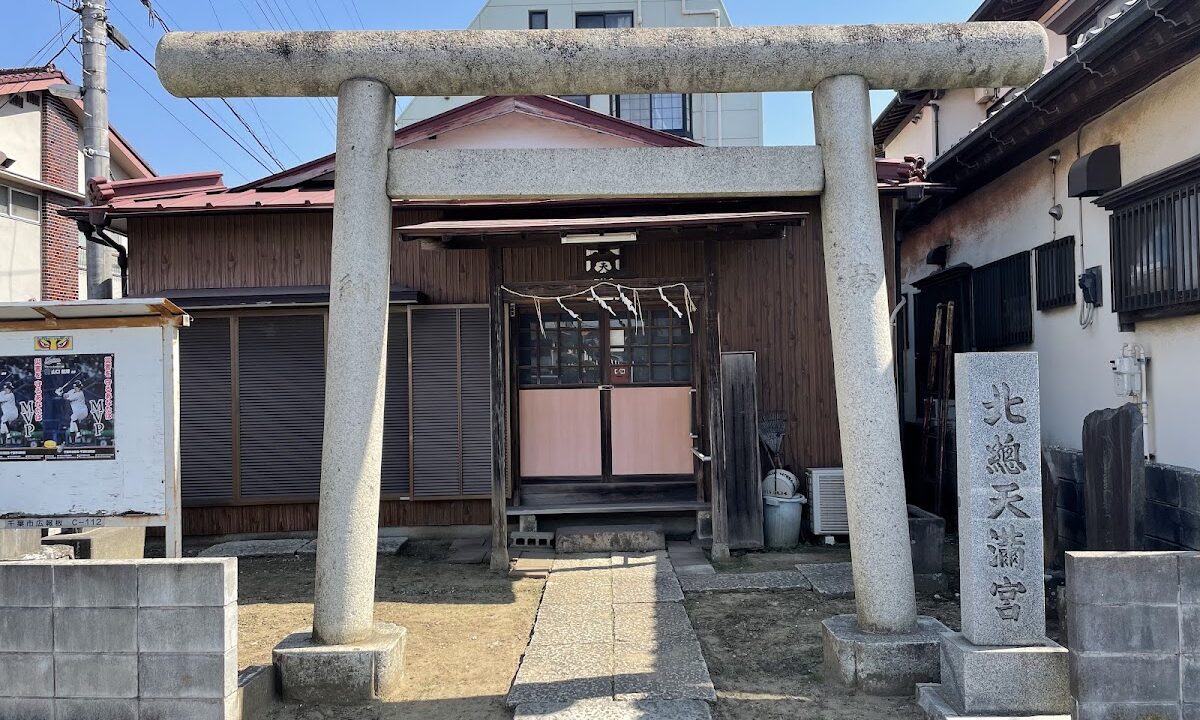
Hokuso Tenmangu Shrine, located in Dojo-kita, Chuo-ku, Chiba City, Chiba Prefecture, is a Tenmangu shrine dedicated to Sugawara no Michizane, known as the god of learning. While beloved by the local community, detailed information about this shrine is limited. This guide provides a comprehensive overview, from its historical background to visiting information.
About Hokuso Tenmangu Shrine
Hokuso Tenmangu Shrine is located at 1-2-3 Dojo-kita, Chuo-ku, Chiba City, approximately a 10-minute walk from Higashi-Chiba Station on the Sobu Main Line. Situated near Dojo Park, it is easily accessible from the center of Chiba City. Located east of Myoken Hongu Chiba Shrine, it plays an important role as a center of local faith.
The Significance of Tenmangu Shrines
Tenmangu shrines exist throughout Japan, enshrining Sugawara no Michizane, a scholar and politician of the Heian period, as their deity. Sugawara no Michizane was an outstanding scholar, and due to his academic talent, he is widely worshipped as the “God of Learning.” He is also revered as the god of calligraphy, the god of literature, and, due to his sincere character, the “God of Sincerity.”
About the Deity: Sugawara no Michizane
The deity enshrined at Hokuso Tenmangu Shrine is Sugawara no Michizane. Born in Kyoto in 845 (Jōwa 12), Michizane was a scholar and politician who displayed exceptional talent from a young age.
The Life of Sugawara no Michizane
Michizane became a scholar of literature at a young age and, gaining the trust of Emperor Uda, rose to the position of Minister of the Right. However, due to slander by Fujiwara no Tokihira, the Minister of the Left, he was demoted to Dazaifu in 901 (Engi 1) and died in 903 (Engi 3) at the age of 59. Following a series of strange occurrences in Kyoto, Kitano Tenmangu Shrine was founded in 947 (Tenryaku 1) in Kitano, Kyoto, to appease the vengeful spirit of Sugawara no Michizane.
Divine Virtues
The divine virtues of Sugawara no Michizane are diverse:
- Academic Achievement: As an excellent scholar, he grants blessings for passing examinations and improving academic performance.
- Improvement in Calligraphy: Known as a master calligrapher, he grants blessings for improvement in calligraphy and literature.
- Sincerity and Earnestness: Due to his sincere character, he is a symbol of honesty and integrity.
- Protection from Misfortune and Disaster: As a thunder god, he possesses the power to ward off disasters.
- Protection from Agriculture: Associated with Tenjin worship, he is the guardian deity of abundant harvests.
History and Origins of Hokuso Tenmangu Shrine
Regarding the detailed founding date and origins of Hokuso Tenmangu Shrine, there are few reliable records due to the limited number of existing documents. However, Tenmangu worship has been deeply rooted in Chiba Prefecture since ancient times, and it has a history of attracting the faith of local people.
Tenmangu Worship in Chiba Prefecture
There are several Tenmangu shrines in Chiba Prefecture. Particularly famous ones include:
- Ono Tenmangu (Ono-cho, Ichikawa City): An ancient shrine said to have been established in 938 AD by Taira no Masakado, who invited the deity from Kitano Tenmangu Shrine in Kyoto.
- Kawarago Tenmangu, Shiroi City: A Tenmangu shrine that attracts the faith of the local community.
- Shioda-cho Tenmangu (Chuo-ku, Chiba City): A Tenmangu shrine within walking distance of Hamano Station.
Similar to these Tenmangu shrines, Hokuso Tenmangu is also thought to have functioned as a central place of worship for learning and culture in the region.
Connection to the Hokuso Region
The name “Hokuso” refers to the northern region of Shimousa Province. This refers to the area from northern to northeastern Chiba Prefecture, which has historically formed its own unique cultural sphere. The name Hokuso Tenmangu Shrine is thought to indicate its role as a center of Tenmangu worship in this Hokuso region.
Shrine Grounds Guide
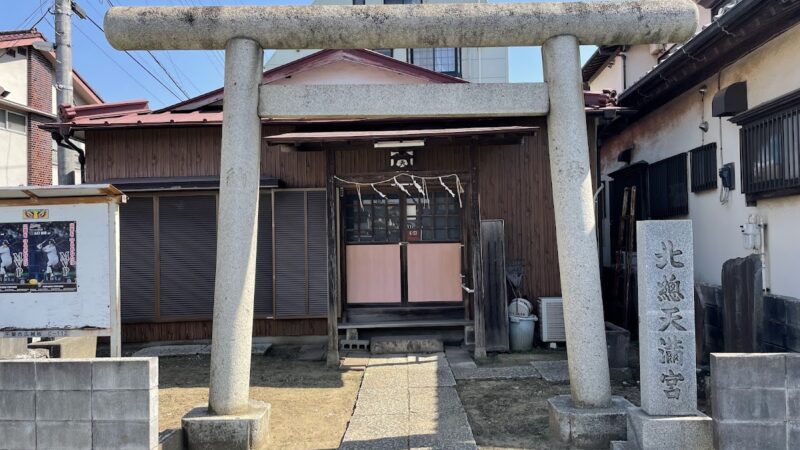
Despite its urban location, Hokuso Tenmangu Shrine maintains a tranquil atmosphere. Its proximity to Dojo Park makes it a familiar and welcoming shrine integrated into the lives of local residents.
Shrine Buildings
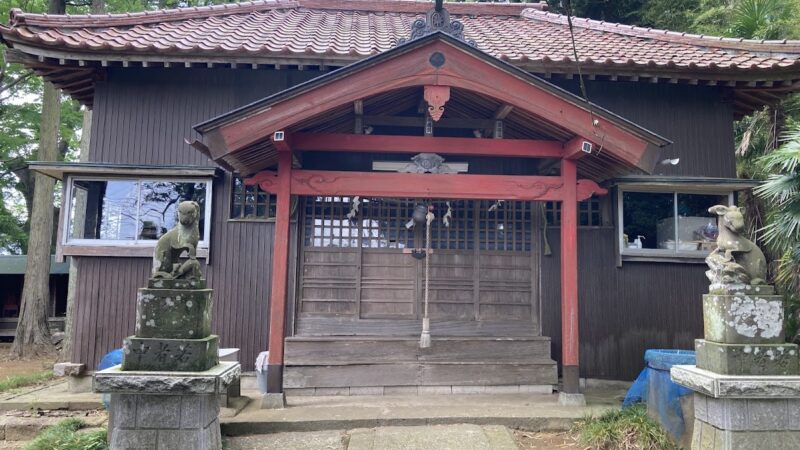
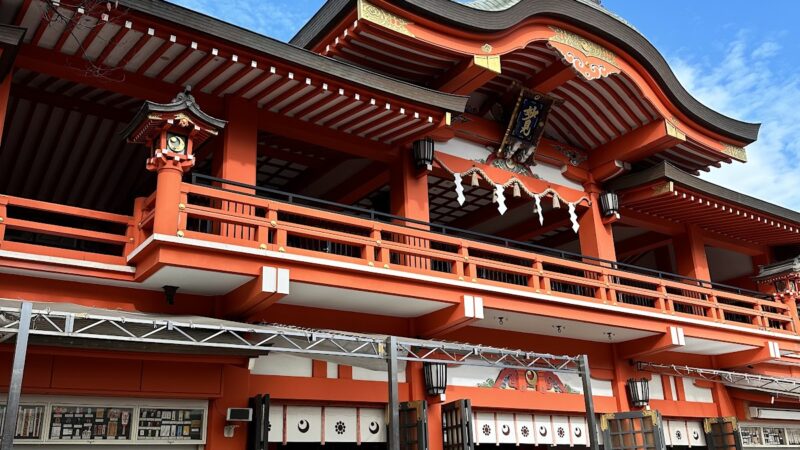
The shrine buildings of Hokuso Tenmangu Shrine exhibit a majestic appearance befitting a Tenmangu shrine. While many Tenmangu shrines typically feature plum blossom crests and ox statues related to the enshrined deity, Sugawara no Michizane, it is recommended to visit Hokuso Tenmangu Shrine in person to see its specific layout.
Surrounding Environment
Located east of Myoken Hongu Chiba Shrine, it can be included in a Chiba City shrine pilgrimage route. Dojo Park is nearby, allowing visitors to rest in the park after their visit.
About Visiting the Shrine
Visiting Hours
Regarding visiting hours at Hokuso Tenmangu Shrine, daytime visits are recommended, similar to most shrines. It is advisable to check the specific opening and closing times in advance. Many Tenmangu shrines generally allow visits from sunrise to sunset.
Etiquette for Visiting a Shrine
The basic etiquette for visiting a Tenmangu shrine is as follows:
- Bow before passing through the torii gate: This is a sign of respect before entering the sacred area.
- Purify yourself at the water basin: Purify your left hand, right hand, and mouth in that order, and finally purify the handle of the ladle.
- Avoid walking in the center of the path: The center is considered the path of the gods.
- Pray in front of the main hall: The basic procedure is two bows, two claps, and one bow.
- Bow upon leaving: Turn around and bow before leaving the torii gate.
Prayers and Blessings
At Tenmangu shrines, it is common to receive various prayers and blessings, such as for academic success, passing exams, protection from evil, and family safety. For prayers and blessings at Hokuso Tenmangu Shrine, it is recommended to inquire in advance. Many visitors are expected, especially during exam season.
New Year’s Visit and Annual Events
Tenmangu shrines hold various festivals and events throughout the year. The main events at typical Tenmangu shrines include:
- Hatsumode (January 1st-3rd): New Year’s visit
- Hatsutenjin (January 25th): The first festival of the new year
- Baika-sai (around February 25th): A festival held on the anniversary of Sugawara no Michizane’s death
- Tenjin-sai (around July 25th): The grand summer festival
- Shutenjin (December 25th): The last festival of the year
For specific event dates at Hokuso Tenmangu Shrine, we recommend checking directly.
Access Information
Location
Address: 1-2-3 Dojo-Kita, Chuo-ku, Chiba City, Chiba Prefecture 260-0001
Access by Train
- Approximately 10 minutes on foot from JR Sobu Main Line Higashi-Chiba Station
- Accessible by bus or on foot from JR Chiba Station
Higashi-Chiba Station is the next station to Chiba Station, one stop away (approximately 3 minutes). Hokuso Tenmangu Shrine is about a 10-minute walk from Higashi-Chiba Station.
Access by Car
Easily accessible from central Chiba City. Conveniently located near the Keiyo Expressway and Higashi-Kanto Expressway. We recommend checking parking availability in advance.
Major Facilities in the Surrounding Area
- Myoken Hongu Chiba Shrine: A famous shrine in Chiba City located to the west.
- Dojo Park: A nearby park.
- Chiba City Center: Abundant shopping and dining facilities.
Connections to Other Tenmangu Shrines in Chiba Prefecture
There are several Tenmangu shrines in Chiba Prefecture, each attracting local devotion. Visiting them together with Hokuso Tenmangu Shrine allows you to experience the widespread Tenmangu faith in Chiba Prefecture.
Ohno Tenmangu Shrine (Ichikawa City)
Ohno Tenmangu Shrine, located in Ohno-cho, Ichikawa City, is a historical Tenmangu shrine said to have been established by Taira no Masakado, who invited the deity from Kitano Tenmangu Shrine in Kyoto. It continues to attract worshippers as a subsidiary shrine within the grounds of Honkoji Temple. Founded during the Heian period, it is one of the most historically significant Tenmangu shrines in Chiba Prefecture.
Shioda-cho Tenmangu Shrine (Chuo-ku, Chiba City)
This Tenmangu shrine is within walking distance of JR Hamano Station and is characterized by its imposing roof and carvings. While it is a different shrine from Hokuso Tenmangu Shrine, it is located in the same Chuo-ku, Chiba City.
Shirai City Tenmangu Shrine
There is also a Tenmangu shrine in Kawarago, Shirai City, which functions as a center of local academic faith.
Points to Note and Manners When Visiting a Shrine
Attire
When visiting a shrine, clean and neat attire is desirable. Especially if you are receiving prayers, try to avoid overly casual clothing.
Photography
Photography is generally permitted on the shrine grounds, but please note the following:
- Do not take photos in areas where photography is prohibited, such as inside the main hall.
- Be considerate of other worshippers.
- Use flash sparingly.
- Remember that this is a sacred place.
Etiquette for Worship
- Do not speak loudly.
- Put your mobile phone on silent mode.
- Check in advance if pets are allowed.
- Take your trash with you.
- Eat and drink only in designated areas on the shrine grounds.
Worship as the God of Learning
Visiting During Exam Season
Tenmangu shrines are revered as the “God of Learning,” and many students and their parents visit, especially during exam season. At Hokuso Tenmangu Shrine, it is expected that many worshippers will visit to pray for success in exams and academic achievement.
Methods of Praying for Success in Exams
There are several ways to pray for success in exams:
- Receive a Prayer: Offer your prayers to the gods through a formal prayer.
- Write Your Wish on an Ema (Votive Tablet): Dedicate an ema at the ema area and imbue it with your wish.
- Receive an Amulet: Wear an amulet for academic success or passing exams.
- Regular Visits: Visit the shrine regularly to pledge your efforts.
Thank You Visit After Passing Exams
When your wish is granted, it is important to offer your thanks. Express your gratitude to the gods and return the ema and amulet. This is a traditional Japanese way of faith and an important custom for cultivating a healthy and sincere heart.
The Relationship Between Tenmangu Shrines and Oxen
Tenmangu shrines almost always have statues of oxen, known as “Nade-ushi” (stroking oxen) or “Gagyu” (lying oxen). This is due to the deep connection between Sugawara no Michizane and oxen.
The Legend of Michizane and the Ox
- Michizane was born in the Year of the Ox.
- When he was exiled to Dazaifu, an ox wept, longing for Michizane.
- The ox-drawn cart carrying Michizane’s body broke down at a certain point, and that spot became his burial place (the origin of Dazaifu Tenmangu Shrine).
- Michizane was very fond of oxen.
Based on these legends, oxen are considered divine messengers (messengers of the gods) at Tenmangu shrines.
The Benefits of the Stroke Ox
Stroketing the stroked ox is believed to bring the following benefits:
- Stroke the same part of the ox as the part of your body that is ailing, and you will become healthy.
- Stroke its head, and you will gain wisdom.
- Students taking exams stroke its head to pray for academic success.
Plum Blossoms and Tenmangu Shrine
Another symbol of Tenmangu shrines is the “plum blossom.” Sugawara no Michizane loved plum blossoms especially and composed many waka poems about them.
The Legend of the Flying Plum Tree
The most famous legend of Sugawara no Michizane and plum blossoms is the “Legend of the Flying Plum Tree.” When Michizane was exiled from Kyoto to Dazaifu, he composed a poem:
“When the east wind blows, send your fragrance to Dazaifu, O plum blossoms. Do not forget spring, even though your master is gone.”
(When the spring wind blows, send your fragrance to Dazaifu, O plum blossoms. Do not forget spring, even though your master is gone.)
The legend of the Flying Plum Tree tells of how, after composing this poem, a plum tree in Kyoto flew overnight to Dazaifu.
Plum Blossoms at Tenmangu Shrines
Many Tenmangu shrines have plum trees planted on their grounds, and in early spring, beautiful plum blossoms bloom. Visiting during the plum blossom season (February to March) allows you to worship amidst the fragrance of plum blossoms.
Points to Note When Visiting Hokuso Tenmangu Shrine
Recommended Time to Visit
- Plum Blossom Season (February-March): Enjoy the plum blossoms while visiting the shrine.
- New Year’s Visit (January 1st-3rd): Visit the shrine for the New Year.
- Before Exams: Ideal for praying for success.
- Weekday Mornings: Recommended for those who want to visit in peace.
Combine with Nearby Tourist Attractions
Hokuso Tenmangu Shrine is located in the heart of Chiba City, so you can visit it in conjunction with other tourist attractions:
- Myoken Hongu Chiba Shrine: One of Chiba City’s representative shrines.
- Chiba Castle (Local History Museum): A facility where you can learn about the history of Chiba City.
- Chiba City Center: Enjoy shopping and dining.
- Chiba Park: A park where you can enjoy nature in all four seasons.
Keeping a Record of Your Visit
If you collect Goshuin (shrine stamps), check if you can get one at Hokuso Tenmangu Shrine. Goshuin (temple/shrine stamps) are proof of your visit and also serve as a memento of your trip. It’s important to bring your goshuincho (stamp book) and make your request respectfully.
Modern Significance of Tenmangu Faith
A Sincere Attitude Towards Learning
The life of Sugawara no Michizane conveys to the present day the importance of a sincere attitude towards learning and honesty. Tenmangu shrines function not only as a place to pray for success in exams, but also as a place to reaffirm the importance of perseverance, just like Michizane.
Center of the Local Community
Shrines have historically functioned as the center of local communities. Hokuso Tenmangu Shrine also attracts the faith of local people and serves as a place to deepen community bonds. It is a place where intergenerational exchanges are born through festivals and events.
Cultural Inheritance
Visiting and participating in events at Tenmangu shrines is an important opportunity to pass on traditional Japanese culture to the next generation. Shrines offer immeasurable value as places where you can learn about and experience elements that form the foundation of Japanese culture, such as the etiquette of worship, the significance of festivals, and myths and legends.
Summary
Hokusō Tenmangū Shrine, located in Chūō-ku, Chiba City, Chiba Prefecture, is a Tenmangū shrine dedicated to Sugawara no Michizane. Widely revered as the god of learning, it attracts many visitors, including students preparing for exams. Its convenient location, approximately a 10-minute walk from Higashi-Chiba Station, makes it easy to visit along with other shrines such as Myōken Hongū Chiba Shrine.
Visiting a Tenmangū shrine is not merely about making wishes; it’s also an opportunity to learn from Sugawara no Michizane’s sincere attitude towards learning and his honest way of life. It’s important to quiet your mind within the shrine grounds, pledge your own efforts, and express gratitude.
When visiting Chiba City, why not visit Hokusō Tenmangū Shrine and pay your respects to the god of learning? This tranquil setting will provide a precious time to compose your mind and solidify your new resolve.
When visiting, please observe proper etiquette and be considerate of other worshippers. And when your wish is granted, be sure to offer your thanks. A continuous connection with the shrine contributes to mental well-being and a sincere way of life.
May your visit to Hokuso Tenmangu Shrine be a fruitful experience. May the divine blessings of Tenmangu Shrine watch over you in academic success, passing exams, and in various aspects of your life.