
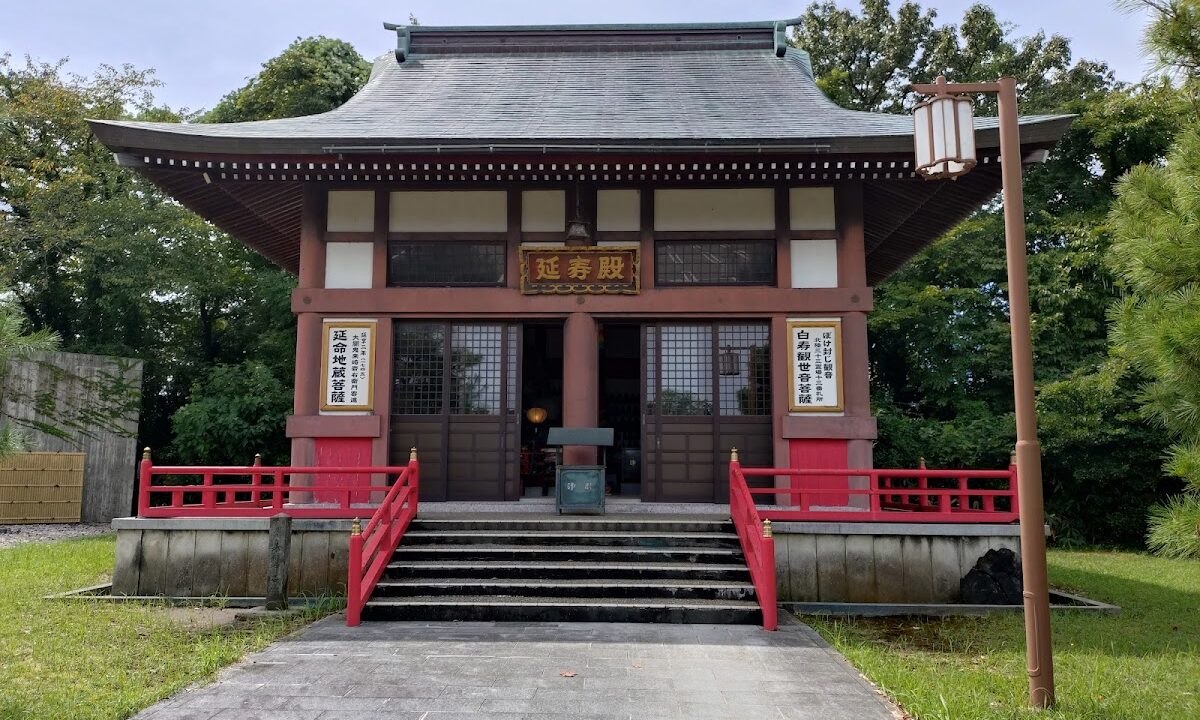
Complete Guide to Shufukuji Temple (Nomi City, Ishikawa Prefecture) | Highlights and Goshuin Information for the Temple that Gathers Good Fortune in Tatsunokuchi Onsen
Shufukuji Temple, located in Tatsunokuchi Onsen in Nomi City, Ishikawa Prefecture, is a temple that has long attracted worshippers as a “temple that gathers good fortune,” as its name suggests. As the thirteenth temple on the Hokuriku Hakuju Kannon Pilgrimage and a temple possessing important cultural properties of Nomi City, it attracts many worshippers not only from the local area but also from far away. This article provides detailed information you should know before visiting, including the history of Shufukuji Temple, its highlights, goshuin information, and access methods.
History and Origin of Shufukuji Temple
History and Connection to Tatsunokuchi Onsen
Shufukuji Temple is a historic temple that has walked hand in hand with the development of Tatsunokuchi Onsen. Tatsunokuchi Onsen is known as an ancient hot spring with a history of over 1400 years since its opening, and Shufukuji Temple has been rooted in the community as a spiritual support for this hot spring resort. The auspicious name of the temple, “Shūfuku,” symbolizes the unique culture of this hot spring resort, where people heal their bodies in the hot springs and their minds at the temple.
Faith as a “Temple that Gathers Fortune”
The name Shūfuku-ji literally means “gathering fortune,” and it has long attracted the faith of people praying for good fortune, family safety, and business prosperity. Especially since the Edo period, it has developed as an important sacred site in the Hokuriku region, and today it is visited by many pilgrims as one of the pilgrimage sites for the Hokuriku Hakuju Kannon.
Highlights of Shūfuku-ji
The Largest Stone Jizo Bodhisattva Statue in the Hokuriku Region
The greatest highlight of Shūfuku-ji is the stone seated Jizo Bodhisattva statue, dedicated during the Kyōhō era (1716-1735). This Jizo Bodhisattva statue was donated by Onikizaki Iwaemon, a sumo wrestler who was a prominent Ozeki (second-highest rank) in Edo-period sumo, and is the largest in the Hokuriku region.
The fact that it was donated by a sumo wrestler is also interesting; it is said that Onikizaki Iwaemon, who was active in the world of sumo, donated it as a way of giving back to his hometown and as a testament to his faith. This seated Jizo Bodhisattva statue is designated as a cultural property of Nomi City, and its majestic appearance overwhelms visitors. Despite being made of stone, the Jizo Bodhisattva has a serene expression that soothes the hearts of those who behold it.
Hakuju Kannon for Preventing Dementia
Shūfuku-ji Temple is the thirteenth temple on the Hokuriku Hakuju Kannon Pilgrimage, and enshrines the Hakuju Kannon, believed to prevent dementia. In today’s aging society, it has become a popular spot for worshippers praying for dementia prevention and healthy longevity.
Visiting the Hakuju Kannon (White Longevity Kannon) holds significant meaning not only for one’s own health and longevity, but also for those wishing for a healthy old age for family and loved ones. A peaceful space is provided where one can quietly clasp their hands together before the Kannon and offer prayers with a calm heart.
Obenzuru-san (Nade-butsu)
Shūfuku-ji Temple enshrines a nade-butsu called “Obenzuru-san.” It is believed that stroking the same part of this Buddha as the part of one’s own body that is ailing will cure illness, and it has long attracted the faith of people praying for recovery from illness.
The name “Benzuru” is said to originate from a local dialect and is used affectionately. Because many worshippers stroke the statue while praying for their own health, its surface is polished smooth, a testament to the deep faith that has been shown over the years.
Goshuin (Temple Seal) Information
Goshuin available at Shūfuku-ji Temple
You can receive a goshuin at Shūfuku-ji Temple. The Goshuin (temple stamp) from the thirteenth temple of the Hokuriku Hakuju Kannon Pilgrimage is a significant memento for those undertaking the pilgrimage. The Goshuin features the temple’s name, “Shūfuku-ji,” along with calligraphy related to Hakuju Kannon and Jizo Bodhisattva.
Notes on Receiving a Goshuin
Goshuin can be obtained during visiting hours (9:00 AM to 4:00 PM), however, this may not be possible during religious services or events. It is recommended to call ahead to confirm before visiting. Bringing your Goshuincho (stamp book) and making a polite request is considered proper etiquette.
A Goshuin is not merely a stamp; it is proof of your visit and a way to connect with the Buddha. Please receive it with gratitude after a sincere visit.
Basic Information and Access
Location and Contact Information
Address: 35-1 Tatsuguchi Nu, Nomi City, Ishikawa Prefecture 923-1245
Phone Number: 0761-51-3623
FAX Number: 0761-51-7398
Visiting Hours: 9:00 AM – 4:00 PM
Access by Public Transportation
From the east exit of JR Kanazawa Station, take the Hokuriku Railway bus bound for Midorigaoka and get off at the “Tatsuguchi Onsen” bus stop. It’s about a 3-minute walk from there. Since bus service is limited, it’s recommended to check the timetable in advance.
The area around the Tatsuguchi Onsen bus stop is a well-developed hot spring town, and the route to Shufukuji Temple is clearly marked. Enjoying the atmosphere of the hot spring town while walking is one of its charms.
Access by Private Car
It’s about a 20-minute drive from the Komatsu or Mikawa Interchanges on the Hokuriku Expressway. There is parking available around the temple, but it can get crowded during long holidays and events, so it’s recommended to allow plenty of time for your visit.
If using a car navigation system, entering the phone number (0761-51-3623) or address will provide accurate directions.
Nearby Tourist Attractions and Hot Springs
The Charm of Tatsunokuchi Onsen
Tatsunokuchi Onsen, where Shufukuji Temple is located, is an ancient hot spring with a history of over 1400 years. The spring water is a sodium-calcium chloride spring, said to be effective for neuralgia, muscle pain, joint pain, and poor circulation. Relaxing in the hot springs after visiting Shufukuji Temple is a unique charm of this area.
Recommended Hot Spring Inn
Tatsunokuchi Onsen Tagawa Ryusenkaku is a long-established hot spring inn within walking distance of Shufukuji Temple. Guests can enjoy free-flowing hot spring water and cuisine made with local ingredients. Day trips for bathing are also possible, making it ideal for a stop after visiting the temple.
Kanazawa Tatsunokuchi Onsen Matsusaki is another popular hot spring inn, boasting spacious public baths and open-air baths. In addition to overnight stays, they also offer day-trip plans with lunch, allowing you to enjoy it in conjunction with a visit to Shufuku-ji Temple.
Other Attractions in Nomi City
Nomi City has many attractions besides Shufuku-ji Temple. Known as a production center for Kutani ware, Nomi City has many facilities where you can experience traditional crafts, such as the Kutani Pottery Village and the Asakura Isoyoshi Museum. Ishikawa Zoo is also a popular spot for families.
Points and Manners for Visiting a Temple
Etiquette for Visiting a Temple
When visiting a temple, first bow at the main gate before entering the grounds. If there is a water basin, purify your hands and mouth before proceeding to the main hall. In the main hall, quietly clasp your hands together and offer your prayers with sincerity.
At Shūfuku-ji Temple, we recommend paying respects to each of the Buddhist statues enshrined there, each with its own significance: the stone seated Jizo Bodhisattva statue, the Hakuju Kannon, and Obenzuru-san.
Photography
Photography is generally permitted on the temple grounds, but prior confirmation is necessary regarding photography inside the main hall and of the Buddhist statues. Please be mindful of other visitors and take photos quietly.
Clothing and Belongings
There are no specific dress code requirements, but it is desirable to dress appropriately for a sacred place like a temple. Avoid revealing clothing even in summer, and take adequate precautions against the cold in winter.
If you wish to receive a Goshuin (temple stamp), please bring a Goshuincho (stamp book). Those undertaking the Hokuriku Hakuju Kannon Pilgrimage should bring a special Nokyōcho (pilgrimage stamp book).
Annual Events and Festivals
Main Annual Events
Shūfuku-ji Temple holds various Buddhist services and events throughout the year. Traditional Buddhist ceremonies such as the Obon (Buddhist festival) memorial service and the spring and autumn equinox memorial services are held here. Participating in these events allows you to experience the atmosphere of the temple more deeply.
Special Visiting Days
As a pilgrimage site on the Hokuriku Hakuju Kannon Pilgrimage, special services are sometimes held on the 18th of each month, which is the Kannon’s auspicious day. The temple is also bustling with many visitors during seasonal milestones such as New Year’s Day and Setsubun (bean-throwing festival).
Seasonal Attractions of Shufuku-ji Temple
Spring at Shufuku-ji Temple
In spring, the cherry blossoms in the temple grounds bloom beautifully, enveloping the entire hot spring town in a vibrant atmosphere. In the season of fresh greenery, the temple grounds, surrounded by natural forest, are filled with refreshing air, allowing you to refresh both mind and body.
Summer at Shufuku-ji Temple
Summer is a season of lush greenery and pleasant shade. Visitors seeking respite from the heat come to the temple, often combining it with a soak in the Tatsunokuchi Onsen hot springs. The temple grounds, filled with the sound of cicadas, evoke the atmosphere of a Japanese summer.
Autumn at Shufuku-ji Temple
In autumn, the temple grounds are beautifully colored in red and yellow with the vibrant autumn leaves. Autumn in the Hokuriku region is relatively short, but the beauty of the autumn foliage is exceptional. It’s a luxurious season where you can enjoy hot springs, autumn leaves, and temple visits all at once.
Winter at Shufuku-ji Temple
Winter in the Hokuriku region brings heavy snowfall, and the grounds of Shufuku-ji Temple are enveloped in a blanket of snow. The stone statue of Jizo Bodhisattva, surrounded by snow, exudes an even more solemn atmosphere. After a winter visit, the warmth of the hot springs is especially comforting.
Shufuku-ji Temple and Local Culture
The Role of Shufuku-ji Temple in Nomi City
Shufuku-ji Temple, as a temple possessing important cultural properties of Nomi City, plays a role in conveying the history and culture of the region. The stone statue of Jizo Bodhisattva, designated as a city cultural property, is a valuable cultural heritage that conveys the high level of stone carving technology of the Edo period. ### Relationship with Tatsunokuchi Onsen Town
Shūfuku-ji Temple is the spiritual center of Tatsunokuchi Onsen Town and is closely intertwined with the hot spring culture. As the term “onsen therapy” suggests, there was once a culture where healing the body in hot springs was combined with healing the mind at temples. Shūfuku-ji Temple continues this tradition today.
Visitor Voices and Reputation
The Charm of the Name “Gathering Fortune”
Many visitors are drawn to the auspicious name “Shūfuku-ji Temple.” For those wishing for good fortune and prosperity, the name itself is a major attraction, with some saying, “Just hearing the name makes me feel happy.”
Impression of the Stone Jizo Bodhisattva Statue
Visitors who have actually seen the stone Jizo Bodhisattva statue, the largest in the Hokuriku region, have commented, “I was overwhelmed by its size and presence, which exceeded my expectations,” and “My heart was healed by its serene expression.”
Quiet and Peaceful Atmosphere
Shūfuku-ji Temple is not a large-scale tourist temple, and is appreciated for its quiet and peaceful atmosphere, allowing visitors to worship at their own pace. Many visitors comment that they were able to “escape the hustle and bustle and find peace of mind.”
Summary: Refresh Your Mind and Body at Shūfuku-ji Temple
Located in Tatsunokuchi Onsen, Nomi City, Ishikawa Prefecture, Shūfuku-ji Temple, true to its auspicious name meaning “temple that gathers good fortune,” is a temple that brings happiness and healing to its visitors. It enshrines various Buddhas, each with its own meaning, including the largest stone Jizo Bodhisattva statue in the Hokuriku region, the Hakuju Kannon for preventing dementia, and the Benzuru-san for healing illnesses, warmly welcoming visitors with various wishes.
As the thirteenth temple on the Hokuriku Hakuju Kannon Pilgrimage, it is also an important temple for pilgrims, and you can receive a Goshuin (temple stamp). Located in the historic Tatsunokuchi Onsen hot spring resort, another major attraction is the opportunity to relax and soothe your fatigue in the hot springs after your visit.
Conveniently located, accessible by bus from JR Kanazawa Station and about 20 minutes by car from the Hokuriku Expressway interchange, the temple grounds offer a different atmosphere in each of the four seasons, providing new discoveries with every visit.
When visiting Nomi City, why not stop by Shufuku-ji Temple, offer a peaceful prayer, and gather some good fortune? Praying before the stone Jizo Bodhisattva statue, wishing for health and longevity at the Hakuju Kannon, and stroking the Benzuru statue for recovery from illness—such time will surely bring peace to your heart.


