Iwakura-ji Temple (Wajima City, Ishikawa Prefecture) Complete Guide | A Kannon Pilgrimage Site for Maritime Safety with a 1300-Year History
Iwakura-ji Temple, nestled on the slopes of Mt. Iwakura in Wajima City, Ishikawa Prefecture, is a renowned Shingon Buddhist temple boasting a history of approximately 1300 years. Located on the slopes of Mt. Iwakura, at an altitude of 357 meters, overlooking the Sea of Japan, it is a representative Kannon pilgrimage site of the Noto Peninsula, attracting many worshippers. Its principal image is a Thousand-Armed Kannon said to have been recovered from the sea.
History and Origin of Iwakura-ji Temple
An Ancient Temple Dating Back to the Asuka Period
The founding of Iwakura-ji Temple is said to date back to the Asuka period, and its official name is “Hakuchizan Iwakura-ji.” As an ancient temple with a history of over a thousand years, it has played a central role in the Buddhist culture of the Noto region. The current main hall was rebuilt approximately 500 years ago (Muromachi period), and it is an architectural structure that conveys the weight of its long history.
The Legend of the Principal Image Pulled from the Sea
An intriguing legend surrounds the principal image of Iwakura-ji Temple, the Thousand-Armed Kannon. This Kannon statue is said to be a hidden Buddha, discovered by a fisherman in the Sea of Japan and enshrined on Mount Iwakura. Because of this origin, the Thousand-Armed Kannon is also known as the “Bodhisattva of Maritime Safety” and is deeply revered as a guardian deity of the sea. The geographical characteristics of the Noto Peninsula, surrounded by the sea, have profoundly influenced the form of worship at this temple.
Cultural Assets and Highlights of Iwakura-ji Temple
A Treasure Trove of Wajima City Designated Cultural Properties
Iwakura-ji Temple houses many valuable cultural assets, and their value is extremely important in telling the history of the region.
Main Cultural Properties:
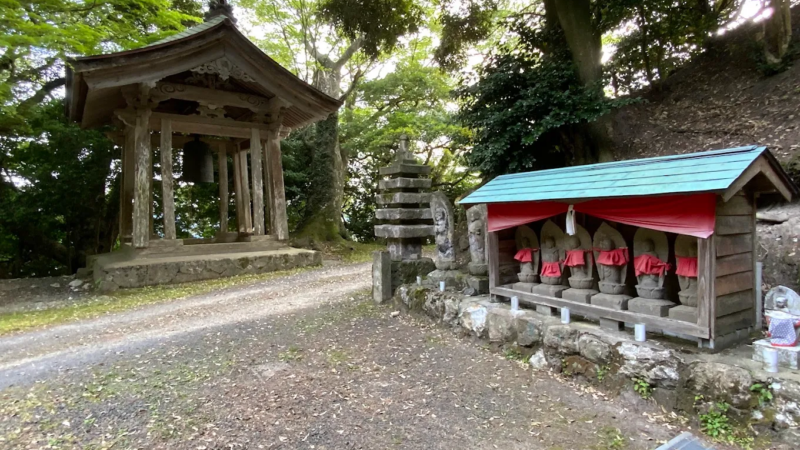
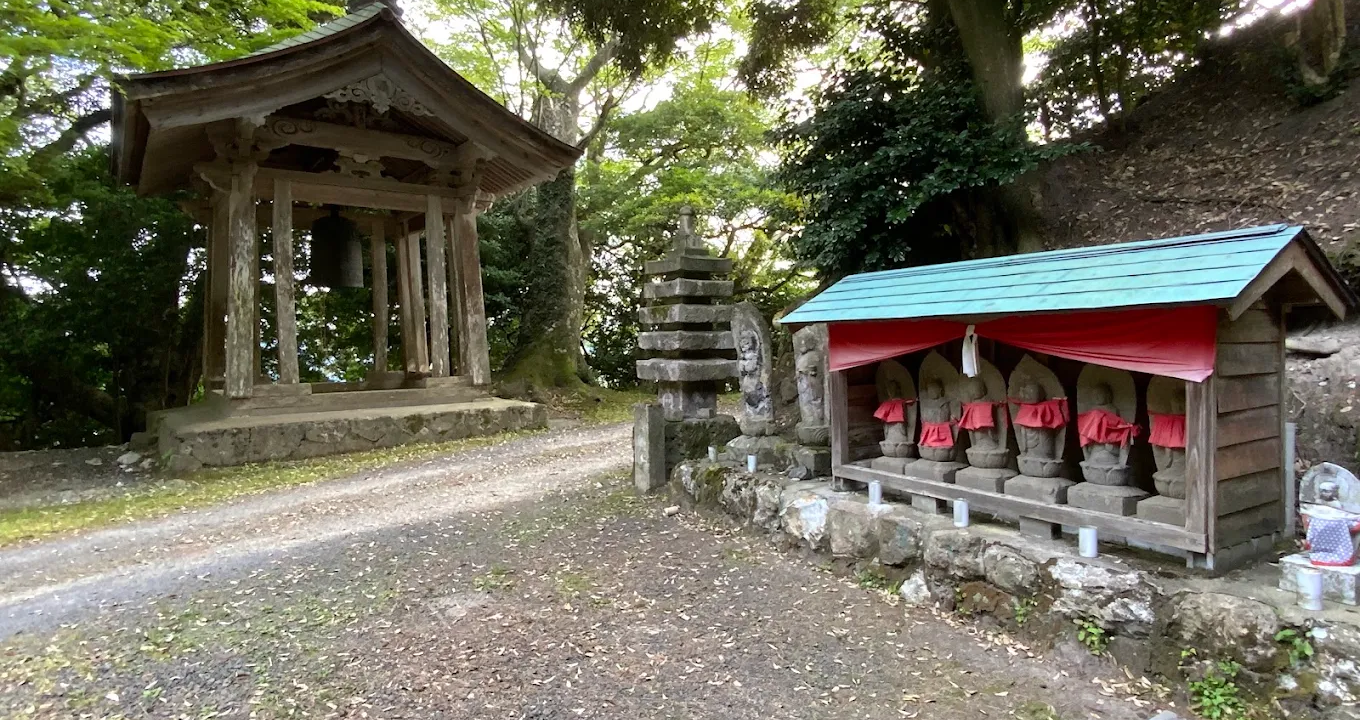
- Stone Five-Storied Pagoda: A valuable stone structure quietly standing within the temple grounds, a designated cultural property of Wajima City, dating from the Kamakura period.
- Hokyoin Pagoda: A representative example of stone art from the Kamakura period.
- Cliffside Buddha: A Buddha statue carved into a rock face, a valuable legacy conveying the form of belief in the Middle Ages.
- Esoteric Buddhist Ritual Tools: Ritual tools passed down through generations as a Shingon Buddhist temple.
- Ancient Documents: Important documents recording the history of the temple and the changes in the region.
- Black Lacquer Engraved Ridgepole Plaque: A valuable document showing the history of the architecture.
Main Hall with a History of Approximately 500 Years
The current main hall is a historical building over 500 years old, characterized by its richly aged exterior. Exposed to the sea breeze from the Sea of Japan, its long-preserved appearance speaks to the harsh natural environment of Noto and the depth of the people’s faith.
Iwakura-ji Temple as a Sacred Site
The 16th Temple of the Hokuriku Thirty-Three Kannon Pilgrimage
Iwakura-ji Temple is the 16th temple of the Hokuriku Thirty-Three Kannon Pilgrimage, making it an important pilgrimage site for pilgrims. As a central figure in Kannon worship in the Hokuriku region, it attracts many pilgrims.
The 32nd Temple of the Noto Thirty-Three Kannon Pilgrimage
It is also the 32nd temple of the Noto Thirty-Three Kannon Pilgrimage, making it an indispensable temple for Kannon pilgrimages on the Noto Peninsula. As a place of faith deeply rooted in the community, it is cherished by local people.
The Benefits and Faith of Iwakura-ji Temple
Guardian Deity of Maritime and Traffic Safety
The principal image, the Thousand-Armed Kannon, is particularly known for its maritime safety benefits, stemming from its origin of being recovered from the sea. In the Noto Peninsula, where fishing is thriving, it has attracted the faith of people praying for safety at sea.
In modern times, this belief has expanded to encompass traffic safety in general, attracting worshippers who pray for safety on all means of transportation, including cars and boats.
Family Safety and Fulfillment of Wishes
In addition to maritime and traffic safety, the temple is also widely known for its family safety benefits. Many worshippers visit to pray for the health and happiness of their families through the compassionate power of the Thousand-Armed Kannon.
Goshuin (Temple Seal) Information
At Iwakura-ji Temple, you can receive a Goshuin as proof of your visit. It is a valuable Goshuin for pilgrims of the Hokuriku Thirty-Three Kannon Pilgrimage and the Noto Thirty-Three Kannon Pilgrimage.
Notes Regarding Goshuin:
Due to the effects of the Noto Peninsula Earthquake in January 2024, the situation regarding worship and Goshuin issuance may have changed. We recommend checking the latest information before visiting. During some periods, Goshuin were issued at substitute temples (such as Myokan-in Temple in Nanao City).
Access to Iwakura-ji Temple
Location
Address: 16-8 Nishitokikuni, Machino-machi, Wajima City, Ishikawa Prefecture 928-0205
Phone Number: 0768-32-0139
Access by Car
Iwakura-ji Temple is located on the slopes of Mt. Iwakura, making it easily accessible by car.
- From Kanazawa Station: Approximately 2 hours via the Noto Satoyama Expressway
- From Wajima City: Approximately 20 minutes by car
- Parking: Parking available on the temple grounds
Access by Public Transportation
Public transportation is limited, so renting a car or taking a taxi is recommended.
Nearby Tourist Attractions
Sozogi Coast
The Sozogi Coast, visible from Iwakura-ji Temple, is a representative scenic spot of the Noto Peninsula. The coast features a series of strangely shaped rocks and cliffs created by the rough waves of the Sea of Japan, offering a magnificent view of nature. This is a scenic spot you should visit in conjunction with a visit to Iwakura-ji Temple.
Nishi Tokikuni House
Located in the Nishi Tokikuni district of Machino-machi, the same town as Iwakura-ji Temple, the Tokikuni House is the residence of a wealthy farmer, steeped in legends of Heike clan refugees. The building, designated as an Important Cultural Property, is a valuable legacy that conveys the history and culture of Noto.
Wajima Morning Market
The Wajima Morning Market, a classic Noto tourist spot, is also within a 30-minute drive. Fresh seafood and local specialties are on display, allowing you to experience Noto’s food culture.
Points to Note When Visiting
Caution When Driving on Mountain Roads
Because the temple is located on the slopes of Mt. Iwakura, the road to the temple is a mountain road. Especially in winter, there is a possibility of snow and ice, so extra caution is required when driving.
Clothing and Items to Bring
Because it is located in a mountainous area, temperatures may be lower than in the lowlands. Prepare clothing appropriate for the season. Also, since the temple grounds have stone steps and uneven terrain, comfortable walking shoes are recommended.
Regarding the Impact of the Noto Peninsula Earthquake
The Noto Peninsula Earthquake, which occurred in January 2024, caused significant damage to Wajima City. We strongly recommend that you check the status of Iwakura-ji Temple and whether it is open to visitors by phone beforehand, or gather the latest information before visiting.
The Charm of Iwakura-ji Temple and the Significance of Visiting
A Space of Prayer Enveloped in Silence
Located on the slopes of Mt. Iwakura, it offers a tranquil environment far removed from the secular world. The temple grounds, surrounded by abundant nature, provide an ideal space for calming the mind and offering prayers. Many visitors praise its “quiet and peaceful atmosphere” and the “ability to pray at a leisurely pace.”
Experiencing the History and Faith of Noto
With a long history of 1300 years, Iwakura-ji Temple is a valuable resource that conveys the evolution of Buddhist culture in the Noto Peninsula. From cultural artifacts of the Kamakura period to the main hall of the Muromachi period, the forms of faith from each era remain on the temple grounds.
Prayers to the Kannon Watching Over the Sea
The principal image, a Thousand-Armed Kannon said to have been recovered from the Sea of Japan, symbolizes the deep connection between the people of Noto and the sea. This faith in maritime safety continues today in the form of traffic safety, watching over the safety of many people.
Best Season for Visiting Iwakura-ji Temple
Spring (April-May)
The season of fresh greenery is beautiful, and visitors can enjoy the refreshing air. Road conditions are also good after the snow melts.
Summer (June-August)
The lush green temple grounds are cool, making it suitable for escaping the summer heat. However, caution is needed regarding sudden weather changes typical of mountainous areas.
Autumn (September-November)
The autumn foliage season is particularly beautiful, offering a landscape where the entire mountain is ablaze with color. This is the perfect season to enjoy both worship and nature appreciation.
Winter (December to March)
While temples amidst snowy landscapes possess a profound beauty, road conditions may deteriorate due to snow and ice. Winter visits require thorough preparation and caution.
Iwakura-ji Temple and the Reconstruction of Noto
The Noto Peninsula earthquake in January 2024 caused extensive damage to Wajima City. Iwakura-ji Temple, as part of the affected area, may also be facing difficult circumstances.
Support for the region through tourism and pilgrimage plays a crucial role in the reconstruction of the Noto Peninsula. When visits become possible again, a visit to Iwakura-ji Temple will contribute to the reconstruction of Noto.
Summary: The Value and Charm of Iwakura-ji Temple
Iwakura-ji Temple in Wajima City, Ishikawa Prefecture, is a temple with many attractions, including its 1300-year history, a Thousand-Armed Kannon statue recovered from the sea, abundant cultural assets, and a spectacular view overlooking the Sea of Japan.
As a pilgrimage site for both the Hokuriku Thirty-Three Kannon Pilgrimage and the Noto Thirty-Three Kannon Pilgrimage, Iwakura-ji Temple is an important place of worship for pilgrims and continues to attract the faith of people praying for safety at sea, traffic safety, and family safety.
Within its tranquil grounds, Iwakura-ji Temple allows visitors to feel the history and nature of Noto, as well as the accumulated prayers of its people. It is a precious pilgrimage site that you should definitely visit when visiting Ishikawa Prefecture.
When visiting, we recommend checking the latest information and offering your prayers with a spirit of support for the recovery of the Noto Peninsula. May the compassion of the Thousand-Armed Kannon bring safety and happiness to all who visit.