Aizen-in Ganshoji Temple (Iga City, Mie Prefecture) Complete Guide | The History of Matsuo Basho’s Family Temple and Hometown Mound
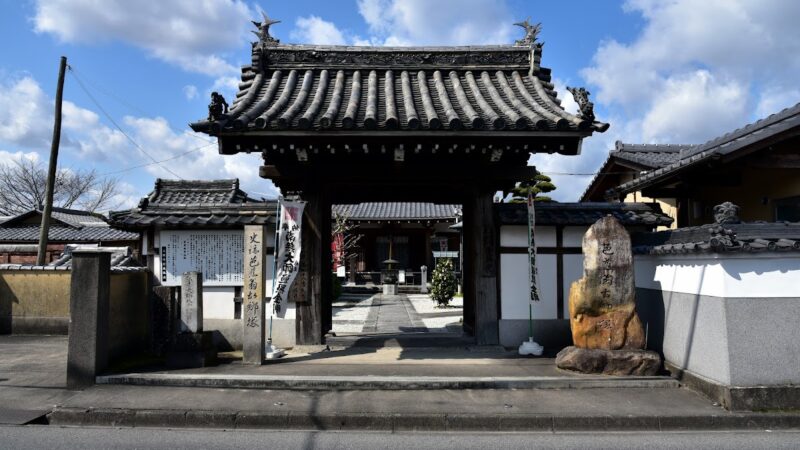
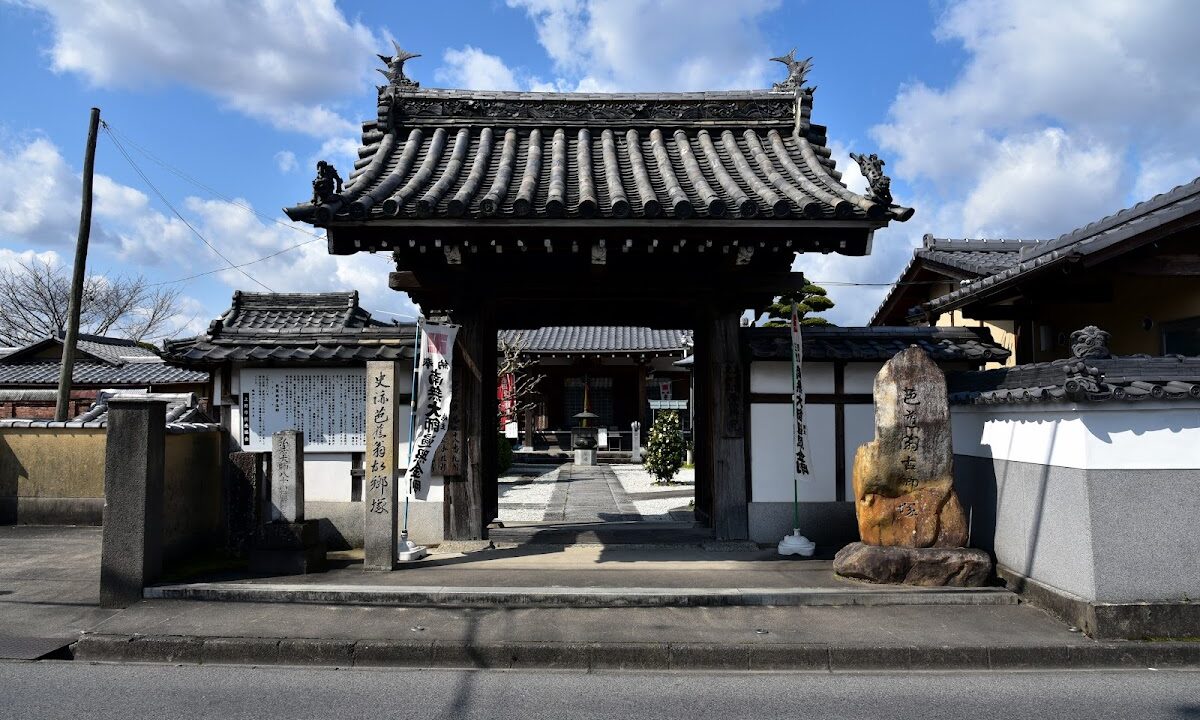
Located in Ueno Nōjin-chō, Iga City, Mie Prefecture, Aizen-in Ganshoji Temple is a venerable temple of the Buzan branch of the Shingon sect, widely known as the family temple of Matsuo Basho, Japan’s most celebrated haiku master. This temple, officially named Henkōzan Aizen-in Ganshoji, enshrines Aizen Myōō as its principal deity, and its grounds contain the “Hometown Mound,” where Basho’s hair is enshrined, making it a pilgrimage site for many literature lovers and haiku enthusiasts.
This article provides a detailed overview of Aizen-in Ganshoji Temple, including its history, deep connection to Matsuo Basho, highlights of the temple grounds, information on temple stamps, and access methods.
History and Origins of Aizen-in Ganjoji Temple
Founding and Origin of the Temple’s Name
Aizen-in Ganjoji Temple is a Buddhist temple belonging to the Buzan branch of the Shingon sect, with the mountain name Henkōzan, the temple name Aizen-in, and the temple name Ganjoji. Its official name is “Henkōzan Aizen-in Ganjoji.”
While there are no clear records of the temple’s founding date, it has long been a center of faith in this region. The temple name “Aizen-in” originates from the principal deity, Aizen Myōō, and is affectionately known locally as “Aizen-in” or “Aizen-san.”
Miraculous Powers of the Principal Deity, Aizen Myōō
The statue of Aizen Myōō, the principal deity of Aizen-in Ganjoji Temple, is a precious Buddhist statue said to have been created by Kūkai, Kōbō Daishi. This Aizen Myōō is associated with many historical tales of miraculous powers.
In the early Kamakura period, it is said that when Kenpo Sojo, the head priest of Daigo-ji Temple, performed a ritual to pray for the recovery of Emperor Go-Toba from illness, the emperor’s illness was immediately cured, and the prayer was answered. Legend says that Aizen Myoo emitted a miraculous spiritual light at that time, and this story of “prayer fulfillment” is thought to be the origin of the temple’s name, “Gansho-ji” (prayer fulfillment temple).
Aizen Myoo is believed to grant blessings for success in love, matchmaking, and family safety, and many worshippers still visit the temple today.
Positioning as a Shingon-shu Buzan-ha
The Shingon-shu Buzan-ha is a branch of Shingon Buddhism, with Hase-dera Temple in Sakurai City, Nara Prefecture, as its head temple. Aizen-in Gansho-ji Temple, belonging to this Buzan-ha, has functioned as one of the centers of Shingon Esoteric Buddhism in the Iga region.
Various Buddhist services and Goma prayers based on the teachings of Shingon Buddhism are performed, playing a role in supporting the religious lives of the local people.
Deep Connection with Matsuo Basho
As the Matsuo Family’s Family Temple
The most significant reason why Aizen-in Ganshoji Temple is particularly noteworthy is that it is the family temple of the Matsuo family, the birthplace of Matsuo Basho (1644-1694), known as the founder of haikai poetry.
The Matsuo family was a local samurai family of Iga-Ueno, and Basho’s childhood name was Kinsaku. Basho spent his youth in Iga-Ueno, where he decided to pursue the path of haikai. The Matsuo family has worshipped Aizen-in Ganshoji Temple as their family temple for generations.
Within the temple grounds lies the Matsuo family cemetery, where the graves of Basho’s ancestors and relatives still stand quietly. Although Basho himself died in Osaka, his wishes are carried on by his family temple in his hometown.
The Origin and Significance of Furusatozuka (Hometown Mound)
One of the most important sights within the temple grounds is Furusatozuka. This mound was erected as a memorial to Matsuo Basho, who died in Osaka on October 12, 1694 (Genroku 7), and to enshrine his hair.
Although Basho’s body was buried at Gichu-ji Temple in Otsu according to his will, his disciples in his hometown of Iga decided to enshrine his hair at Aizen-in Gansho-ji Temple in remembrance of him. Furusatozuka is a mound that truly symbolizes his “spiritual hometown,” built with the hope that Basho’s soul will return to his homeland.
Structure and Characteristics of Furusatozuka
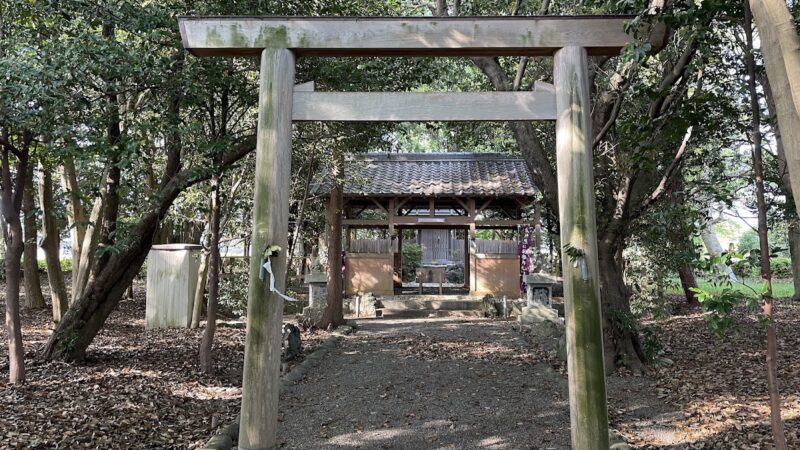
Furusatozuka is protected by a small thatched-roof structure. Inside this protective structure is a natural stone mound approximately 70 centimeters high, containing a lock of Basho’s hair.
In front of the mound stands a stone monument inscribed with “Hometown Mound,” and surrounding it are numerous haiku monuments and memorials erected by people who admire Basho. The simple appearance of the thatched roof seems to embody the spirit of “wabi-sabi” that Basho pursued throughout his life.
Every year, around October 12th, the anniversary of Basho’s death, memorial services and haiku gatherings are held, attracting many haiku enthusiasts from all over Japan.
Value as a Historical Site Associated with Basho
Iga-Ueno, known as “Basho’s hometown,” has numerous historical sites associated with Basho scattered throughout the city. The birthplace mound at Aizen-in Ganshoji Temple, along with the site of Basho’s birthplace, the Basho Memorial Museum, and the Haiseiden Hall at Ueno Tenjin Shrine, is an important point of interest on a tour of historical sites associated with Basho.
In literary history, Basho’s contribution to elevating haikai, a form of popular literature, to the realm of art is immeasurable. As a place where one can feel Basho’s spiritual roots, Aizen-in Ganshoji Temple can be said to be a temple of extremely important value from a literary history perspective.
Highlights of the Temple Grounds
Main Hall and Aizen Myoo
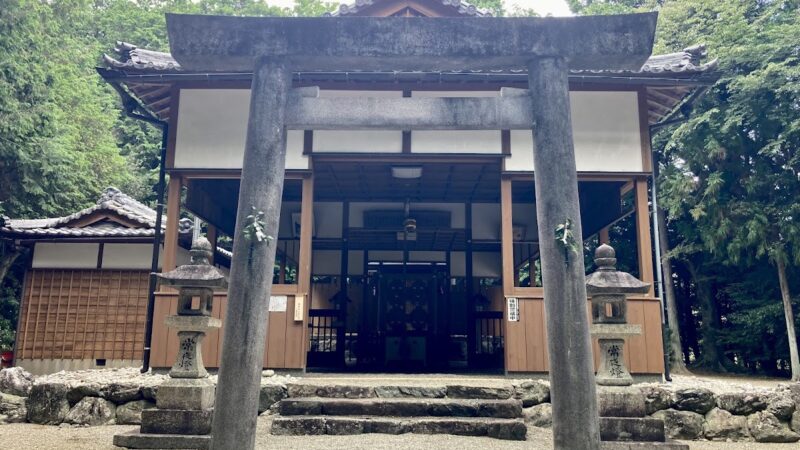
The main hall of Aizen-in Ganshoji Temple is a building with a solemn atmosphere typical of Shingon Buddhist temples. The principal image, Aizen Myoo, is enshrined inside the main hall and is usually kept in a shrine.
Aizen Myoo is a Buddhist deity with a red body, six arms, and a wrathful expression, yet he is revered for purifying people’s worldly desires and bringing love and happiness. The statue is sometimes unveiled during special religious ceremonies.
In the main hall, morning services and various religious ceremonies are held, allowing visitors to quietly offer their prayers.
Matsuo Family Cemetery
Within the temple grounds is the cemetery of the Matsuo family. The gravestones of Basho’s ancestors and relatives are neatly arranged, conveying the history of the Matsuo family.
The cemetery is open to the public and is a valuable historical site for tracing Basho’s roots. The style and inscriptions of the gravestones offer insights into the burial customs of samurai and local warriors during the Edo period, making them of high historical value.
Haiku and Memorial Monuments
Several haiku monuments and memorial monuments inscribed with poems by Basho and his disciples are erected within the temple grounds. These monuments were erected by later haiku poets and admirers of Basho, testifying to the timeless reverence for him.
One of the pleasures of visiting this temple is being able to encounter Basho’s representative haiku while touring the monuments.
Atmosphere of the Garden and Temple Grounds
Despite being located in the heart of Iga-Ueno, the grounds of Aizen-in Ganshoji Temple are enveloped in tranquility. The well-maintained gardens are planted with seasonal flowers and trees, allowing visitors to enjoy the beauty of each season.
The temple is particularly beautiful during the cherry blossom season in spring, the fresh greenery of early summer, and the autumn foliage season, allowing visitors to stroll through the grounds while appreciating the natural beauty that Basho loved.
Aizen-in Ganshoji Temple as a Pilgrimage Site
31st Temple of the Mie Shikoku 88 Temple Pilgrimage
Aizen-in Ganshoji Temple is designated as the 31st temple of the Mie Shikoku 88 Temple Pilgrimage. The Mie Shikoku 88 Temple Pilgrimage is a pilgrimage route established within Mie Prefecture, modeled after the Shikoku 88 Temple Pilgrimage, with temples primarily of the Shingon sect serving as pilgrimage sites.
Pilgrims are believed to receive the same merit as those who complete the Shikoku pilgrimage by visiting these temples, attracting many visitors from both within and outside the prefecture.
78th Temple of the Iga Shikoku 88 Temple Pilgrimage
Furthermore, Aizen-in Ganshoji Temple is also the 78th temple of the Iga Shikoku 88 Temple Pilgrimage. The Iga Shikoku pilgrimage is a pilgrimage limited to the Iga region, reflecting the local faith and culture.
As it serves as a pilgrimage site for multiple sacred sites, Aizen-in Ganshoji Temple is an important place of worship for pilgrims, and you can receive the goshuin (temple stamp) for each sacred site at the temple’s office.
11th Temple of the Saigoku Seventeen Aizen Pilgrimage
Aizen-in Ganshoji Temple is the 11th temple of the “Saigoku Seventeen Aizen Pilgrimage,” a pilgrimage route that visits temples where Aizen Myoo is the principal deity. This pilgrimage route is popular with worshippers seeking the blessings of Aizen Myoo, such as success in love, good relationships, and marital harmony.
By belonging to multiple sacred sites, Aizen-in Ganshoji Temple serves as a haven for diverse faiths, making it an open temple visited by worshippers with various purposes.
Goshuin Information
Types of Goshuin
At Aizen-in Ganshoji Temple, you can receive several types of goshuin. The basic goshuin features the calligraphy of “Aizen Myoo” and the temple’s seal.
Those on a pilgrimage will receive goshuin corresponding to each sacred site. – Goshuin (temple stamp) of the 31st temple of the Mie Shikoku 88 Temple Pilgrimage
- Goshuin (temple stamp) of the 78th temple of the Iga Shikoku 88 Temple Pilgrimage
- Goshuin (temple stamp) of the 11th temple of the Saigoku Seventeen Aizen Pilgrimage
Each goshuin is inscribed with the temple number and name, making it a precious memento of your pilgrimage.
Goshuin Issuance Time and Location
Goshuin can be obtained at the temple office or sutra copying office. Issuance hours are generally from 9:00 AM to around 4:00 PM, but staff may be absent due to religious services or events. Therefore, if you want to be sure to receive a goshuin, it is recommended to call ahead to confirm.
If you do not have a goshuincho (stamp book), you may be able to receive a pre-printed goshuin.
Etiquette When Receiving a Goshuin
Goshuin are not merely stamps; they are sacred items received as proof of your visit. First, visit the main hall and offer your prayers with sincerity before receiving your Goshuin (temple stamp).
The Goshuin fee (offering/sutra copying fee) is generally around 300 to 500 yen. It’s polite to have the exact amount of money ready to avoid needing change.
Access Information
Location
Aizen-in Ganshoji Temple
475 Ueno Nojin-cho, Iga City, Mie Prefecture 518-0873
Access by Train
Nearest Station: Iga Railway “Ueno-shi Station” or Kintetsu “Hirokoji Station”
- From Iga Railway “Ueno-shi Station”: Approximately 10 minutes on foot
- From Kintetsu Osaka Line “Iga-Kambe Station”: Transfer to the Iga Railway, get off at Ueno-shi Station, approximately 10 minutes on foot
- From Kintetsu “Hirokoji Station”: Approximately 8 minutes on foot
Located in the city center of Iga-Ueno, it’s easily accessible within walking distance of the station. It’s close to tourist spots like Basho’s birthplace and Ueno Castle, making it ideal for exploring historical sites on foot.
Access by Car
- From Meihan Expressway “Ueno IC”: Approximately 10 minutes
- From Meihan Expressway “Nakase IC”: Approximately 15 minutes
Please be careful when driving, as some roads in the Iga-Ueno area are narrow.
Parking
The temple has parking spaces for visitors, but the number of spaces is limited. If the parking lot is full, you can use nearby coin-operated parking lots or the Ueno Park parking lot (paid).
Congestion is expected on weekends and during events such as the Basho Festival, so we recommend using public transportation.
Points to Note During Your Visit and Nearby Sightseeing
Time Required for Visiting
The grounds of Aizen-in Ganshoji Temple are not very large, but if you take your time to view the hometown mound and haiku monument and visit the main hall, you will need about 30 minutes to an hour. Please also consider the time needed to receive a Goshuin (temple stamp).
Visiting Hours and Admission Fee
You can generally visit the temple grounds freely. There is no admission fee, but please offer a donation or Goshuin fee as needed.
Special viewings of the main hall may require advance reservations, so please contact the temple office if you wish to do so.
Nearby Historical Sites Associated with Basho
If you visit Aizen-in Ganshoji Temple, be sure to also visit the nearby historical sites associated with Basho.
- Basho’s Birthplace Site: The site of the house where Basho was born and raised. Approximately 5 minutes on foot.
- Haiseiden: An octagonal building in Ueno Park dedicated to Basho. Famous for its unique architecture. Approximately 10 minutes on foot.
- Basho Memorial Museum: A museum introducing Basho’s life and works. Approximately 12 minutes on foot.
- Minomushi-an: A relocated thatched hut where Basho stayed in his later years. Approximately 15 minutes on foot.
Visiting these historical sites will allow you to gain a deeper understanding of Basho’s life and the world of haiku poetry.
Combining with Iga-Ueno sightseeing
Iga City is not only Basho’s hometown but also famous as a ninja village.
- Iga-Ueno Castle: A beautiful castle built by Todo Takatora. Its high stone walls are among the tallest in Japan.
- Iga-ryu Ninja Museum: An interactive museum where you can learn about the history and techniques of ninjas.
- Danjiri Hall: A facility introducing the festival culture of Iga-Ueno.
Visiting these tourist spots together will allow you to enjoy the history and culture of Iga comprehensively.
Annual Events and Special Days
Basho Memorial Service
Every year around October 12th, a memorial service is held to commemorate the anniversary of Basho’s death. On this day, haiku poets and literature enthusiasts who admire Basho gather from all over Japan, and haiku verses are composed and haiku gatherings are held.
During the Basho Memorial period, the “Basho Festival” is held throughout Iga City, with various cultural events taking place. Aizen-in Ganshoji Temple is one of the important venues.
Other Annual Events
As a Shingon Buddhist temple, traditional Buddhist annual events such as the New Year’s Shusho-e service, the spring and autumn equinox services, and the Obon Segaki memorial service are observed.
Special memorial services are sometimes held, especially on the auspicious day of Aizen Myoo.
Cultural Value of Aizen-in Ganshoji Temple
Significance in Literary History
Aizen-in Ganshoji Temple holds extremely high literary historical value as a place that conveys the roots of Matsuo Basho, one of the most important poets in the history of Japanese literature.
Basho’s established “Sho-style haikai” elevated the wordplay-based haikai of the past into a literary form possessing deep spirituality and artistry. Famous verses such as “An old pond / A frog jumps in / The sound of water” and “Silence / The cicada’s cry seeps into the rocks” are still loved by many as they form the foundation of the Japanese aesthetic sense.
The Furusato-zuka (Hometown Mound) can be said to be a symbolic presence connecting the land where Basho’s spirit was born with Basho’s soul.
Role in Regional Culture
Aizen-in Ganshoji Temple has also played an important role in the regional culture of Iga-Ueno. As the Matsuo family’s ancestral temple and a pilgrimage site, it has a long history of supporting the religious lives of the local people.
Even today, it continues to function as a place of cultural exchange, being used as a venue for local cultural events and haiku gatherings.
Value as a Tourism Resource
As a representative tourist spot in “Iga, the hometown of Basho,” Aizen-in Ganshoji Temple welcomes many tourists from both Japan and abroad. For foreign tourists particularly interested in haiku and Japanese literature, visiting a place associated with Basho is a special experience.
Aizen-in Ganshoji Temple also holds an important position in the promotion of tourism in Iga City and is expected to continue to be a hub for cultural tourism.
Visitor Voices and Reviews
The following are some comments from visitors who have come to Aizen-in Ganshoji Temple:
- “Standing before the Furusatozuka (Hometown Mound), I was deeply moved, feeling as if Basho’s spirit had returned to this land.”
- “In the quiet and peaceful atmosphere, I was able to slowly reflect on Basho.”
- “As it is a pilgrimage site for multiple sacred places, it is also recommended for those collecting temple stamps.”
- “It’s conveniently located near the station, making it easy to visit along with other historical sites associated with Basho.”
- “The thatched-roof Furusatozuka has a charming atmosphere and is a photogenic spot.”
Many visitors highly appreciate the connection to Basho and the tranquil atmosphere of the temple grounds.
Summary: The Significance of Visiting Aizen-in Ganshoji Temple
Aizen-in Ganshoji Temple is not merely a tourist spot, but a valuable place where you can touch the spiritual roots of Matsuo Basho, a giant of Japanese literature. The lock of Basho’s hair enshrined in the Furusato-zuka (Hometown Mound) continues to convey Basho’s way of life and the spirit of haiku to us, transcending more than 300 years.
Aizen-in Ganshoji Temple possesses three aspects: religious value as a Shingon Buddhist temple with Aizen Myoo as its principal deity, value as a pilgrimage site as one of several sacred sites, and literary value as a historical site associated with Basho. Each visitor will undoubtedly experience different emotions and discoveries.
When visiting Iga-Ueno, be sure to stop by Aizen-in Ganshoji Temple and feel the landscape of Basho’s beloved hometown and the weight of culture passed down through generations. Standing on the temple grounds, Basho’s death poem, “Sick on a journey, my dreams wander across the withered fields,” will resonate even more deeply.
Take a moment to remember Basho in the quiet temple grounds, clasping your hands together in prayer before the Furusato-zuka. This will be a valuable opportunity for us, living in the modern age, to rediscover Japanese culture and spirituality.