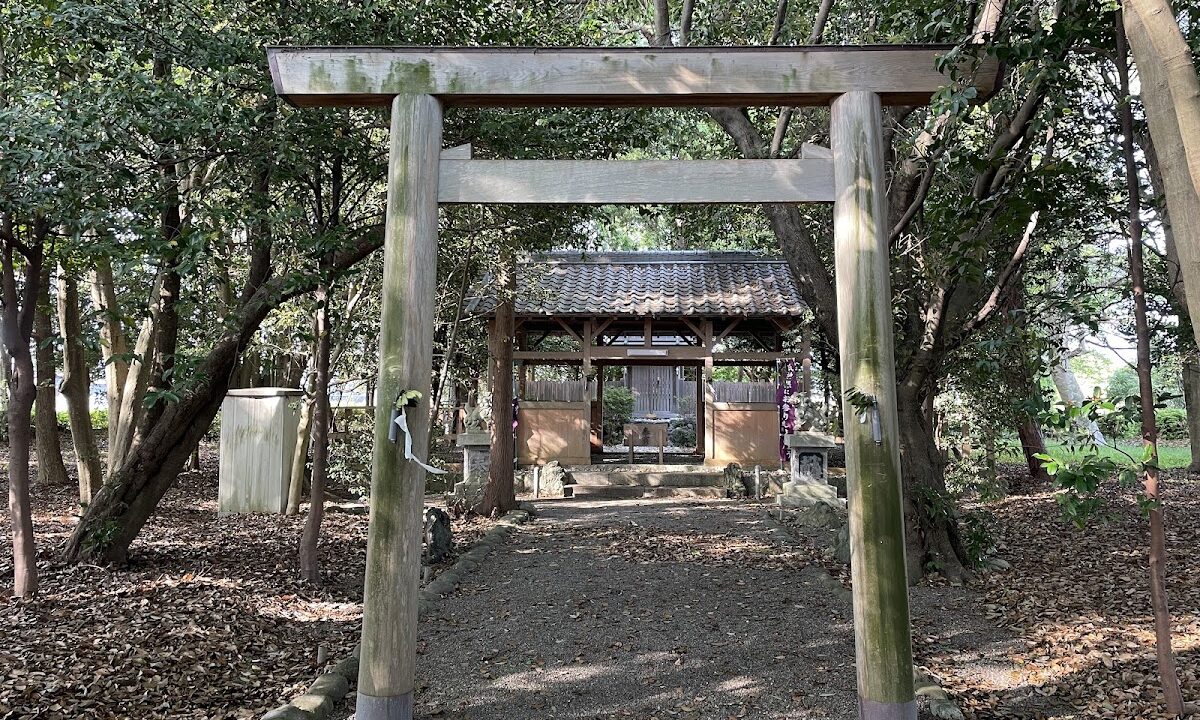
Kasuya Shrine (Ise City, Mie Prefecture) Complete Guide | History, Deities, Access, and Highlights Explained in Detail
Kasuya Shrine, located in Kashiwa-cho, Ise City, Mie Prefecture, is a tutelary shrine long cherished by the local people. Although it was once merged with Kitahama Shrine due to the Meiji-era Shrine Consolidation Order, it was revived in 1951 (Showa 26) thanks to the enthusiasm of local residents, making it a historically significant shrine.
This article provides comprehensive information useful for those considering a visit to Kasuya Shrine, including its detailed history, enshrined deities, highlights within the grounds, and access methods.
Basic Information on Kasuya Shrine
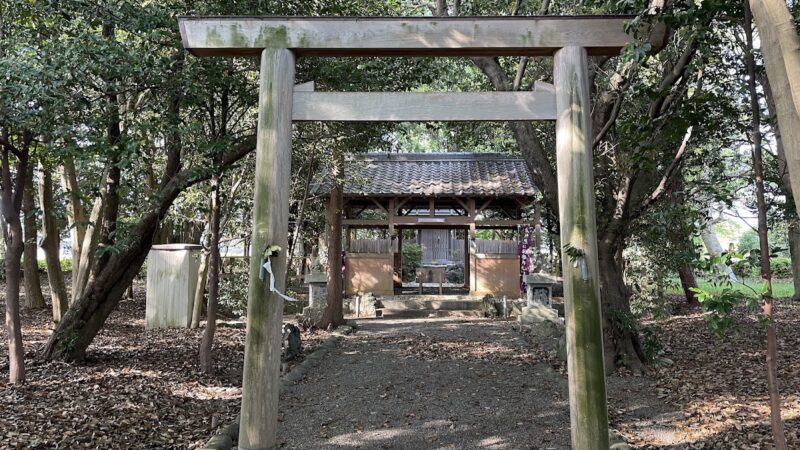
Kasuya Shrine is located in the northern part of Ise City, east of the Ohori River. Situated in a quiet residential area, its sacred grounds, surrounded by lush trees, offer a sense of peace and tranquility to visitors.
Location: 1607-2 Kashiwacho, Ise City, Mie Prefecture
Nearest Station: Kintetsu Yamada Line, Myojo Station (approx. 16-minute walk, approx. 1.3km straight line distance)
Nearest Bus Stop: Kashiwacho Bus Stop (approx. 4-minute walk, approx. 291m)
The current Kasuya Shrine is a relatively new shrine, established on March 15, 1951, as a branch shrine of the former Kitahama Shrine. However, its historical roots are ancient, and it has existed as a place of worship deeply rooted in the Kashiwa settlement.
History of Kasuya Shrine
As an Ancient Guardian Deity
Kasuya Shrine was originally located at 129 Kashiwacho and has been worshipped by the local people as the guardian deity of the Kashiwa settlement since ancient times. A guardian deity is the protector of a land and is closely connected to the lives of the residents.
The people of Kashiwa village have worshipped at this shrine for generations, praying for abundant harvests, family safety, and regional prosperity. The shrine served as the core of the village’s identity, strengthening community bonds through festivals and annual events.
Meiji-era Shrine Consolidation Order and Shrine Closures
During the Meiji era, the Japanese government promoted the Shrine Consolidation Order, aimed at reorganizing and consolidating shrines. This policy led to the consolidation of small shrines throughout the country, resulting in the disappearance of many.
Kasuya Shrine was no exception; under the Meiji-era Shrine Consolidation Order, it was merged with Kitahama Shrine and ceased to exist as an independent shrine. It is imaginable that the loss of their long-cherished tutelary deity was a great loss for the people of Kashiwa village at that time.
Separation and Revival in 1951
After the war, a movement to revive local faith gained momentum, and on March 15, 1951, thanks to the enthusiasm of the people of Kashiwa village, Kasuya Shrine was revived, separated from Kitahama Shrine.
A new shrine building was constructed at its current location, 1607-2 Kashiwa-cho, and the main shrine and worship facilities were established on the site of the former temporary shrine. Through the efforts of the local residents at the time, the tutelary deity returned to Kashiwa village.
This revival can be seen as a manifestation of the strong faith of the local community and their will to preserve and pass on tradition. Even today, Kasuya Shrine is cherished as a spiritual pillar of Kashiwa village.
About the Deities Enshrined
It is said that multiple deities are enshrined at Kasuya Shrine.
Main Deities Enshrined
Izumo Kasaya no Mikoto: This deity is the origin of the name of Kasuya Shrine and is believed to have the characteristics of a sea god.
Eight Pillars of God: This is a collective term for several deities, worshipped as gods who protect and ensure the prosperity of the region.
Hie Gongen: This deity is based on Sanno faith and is believed to have the divine power to ward off evil and ensure family safety.
These enshrined deities are thought to reflect the history, regional characteristics, and changes in the beliefs of the residents of the Kashiwa settlement. Due to the Ise region’s proximity to the sea, a sea god is enshrined, along with deities widely worshipped, such as those of Sanno faith.
Highlights of the Shrine Grounds
Shrine Grounds and Natural Environment
The grounds of Kasuya Shrine are located east of the Ohori River and are a tranquil space surrounded by lush trees. The shrine grounds serve as a valuable green space for the region and also play an important role as a habitat for wild birds and small animals.
In the increasingly urbanized city of Ise, such a naturally rich shrine grounds is a precious place that provides peace of mind to visitors.
Torii Gate and Shrine Name Marker
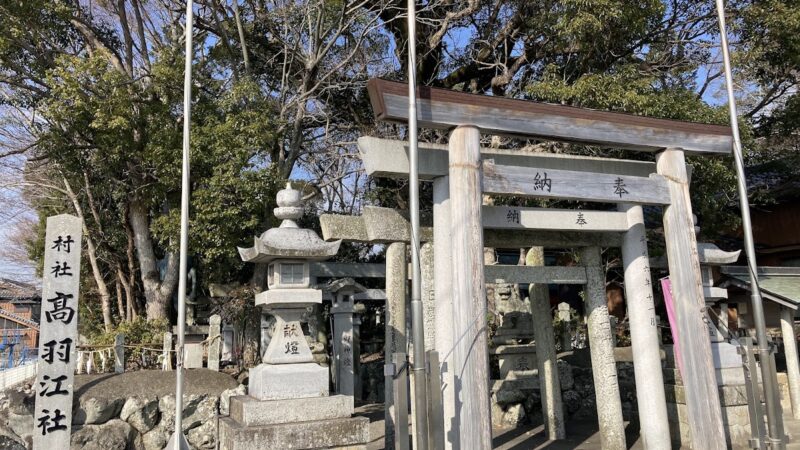
The entrance to the shrine grounds is on the west side, and upon entering the shrine grounds, a stone torii gate stands on the left. This torii gate marks the entrance to the sacred area, and passing through it means stepping from the everyday world into a sacred space.
To the right of the torii gate stands a shrine name marker inscribed with “Kasuya Shrine,” welcoming visitors. This marker was erected after the shrine’s restoration in the Showa era and embodies the feelings of the local people towards the shrine.
Main Hall and Worship Facilities
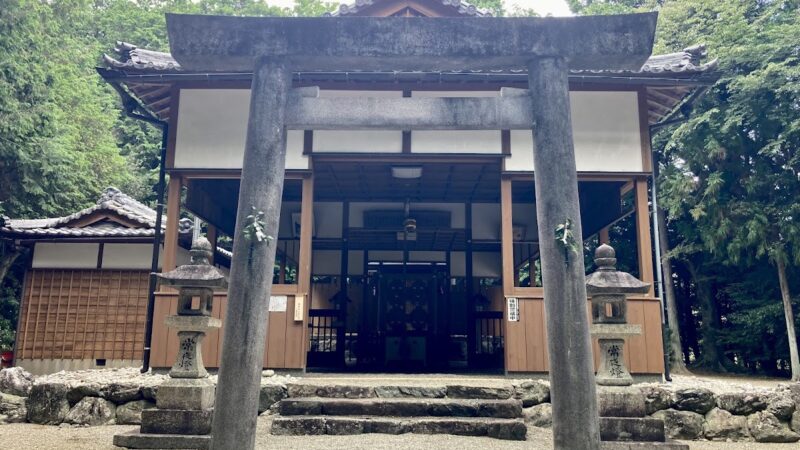
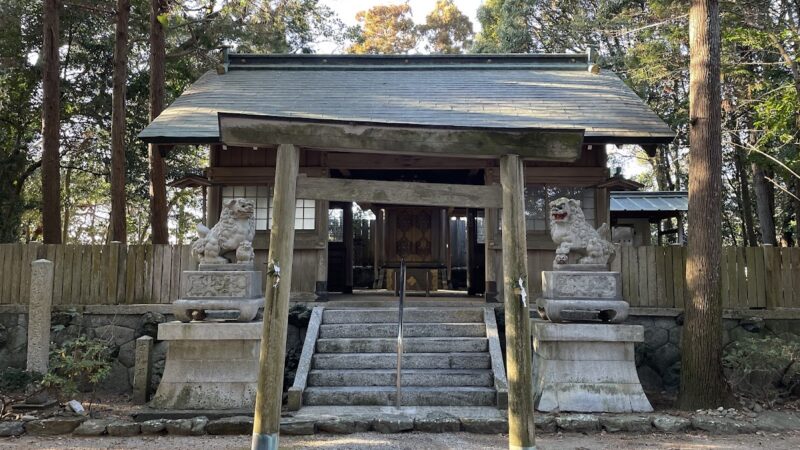
The current main hall was built in 1951 when the shrine was restored, and it is located on the site where the former Otabisho (temporary shrine) once stood. An Otabisho is a resting place or temporary site for the portable shrine during a festival procession. The construction of a full-fledged main shrine here symbolizes the complete revival of the shrine.
While the architectural style of the main shrine is relatively simple, it is carefully maintained as the center of local faith. Worship facilities are also provided, creating an environment where worshippers can offer prayers in peace.
Access Methods
Access by Train
From Kintetsu Yamada Line, Myojo Station:
- Approximately 16 minutes on foot northeast from Myojo Station (approximately 1.3 km in a straight line, approximately 1.5 km in actual distance)
- Exit the station and head towards National Route 23, cross the Ohorigawa River, and proceed towards Kashiwacho.
- As you proceed through the residential area, you will see the shrine grounds.
Access by Bus
From Kashiwacho Bus Stop:
- Approximately 4 minutes on foot from the bus stop (approximately 291 m)
- This is the closest bus stop, making access convenient.
- Mie Kotsu buses operate on this route.
Access by Car
From Ise Expressway:
- Approximately 10 minutes from Ise-Nishi Interchange
- Take National Route 23 towards Kashiwacho.
- The area around the shrine is a residential area, so there are some narrow roads.
- It is recommended to check parking availability in advance.
Points to Note When Visiting a Shrine
Shrine Visit Etiquette
The basic etiquette for visiting a shrine is as follows:
- Bow before the Torii Gate: Before entering the sacred area, bow slightly before the torii gate.
- Purify yourself at the Water Basin: If there is a water basin, purify your left hand, then your right hand, then your mouth.
- Walk along the edge of the path: The center of the path is considered the path of the gods, so walk along the edge.
- Two bows, two claps, one bow: In front of the main hall, bow deeply twice, clap your hands twice, and finally bow deeply once.
Recommended Time to Visit
Kasuya Shrine is open for visits throughout the year, but here are some particularly recommended times:
Spring (March-May): The season when the fresh greenery is beautiful and the trees in the shrine grounds are budding. Especially around March 15th, the anniversary of Easter, many local people visit the shrine.
Autumn (September-November): The autumn foliage is beautiful, and the pleasant weather makes it ideal for visiting the shrine. Autumn festivals may also be held.
New Year’s Visit (January): Many local residents visit to pray for the new year. As the tutelary shrine of the Kashiwa settlement, you can experience the atmosphere of welcoming the new year together with the local people.
Nearby Attractions
Ise Grand Shrine
Ise Grand Shrine (Naiku and Geku), one of Japan’s most representative shrines, is about a 15-minute drive from Kasuya Shrine. We highly recommend visiting both when you visit Ise City.
Futami Okitama Shrine
Futami Okitama Shrine, famous for its Meoto Iwa (Married Couple Rocks), is also about a 20-minute drive away. It’s a popular tourist spot along the coast.
Sarutahiko Shrine
Sarutahiko Shrine, known as the god of opening paths, is also located in Ise City. Visiting both Kasuya Shrine and Sarutahiko Shrine will make for a more fulfilling shrine pilgrimage.
Connection with the Community
As the Guardian Deity of Kashiwa Village
Kasuya Shrine is still cherished by the people of Kashiwa Village as its guardian deity. The guardian deity is considered to be a god that protects people born in that land throughout their lives, and therefore has a very strong connection with the local residents.
The custom of visiting the shrine at important life events such as the first shrine visit for children, Shichi-Go-San (a traditional rite of passage for children), and coming-of-age ceremonies continues to this day, and the faith is passed down through generations.
Local Events and Festivals
Kasuya Shrine holds various festivals and events throughout the year. Especially on the day of the annual festival, local people gather to maintain and clean the shrine.
Through these activities, the shrine functions not only as a place of worship but also as a place for community interaction.
Shrine Culture in Mie Prefecture
Characteristics of Shrines in Ise City
Ise City, located at the foot of Ise Grand Shrine, is a region where shrine culture remains particularly strong. There are 815 shrines registered with the Mie Prefectural Shrine Association alone, and numerous shrines are located within Ise City.
Small, community-based shrines like Kasuya Shrine possess a different charm than larger shrines. They offer a glimpse into forms of faith closely intertwined with local history and the lives of the people.
Impact of the Shrine Consolidation Order
The Meiji-era Shrine Consolidation Order had a significant impact on shrines in Mie Prefecture. Many small shrines were merged, and the forms of local faith changed dramatically.
However, many shrines, like Kasuya Shrine, were revived after the war. This can be seen as a testament to the strong faith of the local residents and their determination to preserve tradition.
Points to Note When Visiting a Shrine
Manners and Etiquette
When visiting a shrine, please observe the following points:
- Be quiet: Shrines are sacred places. Please be mindful of not speaking loudly or making noise.
- Photography: Photography is generally permitted on the shrine grounds, but please refrain from taking photos inside the main hall or during festivals.
- Dress Code: There are no specific rules, but please dress neatly, as this is a respectful visit to the gods.
- Take Your Trash Home: Please help keep the shrine grounds clean.
About the Shrine Office
Kasuya Shrine is a small shrine, so there may not be a resident priest. If you wish to obtain a Goshuin (shrine stamp) or amulet, it is recommended to check in advance.
The Significance of Visiting Kasuya Shrine
Experiencing Local History
By visiting Kasuya Shrine, you can catch a glimpse of a part of modern Japanese history, including the history of the Kashiwa settlement, the changes in shrine policies from the Meiji to Showa periods, and the post-war reconstruction of the local community.
Experiencing this simple, community-based form of faith, unlike that found in large tourist shrines, will be a valuable experience in understanding the diversity of Japanese shrine culture.
A Place of Quiet Prayer
Unlike large shrines bustling with tourists, Kasuya Shrine offers a peaceful and tranquil atmosphere for worship. It’s an ideal place for those seeking to escape the hustle and bustle of everyday life and offer quiet prayers.
Spending time in the shrine grounds, surrounded by abundant nature, will refresh both your mind and body.
Summary
Kasuya Shrine, located in Kashiwa-cho, Ise City, Mie Prefecture, is a deeply rooted local shrine. Although it was once abolished due to the Meiji-era shrine consolidation decree, it was revived in 1951 thanks to the enthusiasm of local residents.
Having been worshipped as the tutelary deity of the Kashiwa settlement since ancient times, and still cherished by the local people today, Kasuya Shrine can be said to symbolize the relationship between Japanese communities and shrines.
When visiting Ise Grand Shrine, why not extend your trip a little and visit Kasuya Shrine as well? You’re sure to discover the unique charm of a community-oriented shrine, different from the large shrines.
Spending time in the tranquil temple grounds, reflecting on the history of the Kashiwa settlement, will surely be a memorable experience.