Complete Guide to Kida Shrine (Mie Prefecture) | Thorough Explanation of Goshuin (Shrine Seals), Access, Benefits, and History
Kida Shrine, located in Ise City, Mie Prefecture, is a historical shrine deeply rooted in the local community. Despite its location near Ise Grand Shrine, Kida Shrine has maintained its unique faith and traditions. This guide provides a detailed introduction to the shrine’s charm, from information on its goshuin (shrine seals) and access methods to its benefits and history.
What is Kida Shrine? Basic Information
Kida Shrine is located in Kami-cho, Ise City, Mie Prefecture, and is affectionately known as “Kida-san” by locals. It is located approximately 3 kilometers northeast of the Outer Shrine of Ise Grand Shrine and has long been revered as the local guardian deity.
Location and Basic Data
Official Name: Kida Shrine
Location: 1681 Kamiji-cho, Ise City, Mie Prefecture
Main Deity: Amaterasu Omikami
Shrine Rank: Former Village Shrine
Annual Festival Day: Second Sunday of October
The name “Kida” in Kida Shrine originates from the fact that this area was formerly called Kida-go. The shrine stands amidst the tranquil rural landscape of the Ise Plain and has been carefully preserved to this day as the center of faith for the local residents.
History and Origins of Kida Shrine
Origin of Founding
While there are no clear records regarding the founding date of Kida Shrine, local traditions suggest that shrine rituals were performed there before the Heian period. It has a deep connection with Ise Grand Shrine and has been worshipped as the guardian deity of Kida-go, which was a sacred territory of the Grand Shrine.
Transition from the Medieval to the Early Modern Period
During the medieval period, the shrine was revered by local influential figures and the samurai class. During the Sengoku period (Warring States period), it played an important role as a place to pray for the peace and security of the region. In the Edo period, it became known as a shrine visited by travelers on pilgrimages to Ise Grand Shrine, establishing its position as a center of local faith.
Developments Since the Meiji Era
With the reform of the shrine system during the Meiji era, it was ranked as a village shrine and officially recognized as a local shrine. Even after the war, it has been carefully maintained as the tutelary deity of the local residents and as a shrine that conveys the history of the Ise region. Currently, not only local people but also an increasing number of worshippers visit when visiting Ise Grand Shrine.
Deities and Benefits
Main Deity: Amaterasu Omikami
The main deity of Shirota Shrine is Amaterasu Omikami, the supreme deity of Japan. It enshrines the same deity as the Inner Shrine of Ise Grand Shrine, making it a shrine befitting the Ise region. Amaterasu Omikami is the goddess of the sun, revered as the source of life and the goddess of national peace and security.
Expected Benefits
The main benefits you can expect at Shirota Shrine are as follows:
Good Fortune and Prosperity: Improved luck in all aspects of life
Family Safety: Health and peace for the family
Abundant Harvest: Prosperity in agriculture and prayers for a bountiful harvest
Business Prosperity: Success and prosperity in business
Protection from Evil: Protection from disasters
Safe Childbirth: Health of mother and child and a safe delivery
The shrine is particularly revered by local agricultural workers as the goddess of abundant harvests, and by local businesses as the goddess of business prosperity.
Highlights of the Shrine Grounds
Shrine Buildings
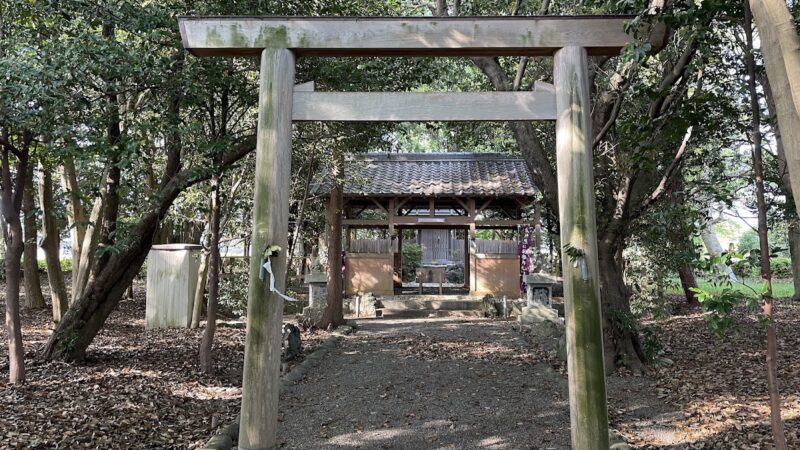
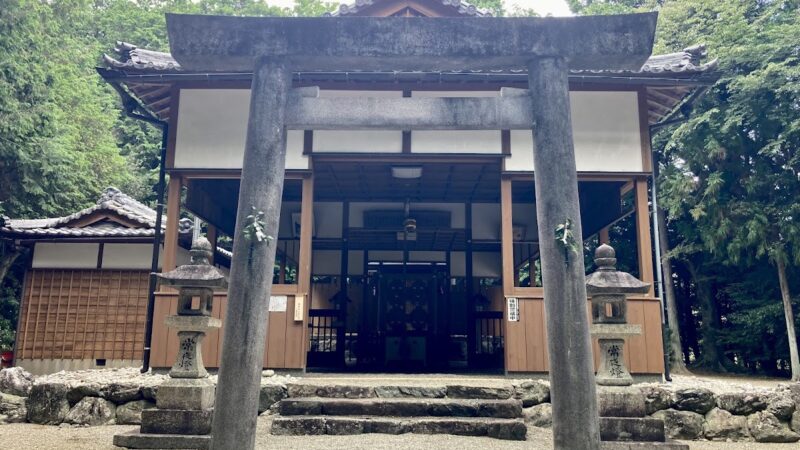
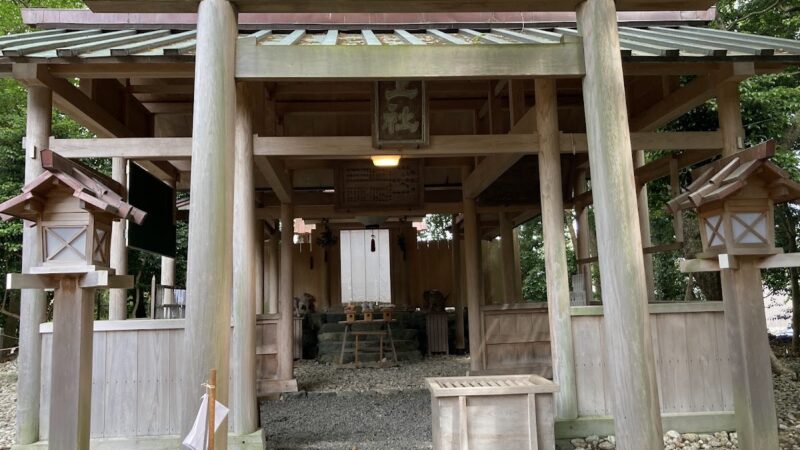
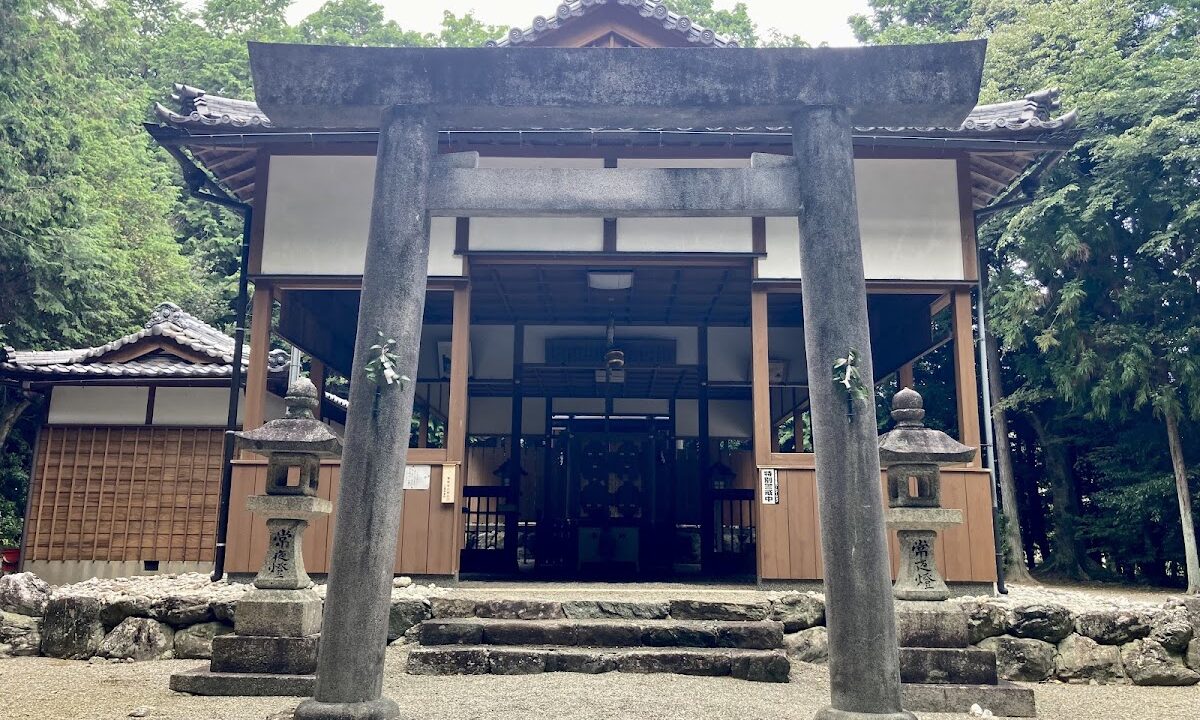
The shrine buildings of Shirota Shrine preserve the traditional shrine architectural style of the Ise region. The main hall, while simple, is dignified and reflects the deep history and faith of the region. The main hall is a tranquil space where worshippers can offer their prayers in peace.
Sacred Tree
Within the shrine grounds stands a magnificent sacred tree estimated to be several hundred years old. Having watched over the region for centuries, this tree is a living witness to the shrine’s history and a power spot where many worshippers offer their prayers.
Subsidiary Shrines
Several subsidiary shrines (auxiliary shrines and minor shrines) are enshrined around the main hall. These small shrines also embody the local faith, and each is believed to offer different blessings. If you have time, we recommend visiting these subsidiary shrines as well.
Water Basin
A water basin for purification before worship is also provided. By purifying your mind and body with the pure water of the Ise region before worship, you can face the deities with a more refreshed and rejuvenated spirit.
Goshuin (Shrine Seal) Information
About Goshuin Issuance
Shirota Shrine offers Goshuin (shrine seals). Goshuin (temple/shrine stamps) are popular as proof of worship and as a way to preserve a connection with a shrine.
Offering Fee: Usually around 300-500 yen
Reception Hours: During the hours the shrine office is open (please check)
Notes: Goshuin may not be available if the chief priest is absent.
Goshuin Design
The goshuin at Shirota Shrine features a simple yet dignified design with the shrine name and date of visit written in ink, and stamped with the shrine’s seal. It’s a clean and pure impression, typical of shrines in the Ise region, and is popular among goshuin collectors.
About Goshuin Books
It is recommended to check with the shrine in advance regarding the handling of goshuin books. Many people visit as part of a “Ise Grand Shrine and Surrounding Shrine Pilgrimage” when visiting Ise Grand Shrine, and collecting goshuin is a popular pastime.
Access Methods
Access by Train
Nearest Station: JR Sangū Line/Kintetsu Yamada Line “Ise-shi Station” or Kintetsu “Ujiyamada Station”
Distance from Station: Approximately 4-5 kilometers
Travel Time: Approximately 50-60 minutes on foot, approximately 10-15 minutes by taxi
From Ise-shi Station or Ujiyamada Station, using a taxi or local bus is convenient. If walking, it is recommended to allow ample time.
Access by Bus
If using Mie Kotsu buses, take a bus bound for Shirota from Ise-shi Station or Ujiyamada Station, get off at the nearest bus stop, and it’s a few minutes’ walk from there. It is recommended to check bus schedules and service frequencies in advance.
Access by Car
Ise Expressway: Approximately 15 minutes from Ise IC
From Ise-Nishi IC: Approximately 20 minutes
Parking: Parking available on the shrine grounds or nearby (limited number of spaces)
When using a car navigation system, please search for “Shirota Shrine, Ise City” or the address “1681 Kami-cho, Ise City, Mie Prefecture”.
Access from Ise Grand Shrine
It is approximately 3 kilometers from the Outer Shrine and approximately 5 kilometers from the Inner Shrine of Ise Grand Shrine. If visiting in conjunction with a visit to Ise Grand Shrine, it is recommended to plan your time accordingly.
Manners and Points for Visiting a Shrine
Basic Shrine Visiting Etiquette
When visiting Shirota Shrine, follow the general etiquette for visiting a shrine:
- Bow before passing through the torii gate: This is a sign of respect before entering the sacred area.
- Purify yourself at the water basin: Purify your left hand, then your right hand, then your mouth.
- Walk along the edge of the path: The center is considered the path of the gods.
- Worship at the main hall: The basic procedure is two bows, two claps, and one bow.
Appropriate Attire for Visiting a Shrine
There are no specific dress code requirements, but please wear clean and subdued clothing appropriate for a sacred place like a shrine. It is advisable to avoid revealing or overly flashy clothing.
Regarding Photography
Photography is generally permitted on the shrine grounds, but please note the following:
- Photography may be prohibited inside the main hall.
- Please be considerate of other worshippers.
- Refrain from taking photographs during festivals or religious ceremonies.
- Avoid using flash photography.
Annual Events and Festivals
Grand Festival
The most important festival at Shirota Shrine is the Grand Festival, held annually on the second Sunday of October. On this day, local people gather for a procession of portable shrines and various dedication ceremonies. It is a valuable opportunity to experience the atmosphere of a traditional festival.
New Year’s Visit
Many locals visit the shrine for their first shrine visit of the new year. While not as crowded as Ise Grand Shrine, it is bustling with many worshippers offering New Year’s greetings to their local guardian deity.
Other Annual Events
Spring Grand Festival: Celebrating the arrival of spring and praying for a bountiful harvest.
Summer Purification Ceremony: A Shinto ritual to cleanse away the impurities accumulated over the past six months.
Autumn Grand Festival: A festival to give thanks for the harvest.
Monthly Festival: A regular monthly festival.
The specific dates of these events may vary from year to year, so it is recommended to check in advance.
Nearby Tourist Attractions
Ise Grand Shrine (Outer Shrine & Inner Shrine)
The closest major tourist attraction to Shirota Shrine is, of course, Ise Grand Shrine. It is approximately 3 kilometers to the Outer Shrine and 5 kilometers to the Inner Shrine, making it easily accessible when visiting Ise.
Okage Yokocho & Oharai-machi
This tourist area in front of the Inner Shrine of Ise Grand Shrine features numerous shops selling local specialties such as Akabuku mochi and Ise udon, as well as souvenirs. It’s perfect for meals and shopping after visiting Shirota Shrine. ### Futami Okitama Shrine
This seaside shrine, located in Futami-cho, Ise City, is famous for its Meoto Iwa (Married Couple Rocks). It’s about a 20-minute drive from Shirota Shrine and can be included in an Ise region shrine tour.
Historical Spots in Ise City
Ise City has many other historical shrines, temples, and historical sites. If you have time, you can enjoy a trip to learn more about Ise’s history and culture.
How to Enjoy Visiting Shirota Shrine
Enjoy a Quiet Visit
The greatest charm of Shirota Shrine is its quiet atmosphere, unspoiled by tourism. It’s especially recommended for those who want to avoid the crowds of Ise Grand Shrine and visit in a calm and peaceful setting. You can feel the warmth unique to a shrine rooted in the local community.
Learn about Local History
Shirota Shrine and its surrounding area are steeped in the history of Ise, which dates back to ancient times. Learning about the shrine’s history and the local history will give you a deeper understanding and a more moving experience.
Seasonal Scenery
The shrine grounds display different expressions with each season. From the fresh greenery of spring, the deep green of summer, the vibrant autumn leaves, to the tranquility of winter, visiting in each season allows you to enjoy the harmony between nature and the shrine.
Interaction with Local People
One of the charms of a community-oriented shrine is the natural interaction with local people. Visiting on festival days, for example, may allow you to experience the warmth of the local community.
Precautions When Visiting
Visiting Hours
While Shirota Shrine is generally open for worship during the day, the shrine office’s operating hours are limited. If you wish to receive a Goshuin (shrine stamp) or amulets, it is recommended to contact the shrine in advance to confirm.
Parking Information
Parking space is limited, and it may not be possible to park during busy times such as festival days. Please consider using public transportation.
Weather Impact
During rain or stormy weather, the grounds may become slippery. It is recommended to wear appropriate footwear.
Contact Information
For detailed and up-to-date information regarding visits, we recommend contacting the shrine directly. Contact information, such as phone numbers, can also be found at the Ise City Tourist Information Center.
Ise Pilgrimage and Shirota Shrine
The Tradition of Ise Pilgrimage
During the Edo period, a pilgrimage to Ise was a dream trip for many Japanese people. Visiting Ise Grand Shrine was considered a once-in-a-lifetime event, attracting many people from all over Japan. Shirota Shrine, as one of the shrines visited by these pilgrims, has long been a center of local faith.
Modern Ise Pilgrimage
Even today, Ise Grand Shrine remains a representative sacred site of Japan, welcoming millions of visitors annually. Shirota Shrine offers new value as a place where pilgrims can more deeply experience local faith and culture during their Ise pilgrimage.
The Significance of Shrines Surrounding the Grand Shrine
By visiting not only Ise Grand Shrine but also the surrounding local shrines, one can understand the multifaceted history of faith in the Ise region. Shirota Shrine is one of those “hidden gems” worth visiting.
Summary of Shirota Shrine’s Charms
Shirota Shrine is a historic shrine quietly nestled in the Ise region. While often overshadowed by the famous Ise Grand Shrine, it is a venerable shrine with a long history, attracting the faith of local people, and is well worth a visit.
Recommended Points
- Quiet Worship Environment: Enjoy a peaceful visit while avoiding crowds.
- Local History: Experience the local history of Ise.
- Easy Access: Relatively close to Ise Grand Shrine.
- Authentic Shrine Visit: Experience the true essence of a shrine, unspoiled by tourism.
- Goshuin (Shrine Seal): A perfect addition to a shrine pilgrimage in the Ise region.
Recommended for:
- Those who want to visit surrounding shrines in conjunction with Ise Grand Shrine.
- Those who want to worship in a quiet environment to calm their minds.
- Those interested in local history and culture.
- Those collecting Goshuin (shrine seals).
- Those who want to see the true essence of a shrine, not a tourist attraction.
Voices of Visitors
Visitors to Shirota Shrine have commented, “The quiet and peaceful atmosphere was wonderful,” “I felt the warmth of the local people,” and “It has a different charm than Ise Grand Shrine.” Many appreciate the unique qualities of a community-oriented shrine, something not found in large-scale tourist shrines.
How to Plan Your Pilgrimage
Half-Day Course
This course involves visiting Shirota Shrine after or before visiting the Outer Shrine of Ise Grand Shrine. It’s about a 10-minute drive or a 40-minute walk from the Outer Shrine, so you can choose according to your time and energy level.
Full-Day Course
This course involves visiting Ise Grand Shrine (Outer and Inner Shrines) in the morning and visiting surrounding shrines, including Shirota Shrine, in the afternoon. It’s a plan that allows you to deeply experience the shrine culture of Ise.
Two-Day Course
This is a relaxed course where you enjoy Ise Grand Shrine and Okage Yokocho on the first day, and visit surrounding shrines such as Shirota Shrine and Futami Okitama Shrine on the second day. You can fully enjoy the charm of Ise.
Ise’s Food Culture and Shirota Shrine
When visiting Shirota Shrine, be sure to also enjoy Ise’s rich food culture. You can enjoy representative Mie Prefecture cuisine in the surrounding area, such as Ise Udon, Tekone Sushi, Ise Lobster, and Matsusaka Beef. A meal after visiting the shrine will surely become a cherished memory of your trip.
Accommodation Information
There are a variety of accommodations in Ise City. You can use inns and hotels around Ise Grand Shrine as a base to visit surrounding shrines, including Shirota Shrine. Staying at a hot spring inn in the Ise-Shima region allows you to enjoy both shrine visits and hot springs.
Summary: Recommendation for Visiting Shirota Shrine
Shirota Shrine is a shrine that has been carefully preserved to this day as a symbol of the local faith that thrives in the Ise region. When visiting Ise Grand Shrine, why not extend your trip a little and visit Shirota Shrine as well?
The time spent calmly facing the gods in the quiet grounds, away from the hustle and bustle of tourist areas, will surely be a special experience. By experiencing the history and culture of Ise, and the faith of the local people, you can create even deeper memories of your visit to Ise.
Shirota Shrine is a hidden gem that reveals the diversity and profoundness of the sacred site of Ise. I highly recommend visiting it at least once.