Complete Guide to Kaikaji Temple (Iga City, Mie Prefecture) | The Charm of a Jodo Sect Temple with Registered Tangible Cultural Properties such as a Three-Storied Pagoda and Kannon Hall
Kaikaji Temple, located in Oda-cho, Iga City, Mie Prefecture, is an ancient Jodo sect temple known for its beautiful three-storied pagoda. Within its grounds, nestled in a rural area, are several buildings designated as Registered Tangible Cultural Properties, cherished by local residents and visitors as a valuable cultural heritage of the Iga region. This article comprehensively introduces information you should know before visiting, from the history of Kaikaji Temple and its highlights to the value of its cultural properties and access methods.
Basic Information on Kaikaji Temple
Kaikaji Temple is a Jodo sect temple located at 1077 Oda-cho, Iga City, Mie Prefecture. It is conveniently located about 7-9 minutes on foot from Nishi-Ote Station on the Iga Railway Iga Line and Kintetsu Iga Line, near the city center of Iga City.
Location and Access
Address: 1077 Oda-cho, Iga City, Mie Prefecture 518-0825
Phone Number: 0595-21-0224
Sect: Jodo-shu (Pure Land Buddhism)
Nearest Station: Approximately 7-9 minutes on foot (approx. 600m) from Nishi-Ote Station on the Iga Railway Iga Line and Kintetsu Iga Line
Other Access Stations: Within walking distance from Ueno-shi Station on the Iga Railway Iga Line
The temple grounds are located on a flat area surrounded by fields, and the three-story pagoda, in particular, is a prominent landmark visible from afar. It is also accessible by car, easily reachable from Iga city center via the national highway.
History and Origins of Kaika-ji Temple
Kaika-ji Temple is a Jodo-shu temple with a long history. While historical records regarding its exact founding date are limited, it has served as a center of Jodo-shu faith in the Iga region, attracting the devotion of local people.
Honen Shonin’s Twenty-Five Sacred Sites, Temple No. 6
Kaikaji Temple is designated as the sixth temple on the “Honen Shonin’s Twenty-Five Sacred Sites” pilgrimage route. The Honen Shonin’s Twenty-Five Sacred Sites is a pilgrimage route visiting sacred sites in the Iga region associated with Honen Shonin, the founder of the Jodo sect of Buddhism. A faith devoted to Honen Shonin’s teachings has long been rooted in Iga, and Kaikaji Temple has played an important role as one of the central temples on this pilgrimage.
For pilgrims, Kaikaji Temple is an important base on their journey of faith, and the sight of worshippers quietly offering prayers in the temple grounds remains constant.
Highlights of the Temple Grounds | Numerous Registered Tangible Cultural Properties
The greatest attraction of Kaikaji Temple is the valuable cultural heritage buildings remaining on its grounds. In particular, the three-story pagoda and the Kannon Hall are designated as nationally registered tangible cultural properties and possess high architectural historical value.
Kaikaji Temple’s Three-Storied Pagoda | Architectural Beauty of the Taisho Era
The Kaikaji Temple’s three-storied pagoda is a wooden, three-bay, three-storied pagoda located in the southwestern part of the temple grounds, facing east. It was built in 1915 (Taisho 4). With its tiled roof, it boasts a magnificent appearance, standing approximately 11-13 meters tall.
Architectural Features of the Three-Storied Pagoda
The most distinctive feature of the Kaikaji Temple’s three-storied pagoda is that each story has a different design.
- First Story (First Layer): Uses densely packed rafters, with frog-leg brackets (kaerumata) in the middle supports.
- Second Story (Second Layer): Uses fan-shaped rafters, with straw raincoat-shaped supports (minotsuka).
- Third Story (Third Layer): Features a plank eaves design, with the brackets and underside of the eaves filled with cloud-pattern carvings.
This structure, where the style and decoration of the rafters change with each layer, is unusual for a pagoda building from the Taisho era and has attracted attention from architects and researchers. The cloud-pattern carvings are visually stunning and captivate the viewer.
Cultural Value of the Three-Storied Pagoda
The Kaikaji Three-Storied Pagoda is designated as a National Registered Tangible Cultural Property (building). While built in the relatively recent Taisho era, it is valued for inheriting traditional pagoda construction techniques while adding its own unique design.
Because the surrounding area is a flat plain with many fields, the three-story pagoda can be seen from a distance, adding color to the landscape of Iga City.
Kaikaji Kannon Hall | Traditional Buddhist Temple Architecture
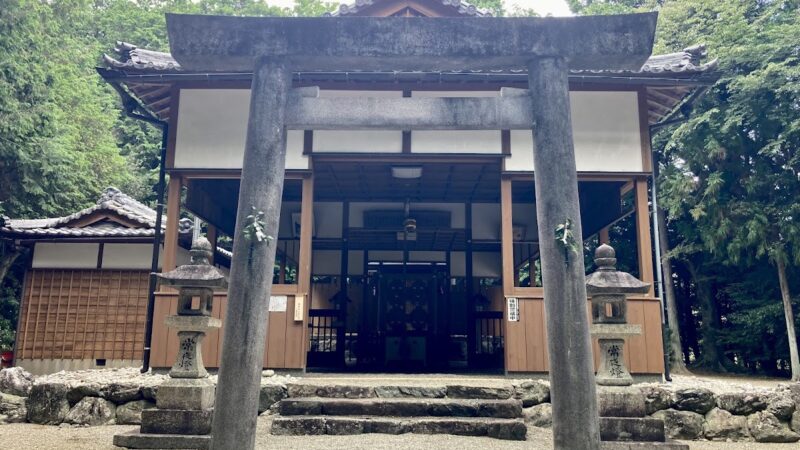
The Kaikaji Kannon Hall, located in the southeastern part of the temple grounds and facing west, is also designated as a National Registered Tangible Cultural Property. It is a magnificent building with four bays in length and three bays in width, a hip-and-gable roof with a gable entrance, and a tiled roof, complete with a three-bay portico.
Interior Structure of the Kannon Hall
The interior of the hall has a traditional configuration, with a wide veranda in the front and the inner sanctuary in the three rear bays. This spatial arrangement allows worshippers to pay their respects to the main image in the inner sanctuary from the wide veranda, exhibiting the typical characteristics of Buddhist temple architecture in the Jodo sect.
The Kannon Hall, along with the three-story pagoda, is an important structure that forms the landscape of the Kaikaji temple grounds, providing worshippers with a tranquil space for prayer.
Interior Structure of the Kannon Hall
The interior of the hall has a traditional configuration, with the front bay serving as a wide veranda and the rear three bays as the inner sanctuary. This spatial arrangement allows worshippers to worship the main image in the inner sanctuary from the wide veranda, demonstrating the typical characteristics of Buddhist temple architecture in the Jodo sect.
The Kannon Hall, along with the three-story pagoda, is an important building that forms the landscape of the Kaikaji temple grounds, providing worshippers with a serene space for prayer. ### Other Temple Facilities
Besides the three-story pagoda and the Kannon Hall, the grounds of Kaikaji Temple also contain the main hall and other buildings. The entire grounds are meticulously maintained, offering tranquility to visitors amidst the changing seasons.
Kaikaji Temple’s Annual Events and Visiting Information
As a Jodo sect temple, Kaikaji Temple regularly holds its own religious services and events. As it is also one of the 25 sacred sites associated with Honen Shonin, it attracts many visitors during pilgrimage season.
Points to Note When Visiting
- Visiting Hours: The temple grounds are generally open for visits during the day, but it is recommended to check with the temple in advance for specific hours.
- Admission Fee: Regular visits are free, but there may be additional fees for special viewings.
- Photography: Photography is generally permitted on the temple grounds, but there are areas where photography is restricted, such as inside the main hall, so please observe proper etiquette.
- Parking: Please contact the temple directly for details.
As part of the Honen Shonin Twenty-Five Sacred Sites Pilgrimage
When visiting Kaikaji Temple, visiting the other sacred sites of the Honen Shonin Twenty-Five Sacred Sites in conjunction will allow you to gain a deeper understanding of the history and culture of Jodo Buddhism in the Iga region. You can also receive a Goshuin (temple stamp) at each site, so collecting them as a memento of your pilgrimage is recommended.
Tourist Spots Around Kaikaji Temple
Iga City, where Kaikaji Temple is located, is nationally known as the home of ninjas and is a treasure trove of history and culture. Here are some nearby spots you might want to visit along with your visit to Kaikaji Temple.
Iga Ueno Castle
Iga Ueno Castle, a symbol of Iga City, is a famous castle built by Todo Takatora. It is famous for its high stone walls, and the castle tower offers a panoramic view of the Iga Basin. It is about a 10-minute drive from Kaika-ji Temple.
Iga-ryu Ninja Museum
This facility allows visitors to experience ninja culture through ninja residences and ninja demonstration shows. It is a popular tourist spot enjoyed by both children and adults.
Danjiri Hall
This facility introduces the traditional festival culture of the Iga region, allowing visitors to see actual danjiri floats up close. It is an ideal place to learn about the history and culture of the region.
Temple and Shrine Pilgrimage in Iga City
Many other temples and shrines are scattered around Kaika-ji Temple. Visiting other pilgrimage sites of the 25 sacred sites of Honen Shonin, as well as historical temples and shrines in the Iga region, will make for a more fulfilling pilgrimage.
Detailed Access Information to Kaikaji Temple
Access by Public Transportation
By Train:
- Take the Kintetsu Osaka Line to “Iga-Kambe Station” and transfer to the Iga Railway Iga Line.
- Alternatively, transfer from the JR Kansai Main Line to “Iga-Ueno Station” to the Iga Railway Iga Line.
- Get off at “Nishi-Ote Station” on the Iga Railway Iga Line and walk for approximately 7-9 minutes.
The walk from Nishi-Ote Station to Kaikaji Temple is a gentle one, passing through residential areas and rural landscapes. When you see the three-story pagoda, Kaikaji Temple is just ahead.
Access by Car
From Nagoya:
- Approximately 10-15 minutes from the Nakase IC or Ueno IC on the Meihan Expressway
From Osaka:
- Approximately 10 minutes from the Ueno IC on the Meihan Expressway
It is also close to the city center of Iga, and can be easily reached by entering “Kaikaji Temple, Iga City” or the address into your car navigation system.
Cultural Value of Kaikaji Temple
Both the three-story pagoda and Kannon Hall owned by Kaikaji Temple are designated as National Registered Tangible Cultural Properties. The Registered Tangible Cultural Property system is a system that aims to preserve and utilize buildings, mainly those constructed in the modern era.
What are Registered Tangible Cultural Properties?
Registered Tangible Cultural Properties are buildings that are 50 years old or older and that contribute to the historical landscape, serve as a model for design, or are difficult to reproduce. The three-story pagoda and Kannon Hall of Kaikaji Temple are protected under this system as valuable legacies that convey architectural techniques from the Taisho to early Showa periods.
Cultural Property Protection in Iga City
Iga City is a region rich in historical buildings and cultural heritage. Temple architecture like that of Kaikaji Temple plays an important role in passing on the region’s history and culture to future generations, and preservation activities by citizens and the local government continue.
Information on Memorial Services and Cemeteries at Kaikaji Temple
Kaikaji Temple, as a temple, has a parishioner system and also provides perpetual memorial services and cemetery management.
About Perpetual Memorial Services
In modern times, the number of people who wish for perpetual memorial services is increasing, especially those without successors or those who do not want to burden their descendants. Kaikaji Temple also accepts consultations regarding perpetual memorial services, so please contact the temple directly for details.
Cemeteries and Grave Closures
Kaikaji Temple also has a cemetery, and consultations regarding new cemetery acquisition, management of existing graves, and grave closures are available. Respectful memorial services are performed based on the teachings of the Jodo sect.
Recommended Points for Visiting Kaikaji Temple
A Peaceful Environment for Worship
Although Kaikaji Temple is located near the city center of Iga, it is situated in a quiet environment surrounded by fields. Away from the hustle and bustle of the city, this peaceful environment offers a precious sanctuary for modern people.
Enjoying Architectural Beauty
The opportunity to view two registered tangible cultural properties—the three-story pagoda and the Kannon Hall—at once is rare. For those interested in architecture, this is an excellent opportunity to observe the techniques and designs of Taisho-era pagoda construction up close.
Scenery of the Four Seasons
The temple grounds are adorned with the beauty of nature throughout the seasons. From cherry blossoms in spring, fresh greenery in summer, autumn leaves in fall, and snowscapes in winter, Kaikaji Temple displays a different face each season, offering a fresh and moving experience no matter how many times you visit.
As part of the Honen Shonin Twenty-Five Sacred Sites Pilgrimage
As the 6th temple on the pilgrimage route, incorporating it into the Honen Shonin Twenty-Five Sacred Sites Pilgrimage will make for a more meaningful pilgrimage experience. While receiving a temple stamp (Goshuin), you can learn about the history of Jodo Buddhism in the Iga region.
Manners and Precautions When Visiting Kaikaji Temple
Please observe the following manners when visiting temples.
Basic Etiquette for Visiting a Temple
- Attire: Please wear modest clothing that is not too flashy and does not reveal too much skin.
- Greetings: Bow when passing through the temple gate and behave quietly within the temple grounds.
- Photography: Photography of the building’s exterior is generally permitted, but please follow instructions if there are restrictions, such as inside the main hall.
- Smoking and Eating: Please refrain from smoking and eating within the temple grounds, and be sure to take your trash with you.
- Offerings: When visiting, you can help with the maintenance and management of the temple by offering a monetary donation or offering.
Consideration for Cultural Property Protection
The three-story pagoda and Kannon Hall are valuable cultural properties. Please be careful not to touch the buildings or enter restricted areas. Individual consideration is important for passing on cultural properties to future generations.
Frequently Asked Questions about Kaikaji Temple
Is there an admission fee?
Regular visits are free. However, please note that additional fees may apply for special viewings or events. We recommend checking in advance.
Can I get a Goshuin (temple stamp)?
As the 6th temple on the 25 sacred sites of Honen Shonin, you can receive a Goshuin. Please bring your Goshuincho (stamp book) and speak to someone at the temple office.
Is there parking?
We recommend contacting the temple in advance regarding parking availability and capacity (Tel: 0595-21-0224).
Can I request a memorial service or memorial rite?
Kaikaji Temple accepts requests for various memorial services and rites. Please contact the temple directly for details.
Can I see the inside of the three-story pagoda?
Normally, the inside of the pagoda is not open to the public, but there may be special viewing opportunities. Please contact the temple for details.
Summary | Kaikaji Temple: A Valuable Cultural Heritage of the Iga Region
Kaikaji Temple, located in Oda-cho, Iga City, Mie Prefecture, is an ancient Jodo sect temple boasting a beautiful three-story pagoda and Kannon Hall built during the Taisho era. Designated as a National Registered Tangible Cultural Property, the buildings are a valuable heritage site that conveys the history and culture of the Iga region, and also hold high architectural historical value.
Known as the 6th temple on the 25 sacred sites of Honen Shonin, Kaikaji Temple is important not only as a place of worship but also as a cultural asset. When visiting Iga City, be sure to visit Kaikaji Temple, find peace in its tranquil grounds, and appreciate the architectural beauty of its three-story pagoda.
Standing on a plain surrounded by fields, the three-story pagoda stands as a prominent landmark visible from afar, adding color to the Iga landscape. Spend a fulfilling time at Kaikaji Temple, where history, culture, and nature harmonize.