Jisonji Temple (Iga City, Mie Prefecture) Complete Guide | History and Highlights of the 63rd Temple of the Iga Shikoku Pilgrimage
About Jisonji Temple
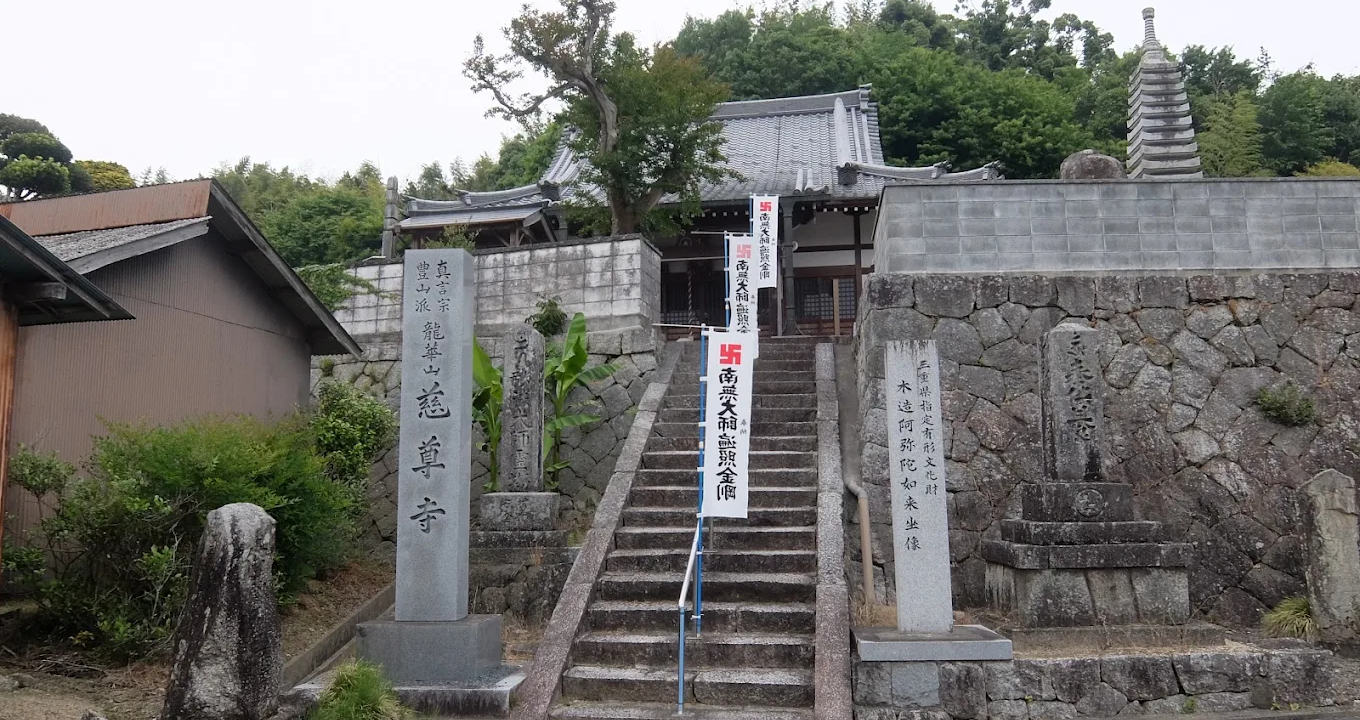
Jisonji Temple is a Shingon sect (Toyozan branch) temple located at 1530 Shirakashi, Iga City, Mie Prefecture. As the 63rd temple of the Iga Shikoku 88 Temple Pilgrimage, it is known as a historic temple that has long attracted the faith of the local community.
Located in the mountainous area of Iga City, it is a temple where visitors can worship in a tranquil environment, attracting not only local parishioners but also many pilgrims on the Iga Shikoku Pilgrimage. As a temple of high historical value within the prefecture, it is also attracting attention as a subject of research on cultural properties and religious facilities in Mie Prefecture.
History and Origins of Jisonji Temple
Founding and History
While detailed records of Jisonji Temple’s founding date are limited, it is believed to have been established during the Heian or Kamakura period, when Shingon Buddhism spread throughout the Iga region. The Iga region has long been strongly influenced by Shugendo and Shingon Esoteric Buddhism, leading to the formation of many mountain temples and sacred sites.
Jisonji Temple is one such temple that developed within the religious culture of Iga, and has been passed down through generations as a center of faith for the local people. During the Edo period, it was officially designated as one of the Iga Shikoku Pilgrimage sites, and began to serve as a pilgrimage temple welcoming pilgrims.
About the Shingon-shu Buzan School
The Shingon-shu Buzan school, to which Jisonji Temple belongs, is a branch of Shingon Buddhism with Hase-dera Temple in Sakurai City, Nara Prefecture, as its head temple. While inheriting the teachings of Shingon Esoteric Buddhism founded by Kobo Daishi Kukai, it is characterized by its particular emphasis on Kannon worship.
There are approximately 3,000 temples of the Buzan sect throughout Japan, and numerous branch temples exist within Mie Prefecture. Jisonji Temple is one such temple, focusing its religious activities on the practice of Shingon Esoteric Buddhism and devotion to Kannon (Goddess of Mercy).
Iga Shikoku Eighty-Eight Sacred Sites, Temple No. 63
What is the Iga Shikoku Pilgrimage?
The Iga Shikoku Eighty-Eight Sacred Sites is a pilgrimage route visiting 88 temples spread across the Iga region of Mie Prefecture. It is believed to have been established during the Edo period, modeled after the Shikoku Eighty-Eight Sacred Sites, and was created with the desire to allow local people to visit sacred sites associated with Kobo Daishi (Kukai) without having to travel all the way to Shikoku.
The Iga Shikoku Pilgrimage is a wide-ranging pilgrimage route encompassing Iga City, Nabari City, and surrounding areas. Each temple enshrines statues of Kobo Daishi, Kannon, and other deities. Even today, many pilgrims walk this sacred site, praying for peace of mind and the fulfillment of their wishes.
Jisonji Temple as the 63rd Temple
Jisonji Temple occupies an important position on the pilgrimage route as the 63rd temple of the Iga Shikoku Pilgrimage. Temple number 63 corresponds to Kichijoji Temple in Ehime Prefecture in the Shikoku Pilgrimage, marking the latter half of the pilgrimage.
As a pilgrimage temple, Jisonji Temple provides sutra copying (Goshuin) and hospitality to pilgrims, serving as a source of support for those walking the pilgrimage route. Signs and guideposts indicating the temple are installed within the grounds to ensure pilgrims do not get lost.
Principal Image and Beliefs
About the Principal Image
As indicated by the temple’s name, “Jison,” the principal image of Jisonji Temple is believed to be Miroku Bosatsu (Maitreya Bodhisattva). Maitreya Bodhisattva is a future Buddha who is said to appear in this world 5.67 billion years after the death of Shakyamuni Buddha to save humanity. He is also known by the honorific title “Jison,” which is the origin of the temple’s name.
Maitreya worship has been widespread in Japan since ancient times, particularly among the nobility and samurai from the Heian to the Kamakura periods. Jison-ji Temple has also functioned as a place where people pray for worldly benefits and salvation in the afterlife, centered on the worship of Maitreya Bodhisattva.
Attendant Deities and Other Buddhas
In addition to the principal image, the main hall is believed to house various Buddhas typical of Shingon Buddhist temples, such as statues of Kobo Daishi and Fudo Myoo. The statue of Kobo Daishi, in particular, is an important figure always enshrined in Shingon Buddhist temples, attracting fervent devotion from pilgrims and parishioners.
Highlights of the Temple Grounds
Main Hall
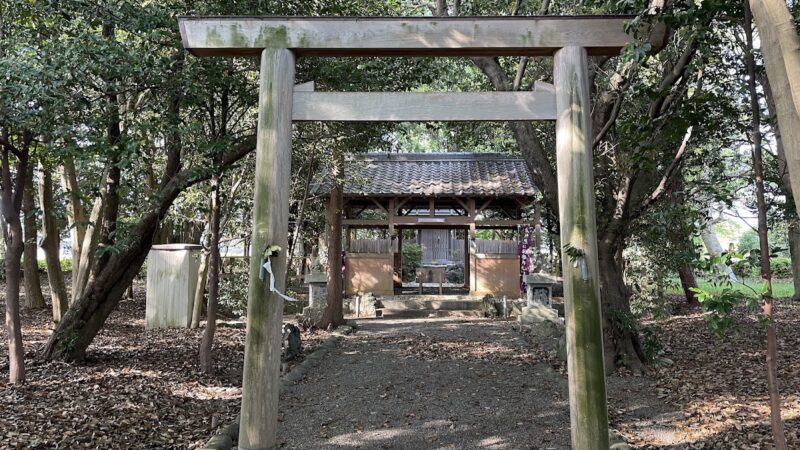
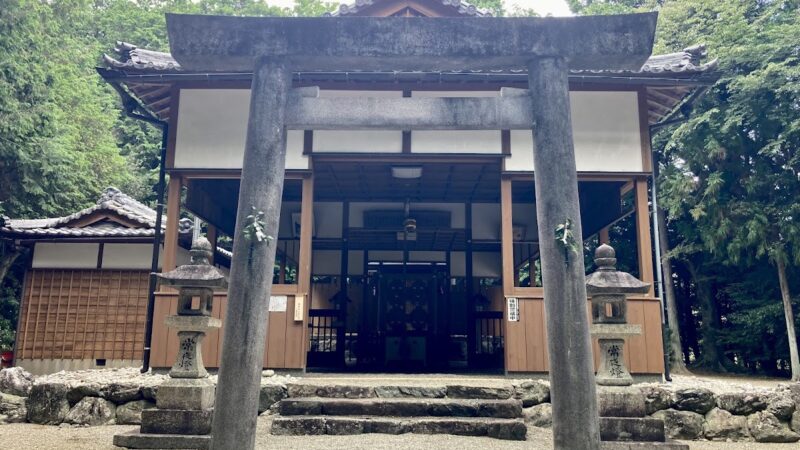
The main hall of Jison-ji Temple is a building in the traditional temple architectural style of the Iga region. The tranquil presence of the wooden architecture harmonizes with the natural environment of the mountain, offering visitors a sense of peace and tranquility.
The main hall houses the principal image of worship, allowing visitors to chant sutras and perform prayers within the sanctuary. As a pilgrimage temple, a stamp office is also located within the main hall, where visitors can receive a temple stamp.
Natural Environment of the Temple Grounds
Located in the mountainous area of the Shirakashi district of Iga City, Jisonji Temple is surrounded by abundant nature. Ancient trees and seasonal flowers can be seen within the grounds, allowing visitors to enjoy the changing scenery of each season: cherry blossoms in spring, lush greenery in summer, vibrant autumn leaves, and a serene snowscape in winter.
Especially during the autumn foliage season, the grounds are adorned in red and yellow, delighting visitors. The quiet atmosphere unique to a mountain temple provides an ideal environment for escaping the hustle and bustle of city life and finding peace of mind.
Stone Buddhas and Stone Monuments
Within the temple grounds, there are numerous stone Buddhas and stone monuments donated by successive chief priests and parishioners. These were erected from the Edo period to modern times and are valuable cultural assets that tell the story of the region’s religious history.
In particular, stone Buddhas such as statues of Kobo Daishi and Kannon are cherished as objects of faith for pilgrims and local residents, and flowers and incense are still offered to them.
Basic Information on Jisonji Temple
Location and Access
Address
1530 Shirakashi, Iga City, Mie Prefecture 519-1711
Access Method
- By Train
The nearest station is “Shimagahara Station” on the JR Kansai Main Line. It is about a 10-15 minute walk or drive from the station. Taking a taxi from the station is convenient.
- By Car
Approximately 20-30 minutes from “Ouchi IC” or “Ueno IC” on the Meihan Expressway. Accessible from central Iga City via the prefectural road. Parking may be available on the temple grounds or nearby, but it is recommended to check in advance.
Visiting Information
Visiting Hours
Generally, visits are possible during the daytime. However, visits may be restricted during temple events or memorial services.
Admission Fee
Usually free.
Temple Stamp (Goshuin)
You can receive a temple stamp for the Iga Shikoku Pilgrimage. The stamp fee is usually around 300 yen. However, if the head priest is absent, they may not be able to assist you, so it is recommended to contact them in advance if you definitely want to receive a temple stamp.
Contact Information
For detailed visiting information and temple stamp availability, please contact the temple directly. Information can also be obtained from the Iga City Tourism Association and the Iga Shikoku Pilgrimage Association.
Nearby Tourist Attractions
Historical and Cultural Facilities in Iga City
Iga City, where Jisonji Temple is located, is nationally famous as the home of ninjas and has many historical and cultural facilities.
Iga-ryu Ninja Museum
A museum about ninjas located within Iga Ueno Castle, popular for its demonstrations and hands-on programs.
Iga Ueno Castle
A famous castle built by Todo Takatora, a popular tourist spot with its high stone walls and stunning views from the keep.
Danjiri Hall
A museum exhibiting the danjiri floats and demon processions used in the traditional Iga Ueno festival, the Ueno Tenjin Festival.
Nearby Temples and Shrines
When visiting the Iga Shikoku Pilgrimage, you can also visit the temples before and after Jisonji Temple. Furthermore, there are many other historical temples and shrines within Iga City, allowing you to enjoy historical walks.
Ueno Tenjin Shrine (Sugawara Shrine)
A shrine dedicated to Sugawara no Michizane, the god of learning, and the central shrine of the Ueno Tenjin Festival.
Akuni Shrine
A historic shrine that has been revered since ancient times as the Ichinomiya (first-ranked shrine) of Iga Province.
Natural Scenery
The area around Iga City is blessed with abundant nature, making it ideal for hiking and nature walks.
Aoyama Plateau
This plateau, lined with wind turbines, offers scenic views and enjoyable drives.
Kizugawa Valley
A scenic spot boasting beautiful valley scenery and clear streams.
Manners and Precautions for Visiting Temples
Basic Manners for Visiting Temples
When visiting a temple, please observe the following basic manners:
- Bow at the Temple Gate
Bow at the temple gate before entering the grounds.
- Be Quiet
Behave quietly within the temple grounds and be considerate of other visitors and nearby residents.
- Photography
Photography is restricted in some areas, such as inside the main hall. Please check in advance if unsure.
- Offering Money
Offer your money in front of the main hall and bow with clasped hands.
- Sutra Receiving
When receiving a temple stamp, prepare your sutra book and ask respectfully.
Pilgrimage Guidelines
When undertaking the Iga Shikoku Pilgrimage, please note the following:
- Pilgrimage attire such as white robes and straw hats is not mandatory, but it enhances the pilgrimage atmosphere.
- Prepare a sutra book and receive a temple stamp at each temple.
- Embrace the spirit of a pilgrim and undertake the pilgrimage with gratitude and humility.
- Take care of your health and plan a reasonable trip.
Access Precautions
Jisonji Temple is located in a mountainous area, so please note the following:
- Road Conditions: There is a possibility of snow and ice in winter.
- Public Transportation: Since the number of services is limited, please check the timetable in advance.
- Cell Phone Signal: Signal strength may be weak in mountainous areas.
- Restrooms: It is recommended to use the restroom beforehand.
What you can experience at Jisonji Temple
Goshuin Stamp Pilgrimage
As a pilgrimage site of the Iga Shikoku Pilgrimage, Jisonji Temple offers Goshuin stamps. Collecting all 88 stamps serves as proof of fulfilling your pilgrimage and provides a great sense of accomplishment.
Goshuin stamps are not merely stamps; they are important symbols of your connection with Buddha. By sincerely visiting each temple and receiving a Goshuin stamp, you can also practice spiritual discipline.
Meditation in Silence
Located in a quiet mountain environment, Jisonji Temple is an ideal place to escape the hustle and bustle of everyday life and find peace of mind. You can attain inner peace by practicing Zen meditation or meditation in the main hall or on benches within the temple grounds.
Visiting early in the morning or on weekdays, in particular, allows you to have time to reflect on yourself in a quieter environment.
Seasonal Nature Observation
The rich natural environment within the temple grounds displays changes throughout the seasons. You can enjoy different expressions depending on the season you visit, such as cherry blossoms in spring, fresh greenery in early summer, autumn leaves, and snowscapes in winter.
Through nature observation, you can experience the Buddhist teaching of impermanence and the importance of harmony with nature.
Religious Culture of Iga City and Jisonji Temple
Temple Culture of Iga
The Iga region has a long history of flourishing Buddhist culture. During the Nara period, it was a manor of Todaiji Temple, and from the Heian period onward, numerous Shingon and Tendai Buddhist temples were built.
In the Middle Ages, Iga Province was a religiously important region, encompassing the territories of Jinguji Temple and Kofukuji Temple. Due to this historical background, many ancient temples remain in Iga City and are carefully preserved as regional cultural heritage.
Jisonji Temple, as a temple that plays a part in Iga’s religious culture, is an integral part of the region’s identity.
Engagement with the Local Community
Jisonji Temple is not merely a tourist attraction; it also serves as a place of worship for local residents and a central hub of the community. Various religious services and events are held throughout the year, making it a gathering place for local people.
Through temple events such as Obon and Higan services, and year-end and New Year’s celebrations, intergenerational exchanges are fostered, deepening community bonds. These community-based activities play a crucial role in maintaining communities in rural areas facing depopulation.
Recommended Plan for Visiting Jisonji Temple
Day Trip Pilgrimage Plan
Morning
- Arrive at JR Shimagahara Station
- Take a taxi or walk to Jisonji Temple
- Visit Jisonji Temple and receive a Goshuin (temple stamp) (approx. 30 minutes)
- Visit 1-2 other nearby temples
Afternoon
- Travel to Iga Ueno city center
- Sightseeing at Iga Ueno Castle, Ninja Museum, etc.
- Iga beef lunch
- Return from JR Iga Ueno Station or Kintetsu Ueno-shi Station
2-Day/1-Night Tour Plan
Day 1
- Morning: Arrive in Iga City, sightseeing (Iga Ueno Castle, Ninja Museum, etc.)
- Afternoon: Pilgrimage to Jisonji Temple and surrounding temples
- Evening: Stay at a hot spring inn in Iga City
Day 2
- Morning: Pilgrimage to other temples of the Iga Shikoku Pilgrimage
- Afternoon: Enjoy the natural scenery of Aoyama Plateau and Akame 48 Waterfalls
- Evening: Return journey
Complete Pilgrimage Plan for the Iga Shikoku Pilgrimage
To complete the pilgrimage to all 88 temples, you will need several days to a week. While traveling by car is efficient, pilgrimage on foot or by bicycle is also possible.
Obtain a pilgrimage map and a list of temples in advance and plan an efficient route. It’s also a good idea to check accommodations and dining options beforehand.
Summary
Jisonji Temple (Iga City, Mie Prefecture) is the 63rd temple of the Iga Shikoku 88 Pilgrimage, a Shingon-shu Buzan-ha temple surrounded by rich nature and boasting a long history. With Maitreya Bodhisattva as its principal deity, it warmly welcomes pilgrims while attracting the faith of the local people.
The temple grounds, nestled in a quiet mountain valley, are ideal for escaping the hustle and bustle of everyday life and finding peace of mind. It can be visited not only as part of the Iga Shikoku pilgrimage but also as part of sightseeing in Iga City.
Iga City is known as the home of the Iga ninja, but temples and shrines, including Jisonji Temple, are also important cultural resources of the region. Why not visit Jisonji Temple, where history, nature, and faith are in harmony, and find peace of mind and new insights?
When visiting, please observe basic manners, be considerate of the local people, and have a meaningful time.