Complete Guide to Shindaibutsu-ji Temple (Mie Prefecture) | History, Goshuin (Temple Seals), Access, and Highlights Explained in Detail
Located in Tominaga, Iga City, Mie Prefecture, Shindaibutsu-ji Temple is an ancient temple of the Shingon Chizan sect, founded in the early Kamakura period. With a history as an Iga branch temple of Todai-ji Temple, it boasts a collection of precious Buddhist statues, including a wooden seated statue of Roshana Buddha designated as an Important Cultural Property, and its beautiful grounds that change with the seasons, captivating visitors. This article comprehensively introduces all the information you need to know before visiting Shindaibutsu-ji Temple, from its history and highlights to goshuin information and access methods.
History and Origins of Shin-Daibutsu-ji Temple
Background of its Founding and Deep Connection with Todai-ji Temple
Shin-Daibutsu-ji Temple is said to have been founded approximately 800 years ago, in 1202 (Kencho 2), by Minamoto no Yoritomo as an imperial temple for Emperor Go-Toba, with Shunjobo Chogen Shonin as its founding priest. Chogen Shonin is known as a high-ranking priest who directed the reconstruction of the Great Buddha and Great Buddha Hall of Todai-ji Temple in Nara, which were destroyed by fire during the Taira clan’s burning of Nara. His achievements occupy an extremely important position in the history of Japanese Buddhism.
Chogen Shonin constructed seven Todai-ji branch temples throughout the country to secure financial resources for the reconstruction of Todai-ji and to serve as centers of faith. Shin-Daibutsu-ji Temple was one of these, becoming the “Todai-ji Iga Branch Temple,” and was named “Shin-Daibutsu-ji” (New Great Buddha Temple) with deep respect for Todai-ji Temple. This name embodies the wish to enshrine a Great Buddha in Iga, following the example of the Great Buddha of Nara. ### A Prayer Center for National Peace and the Happiness of the People
Shin-Daibutsu-ji Temple was established by imperial decree of Emperor Go-Toba as a grand prayer center for national peace and the happiness of the people. In the turbulent Kamakura period, it was extremely rare for a temple to receive support from both the imperial court and the samurai government, highlighting Shin-Daibutsu-ji’s historical importance. The fact that it was founded with the cooperation of Minamoto no Yoritomo demonstrates the significant role temples played in the political climate of the time.
The Mountain Name of Gohōzan and the Shingon-shu Chizan School
Shin-Daibutsu-ji Temple’s mountain name is Gohōzan, and it belongs to the Shingon-shu Chizan school. The Shingon-shu Chizan school is a branch of Shingon Buddhism, founded by Kūkai, and its head temple is Chishaku-in in Kyoto. Shin-Daibutsu-ji Temple offers various prayers and rituals based on the teachings of Shingon Esoteric Buddhism, and remains a place of worship visited by many people today.
Highlights and Cultural Properties of Shin-Daibutsu-ji Temple
Important Cultural Property: Wooden Seated Statue of Vairocana Buddha (Main Image)
The greatest highlight of Shin-Daibutsu-ji Temple is the wooden seated statue of Vairocana Buddha, designated as an Important Cultural Property. This main image is a large wooden Buddha statue exceeding 4 meters in height, and depicts the same Vairocana Buddha as the Great Buddha of Todai-ji Temple. This statue, attributed to Kaikei, is a valuable cultural property that conveys the skills of a master Buddhist sculptor from the Kamakura period.
Kaikei, along with Unkei, was a leading Buddhist sculptor of the Kamakura period, known for his elegant and gentle style called “Annami-yo.” The seated statue of Vairocana Buddha at Shin-Daibutsu-ji Temple, with its distinctive expression and exquisite carving techniques, deeply moves visitors. It is affectionately known locally as “Awa no Daibutsu-san” (Great Buddha of Awa) and has attracted worshippers for many years.
A 6-Meter Tall Statue of Fudo Myoo
Alongside the principal image, the Vairocana Buddha, a colossal 6-meter-tall statue of Fudo Myoo is enshrined on the temple grounds. Fudo Myoo is one of the most important Myoo (wisdom kings) in Esoteric Buddhism, believed to possess the power to sever worldly desires and subdue evil. This magnificent statue of Fudo Myoo leaves a strong impression on visitors and further enhances the sacred atmosphere of Shin-Daibutsu-ji Temple.
Special Treasure Viewing
At Shin-Daibutsu-ji Temple, a special viewing of the temple’s treasures is available for a fee of 300 yen. You can view important cultural properties, including Buddhist statues designated as Important Cultural Properties, up close. Spending time in the tranquil hall, facing the Buddhist statues dating back to the Kamakura period, will be a precious experience that allows you to forget the hustle and bustle of modern life.
Seasonal Scenery of the Temple Grounds
Spring Cherry Blossoms
The grounds of Shin-Daibutsu-ji Temple are beautiful with flowers of all seasons, offering different scenery depending on when you visit. In spring, cherry blossoms bloom in profusion, creating a harmonious blend of the solemn atmosphere of the ancient temple and the vibrant beauty of the blossoms. Many visitors come during cherry blossom season, enjoying the blossoms while paying their respects. The cherry blossoms in the temple grounds create a beautiful contrast with the historical buildings and Buddha statues, making it a popular spot for photography.
Early Summer Green Leaves and Hydrangeas
In May, the grounds are covered in fresh green leaves, creating a refreshing atmosphere. In June, hydrangeas reach their peak bloom, offering a picturesque scene unique to the rainy season. The vibrant colors of the hydrangeas add color to the grounds, creating a beautiful scene in harmony with the rain-soaked stone paths and moss-covered gardens.
Autumn Leaves and Japanese Anemones
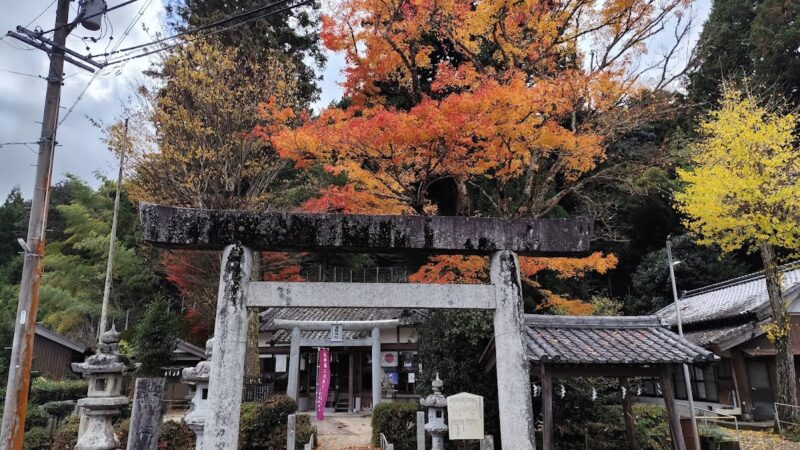
In autumn, the maple trees on the temple grounds change color, making it a famous spot for viewing autumn foliage. The trees, dyed in red and yellow, further enhance the tranquil atmosphere of the ancient temple. Japanese anemones also bloom, adding to the autumnal charm. During the autumn foliage season, many photography enthusiasts and tourists visit to enjoy its beauty.
Goshuin (Temple Seal) Information
Goshuin of Shin-Daibutsu-ji Temple
At Shin-Daibutsu-ji Temple, you can receive a goshuin as a memento of your visit. The goshuin features the calligraphy of “Roshana Buddha” and “Shin-Daibutsu-ji Temple,” along with the temple’s seal. Goshuin are important as a tangible record of your connection with the temple, and many goshuin enthusiasts visit to collect them.
To receive a goshuin, please request it at the goshuin office after completing your prayers. It is common to bring your own goshuincho (stamp book), but if you don’t have one, you may be able to receive a pre-written goshuin. It is recommended to check with the temple before your visit regarding the hours and fees for receiving goshuin.
Manners for Receiving Goshuin
Goshuin are not merely stamps; they are given as proof of your visit. The correct procedure is to first pray at the main hall, offering your respects to the Buddha before receiving your goshuin. Also, at the goshuin office, be sure to use polite language and express your gratitude.
Prayers, Supplications, and Memorial Services
Goma Prayer and Traffic Safety Prayer
At Shin-Daibutsu-ji Temple, Goma prayers are performed based on the traditions of Shingon Esoteric Buddhism. Goma is an important Esoteric Buddhist ritual in which fire is lit to burn away worldly desires and to pray for the fulfillment of various wishes. Prayers can be received for various wishes, such as family safety, business prosperity, academic success, and recovery from illness.
Traffic safety prayers, in particular, are frequently used by many visitors, especially those purchasing a new car or obtaining a driver’s license. After receiving the prayer, you will be given amulets and talismans.
Perpetual Memorial Services and Memorial Services for Stillborn Children
Shin-Daibutsu-ji Temple also offers perpetual memorial services and memorial services for stillborn children. Perpetual memorial services are a system where the temple takes responsibility for continuing memorial services in perpetuity for those who have no successors or who do not want to burden their families. Memorial services for stillborn children are rituals to comfort and commemorate the spirits of children who have died for various reasons.
These services require prior contact with the temple to arrange a date and time. For those who wish for a more thorough memorial service, it is recommended to contact the temple directly.
Amulets and Gifts
Various types of amulets are available on the temple grounds, including those for traffic safety, family safety, and academic success. Shin-Daibutsu-ji Temple’s amulets are blessed with Shingon Esoteric Buddhism prayers and are believed to bring the protection of Buddha to those who wear them. As a memento of your visit, or as a souvenir for family and friends, you might consider receiving a protective amulet.
About Cemeteries and Burial Grounds
Shin-Daibutsu Cemetery
Shin-Daibutsu-ji Temple has a burial ground called “Shin-Daibutsu Cemetery.” Because it is managed by the temple, it is characterized by the provision of attentive memorial services. Located in the naturally rich Iga area, you can rest in peace and tranquility. For inquiries regarding the purchase of a burial plot or perpetual memorial services, please contact the temple directly.
Osaka Kongo Cemetery
Shin-Daibutsu-ji Temple also manages “Osaka Kongo Cemetery” in Osaka Prefecture. This cemetery is suitable for those living near Osaka who wish to receive memorial services under the religious background of Shin-Daibutsu-ji Temple. For details, please check the temple’s official website or contact them directly.
Access Information
Location
Address: 1238 Tominaga, Iga City, Mie Prefecture
Shin-Daibutsu-ji Temple is located in the Tominaga area of Iga City, Mie Prefecture. Iga City is known as the home of ninjas, and can be visited in conjunction with other tourist attractions such as Iga Ueno Castle and the Iga-ryu Ninja Museum.
Access by Train
The nearest station is Shindo Station on the JR Kansai Main Line. From Shindo Station to Shindaibutsu-ji Temple, you can either walk or take a taxi. Since the temple is some distance from the station, taking a taxi is recommended. It is advisable to look up taxi company contact information in advance.
Access by Car and Parking
Access by car is the most convenient. It takes approximately 15-20 minutes from the Ueno IC or Ouchi IC on the Meihan Expressway. There is ample free parking on the temple grounds. The main hall is a short walk from the parking lot.
If using a car navigation system, search for “Shindaibutsu-ji Temple” or the address “1238 Tominaga, Iga City, Mie Prefecture.” Since it is located in a mountainous area, it is recommended to drive carefully and pay attention to road conditions.
Visiting Hours and Admission Fees
Visiting Hours: Normally 9:00 AM to 5:00 PM (may vary depending on the season)
Admission Fee: Special Treasure Viewing: 300 yen
Visiting hours and admission fees may change, so it is recommended to check the temple’s official website or call before visiting.
Nearby Tourist Attractions
Iga Ueno Castle
Located about 20 minutes by car from Shin-Daibutsu-ji Temple, Iga Ueno Castle is a famous castle known for its exceptionally high stone walls. Built by the master castle builder Todo Takatora, a reconstructed keep now stands. From inside the castle, you can enjoy a panoramic view of the town of Iga, making it a must-see spot for history buffs.
Iga-ryu Ninja Museum
Iga is known as the home of ninjas. At the Iga-ryu Ninja Museum, you can learn about the history, tools, and techniques of ninjas. With its abundance of interactive exhibits, including demonstrations of mechanical contraptions and ninja shows, this is a popular tourist spot for families.
Akame 48 Waterfalls
A short trip away lies Akame 48 Waterfalls, selected as one of Japan’s Top 100 Waterfalls. Numerous waterfalls of varying sizes line the gorge, allowing visitors to enjoy nature full of negative ions. Hiking trails are also well-maintained, making it highly recommended for nature lovers.
Points and Manners for Visiting
Clothing and Items to Bring
When visiting a temple, it is best to wear modest, understated clothing. Especially in summer, avoid overly revealing clothing. Since the temple grounds are rich in nature, it is recommended to wear comfortable walking shoes.
If you wish to receive a Goshuin (temple stamp), bring your Goshuincho (stamp book). It is also convenient to have small change ready for entrance fees and the purchase of amulets.
Photography
Photography of the temple grounds and building exteriors is generally permitted, but there may be restrictions on photographing Buddhist statues and cultural artifacts inside the halls. Please always obtain permission before taking photographs or follow the instructions on the signs. In particular, photography of the main image of Buddha and important cultural properties is often prohibited, so please be careful.
Etiquette for Worship
Please observe basic temple worship etiquette. Bow when passing through the temple gate, and quietly clasp your hands together in prayer at the main hall. When offering money, do not throw it in, but quietly place it in. If there is a bell tower, ringing the bell before praying is considered bad luck (“returning bell”), so please ring it after praying.
The Charm and Value of Shin-Daibutsu-ji Temple
Shin-Daibutsu-ji Temple is a historic temple with a history of approximately 800 years, yet it is a valuable place for quiet worship, free from excessive commercialization as a tourist destination. The group of Buddhist statues designated as important cultural properties preserves excellent Buddhist art from the Kamakura period and is of extremely high value from an art historical perspective.
The historical background of its founding as a branch temple of Todai-ji Temple in Iga is a fascinating story connecting Todai-ji Temple in Nara and Shin-Daibutsu-ji Temple in Iga, and is important for understanding the role of regional temples in the history of Japanese Buddhism. Furthermore, the natural beauty of the temple changes with the seasons, offering new discoveries with each visit.
Its location in Iga, the home of ninjas, is also one of its attractions. Visiting it in conjunction with ninja-related tourist spots allows for a multifaceted experience of Iga’s history and culture. Spending time in peace at this historic temple, away from the hustle and bustle of the city, will be a valuable opportunity for modern people to refresh their minds.
Summary
Shin-Daibutsu-ji Temple in Iga City, Mie Prefecture, is a historic temple of the Shingon Chizan sect, founded by the imperial decree of Emperor Go-Toba with the cooperation of Minamoto no Yoritomo. It was established as a branch temple of Todai-ji Temple in Iga and was founded by the monk Chogen. It houses valuable cultural assets, including the important cultural property, a wooden seated statue of the Vairocana Buddha.
The temple grounds offer a variety of seasonal flowers, from cherry blossoms in spring and hydrangeas in early summer to autumn foliage, allowing visitors to enjoy different beauty depending on the time of year. You can also receive a Goshuin (temple stamp), and prayers, rituals, and memorial services based on Shingon Esoteric Buddhism are performed.
Access is most convenient by car, and a parking lot is available. Visiting the temple in conjunction with nearby tourist attractions such as Iga Ueno Castle and the Iga-ryu Ninja Museum will allow you to gain a deeper understanding of Iga’s history and culture.
With a history of approximately 800 years, Shin-Daibutsu-ji Temple remains a place where Japanese Buddhist culture and local history intersect, and continues to be revered and cherished by many people today. Why not spend some peaceful time at this ancient temple nestled in a quiet mountain village?