Tokunaga-ji Temple (Iga City, Mie Prefecture) Complete Guide | History, Goshuin (temple stamp), and Access Information Related to Tokugawa Ieyasu
Located in Tsuge-cho, Iga City, Mie Prefecture, Tokunaga-ji Temple is a historic Jodo sect temple that played a crucial role in Tokugawa Ieyasu’s “Iga Crossing.” This temple, which has a history of Ieyasu stopping by immediately after the Honnoji Incident and subsequently being granted permission to use the Aoi crest, is a valuable spot that conveys the historical romance of the Sengoku period.
Basic Information about Tokunaga-ji Temple
Official Name: Heiyozan Muryojuin Tokunaga-ji Temple
Sect: Jodo-shu (Pure Land Buddhism)
Location: Tsuge-cho, Iga City, Mie Prefecture
Pilgrimage Site: Honen Shonin’s Twenty-Five Sacred Sites of Iga, Site No. 2
Tokunaga-ji Temple is a temple with a long history in the Iga region, and is particularly known for surviving the turbulent times from the Sengoku period to the Edo period. Even today, it attracts the faith of local people and is a pilgrimage site for history enthusiasts and fans of Tokugawa Ieyasu.
History of Tokunaga-ji Temple
Deep Connection with the Fukuchi Clan
Tokunaga-ji Temple was founded as the family temple of the Fukuchi clan, a powerful local lord of Iga Province. The Fukuchi clan was a core family of Iga ninjas, and Tokunaga-ji Temple functioned as their spiritual pillar.
The Tensho Iga Rebellion and the Fate of Temples
During the Tensho Iga Rebellion, which took place from 1579 to 1581, Oda Nobukatsu, the second son of Oda Nobunaga, invaded Iga Province, and many temples were burned down. However, Tokunaga-ji Temple miraculously escaped destruction, allowing its buildings and history to be preserved for future generations. This fact suggests strategic judgment by the Fukuchi clan, the temple’s location, or some kind of political consideration.
The Honnoji Incident and Tokugawa Ieyasu’s Crossing of Iga
The most important event in the history of Tokunaga-ji Temple is the visit of Tokugawa Ieyasu immediately after the Honnoji Incident in June 1582 (Tensho 10).
The Circumstances of the Crossing of Iga
At the time of the Honnoji Incident, Tokugawa Ieyasu was enjoying a tea ceremony in Sakai (present-day Sakai City, Osaka Prefecture). Upon receiving news of Oda Nobunaga’s death at the hands of Akechi Mitsuhide, Ieyasu, accompanied by only about 30 retainers, attempted to return to Okazaki in Mikawa Province (present-day Okazaki City, Aichi Prefecture) while fleeing from Akechi’s pursuers.
The route he chose was known as the “Iga Crossing”: Ujitawara → Shigaraki → Iga → Shiroko → Tokoname → Okazaki. This escape is considered the greatest crisis of Ieyasu’s life.
A Night at Tokunaga-ji Temple
According to temple records, on June 3, 1582, Tokugawa Ieyasu and his party stopped at Tokunaga-ji Temple to seek lodging for the night. At this time, the Iga ninja, led by the Fukuchi clan, served as Ieyasu’s guards, enabling him to safely pass through Iga Province.
Without the cooperation of the Iga ninjas, Ieyasu’s return to Mikawa would not have been possible. The rest at Tokunaga-ji Temple was a crucial time for Ieyasu’s survival.
Rewards from Tokugawa Ieyasu
Upon his safe return to Mikawa, Tokugawa Ieyasu felt deep gratitude towards the Fukuchi clan and Tokunaga-ji Temple for their assistance during his crossing of Iga Province. As proof of this gratitude, Ieyasu is said to have bestowed the following rewards upon Tokunaga-ji Temple:
- Donation of fields and forests: Land was granted to form the foundation of the temple’s management.
- Permission to use the Aoi crest: Special permission was granted to use the Aoi crest, the family crest of the Tokugawa family.
This permission to use the Aoi crest symbolizes the special relationship between the Tokugawa family and Tokunaga-ji Temple, and it can still be seen on the temple’s roof tiles today. This is an extremely rare privilege for ordinary temples and enhances the historical value of Tokunaga-ji Temple.
History from the Edo Period Onward
During the Edo period, Iga Province became part of the Tsu Domain, ruled by Todo Takatora. Todo Takatora also sent letters and donations to Tokunaga-ji Temple, establishing its position as a powerful temple in the region.
Despite being affected by the anti-Buddhist movement after the Meiji Restoration, Tokunaga-ji Temple has survived as a center of local faith and continues to thrive to this day.
Highlights of Tokunaga-ji Temple
Main Hall
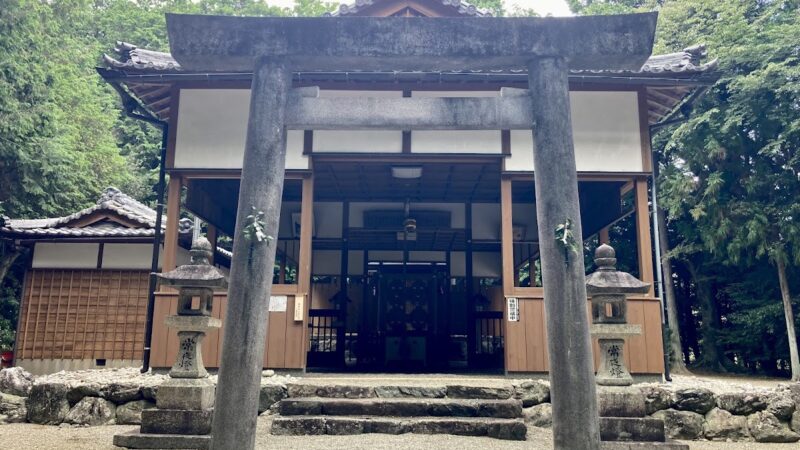
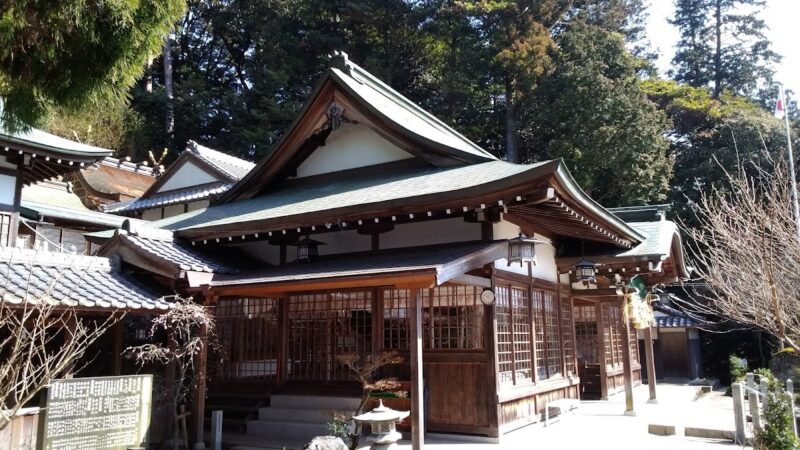
The main hall of Tokunaga-ji Temple exhibits a tranquil atmosphere typical of a Jodo sect temple. The principal image is enshrined inside, allowing visitors to quietly offer their prayers.
Roof Tiles with the Aoi Crest
One thing to pay attention to when visiting Tokunaga-ji Temple is the roof tiles bearing the Aoi crest. The Aoi crest, permitted for use by Tokugawa Ieyasu, is important evidence that conveys the temple’s special history.
The gargoyles also feature the Aoi crest, and their exquisite craftsmanship speaks to the high level of skill of Edo-period artisans.
Atmosphere of the Temple Grounds
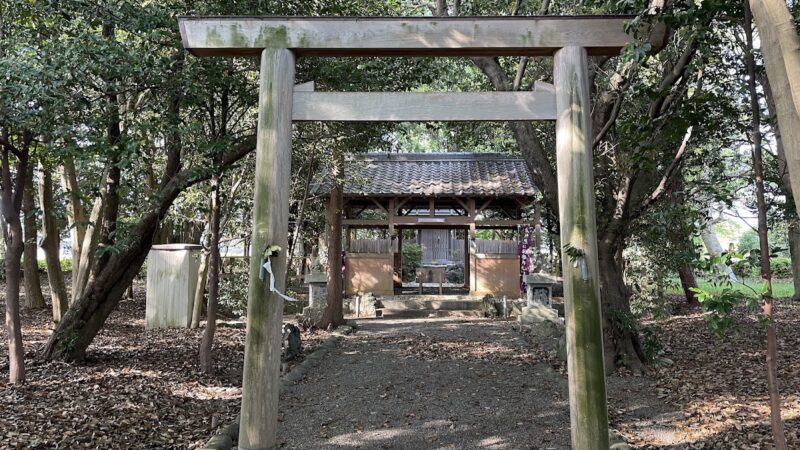
The grounds of Tokunaga-ji Temple are a peaceful space enveloped in tranquility. Located in Tsuge, far from the hustle and bustle of the city, it offers peace of mind to visitors.
From the temple grounds, you can enjoy views of Mount Reizan (765 meters above sea level) and the rich natural scenery of Iga.
Historical Documents and Treasures
Tokunaga-ji Temple possesses historically valuable documents, including letters and donation documents from Todo Takatora. These are usually not open to the public, but they are important resources for studying the temple’s history.
Goshuin (Temple Seal) Information
Honen Shonin’s Twenty-Five Sacred Sites of Iga
Tokunaga-ji Temple is designated as the second temple on the Honen Shonin’s Twenty-Five Sacred Sites of Iga. It is an important pilgrimage site for visitors to the sacred sites associated with Honen Shonin, the founder of the Jodo sect.
Features of the Goshuin
The goshuin available at Tokunaga-ji Temple is primarily a pre-printed type. The goshuin features the calligraphy and red seal of “Tokunaga-ji Temple,” and also includes the designation as the second temple on the Honen Shonin’s Twenty-Five Sacred Sites of Iga.
When requesting a Goshuin (temple stamp), it is recommended to contact the temple in advance. Since the temple staff may be absent due to temple circumstances, it is best to confirm by phone if you wish to be sure to receive a Goshuin.
About Goshuincho (Stamp Books)
A special Goshuincho for the 25 Sacred Sites of Honen Shonin in Iga is also available. Those planning a pilgrimage to the sacred sites in the Iga region will find their experience more fulfilling by obtaining this special Goshuincho.
Access Methods
Access by Train
Nearest Station: JR Kansai Main Line, Tsuge Station
Tsuge Station is approximately a 5-minute drive from Tokunaga-ji Temple. Walking takes about 20-25 minutes. Taking a taxi from the station is also convenient.
Tsuge Station is where the JR Kansai Main Line and Kusatsu Line intersect, providing access from Nagoya, Osaka, and Kusatsu.
Access by Car
If using the Meihan Expressway:
- Approximately 5 minutes from the Kamitsuge Interchange
- Approximately 5 minutes from the Iga Interchange
The Meihan Expressway is a major arterial road connecting Nagoya and Osaka, making it very convenient for accessing the Iga region. The route after exiting the interchange is easy to follow; simply enter “Tokunaga-ji Temple” or “Tsuge-cho, Iga City, Mie Prefecture” into your car navigation system to arrive.
Parking
Tokunaga-ji Temple has ample parking. For general visitors, parking spaces are usually not a problem, but it may be crowded on days with memorial services or special events.
Restrooms
Restrooms are available on the temple grounds, ensuring a comfortable environment for visitors.
Nearby Tourist Attractions
Tomie Shrine
Located near Tokunaga-ji Temple, Tomie Shrine is an ancient shrine originally situated in the mountains of Mount Reizan. Although now moved to the foot of the mountain, it remains an important shrine that attracts the faith of the local community. Visiting Tokunaga-ji Temple in conjunction with Tokunaga-ji Temple will allow you to gain a deeper understanding of the history and culture of Tsuge.
Iga Ninja-Related Spots
Iga City has many ninja-related tourist spots, including the Iga-ryu Ninja Museum. After visiting Tokunaga-ji Temple, it is recommended to visit facilities that teach about the history of Iga ninjas.
The Fukuchi clan was a core family of Iga ninjas, and knowing their connection to Tokunaga-ji Temple will provide a deeper understanding when visiting the Ninja Museum.
Iga Ueno Castle
Iga Ueno Castle, built by Todo Takatora, is a symbolic landmark of Iga City. It was the residence of Todo Takatora, who sent a donation to Tokunaga-ji Temple, and you can feel the history from the Sengoku period to the Edo period.
Manners and Precautions for Visiting
Visiting Hours
Tokunaga-ji Temple is a general temple, and there are no specific visiting hours, but it is advisable to visit during reasonable hours (around 9:00 AM to 5:00 PM).
Photography
Photography is generally permitted within the temple grounds, but prior permission is required for photographing the interior of the main hall or treasures. Please also be considerate of other visitors.
Dress Code
There are no specific dress code requirements, but please dress appropriately when visiting a temple.
Notes on Receiving a Goshuin (Temple Stamp)
A Goshuin is a token of your visit. It should not be treated like a stamp rally; rather, it should be received after a sincere and heartfelt visit. Please remember to bring your Goshuincho (stamp book).
Significance of Visiting Tokunaga-ji Temple
As a Place for Historical Learning
Tokunaga-ji Temple is directly involved in two important historical events that appear in Japanese history textbooks: the Honnoji Incident and Tokugawa Ieyasu’s Escape through Iga. Visiting the actual site allows you to gain a sense of presence and a deeper understanding of history that cannot be obtained from textbooks alone.
A Holy Site for Tokugawa Ieyasu Fans
In Tokugawa Ieyasu’s life, the Iga Crossing was the greatest crisis, and at the same time, a crucial turning point in his path to becoming the ruler of Japan. For Ieyasu fans, Tokunaga-ji Temple is undoubtedly one of the holy sites they must visit.
Learning About the History of Iga Ninjas
The historical fact that the Iga ninjas, centered around the Fukuchi clan, protected Tokugawa Ieyasu demonstrates that ninjas were not merely assassins, but a group of samurai possessing high strategic thinking and loyalty. By visiting Tokunaga-ji Temple, you can experience the true nature of the Iga ninjas.
A Space of Tranquility and Healing
Away from the hustle and bustle of modern society, spending time in the quiet temple grounds leads to mental refreshment. The tranquil atmosphere of Tokunaga-ji Temple provides deep peace to visitors.
Annual Events at Tokunaga-ji Temple
As a Jodo sect temple, Tokunaga-ji Temple holds various Buddhist services and events. While many events are centered around local parishioners, some are open to the general public.
You may be able to confirm the dates of special events by contacting the temple before your visit.
About Tsuge-cho, Iga City
History of Tsuge
Tsuge has flourished since ancient times as a transportation hub. Located on an important route connecting the Tokaido and Iga, it saw the passage of many travelers.
Local Products of Tsuge
The Iga region is known for its high-quality agricultural products, such as Iga beef and Iga rice. Traditional pottery called Iga ware is also famous. When visiting Tokunaga-ji Temple, we recommend trying some of the local specialties.
Detailed Information
Address: Tsuge-cho, Iga City, Mie Prefecture
Phone Number: 0595-45-2250
Sect: Jodo-shu (Pure Land Buddhism)
Pilgrimage Site: Honen Shonin’s Twenty-Five Sacred Sites of Iga, No. 2
Parking: Available (Free)
Restrooms: Available
Admission Fee: Free (Regular Visit)
Access:
- Approximately 5 minutes by car or 20 minutes on foot from JR Tsuge Station
- Approximately 5 minutes by car from Meihan Expressway, Kami-Tsuge IC or Iga IC
Summary
Tokunaga-ji Temple, located in Tsuge-cho, Iga City, Mie Prefecture, is a historic Jodo-shu temple deeply involved in the historical event of Tokugawa Ieyasu’s crossing of Iga. As the family temple of the Fukuchi clan, who helped Ieyasu escape with his life immediately after the Honnoji Incident, and as a special temple permitted to use the Aoi crest, it is a must-see spot for history buffs and Tokugawa Ieyasu fans.
It is also the second temple on the Honen Shonin Iga Twenty-Five Sacred Sites pilgrimage, attracting many visitors seeking temple stamps. Its convenient location, easily accessible from the Meihan National Highway, makes it an attractive stop as part of an Iga sightseeing trip.
Why not spend some peaceful time in the tranquil temple grounds, reflecting on the historical romance of the Sengoku period? Tokunaga-ji Temple, a precious witness to history connecting the past and present, quietly welcomes visitors today.