Complete Guide to Kamitsu Shrine (Osaka Prefecture): The Charm and Blessings of the Historic Guardian Deity of Juso
Kamitsu Shrine, located in Juso-Higashi, Yodogawa-ku, Osaka City, is a shrine with a long history and tradition, deeply cherished by the local residents as their guardian deity. Despite its convenient location just a 3-minute walk from Hankyu Railway’s Juso Station, it maintains a tranquil atmosphere and attracts many worshippers. This article provides a detailed introduction to Kamitsu Shrine, including its history, enshrined deities, highlights within the grounds, annual festivals, blessings, and access information.
Basic Information on Kamitsu Shrine
Although Kamitsu Shrine is located in the heart of Juso, a bustling commercial district in Yodogawa-ku, Osaka City, stepping onto the shrine grounds reveals a calm space that makes you forget the hustle and bustle of the city.
Address: 2-6-39 Juso-Higashi, Yodogawa-ku, Osaka City, Osaka 532-0023
Phone: 06-6301-5724
Visiting Hours: The shrine grounds are open 24 hours (please check the reception hours of the shrine office)
Access: Approximately 3 minutes on foot (approx. 200m) from the east exit of Hankyu Railway Juso Station
History of Kozu Shrine
From its founding to the Hachiman Shrine era
The exact founding date of Kozu Shrine is unknown because old records were lost due to repeated flooding of the Nakatsu River (present-day Shin-Yodo River) and the Kanzaki River. However, according to ancient records, it is believed to have been established during the Tensho era (1573-1592), rebuilt during the Bunroku era (1592-1596), rebuilt again during the Enpo era (1673-1681), and rebuilt once more in the 7th year of the Hoei era (1710).
Initially, it was called “Hachiman Shrine” or “Kojima Hachiman,” and was revered as the tutelary deity of the Kojima district, the former place name. The history of repeated floods and reconstructions tells the story of how this region developed amidst its struggle against rivers.
Merger and Name Change in the Meiji Era
With the arrival of the Meiji era, the shrine’s history underwent a major turning point. From 1909 (Meiji 42) to 1911 (Meiji 44), a large-scale consolidation and reorganization took place, merging the deities worshipped as tutelary gods in seven surrounding villages. At this time, the Sarutahiko Shrine, formerly known as Kojima, was also merged with the current shrine, and the name was changed to the current “Kamitsu Shrine.”
The name “Kamitsu” combines “Kami” from the Kanzaki River flowing north and “Tsu” from the Nakatsu River flowing south, reflecting the characteristics of the area situated between the two rivers. In the mid-Meiji period, this entire area was established as “Kamitsu Village” (part of present-day Yodogawa Ward, Osaka City), and Kamitsu Shrine became its central place of worship.
From Modern to Contemporary Eras
In the Showa era, in 1956 (Showa 31), the Jusan Ebisu Shrine was invited from Imamiya Ebisu Shrine as a subsidiary shrine within the grounds. This Jusan Ebisu Shrine, with “Jusan” (thirteen) read as “Tomi” (wealth), is affectionately known as “Tomi Ebisu” by local residents and attracts many worshippers as a god of business prosperity.
Even today, Kozu Shrine remains an important tutelary shrine in Yodogawa Ward, serving as a spiritual pillar for the community. While maintaining its status as a former village shrine, it continues to develop as a shrine that harmoniously blends tradition and innovation, meeting the needs of modern worshippers.
Deities and Blessings
Deities Enshrined
Kozu Shrine enshrines nine deities. This reflects the history of the Meiji era, when several shrines in the surrounding area were consolidated.
Main Deity:
- Emperor Ōjin: The 15th Emperor, revered as Hachiman, the god of military fortune, victory, and career advancement.
- Empress Jingū: The mother of Emperor Ōjin, the goddess of safe childbirth, child-rearing, and victory.
Enshrined Deities:
- Sokotsutsu-no-Mikoto
- Nakatsutsu-no-Mikoto
- Uwatsutsu-no-Mikoto
These three deities are known as the Sumiyoshi Three Gods and are worshipped as gods of safe voyages, safe travel, and waka poetry.
- Ukanomitama-no-kami: Known as Inari-sama, the god of abundant harvests and business prosperity.
- Sugawara no Michizane: The god of learning, worshipped for success in examinations and academic achievement.
- Sukunahikona-no-kami: God of medicine, hot springs, and sake brewing.
- Sarutahiko-no-kami: God of opening paths, protection from evil directions, and safe travel.
Main Benefits
Through these gods, you can receive a variety of benefits at Kozu Shrine.
- Prayers for safe childbirth and child-rearing (Empress Jingu)
- Prayers for academic success and passing exams (Sugawara no Michizane)
- Business prosperity and success (Uga no Mitama no Kami, Jusan Ebisu Shrine)
- Protection from evil and misfortune (Sarutahiko no Kami)
- Traffic safety and safe travel (Sumiyoshi Three Gods, Sarutahiko no Kami)
- Good fortune in competitions and career advancement (Emperor Ojin, Empress Jingu)
- Health, longevity, and recovery from illness (Sukunahiko no Kami)
Highlights of the Shrine Grounds
Main Hall and Worship Hall
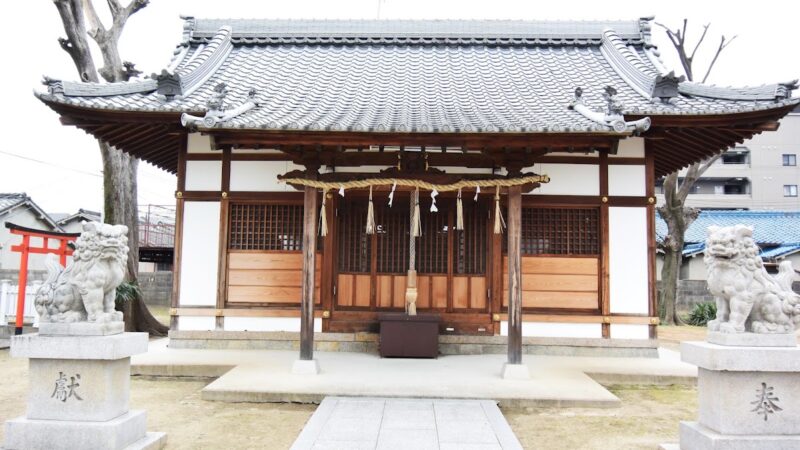
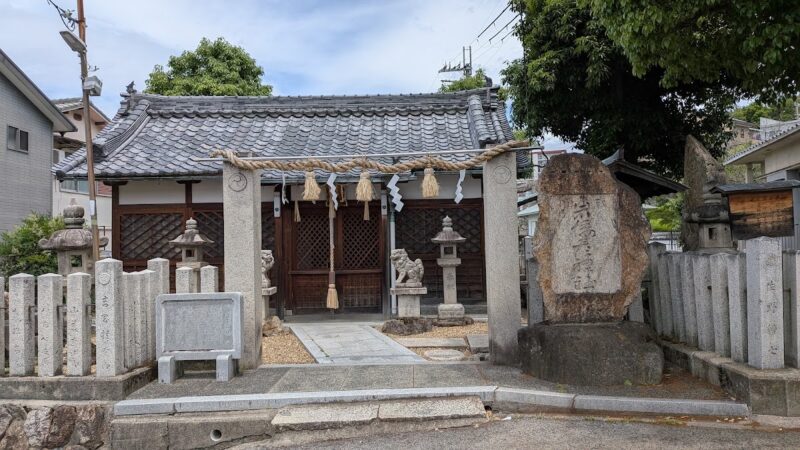
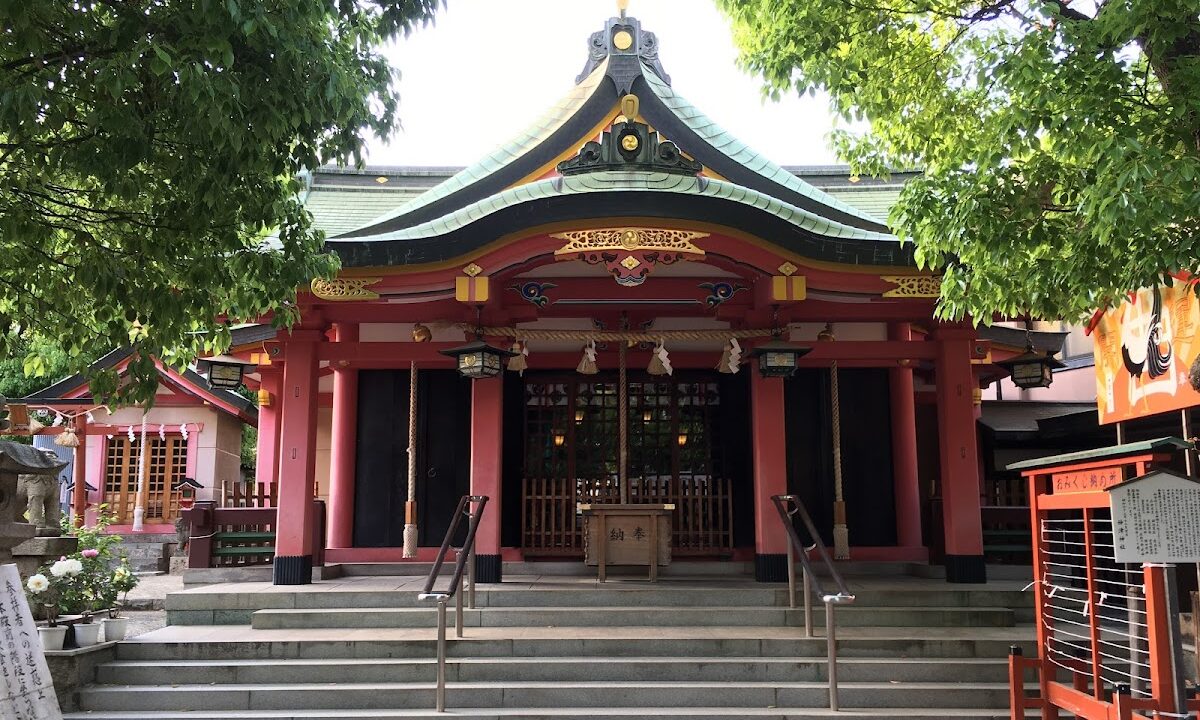
The main hall of Kozu Shrine is a magnificent structure that preserves the traditional style of shrine architecture. The worship hall is an open space that warmly welcomes worshippers, and many people pray there every day. Although located in the city, the shrine grounds maintain a quiet environment surrounded by trees, allowing for a peaceful visit.
Jusan Ebisu Shrine (Subsidiary Shrine)
The Jusan Ebisu Shrine, a subsidiary shrine within the grounds of Kozu Shrine, is an important place of worship when visiting Kozu Shrine. This shrine, which was established in 1956 by inviting a deity from Imamiya Ebisu Shrine, is affectionately known as “Tomi Ebisu” by local residents, as “Jusan” (thirteenth) is read as “Tomi” (wealth).
It is constantly visited by worshippers praying for business prosperity and success, and is especially crowded during the Toka Ebisu festival in January. It is a place of worship deeply intertwined with the history of the Jusan area, which has flourished as a commercial town since ancient times.
Shrine Office and Offerings
At the shrine office, you can receive various amulets, goshuin (stamped seals), ema (votive tablets), and other offerings. A variety of amulets are available, corresponding to the blessings of the enshrined deities, such as amulets for academic success, safe childbirth, and business prosperity.
Goshuin are popular as souvenirs of your visit and are carefully written. Reception hours may vary depending on the day, so it is recommended to check by phone in advance.
Atmosphere of the Shrine Grounds
Located beyond the shopping street at the east exit of Juso Station, Kozu Shrine offers a tranquil space in stark contrast to the hustle and bustle of the city center. The grounds are filled with ancient trees, allowing visitors to experience the changing seasons. It is especially worth visiting during the spring when the new leaves appear and the autumn when the leaves change color, as it is an oasis in the city.
Annual Festivals and Events
Autumn Festival (Grand Festival)
The most important festival at Kozu Shrine is the Autumn Festival (Grand Festival), held around October 23rd each year. This festival is a major community event, featuring a procession of portable shrines, devotional performances, and food stalls, attracting many worshippers and local residents.
The Autumn Festival is a traditional event praying for a bountiful harvest, regional prosperity, and the safety of the parishioners. It symbolizes the strong connection between Kozu Shrine and the local community. Many people visit not only from the Jusan area but also from surrounding regions, making it an important opportunity to strengthen community unity.
Toka Ebisu (January)
At the Jusan Ebisu Shrine, a subsidiary shrine within the grounds, the Toka Ebisu festival is held annually from January 9th to 11th. The shrine grounds are bustling with worshippers praying for business prosperity, and lucky bamboo branches and auspicious items are distributed. The Toka Ebisu festival at Jusan Ebisu Shrine, affectionately known as “Tomi Ebisu,” has become a New Year’s tradition in the region.
Other Annual Events
- Hatsumode (January 1st-3rd): The shrine is bustling with worshippers praying for happiness and safety in the new year.
- Setsubun Festival (around February 3rd): Events such as bean-throwing are held.
- Shichi-Go-San (around November 15th): Many worshippers visit to celebrate the growth of their children.
- Monthly Festivals: Festivals held regularly every month.
For detailed dates and content of each festival, please contact Kozu Shrine directly or check the official website.
Prayers and Etiquette for Worship
About Prayers
At Kozu Shrine, you can receive various prayers according to different milestones in your life and your wishes.
Main Prayers Offered:
- Prayers for Safe Childbirth
- First Shrine Visit (Omiyamairi)
- Shichi-Go-San (7-5-3) Ceremony
- Prayers for Success in Exams/Academic Achievement
- Prayers for Protection from Evil Spirits
- Prayers for Business Prosperity
- Traffic Safety
- Family Safety
- Recovery from Illness
If you wish to have a prayer offered, we recommend making a reservation by phone in advance. While same-day reservations may be possible, there may be waiting times depending on festivals and other prayer services.
Etiquette for Visiting a Shrine
The basic etiquette for visiting a shrine is as follows:
- Bow before passing through the torii gate: Prepare your mind before entering the sacred area.
- Purify yourself at the water basin: Purify your left hand, then your right hand, then your mouth, and finally the handle of the ladle.
- Walk along the edge of the approach to the shrine: The center is considered the path for the gods.
- Etiquette in front of the main hall:
- Quietly place your offering in the offering box.
- Ring the bell (if present).
- Two bows, two claps, one bow (bowing deeply twice, clapping twice, bowing deeply once).
- Bow again at the torii gate upon leaving: Express your gratitude.
Transportation Access and Surrounding Information
Access by Train
Nearest Station: Hankyu Railway Kyoto Line, Kobe Line, and Takarazuka Line “Juso Station” Estimated Time: Approximately 3 minutes on foot from the East Exit (approx. 200m)
Juso Station is a major station on the Hankyu Railway, approximately 5 minutes from Osaka Umeda Station, and offers good access to Kyoto, Kobe, and Takarazuka. After exiting the station, take the East Exit and proceed east along the shopping street to reach Kozu Shrine.
Access by Car and Parking
Kozu Shrine does not have its own parking lot. If you are visiting by car, you will need to use a nearby coin-operated parking lot. The area around Juso Station is a busy commercial district, so there are several parking lots, but they can get crowded on weekends and during festivals.
Since the location is conveniently accessible by public transport, we recommend using the train whenever possible.
Nearby Tourist Attractions
Juso Shopping Street: A lively shopping street stretches around Kozu Shrine, lined with restaurants, izakayas, cafes, and more. Enjoying local cuisine after visiting the shrine is highly recommended.
Yodogawa Riverbank: A short walk away is the Yodogawa Riverbank, where you can relax in a vast natural space.
Shin-Osaka Area: Shin-Osaka Station, a Shinkansen (bullet train) stop, is nearby, making it a convenient base for sightseeing in Osaka.
The Charm of Kozu Shrine and its Connection to the Community
The Heart of the Local Community
Kozu Shrine is not merely a tourist spot; it functions as a guardian shrine deeply rooted in the lives of local residents. Many local residents visit Kozu Shrine at important life events such as their first shrine visit, Shichi-Go-San (a traditional rite of passage for children), exorcism, and weddings, making it a place of worship that transcends generations.
The Juso area has long flourished as a commercial and entertainment district. Located at its heart, Kozu Shrine plays a significant role as a spiritual pillar of the community and as an important cultural asset that conveys the history and traditions of the region to the present day.
A Healing Space in the City
Despite being located in the bustling downtown area of Osaka City, stepping into the grounds of Kozu Shrine envelops you in a quiet and peaceful atmosphere. In the midst of a busy daily life, this is a precious space where one can find peace of mind and time to reflect on oneself.
In recent years, with the boom in collecting Goshuin (temple/shrine stamps) and visiting power spots, more and more tourists visiting the Juso area are stopping by Kozu Shrine. As an open shrine that warmly welcomes not only locals but also visitors from afar, it continues to spread its charm.
Preserving Tradition while Adapting to Modern Times
Kozu Shrine cherishes its long history and traditions while also possessing the flexibility to meet the needs of modern visitors. It engages in activities adapted to the times, such as providing information on its website, offering various prayers, and participating in local events.
In particular, the affectionate nickname “Tomi Ebisu” for Juso Ebisu Shrine is a unique characteristic of Kozu Shrine, combining its locally rooted familiarity with the practical benefit of business prosperity.
Summary: A Recommendation to Visit Kozu Shrine
Kozu Shrine, located in Juso-Higashi, Yodogawa-ku, Osaka City, boasts a long history dating back to the Tensho era. After a consolidation of shrines during the Meiji period, it took its current form and is deeply rooted in the local community. It enshrines nine deities, including Emperor Ojin and Empress Jingu, and bestows various blessings, such as safe childbirth, academic success, business prosperity, and protection from evil.
Despite its convenient location just a 3-minute walk from Hankyu Juso Station, the shrine grounds offer a tranquil and peaceful atmosphere. Throughout the year, festivals such as the Autumn Festival and Toka Ebisu are held, making it a central hub for the local community.
When visiting the vibrant town of Juso, why not stop by Kozu Shrine, experience the atmosphere of this historic shrine, and offer a peaceful prayer? Kozu Shrine, beloved by the local people, is sure to grant your wishes.
Contact Information:
Kozu Shrine
2-6-39 Juso-Higashi, Yodogawa-ku, Osaka City, Osaka 532-0023
Phone: 06-6301-5724
Official Website: http://kamitsujinja.ec-net.jp/