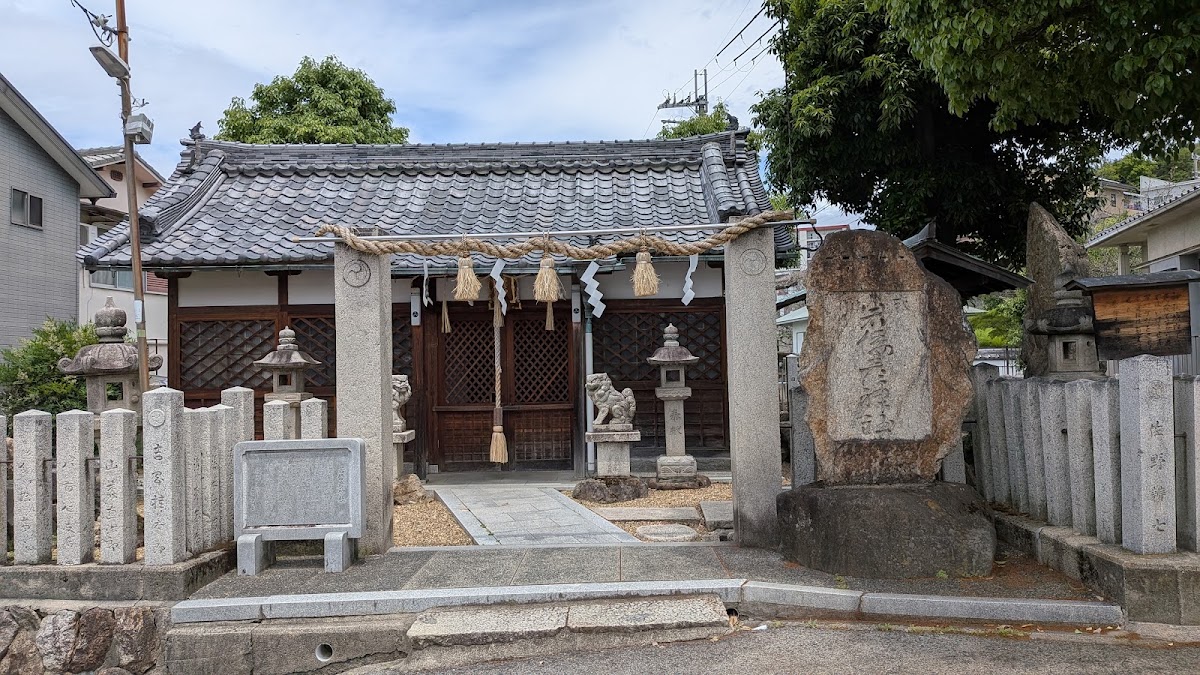
Complete Guide to Wakayamatohiko Shrine (Kashiwara City, Osaka Prefecture) | History, Deities, Access, and Goshuin Information
Wakayamatohiko Shrine, located in Hirano, Kashiwara City, Osaka Prefecture, is a historically significant shrine listed in the Engishiki Jinmyocho (a list of shrines compiled in the Heian period). Known as a counterpart to Wakayamatohime Shrine in the same city, it is a historically significant shrine dedicated to the ancestral deity of the ancient Wakayamatobe no Muraji clan, and attracts the faith of the local community.
This article comprehensively introduces information useful for those who enjoy visiting shrines and collecting Goshuin, including the detailed history of Wakayamatohiko Shrine, its enshrined deities, highlights within the grounds, access methods, and Goshuin information.
Basic Information on Wakayamatohiko Shrine
Official Name: Wakayamatohiko Shrine
Location: 2-15-22 Hirano, Kashiwara City, Osaka Prefecture 582-0019
Deity Enshrined: Wakayamatohiko-no-Mikoto
Shrine Rank: Shikinaisha (Listed in the Engishiki Jinmyocho)
Former Shrine Rank: Village Shrine
Wakayamatohiko Shrine is an ancient shrine listed in the Engishiki Jinmyocho as “Wakayamatohiko-no-Mikoto Shrine” in Oagata District, Kawachi Province. Although it is now a small shrine quietly nestled in a residential area, its historical value is extremely high, and it is a valuable presence that conveys the ancient culture of the powerful clans of the Kawachi region.
History and Origins of Wakayamato-hiko Shrine
Founding and the Ancient Powerful Clan, Wakayamatobe-no-Muraji
While the exact founding date of Wakayamato-hiko Shrine is unclear, it is believed to have originated when the Wakayamatobe-no-Muraji clan, a powerful clan in this region in ancient times, enshrined their ancestral deity.
The Wakayamatobe-no-Muraji clan was one of the clans that served the ancient Yamato court, and was based in Oagata District, Kawachi Province (present-day Kashiwara City area). The clan name “Wakayamato” means “Young Yamato,” suggesting a deep connection with the Yamato court. Wakayamato-hiko Shrine was founded by this powerful clan to enshrine their ancestral deity, and it has been worshipped as a counterpart to Wakayamato-hime Shrine, also located in Yamanoi-cho, Kashiwara City.
Listing in the Engishiki Jinmyocho
The Engishiki Jinmyocho, compiled in the 5th year of the Engi era (927 AD) during the mid-Heian period, lists “Wakayamatohiko-no-Mikoto Shrine” as a Shikinaisha (shrine listed in the Engishiki) in Oagata District, Kawachi Province. A Shikinaisha is a shrine of high status officially recognized by the imperial court, indicating that Wakayamatohiko Shrine was an important object of worship from ancient times.
The Engishiki Jinmyocho lists 2,861 shrines (3,132 deities) nationwide, and its inclusion among them proves the high historical and social status of the shrine.
Merger in the Meiji Era and Post-War Independence
In the Meiji era, influenced by the Meiji government’s policy of merging shrines, Wakayamatohiko Shrine was merged with Nudehiko Nudehime Shrine, also located in Kashiwara City. This policy of consolidating shrines intensified in 1906 (Meiji 39), leading to the merger and closure of many small shrines throughout Japan.
However, after World War II, due to the fervent faith and desire for restoration of the local residents, Wakayamatohiko Shrine regained its independence, and its shrine building was rebuilt on its current site in Hirano 2-chome. This post-war independence and restoration demonstrates how important this shrine was to the community.
Deity and Divine Virtues
Wakayamatohiko-no-Mikoto
The deity enshrined at Wakayamatohiko Shrine is Wakayamatohiko-no-Mikoto. This deity is considered the ancestral god of the Wakayamatobe clan and is thought to be a deified ancestor who contributed greatly to the development and cultivation of the ancient Kawachi region.
Wakayamatohiko-no-Mikoto is believed to be a married couple with Wakayamatohime-no-Mikoto, who is enshrined at Wakayamatohime Shrine in the same city. The existence of two shrines dedicated to this male and female pair of deities in the same area is a valuable example that preserves the form of ancient clan worship.
Divine Virtues
The following are said to be the divine virtues of Wakayamatohiko Shrine:
- Family Safety and Harmony: As they are enshrined as a married couple, they protect peace and harmony within the home.
- Protection of the Community: Since ancient times, they have protected the land and people as the local guardian deity.
- Good Fortune and Prosperity: Increased luck due to their divine power as ancestral deities.
- Prosperity of Descendants: Divine virtues as deities who have watched over the prosperity of clans.
Highlights of the Shrine Grounds
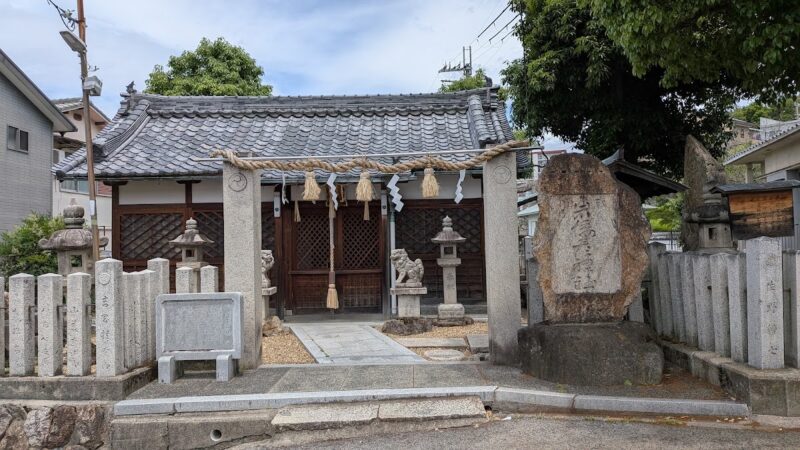
Wakayamatohiko Shrine is a small shrine located in a residential area, but it possesses the dignity and tranquil atmosphere of a Shikinaisha (a shrine listed in the Engishiki, an ancient Japanese legal text).
Torii Gate and Approach
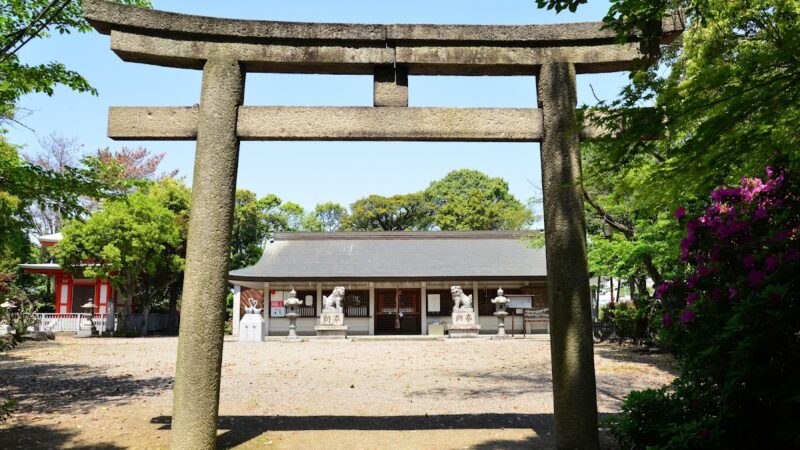
A stone torii gate stands at the entrance to the shrine, welcoming visitors. Despite being located in a residential area, passing through the torii gate evokes a sense of sacredness, marking the boundary between everyday life and a sacred space.
Water Basin
As you proceed along the approach to the shrine, you will find a water basin where you can purify your mind and body before praying. The water basin is an important part of shrine worship; by purifying your hands and mouth, you cleanse yourself before approaching the altar.
Worship Hall and Main Shrine
The worship hall, though simple, is meticulously maintained, reflecting the deep faith of the local people. Behind the worship hall sits the main shrine, where the enshrined deity, Wakayamatohiko-no-Mikoto, is worshipped.
The architectural style of the main shrine follows the general form of shrine architecture, and despite being a post-war reconstruction, it retains the traditional appearance of a shrine.
Guardian Dogs
Guardian dogs (komainu) are placed within the shrine grounds, protecting the sacred area. As guardian beasts of the shrine, komainu play a role in protecting the sacred area from evil.
Memorial Monument
Within the shrine grounds stands a monument commemorating those who died in the war, conveying the history of the region and the memories of its people. This memorial monument demonstrates that the shrine has served not only as a place of worship but also as a center of the local community.
Relationship between Wakayamatohiko Shrine and Wakayamatohime Shrine
Within Kashiwara City, there are two paired shrines listed in the Engishiki (ancient Japanese legal code): Wakayamatohiko Shrine and Wakayamatohime Shrine.
Worship of a Married Couple
Wakayamatohiko Shrine (Hirano area) and Wakayamatohime Shrine (Yamanoi town) enshrine Wakayamatohiko-no-Mikoto and Wakayamatohime-no-Mikoto, respectively, and have been worshipped as a pair of shrines since ancient times. This form of enshrining a male and female pair of deities in separate locations is a characteristic pattern of ancient clan worship.
Significance of Visiting Both Shrines
Among those who visit shrines or collect Goshuin (shrine stamps), many choose to visit both shrines that enshrine a married couple of deities. Wakayamatohiko Shrine and Wakayamatohime Shrine are about a 10-minute drive apart, making it perfectly possible to visit both on the same day.
Visiting both shrines is said to further enhance the blessings for marital harmony and family safety, making it especially recommended for couples.
Access Information
Access by Train
Nearest Station: Kintetsu Osaka Line “Hozenji Station”
Distance from Station: Approximately 8 minutes on foot
From Hozenji Station to Wakayamatohiko Shrine, it’s about an 8-minute walk through a residential area. Exit the station and head southeast; the shrine is located within the residential area of Hirano 2-chome.
Access by Car
Main Road: Head south from National Route 25 (Osaka Central Ring Road)
Parking: There is no dedicated parking lot; please use nearby coin-operated parking lots.
If visiting by car, take National Route 25 towards Kashiwara city center and head towards the residential area of Hirano. Since there is no parking at the shrine itself, we recommend using nearby paid parking lots or public transportation.
Combining with Nearby Shrines
When visiting Wakayamatohiko Shrine, we recommend also visiting the following shrines:
- Wakayamatohime Shrine (Yamanoi-cho, Kashiwara City): Approximately 10 minutes by car; a shrine dedicated to a pair of divine couples.
- Takuhiko Takuhime Shrine (Ogata, Kashiwara City): Approximately 5 minutes by car; a shrine where Wakayamatohiko Shrine was formerly enshrined.
- Tamanooya Shrine (Tamate-cho, Kashiwara City): Approximately 10 minutes by car; a Shikinaisha (shrine listed in the Engishiki) of Kawachi Province.
Goshuin (Shrine Seal) Information
Regarding the Availability of Goshuin
Wakayamatohiko Shrine is an unmanned shrine with no resident priests. Therefore, it is not usually possible to receive a goshuin.
Although it has high historical value as a Shikinaisha, it is a small shrine, and currently, goshuin are not issued. Those planning a pilgrimage to collect Goshuin (temple/shrine stamps) are advised to understand the following points beforehand.
For those planning a Goshuin pilgrimage
The following shrines in Kashiwara City offer Goshuin:
- Takuhiko Takuhime Shrine: A major shrine in Kashiwara City where you can receive a Goshuin.
- Tamaoya Shrine: A Shikinaisha (shrine listed in the Engishiki) where Goshuin are given.
Visiting these shrines in combination will enrich your pilgrimage to Shikinaisha in Kashiwara City.
Manners and Etiquette for Visiting a Shrine
Basic Etiquette for Visiting a Shrine
When visiting Wakayamatohiko Shrine, please observe the following basic etiquette:
- Bow at the Torii Gate: Bow before passing through the torii gate to show respect for entering the sacred area.
- Water Purification Etiquette: Purify your hands at the water basin in the order of left hand, right hand, and mouth.
- Walking the Path: The center of the path is considered the path of the gods, so walk along the sides.
- Worship Etiquette: Worship using the two bows, two claps, one bow (two bows, two claps, one bow) method.
Manners at an Unmanned Shrine
Wakayamatohiko Shrine is an unmanned shrine, but it is a sacred place that is carefully preserved by the local community. Please observe the following points:
- Keep the shrine grounds clean and always take your trash with you.
- Pray quietly and without making loud noises.
- Take photographs with moderation.
- Be considerate of the living space of local residents.
- Place your offerings carefully in the offering box.
Annual Events of Wakayamatohiko Shrine
Wakayamatohiko Shrine is a small, unmanned shrine, so there are no large-scale festivals or annual events. However, as the local guardian deity, it is quietly maintained by the local people.
Annual Festival
Although the exact date is unknown, it is believed that an annual festival is held by the local people. The annual festival is the most important festival for the shrine, where the enshrined deity is worshipped and prayers are offered for the peace of the region.
History of Kashiwara City and the Wakayamatobe Clan
Center of Ancient Kawachi Province
In ancient times, Kashiwara City belonged to the Oagata District of Kawachi Province and flourished as a transportation hub connecting Yamato Province (Nara) and Kawachi Province. This area, where the Yamato River waterway and the Tatsuta Pass land route intersect, has held a strategically important position since ancient times.
The Role of the Wakayamatobe no Muraji
The Wakayamatobe no Muraji were an ancient powerful clan based in this region, and are believed to have played an important role in the Yamato court’s system of rule. The inclusion of “Yamato” in their clan name suggests a close relationship with the royal court.
The Wakayamatohiko Shrine and Wakayamatohime Shrine, founded by this clan to enshrine their ancestral deity, are valuable historical relics that convey the ancient clan’s form of worship.
Nearby Tourist Attractions
Here are some nearby attractions you can visit when you come to Wakayamatohiko Shrine.
Historical and Cultural Facilities
- Kashiwara City Historical Museum: A facility where you can learn about the history of Kashiwara City from ancient times to the modern era.
- Takaida Yokokana Tumulus Cluster: A group of horizontal burial mounds from the late Kofun period, a national historic site.
- Tamateyama Park: A park with a group of burial mounds, also known as a famous cherry blossom viewing spot.
Nature and Leisure
- Yamato River: Enjoy a stroll along the riverside promenade.
- Tamateyama: There is a hiking course where you can enjoy the view.
The Charm of Visiting Shikinaisha Shrines
Visiting Shikinaisha shrines, such as Wakayamatohiko Shrine, is a popular hobby among history buffs and shrine enthusiasts.
What are Shikinaisha Shrines?
Shikinaisha shrines are shrines listed in the Engishiki Jinmyocho, compiled in the mid-Heian period, and are prestigious shrines officially recognized by the imperial court at the time. There are approximately 2,800 Shikinaisha shrines throughout Japan, each with a history of over a thousand years.
Shikinaisha Shrines of Kawachi Province
Kawachi Province (present-day eastern Osaka Prefecture) has 113 Shikinaisha shrines, and Wakayamatohiko Shrine is one of them. Kawachi Province was close to the base of the ancient Yamato Kingdom and was home to many powerful local clans, resulting in a large number of Shikinaisha shrines.
Even within Kashiwara City alone, there are several Shikinaisha shrines, making it an ideal base for a Shikinaisha pilgrimage.
Best Season for Visiting
Wakayamatohiko Shrine is open year-round, but each season offers a different charm.
Spring (March-May)
During cherry blossom season, you can enjoy flower viewing at nearby Tamateyama Park while visiting the shrine. The shrine grounds are enveloped in a refreshing atmosphere during the season of fresh greenery.
Summer (June-August)
The greenery becomes lush, and you can enjoy the coolness of the quiet shrine grounds. However, precautions against the heat are necessary.
Autumn (September-November)
The weather is mild, making it the perfect season for visiting shrines. The surrounding nature is beautifully colored during the autumn foliage season.
Winter (December-February)
Enjoy the New Year’s visit and the tranquil atmosphere of the shrine in winter. Be sure to dress warmly when visiting.
Summary
Wakayamatohiko Shrine, located in Kashiwara City, Osaka Prefecture, is a Shikinaisha (shrine listed in the Engishiki Jinmyocho) and a historically significant shrine dedicated to the ancestral deity of the ancient Wakayamatobe clan. Although a small shrine nestled quietly in a residential area, it boasts a history of over a thousand years and continues to attract the faith of the local community.
Together with its counterpart, Wakayamatohime Shrine, it is a valuable example of ancient clan worship, making it a worthwhile visit for history buffs and shrine enthusiasts.
Wakayamatohiko Shrine, located in Kashiwara City, Osaka Prefecture, is a shrine that preserves the form of ancient clan worship and is well worth a visit for history buffs and those who enjoy visiting shrines. Located just an 8-minute walk from Hōzenji Station on the Kintetsu Osaka Line, Wakayamatohiko Shrine boasts excellent accessibility. Visiting it in conjunction with other Shikinaisha shrines and historical sites in Kashiwara City will allow you to experience the history and culture of ancient Kawachi Province more deeply.
While you cannot obtain a Goshuin (shrine stamp), the shrine’s status as a Shikinaisha and its tranquil atmosphere will leave a lasting impression on visitors. Why not add Wakayamatohiko Shrine to your travels exploring lesser-known ancient shrines in Osaka Prefecture?