Miyakojima Shrine (Osaka Prefecture) Complete Guide | History, Cultural Properties, Goshuin (Shrine Seals), and Access Information
Miyakojima Shrine, located on Miyakojima-hondori in Miyakojima Ward, Osaka City, is a historical shrine founded in 1160 during the late Heian period. Established by imperial decree of Emperor Go-Shirakawa, it was formerly known as “Jūgosha Shrine” and has long been cherished by the people of Miyakojima as the guardian deity of the region.
This article comprehensively introduces information you should know before visiting Miyakojima Shrine, including its history, enshrined deities, highlights of the grounds, the stone three-tiered Hōkyōintō pagoda (a designated tangible cultural property of Osaka Prefecture), annual events such as the annual festival, goshuin information, and detailed access methods.
History of Miyakojima Shrine
Founded by Imperial Decree of Emperor Go-Shirakawa
The Miyakojima area, where Miyakojima Shrine is located, is situated on the left bank of the Ōkawa River, a tributary of the Yodo River, where it meanders through the river. During the late Heian period, this area was repeatedly struck by floods from the Yodo River, causing great suffering to the people.
In 1160, Emperor Go-Shirakawa visited the area and witnessed the devastation caused by the floods, feeling pity for the victims. The Emperor ordered the construction of a shrine to serve as the guardian deity of the area, which became the impetus for the founding of Miyakojima Shrine.
Construction through the cooperation of eight villages
Following Emperor Go-Shirakawa’s imperial command, the people of eight surrounding villages, including Kema, Kasugae, and Tomobuchi, cooperated to construct the shrine. Initially, it was called “Jūgosha Shrine” (Fifteen Shrines Shrine) because it enshrined Amaterasu Ōmikami as the principal deity, along with 15 other gods. This name reflects the history of multiple villages working together to enshrine a guardian deity.
Renaming to Miyakojima Shrine
Since the Meiji era, as the region developed, the shrine was also renovated, and its name was changed from “Jūgosha Shrine” to the current “Miyakojima Shrine.” This renaming made its role as the guardian shrine of the entire Miyakojima region clearer, and it continues to be the center of faith for the local residents to this day.
Deities and Divine Virtues
Main Deity
The main deity of Miyakojima Shrine is Amaterasu Ōmikami. She is the supreme deity in Japanese mythology and a sun goddess revered as the ancestral deity of the Imperial family. Amaterasu Ōmikami is believed to bestow divine virtues such as national peace and security, abundant harvests, and good fortune.
Deities Enshrined Together
As its name suggests, 15 deities, including Amaterasu Ōmikami, are enshrined here. These deities are believed to possess various divine virtues closely related to people’s lives, such as regional safety, abundant harvests, business prosperity, and family safety.
By enshrining multiple deities, the shrine has served as a comprehensive guardian deity capable of fulfilling all the wishes of the local residents.
Highlights of the Shrine Grounds
Worship Hall and Main Sanctuary
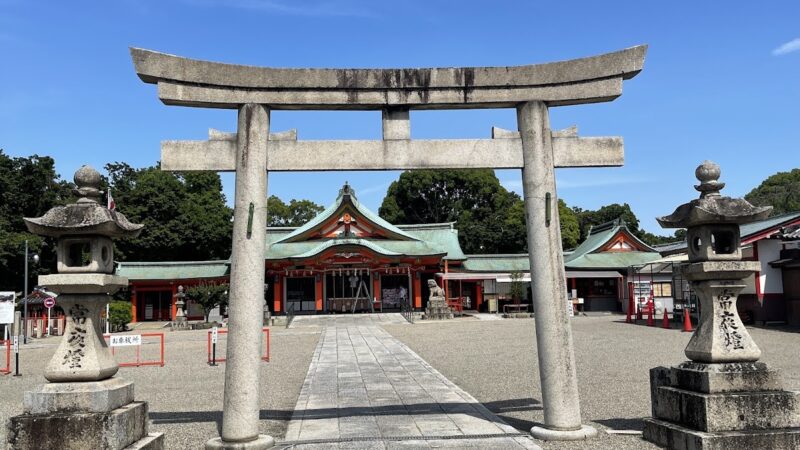
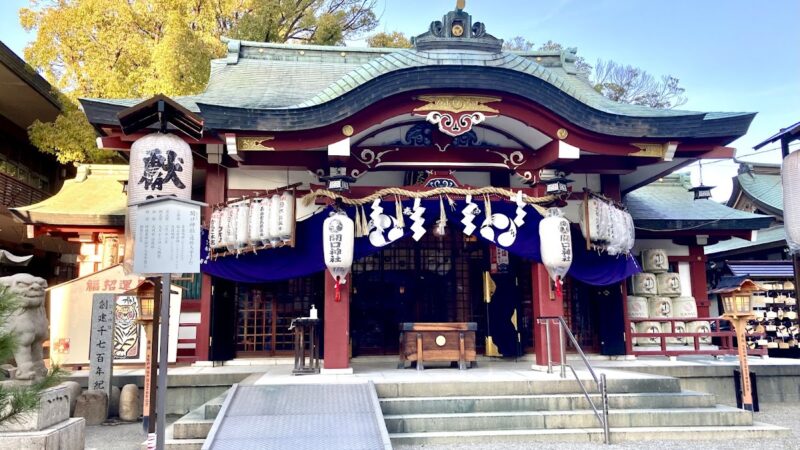
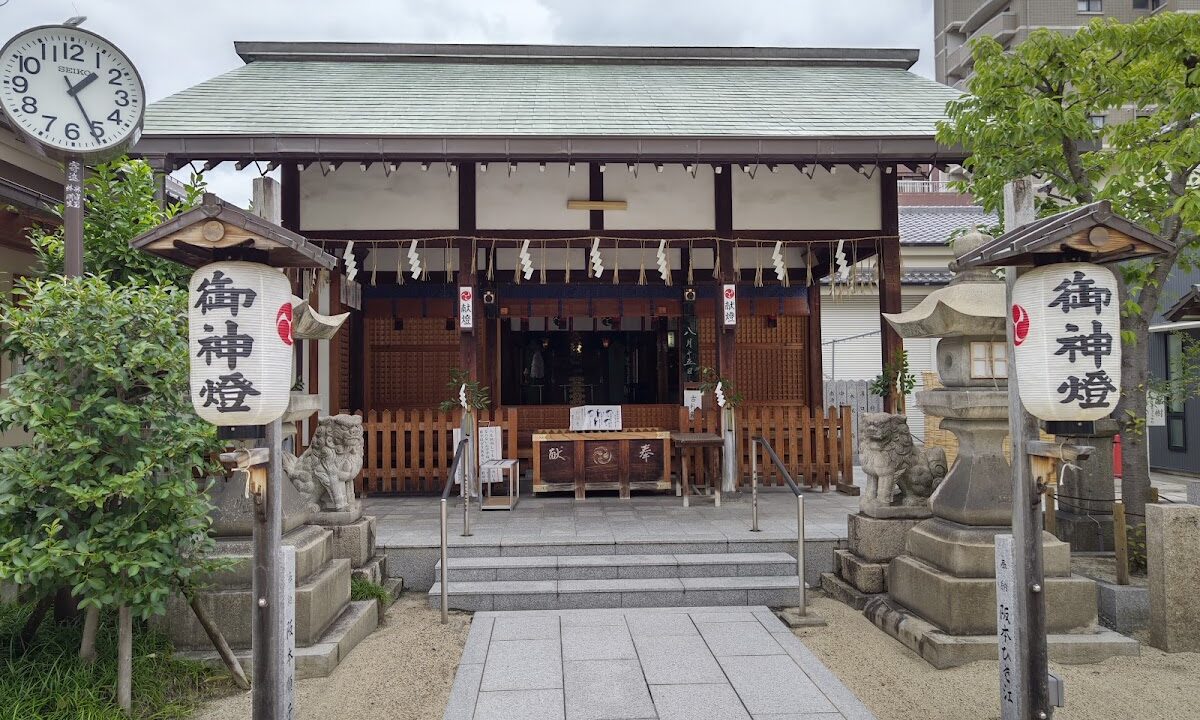
The worship hall of Miyakojima Shrine is located along Miyakojima Street, within walking distance of Miyakojima Station on the Osaka Metro Tanimachi Line. Despite being in the heart of the city, the shrine grounds maintain a tranquil atmosphere, warmly welcoming visitors.
The worship hall preserves the traditional style of shrine architecture while maintaining a clean and well-maintained appearance. The Shinto priests are known for their courteous greetings to visitors, creating a pleasant environment for worship.
Shrine Office
The shrine office is located right next to the worship hall, where goshuin (shrine stamps) and various amulets are available. The Shinto priests at the office are known for their kind and courteous service, ensuring that even first-time visitors can feel at ease.
Atmosphere of the Shrine Grounds
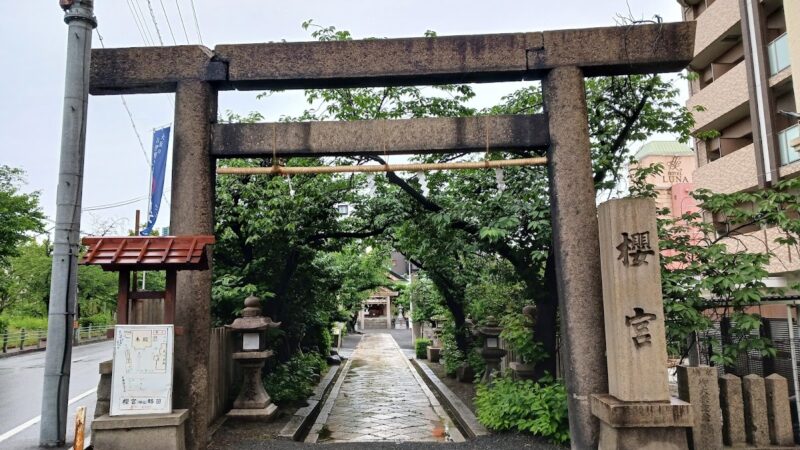
Despite its urban location, the grounds of Miyakojima Shrine offer a tranquil space surrounded by greenery. It is a beloved place for local residents to worship daily and to relax, offering a sense of history.
Osaka Prefecture Designated Tangible Cultural Property: “Stone Triple-Storied Pagoda”
One of the Oldest Stone Artifacts in Kansai
Within the grounds of Miyakojima Shrine lies a Stone Triple-Storied Pagoda. This pagoda bears an inscription from the second year of the Kagen era (1304), making it an extremely valuable cultural asset as the oldest stone artifact in Osaka City.
This stone pagoda, one of the oldest in the Kansai region, is an important relic that conveys the stone art of the late Kamakura period and is designated as a tangible cultural property of Osaka Prefecture.
What is a Hōkyōintō?
A Hōkyōintō is a type of Buddhist stupa originally built to enshrine the Hōkyōin Dharani Sutra. From the Kamakura period onward, it came to be widely used as a memorial tower or grave marker.
The Hōkyōintō at Miyakojima Shrine has a three-tiered structure, maintaining the typical form consisting of a base, body, roof, and finial. Even after more than 700 years, its exquisite craftsmanship, demonstrating the high level of stonemasonry at the time, can still be seen.
Historical Value
This Hōkyōintō is also valuable evidence of the spread of Buddhist culture in the Miyakojima area during the medieval period. During the era of syncretism of Shinto and Buddhism, it was not uncommon to find Buddhist stone structures within shrine grounds.
The clear date of 1304 (Kagen 2) is also of significant historical value. As an indispensable cultural asset for understanding the history of Osaka during this period, it attracts many history enthusiasts and researchers.
Annual Festival and Events
Annual Festival (July 22nd)
The most important annual event at Miyakojima Shrine is the Annual Festival, held every year on July 22nd. This festival is known as a grand event involving the entire community.
On the day of the festival, the powerful sound of children’s drums resonates as danjiri (floats) and lion dances parade through the town. The drums, mainly performed by local children, play an important role in the continuation of tradition.
Danjiri and Lion Dance
The danjiri floats that appear at the annual festival symbolize Osaka’s festival culture. The sight of the danjiri parading through the town conveys a sense of community unity and the strength of tradition.
The lion dance is also an important element of the annual festival. The lion dance is believed to ward off evil spirits and bring about a bountiful harvest and good health. It is thought that parading through the town brings good fortune to the entire community.
Other Annual Events
Besides the annual festival, Miyakojima Shrine holds various Shinto rituals throughout the year. Events such as New Year’s visits, Setsubun festivals, and Shichi-Go-San (a traditional Japanese rite of passage for children) are popular among local residents, coinciding with life milestones and seasonal changes.
Goshuin (Shrine Seal) Information
Issuance of Goshuin
Miyakojima Shrine offers goshuin (shrine seals) to visitors. Goshuin are available at the shrine office, where the priests provide courteous service.
The goshuin features the calligraphy of “Miyakojima Shrine” and the shrine’s seal. Many visitors receive goshuin as a memento of their visit and as a way to preserve their connection with the shrine.
Etiquette for Receiving a Goshuin (Shrine Stamp)
When receiving a Goshuin, it is customary to first complete your prayers before visiting the shrine office. Bring your Goshuincho (stamp book) and politely request it from the shrine staff.
The offering fee (amount to pay) for a Goshuin is generally around 300 to 500 yen, but please follow the shrine’s instructions. It’s important to understand that a Goshuin is not merely a stamp rally, but a symbol of a spiritual connection with the shrine.
Access and Transportation Information
Location
Address: 1-5-5 Miyakojima-Hondori, Miyakojima-ku, Osaka City, Osaka Prefecture
Phone: 06-6921-5496
Access by Train
Miyakojima Shrine is easily accessible by public transportation.
It is located very close to the station, approximately a 3-minute walk from Miyakojima Station on the Osaka Metro Tanimachi Line. Exit from Exit 1 of Miyakojima Station and walk a short distance along Miyakojima Street to reach the shrine.
Alternatively, it is accessible from Keihan Main Line “Sakuranomiya Station” in about 10 minutes on foot. You can enjoy a stroll along the Okawa River while visiting the shrine.
Access by Bus
If using Osaka City Bus, the nearest bus stop is “Miyakojima Hondori”. It is about a 1-minute walk from the bus stop.
Access by Car and Parking
If visiting by car, it is about 10 minutes from the Hanshin Expressway Route 12 Moriguchi Line “Minamimorimachi Exit” or “Ogimachi Exit”.
However, since the shrine’s dedicated parking is limited, it is recommended to use nearby coin parking. Especially during events such as festivals, congestion is expected, so using public transportation is convenient.
Nearby Attractions
Okawa River (Former Yodo River)
The Okawa River, which flows near Miyakojima Shrine, was once the main stream of the Yodo River and is deeply connected to the history of the shrine’s founding. Currently known as a famous cherry blossom viewing spot, you can enjoy beautiful rows of cherry trees in spring.
Sakuranomiya Park
Sakuranomiya Park, stretching along the Okawa River, is within walking distance of Miyakojima Shrine. During cherry blossom season, it is bustling with many visitors, and serves as a place of relaxation for people enjoying walks and jogging.
Historical Walks in Miyakojima Ward
Besides Miyakojima Shrine, Miyakojima Ward has many other historical sites. It is recommended to enjoy a historical walk in the area in conjunction with visiting the shrine.
Points and Manners for Worship
Basic Etiquette for Worship
The basic etiquette for worshipping at a shrine is “two bows, two claps, one bow.” Follow these steps when worshipping in front of the main hall.
- Bow slightly before the offering box.
- Gently place your offering in the box.
- Ring the bell if there is one.
- Bow deeply twice.
- Clap your hands twice.
- Pray with your hands clasped together.
- Bow deeply once more.
Ritual of Purification
Before visiting the shrine, purify your body and mind at the purification fountain.
- Hold the ladle in your right hand and purify your left hand.
- Switch the ladle to your left hand and purify your right hand.
- Switch the ladle back to your right hand, receive water in your left hand, and rinse your mouth.
- Purify your left hand once more.
- Hold the ladle upright, purify the handle, and return it to its original position.
Clothing and Belongings
While no special attire is required for visiting a shrine, clean and understated clothing is desirable. Even in summer, avoid excessive exposure and dress respectfully to the gods.
The Charm of Miyakojima Shrine
Experiencing the Romance of History
The greatest charm of Miyakojima Shrine lies in its long history, dating back to the Heian period, and the romance that accompanies it. Its origins, including its construction by imperial decree of Emperor Go-Shirakawa, its stone artifacts dating back over 700 years, and the traditions preserved by the local people, deeply move visitors.
A Tranquil Space in the City
Despite being located in the heart of Osaka city, the shrine grounds maintain a quiet and peaceful atmosphere. It’s a precious space where one can escape the hustle and bustle of everyday life and offer a calm and peaceful prayer.
A Shrine Rooted in the Community
Miyakojima Shrine is deeply rooted in the lives of the local residents. During annual events, including the festival, one can witness the community working together to preserve tradition. The warm hospitality of the shrine priests is also one of its charms.
Cultural Value
The stone three-tiered Hōkyōintō pagoda, a designated tangible cultural property of Osaka Prefecture, is a highly valuable historical site for history enthusiasts and researchers. The opportunity to see one of the oldest stone artifacts in the Kansai region up close is invaluable, allowing you to truly appreciate its historical value.
Summary
Miyakojima Shrine is a venerable shrine with over 850 years of history, founded in 1160 (Eiryaku 1) during the late Heian period by imperial decree of Emperor Go-Shirakawa. Formerly known as “Jūgosha Shrine,” it enshrines 15 deities, with Amaterasu Ōmikami as the principal deity, and has been revered as the guardian deity of the Miyakojima area.
Within the shrine grounds is a stone three-tiered Hōkyōintō pagoda (dated 1304), a designated tangible cultural property of Osaka Prefecture, possessing high historical value as one of the oldest stone artifacts in the Kansai region. Every year on July 22nd, the annual festival features children’s drumming, floats, and lion dances, preserving the region’s traditions.
Conveniently located just a 3-minute walk from Miyakojima Station on the Osaka Metro Tanimachi Line, Miyakojima Shrine is a tranquil pilgrimage spot in the heart of the city, beloved by local residents and many other worshippers alike. The shrine also offers Goshuin (stamped seals), and the courteous priests warmly welcome visitors.
Miyakojima Shrine offers a peaceful retreat from the hustle and bustle of the city, allowing visitors to feel the romance of history. When you visit Osaka, why not pay a visit?