Todoromi Shrine (Minoh City, Osaka Prefecture) Complete Guide: History, Deities, Subsidiary Shrines, and Access Information
Located in the Todoromi district, surrounded by abundant nature in the northern part of Minoh City, Osaka Prefecture, Todoromi Shrine is a historical shrine founded during the Genroku era. This article comprehensively explains everything you need to know before visiting, from the shrine’s detailed history, enshrined deities, subsidiary shrines, annual events, to access methods.
Overview of Todoromi Shrine
Todoromi Shrine is located at 909 Kamitodoromi, Minoh City, Osaka Prefecture. Its former shrine rank was Village Shrine. Its corporate number is 2120905003389, assigned on October 5, 2015. It remains a deeply revered local guardian shrine by the residents of the Todoromi district.
The shrine is located in the northernmost part of Minoh City, surrounded by mountains in a quiet environment. Away from the hustle and bustle of the city, visitors can worship in a peaceful atmosphere.
Deities Enshrined
The following three deities are enshrined at Todoromi Shrine:
Susanoo-no-Mikoto
The principal deity, Susanoo-no-Mikoto, is a god from Japanese mythology, known for slaying Yamata-no-Orochi (a mythical eight-headed serpent). He is widely worshipped as a god of protection against evil, disease, and agriculture, and is known for his courageous and daring character, as well as being a god of waka poetry.
Inada-hime-no-Mikoto
Inada-hime-no-Mikoto, the wife of Susanoo-no-Mikoto, is also enshrined here. She is a princess who was saved by Susanoo-no-Mikoto from being sacrificed to Yamata-no-Orochi, and is believed to bestow blessings of marital harmony, matchmaking, and family safety.
Hachioji-no-kami
Hachioji-no-kami, the children of Susanoo-no-Mikoto and Inada-hime-no-Mikoto, are also enshrined here. Hachioji-no-kami is a collective term for eight princely deities, believed to bestow blessings of prosperity and family fortune.
History of Todoromi Shrine
From Founding to the Susanoo-no-Mikoto Shrine Era
Todoromi Shrine is believed to have been founded during the Genroku era (1688-1703). Initially, it was called “Susanoo-no-Mikoto Shrine.” Originally worshipped as “Gozu Tenno Shrine,” it attracted the faith of local residents who prayed for protection against disease and misfortune.
Gozu Tenno is a syncretic deity combining Buddhism and Shinto, and was identified with Susanoo-no-Mikoto. During the Edo period, the belief that worshipping plague gods could prevent disease was prevalent, and it appears that this belief was deeply rooted in the Todoromi area.
Shrine Ranking System and Consolidation in the Meiji Era
In 1872 (Meiji 5), Todoromi Shrine was ranked as a village shrine. This was part of the modern shrine ranking system implemented by the Meiji government, which classified local shrines into official shrines and various shrines (prefectural shrines, local shrines, village shrines, etc.).
In the Meiji era, the separation of Shinto and Buddhism prohibited the syncretism of Shinto and Buddhism, and the name Gozu Tenno could no longer be used. Therefore, many Gozu Tenno shrines were reorganized into shrines dedicated to Susanoo-no-Mikoto.
Consolidation of Three Shrines and Name Change
The most important event in the history of Todoromi Shrine was the consolidation in 1907 (Meiji 40). In that year, the following three shrines were consolidated:
- Original Susanoo-no-Mikoto Shrine (Predecessor of the current Todoromi Shrine)
- Tenman Shrine (An unranked shrine located in the Kamigao area; the enshrined deity is Sugawara no Michizane) – Merged on June 26, 1907
- Hie Shrine (A village shrine located in Okanoue, Shimotodoromi) – Merged on September 19, 1907
Following the merging of these three shrines, the shrine’s name was changed to the current “Todoromi Shrine.” This is thought to have been intended to clarify its character as the guardian shrine of the entire Todoromi area by incorporating the local name.
Designation as a Shrine Receiving Offerings of Sacred Food and Cloth
In December 1908, Todoromi Shrine was designated as a shrine receiving offerings of sacred food and cloth. This designation meant that the shrine received funding from the government for offerings (shinsen) and heihaku (heihaku), which was a prestigious designation at the time.
Modern and Contemporary Todoromi Shrine
Even as times changed from Showa to Heisei and Reiwa, Todoromi Shrine has continued to attract unwavering devotion as the local guardian deity. Although the population of the Todoromi area is declining, the shrine continues to play an important role as the center of the local community.
Shrines and Highlights within the Grounds
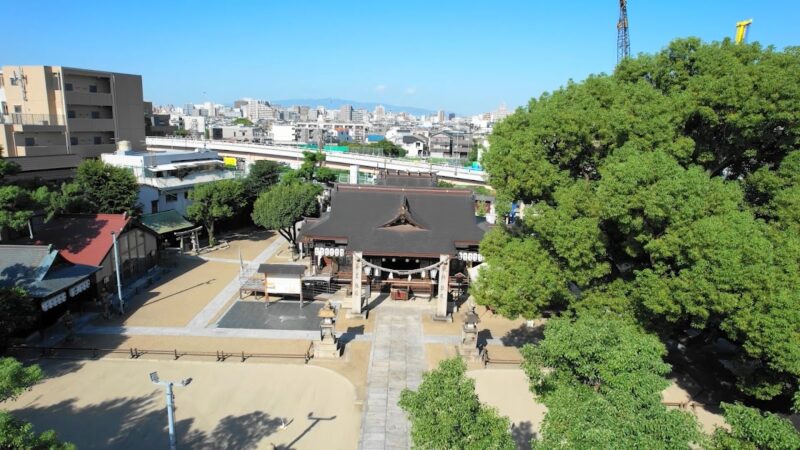
Within the grounds of Todoromi Shrine, there are several points of interest, centered around the main hall.
Main Hall and Worship Hall
The main hall is built in the traditional shrine architectural style, and worship can be conducted from the worship hall. Located in a mountainous area, the grounds are enveloped in a tranquil atmosphere, allowing worshippers to experience the changing seasons while praying.
Shrines within the Grounds
Besides the main hall, there may be small shrines and subsidiary shrines within the grounds. These are remnants of shrines that were merged, or shrines dedicated to deities worshipped in the region.
Shrine Office
The shrine has a shrine office where you can receive Goshuin (shrine stamps) and other items. However, staff may not always be present, so it is recommended to check in advance by phone (072-739-0871).
Annual Events and Festivals
Grand Festival
Todoromi Shrine holds its annual Grand Festival. During this festival, local parishioners gather, and sometimes a portable shrine procession or a parade of Danjiri (festival floats) takes place. The Todoromi area has two Danjiri, “Kami-Todoromi” and “Shimo-Todoromi,” and the sight of these entering the shrine grounds is an important traditional event in the region.
Other Festivals
Various Shinto rituals are held throughout the year, including the New Year’s Day Festival, the Setsubun Festival, and the Summer Purification Ceremony. These events serve as opportunities to deepen the bonds of the local community.
Access Information
Location
Address: 909 Kamitodoromi, Minoh City, Osaka Prefecture
Phone Number: 072-739-0871
Access by Public Transportation
Using Hankyu Bus
The nearest bus stop is “Nakadoromi,” operated by Hankyu Bus.
- Take a Hankyu Bus from Hankyu Minoh Station or Senri-Chuo Station
- Get off at the “Nakadoromi” bus stop and walk for approximately 2 minutes.
Since the number of buses is limited, it is recommended to check the Hankyu Bus timetable in advance. Buses may be less frequent, especially on weekends and holidays.
Access by Car
From Osaka City
- Take National Route 171 and then Prefectural Route 4 (Ibaraki-Nose Line) north.
- Or take Shin-Midosuji (National Route 423) north towards Minoo.
- From Minoo city center, take Prefectural Route 4 north towards Todoromi.
Parking
There may be parking spaces on the shrine grounds or nearby, but please contact the shrine in advance for details.
Nearby Tourist Attractions
The Todoromi area is rich in nature and has the following tourist attractions:
- Minoh Great Waterfall: A famous waterfall selected as one of Japan’s Top 100 Waterfalls
- Minoh Park: Famous for its autumn foliage
- Katsuoji Temple: An ancient temple known as a temple of good fortune
- Todoromi Fureai Plaza: A community exchange facility
About the Todoromi Area
Characteristics of the Area
The place name Todoromi is said to originate from the word “todoroku” (to roar), and there is a theory that the name comes from the roaring sound of the river in the past. It is located in the northernmost part of Minoh City, in a mountainous area bordering Nose Town and Ibaraki City to the north.
Historical Background
The Todoromi area has long been a settlement centered on agriculture and forestry, where people have lived off the blessings of the mountains. Even today, terraced rice fields and rural landscapes remain, preserving the traditional rural scenery despite being close to an urban area.
Modern Todoromi
In recent years, the Todoromi area has experienced population decline and aging, but community development is underway that leverages its rich natural environment. Furthermore, its relatively close proximity to Osaka city makes it a popular weekend destination for those seeking nature.
Etiquette and Manners for Worship
Basic Worship Etiquette
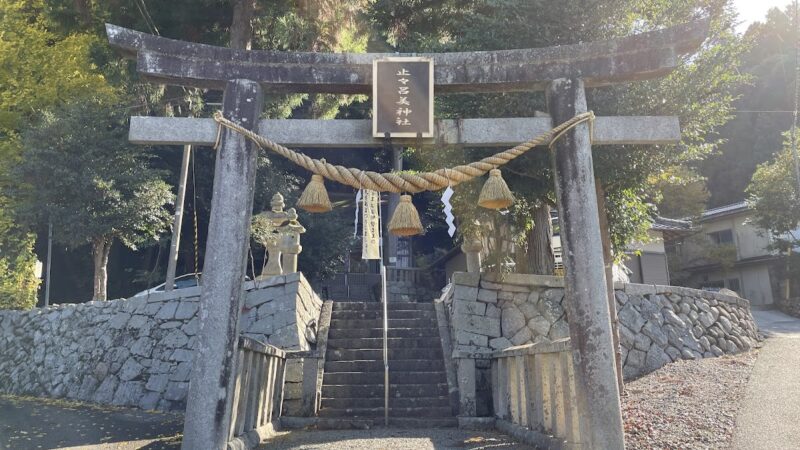
- Bow before passing through the torii gate.
- Purify yourself at the water basin: Purify your left hand, then your right hand, then your mouth, and finally the handle of the ladle.
- Walk along the edge of the path: The center is considered the path of the gods.
- Etiquette in front of the main hall: Two bows, two claps, and one bow are the basic rituals.
Photography
Photography is generally permitted on the shrine grounds, but please refrain from taking pictures inside the main hall or in sacred areas. Also, please be considerate of other worshippers.
Attire
While special formal attire is not required, shrines are sacred places, so please avoid revealing clothing and wear clean attire when visiting.
About Goshuin (Shrine Seals)
Goshuin (shrine seals) are available at Todoromi Shrine. However, availability is not always guaranteed, so it is recommended to call ahead to confirm. Please bring your goshuincho (seal book) and make your request politely.
The offering fee (for the goshuin) is generally around 300 to 500 yen, but this may vary depending on the shrine.
Divine Virtues of Todoromi Shrine
The enshrined deities, Hayasusano-no-Mikoto, Inada-hime-no-Mikoto, and Hachioji-no-Kami, are believed to bestow the following divine virtues:
- Protection from Evil and Disaster: Due to the valiant divine power of Susanoo-no-Mikoto
- Extermination of Plague: Due to his characteristics as Gozu Tenno
- Marital Harmony and Matchmaking: Due to the divine couple Susanoo-no-Mikoto and Inadahime-no-Mikoto
- Family Safety: As a god who protects families
- Abundant Harvest: Due to his characteristics as a god of agriculture
- Prosperity of Descendants: Due to the divine virtues of Hachioji-no-Kami
Connection with the Community
Todoromi Shrine is not merely a religious facility, but plays an important role as the center of the local community.
Parishioner Organization
The residents of the Todoromi district support the shrine as parishioners, cooperating in the operation of festivals and the maintenance of the shrine grounds. Even amidst depopulation, the shrine plays an important role in maintaining community bonds.
Danjiri Culture
The two danjiri floats of Kami-Todoromi and Shimo-Todoromi are a source of local pride and serve as a platform for passing on traditions to younger generations. The danjiri procession is a major local event, providing an opportunity for those who have moved away to return home.
Hub for Local Events
Besides the annual festival, the shrine serves as a hub for various local events and functions as a place for residents to interact.
Nearby Shrines and Temples
When visiting Todoromi Shrine, we recommend also visiting other shrines and temples in Minoo City.
Minoo-san Takiyasu-ji Temple
This temple, which enshrines the oldest Benzaiten in Japan, is located along the approach to Minoo Falls.
Katsuoji Temple
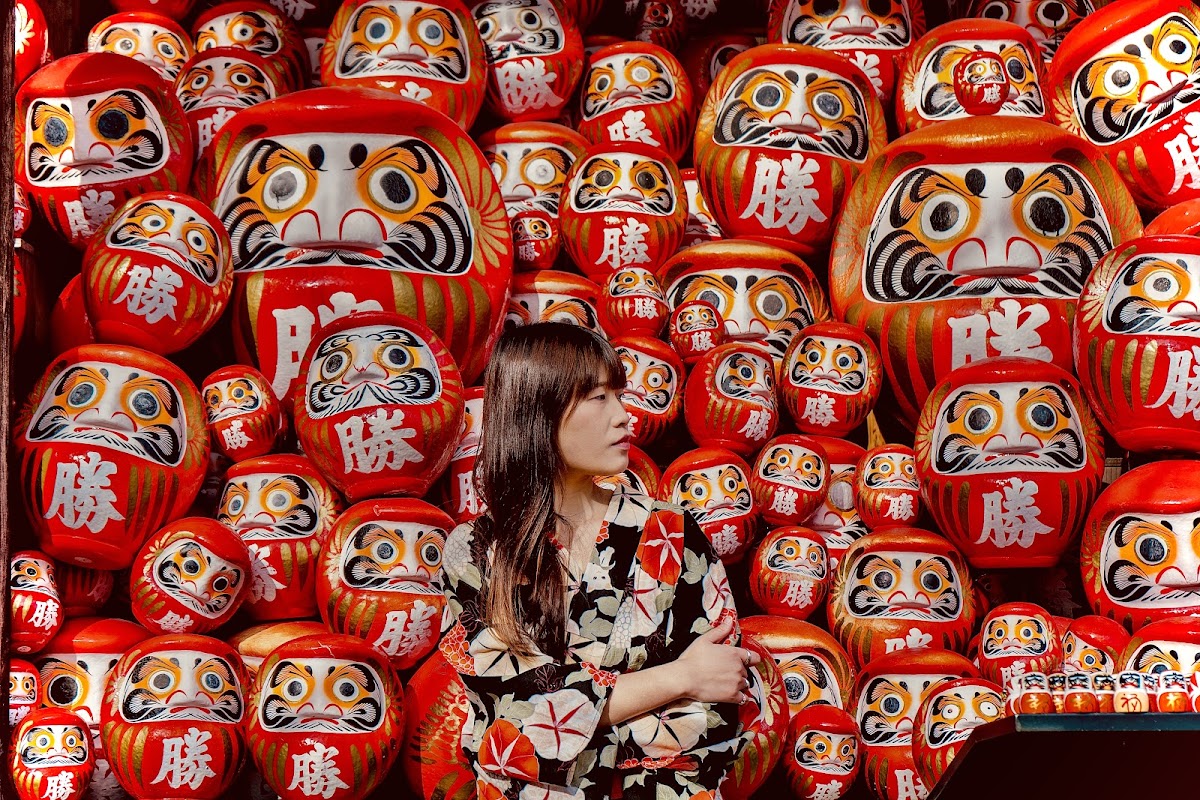
Known as the “Temple of Good Fortune,” countless daruma dolls are dedicated on its grounds.
Seikoji Temple
A Jodo sect temple located in Minoo City, it boasts a beautiful garden.
Points to Note When Visiting
Seasonal Precautions
- Spring/Autumn: These are pleasant seasons, ideal for visiting the shrine.
- Summer: As it is located in a mountainous area, insect repellent is recommended.
- Winter: Snow and icy roads are possible, so weather checks are necessary.
Checking Transportation Access
Since bus services are limited, be sure to check the return bus schedule. Buses are especially infrequent in the evenings.
Inquiries
For details regarding visiting hours, festival dates, etc., please contact the shrine directly.
Phone: 072-739-0871
Summary
Todoromi Shrine is a historical shrine founded during the Genroku era and took its current form after a merger during the Meiji period. It enshrines Susanoo-no-Mikoto, Inada-hime-no-Mikoto, and Hachioji-no-Kami, and is believed to offer divine blessings for protection against misfortune, marital harmony, and family safety.
Located in a tranquil setting surrounded by abundant nature in the northern part of Minoh City, Osaka Prefecture, this shrine continues to be deeply revered as the local guardian deity. Escape the hustle and bustle of the city and enjoy a peaceful visit; be sure to stop by when you’re in Minoh.
The annual festival, featuring the procession of floats from Kami-Todoromi and Shimo-Todoromi, offers a precious opportunity to experience the region’s traditional culture. While access is somewhat inconvenient, those who visit will be rewarded with a serene atmosphere and a deep connection to the local community.
By visiting Todoromi Shrine, you can discover the charm of the Todoromi district, often called the “inner sanctuary” of Osaka, and have a valuable experience of encountering traditional Japanese faith and local culture.