Izudono-gu Shrine (Suita City, Osaka Prefecture) Complete Guide | An Ancient Shrine with a History of Sacred Springs and the Origin of Asahi Beer, Offering Protection from Evil and Bringing Good Fortune
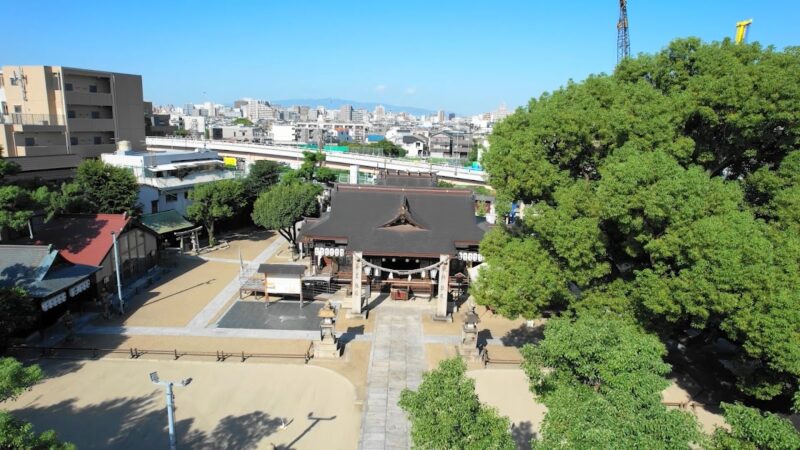
Located in the heart of Suita City, Osaka Prefecture, just a 2-minute walk from Hankyu Suita Station, Izudono-gu Shrine is a venerable shrine with a history dating back to the Heian period. The “Izudono Sacred Spring” that springs forth from the shrine grounds is known as a source of pure water that once saved people suffering from drought and was a decisive factor in the founding of Asahi Beer during the Meiji era. This article comprehensively introduces all the information visitors want to know about Izudono-gu Shrine, from its history, blessings, highlights, goshuin (shrine stamps), and access information.
History and Origins of Izudono-gu Shrine
Founding and Ancient Beliefs
While the exact founding date of Izudono-gu Shrine is not clearly recorded, it has been a shrine dedicated to Ukanomitama-no-Okami as its principal deity, attracting the faith of the people of this region since ancient times. Ukanomitama-no-Okami is known as the god of grain and food, and is believed to bring blessings of abundant harvests and business prosperity.
Located in Nishinoshō-chō, Suita City, this area has long been blessed with water and was an important place of worship for those engaged in agriculture. The name of the shrine, “Izumidono,” is thought to originate from the spring that gushes forth in this area.
The Drought and the Emergence of the Sacred Spring in 869 AD
The most important event in the history of Izumidono Shrine occurred in 869 AD. That year, the area was struck by a prolonged drought, and the people suffered from a severe water shortage. At that time, the portable shrine of Takehayasusanoo-no-Okami, who was about to be welcomed to Heian-kyō as the guardian deity of the imperial capital, was staying at this shrine.
The impoverished villagers, desperate for any relief, prayed to Takehaya Susanoo-no-Okami for rain. It is said that a pure spring gushed forth from the shrine grounds, allowing the people to escape their misfortune. Due to this miraculous event, Takehaya Susanoo-no-Okami was enshrined at Izumidono Shrine, and since then, he has been revered as a god of protection against misfortune and for bringing good fortune.
This legend indicates that Izumidono Shrine is not merely a local guardian shrine, but a historically significant shrine with deep ties to Heian-kyo (Kyoto). Takehaya Susanoo-no-Okami was also syncretized with Gozu Tenno and widely worshipped as a god of protection against disease and misfortune.
History from the Meiji Era Onward
With the arrival of the Meiji era, a new chapter was added to the history of Izumidono Shrine. In 1889 (Meiji 22), when the Osaka Beer Company, the predecessor of Asahi Breweries, Ltd., was founded, it was discovered that the water quality of Izumidono Sacred Spring was extremely suitable for beer brewing. This pure spring water played a significant role in the birth of one of Japan’s leading beer manufacturers.
At the time, high-quality water was essential for beer brewing, and the soft, pure water of Izumidono Reizen provided ideal conditions for beer production. A beer factory was built right next to the shrine, and Izumidono Shrine became known as the “birthplace of Asahi Beer.”
In 1970, the Japan World Exposition (Osaka Expo) was held with the theme of “Progress and Harmony for Mankind.” The chief priest of Izumidono Shrine presided over the ground-breaking ceremony and pillar-raising ceremony for the construction of the expo site. The original pillars used in the ceremony still stand on the shrine grounds today, commemorating the history of the prayers for the success of the Expo.
Deities and Benefits
Main Deities
Izumidono Shrine enshrines the following three deities:
Ukanomitama-no-Okami
This is the principal deity enshrined at our shrine since ancient times. Known as Inari-sama, this is the god of grain and food. It is believed to bring blessings of abundant harvests, business prosperity, and industrial development.
Takehayasusano-Okami
This deity was enshrined in 869 (Jōgan 11). It is known for its blessings of protection against misfortune, eradication of disease, and good fortune. Famous in Japanese mythology as the hero who slayed the Yamata no Orochi (eight-headed serpent), it is believed to possess powerful divine power to ward off calamities.
Sugawara no Michizane
Sugawara no Michizane, widely revered as the god of learning, is also enshrined here. It is believed to bring blessings for academic success and passing exams.
Main Blessings
The main blessings that can be obtained by visiting Izumidono-gu are as follows:
- Protection from Misfortune and Bringing Good Fortune: Through the divine power of Takehaya Susanoo-no-Okami, all calamities are dispelled and good fortune is brought about.
- Business Prosperity: Development and prosperity of business through the protection of Ukanomitama-no-Okami.
- Abundant Harvest: Prosperity of agriculture and food-related industries.
- Academic Achievement: Improvement of studies and passing of examinations through the protection of Sugawara no Michizane.
- Extermination of Epidemics: Healing from illness through Takehaya Susanoo-no-Okami, who also possesses the characteristics of Gozu Tenno.
- Family Safety: Health and peaceful living for the family.
The benefits of protection from misfortune and bringing good fortune are particularly strongly believed in by the local people, given the historical background of the miraculous gushing forth of Izumidono Reizen (Sacred Spring).
Izumidono Reizen – The famous water that supported the origins of Asahi Beer
History and Characteristics of the Sacred Spring
Izumidono Reizen is the most distinctive feature of Izumidono Shrine and the pure spring water that gives the shrine its name. This spring, said to have sprung forth from within the temple grounds during a drought in 869 AD, has continued to flow without drying up for over 1000 years.
Located to the left of the main hall, the sacred spring is still freely accessible to visitors. Its water is soft and exceptionally pure, and has been used by local people as drinking water and for daily life since ancient times.
Connection to the Founding of Asahi Beer
In 1889, when Osaka Beer Company (now Asahi Breweries, Ltd.) was founded, a survey of various locations in search of water suitable for beer brewing revealed that the water quality of Izumidono Sacred Spring was ideal.
Beer brewing requires water with low hardness and low levels of impurities such as iron and manganese. Izumidono Sacred Spring perfectly met these conditions, and also possessed the characteristic of having a stable water temperature throughout the year.
To utilize this pristine water, a factory was built right next to Izumidono Shrine, and a leading Japanese beer brand was born. Although the Asahi Beer factory has now relocated, Izumidono Shrine remains a significant location in the company’s history as the “birthplace of Asahi Beer.”
The Current Sacred Spring
The Izumidono Sacred Spring, still remaining on the shrine grounds, is preserved as an important legacy that tells the story of the shrine’s history. Visitors can view the spring and, by touching this pure water with a history of over 1000 years, experience the history of the shrine and the surrounding region.
Highlights of the Shrine Grounds
Main Hall and Worship Hall
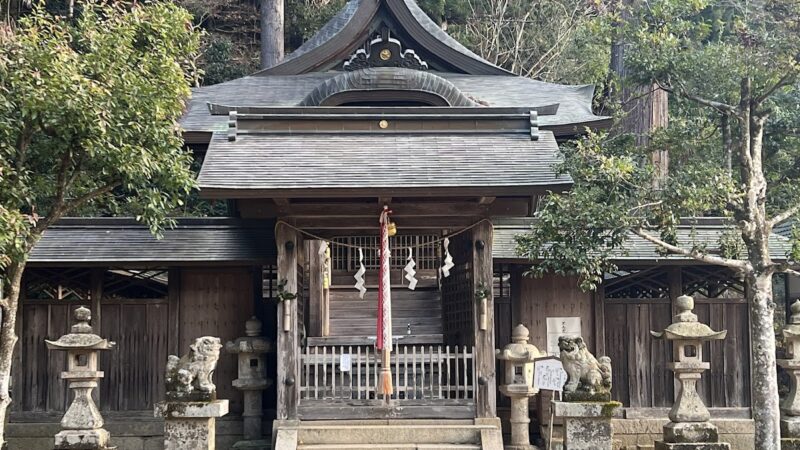
The main hall of Izumidono Shrine is built in the traditional shrine architectural style, creating a solemn atmosphere. In the worship hall, visitors can offer prayers to the enshrined deity. Despite its urban location, the shrine grounds exude a tranquil atmosphere, providing a peaceful space for worship.
Original Pillar Commemorating the Osaka World Expo
The original pillar used in the ground-breaking ceremony and pillar-raising ceremony for the 1970 Japan World Exposition is enshrined on the shrine grounds. This pillar is a valuable historical artifact that conveys the history of the ceremony, which was presided over by the chief priest of Izumidono Shrine at the time. The Osaka World Expo was a major event symbolizing Japan’s rapid economic growth, and this pillar, which commemorates its success, is carefully preserved as a historical heritage of the region.
Izumidono Shrine Kagura Lion Dance
At Izumidono Shrine, the traditional Kagura Lion Dance is still performed. A festival float is stored in a warehouse on the shrine grounds, and a sign detailing its history is placed next to it. This is a valuable resource for learning about the region’s festival culture.
Exhibition of Historical Roof Tiles
The shrine displays actual roof tiles and photographs that were once used on the roof. These exhibits are valuable resources for learning about the history of shrine architecture and the restoration process.
Main Festivals of Izumidono Shrine
Izumidono Shrine holds various festivals throughout the year.
Annual Grand Festival
The annual grand festival, held every autumn, is the most important festival at Izumidono Shrine. Local people gather for a procession of portable shrines and the performance of sacred dances, filling the shrine grounds with many worshippers.
New Year’s Visit
Many worshippers visit the shrine in the new year to pray for safety and good fortune throughout the year. Known as a shrine for warding off evil and bringing good fortune, Izumidono Shrine also attracts many people entering their unlucky years.
Other Festivals
Monthly and seasonal festivals are also held regularly, functioning as a center of local faith.
Goshuin (Shrine Seal) Information
Issuance of Goshuin
Izumidono Shrine offers goshuin as a memento of your visit. Goshuin are popular among many worshippers as valuable souvenirs that reflect the history and traditions of the shrine.
Shrine Office Hours
The shrine office is open from 9:00 AM to 6:00 PM. Those wishing to receive a Goshuin (shrine stamp) are advised to visit the office during these hours. However, hours may change during festivals and events, so it is recommended to check in advance.
Goshuincho (Shrine Stamp Book)
Original Goshuincho books from Izumidono Shrine may also be available. Please inquire at the shrine office for details.
History of the Chief Priest – The Role of the Miyawaki Family
The chief priest of Izumidono Shrine has traditionally been a member of the Miyawaki family. The Miyawaki family has a long history as local Shinto priests, performing shrine rituals and playing a vital role in the preservation of local faith and culture.
In particular, during the 1970 Osaka World Expo, the then chief priest served as the officiant for the ground-breaking ceremony and pillar-raising ceremony for the construction of the venue, playing a crucial role as a representative Shinto priest of the region. Even today, they continue to serve as a bridge between the local people and the shrine, dedicating themselves to daily rituals and assisting worshippers.
About the Shrines It Serves Concurrently
Izumidono Shrine serves several other shrines in the surrounding area. This is a system where one priest manages multiple shrines to maintain the rituals of smaller shrines. For details about the shrines it serves concurrently, please inquire at the shrine office.
Cultural Value
Izumidono Shrine possesses significant cultural value as an important cultural property that conveys the history and culture of Suita City.
Historical Value
With a history dating back to the Heian period and a clear historical record of the sacred spring’s discovery in 869 AD (Jōgan 11), it occupies an important position in local history research.
Industrial Historical Value
Its history as the birthplace of Asahi Beer is a noteworthy point in the history of modern Japanese industry. The fact that Izumidono Sacred Spring contributed to the birth of a leading Japanese company demonstrates that the shrine was not merely a place of worship but also contributed to the industrial development of the region.
Folk Cultural Heritage
The festival culture of Izumidono-gu Shrine, including the Kagura Lion Dance and Danjiri floats, is valued as an intangible folk cultural heritage of Suita City and is an important element in forming the region’s identity.
Transportation Access
Access by Train
Hankyu Railway
- Approximately 2 minutes on foot from Suita Station on the Hankyu Senri Line
- Very close to the station, extremely convenient access.
JR West Japan
- Approximately 10 minutes on foot from Suita Station on the JR Kyoto Line
- Head south from the station and go through the shopping street.
Access by Car
Approximately 10 minutes from the Suita Interchange on the Meishin Expressway. However, the area around the shrine is a residential area with narrow roads, so we recommend using public transportation.
Parking
The shrine has its own parking lot, but the number of spaces is limited. Congestion is expected during New Year’s visits and festivals, so please use public transportation whenever possible.
Sightseeing in the Surrounding Area
Suita City, where Izudono-gu Shrine is located, is a major city in northern Osaka Prefecture. The surrounding area boasts numerous tourist attractions, including Expo Commemoration Park and Suita Stadium. You can enjoy a trip exploring the history and culture of Suita City in conjunction with your visit to Izudono-gu Shrine.
Detailed Information
Basic Information
Official Name: Izudono-gu Shrine
Address: 10-1 Nishinoshō-chō, Suita City, Osaka Prefecture 564-0071
Phone Number: Please inquire at the shrine office
Shrine Office Hours: 9:00 AM – 6:00 PM
Admission Fee: Free
Parking: Available (limited spaces)
Notes for Visitors
- The shrine grounds are a sacred place. Let’s worship in silence.
- Photography is permitted, but please be considerate of other worshippers.
- Please refrain from bringing pets and observe proper etiquette.
- Please take all your trash with you.
Proper Worship Etiquette
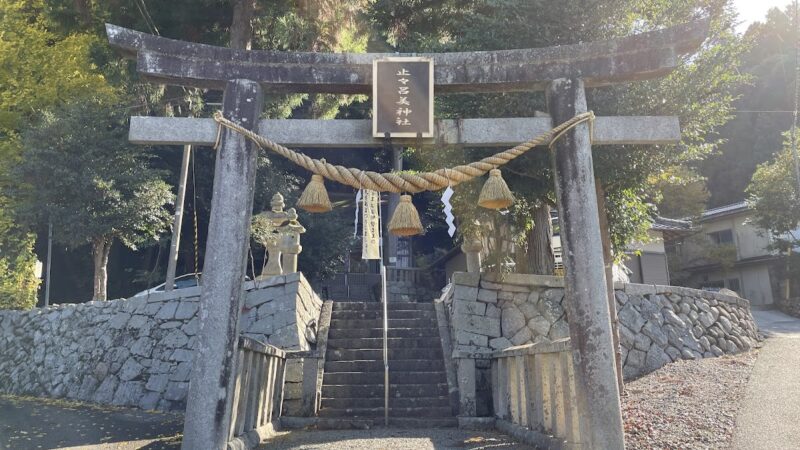
- Bow before passing through the torii gate.
- Cleanse your hands and mouth at the purification fountain.
- Place your offering in the offering box in front of the main hall and worship using the two bows, two claps, and one bow ritual.
- If you wish to receive a Goshuin (temple/shrine stamp), please go to the shrine office after your visit.
Inquiries
Inquiries regarding Izumidono Shrine are accepted at the shrine office. For questions regarding festivals, prayers, Goshuin, and other matters, please contact them directly during business hours (9:00 AM to 6:00 PM).
For detailed and up-to-date information, we recommend checking with the shrine before your visit.
Nearby Shrines and Temples – Minoo, Toyonaka, and Takatsuki Area
The area around Suita City, where Izumidono Shrine is located, is home to numerous historical shrines and temples.
Minoo Area
Katsuoji Temple: A historic Tendai sect temple known as a temple of good fortune and famous for its autumn foliage.
Saikoji Temple: A Shingon sect temple located in Minoo City, attracting local worshippers.
Toyonaka Area
Hattori Tenjin Shrine: Known as the god of feet, it attracts many worshippers praying for strong legs.
Harada Shrine: A historic shrine located in Toyonaka City, revered as the guardian shrine of the region.
Takatsuki Area
Nomi Shrine: Located in the heart of Takatsuki City, it preserves the local culture and history.
Kamimiya Tenmangu Shrine: This shrine is dedicated to Sugawara no Michizane, the god of learning, and many students visit to pray for success in their exams.
By visiting these shrines and temples, you can experience the rich religious culture and history of the northern Osaka area.
Summary
Izumidono Shrine has a long history dating back to the Heian period. With its miraculous spring water, Izumidono Reizen, it has saved the local people and even contributed to the birth of a leading Japanese beer manufacturer. It is truly an “ancient shrine in Suita that protects its sacred spring and history.”
With its excellent accessibility (just a 2-minute walk from Hankyu Suita Station), diverse blessings such as protection from evil, good fortune, business prosperity, and academic success, and the unique feature of Izumidono Reizen, which has never dried up for over 1000 years, this shrine continues to be a center of faith for the local people.
With its history as the site of the groundbreaking ceremony for the Osaka World Expo and its industrial historical significance as the birthplace of Asahi Beer, Izumidono Shrine is more than just a shrine; it’s an important place embodying the history and culture of the region.
When you visit Suita City, be sure to pay your respects at Izumidono Shrine and feel the power of its sacred spring, which has a history of over 1,000 years, and the blessings of its enshrined deities. The tranquil atmosphere of the shrine grounds, despite its urban location, will provide a precious moment of healing for modern people as they find peace of mind during their visit.