Complete Guide to Kosenji Temple (Ebino City, Miyazaki Prefecture) | History, Benefits, Goshuin (Temple Seal), and Access Information
Kosenji Temple, located in Ebino City, Miyazaki Prefecture, is a historic temple belonging to the Koyasan Shingon sect. Situated in a naturally rich environment at the foot of Mount Kirishima, it is the 42nd temple of the Kyushu 88 Sacred Sites and 108 Temple Pilgrimage, and is beloved by many visitors and pilgrims. This article provides detailed information you should know before visiting Kosenji Temple, from its history to its principal image, benefits, and visiting information.
Basic Information about Kosenji Temple
Temple Overview
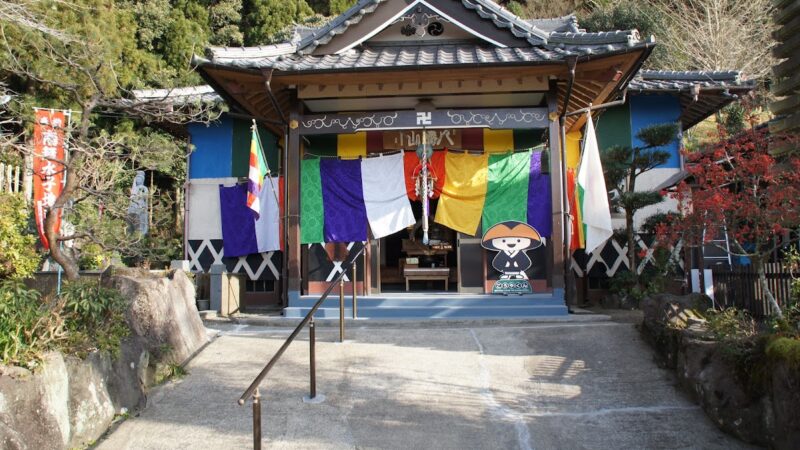
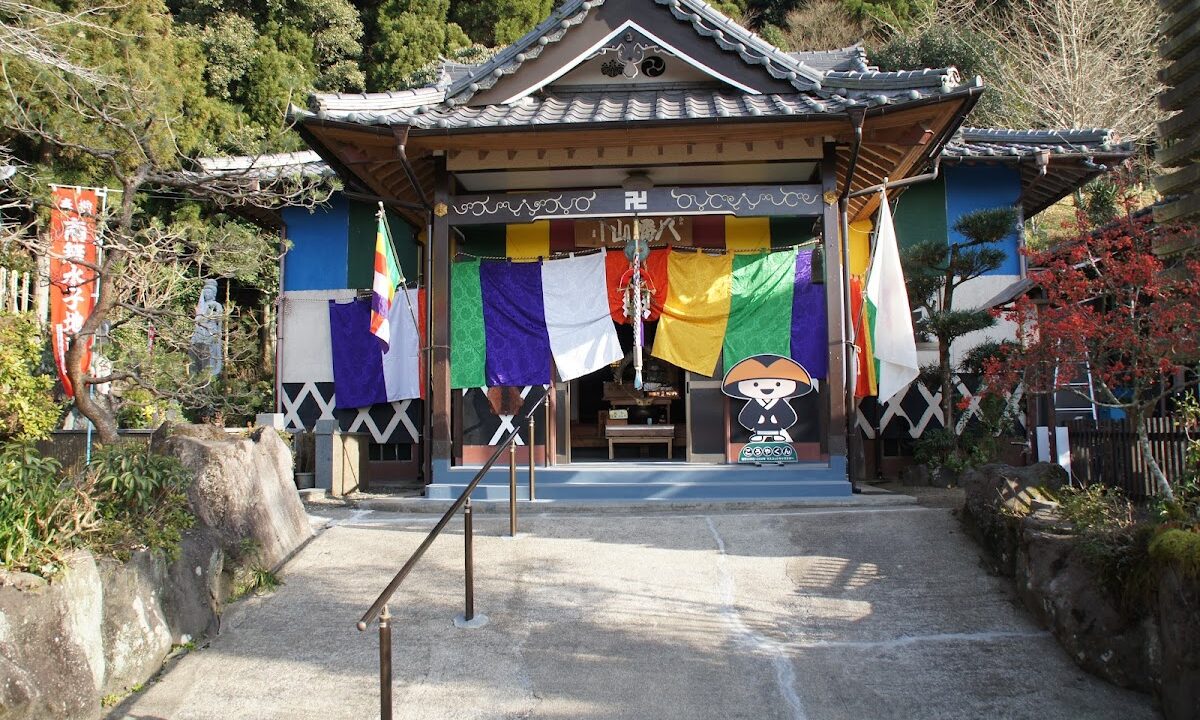
Kosenji Temple is a Koyasan Shingon sect temple located in Harada, Ebino City, Miyazaki Prefecture, and its official name is Hachimanzan Kosenji.
Basic Data
- Sect: Koyasan Shingon Buddhism
- Mountain Name: Hachimanzan
- Principal Image: Vajradhatu Dainichi Nyorai seated statue
- Pilgrimage Site: 42nd temple of the Kyushu Eighty-Eight Sacred Sites and One Hundred and Eight Temples Pilgrimage
- Address: 957-1 Harada, Ebino City, Miyazaki Prefecture 889-4301
- Goshuin (Temple Stamp) Reception Hours: 8:00 AM – 7:00 PM
- Telephone: Advance reservation required (for various prayers and consultations)
Location and Surrounding Environment
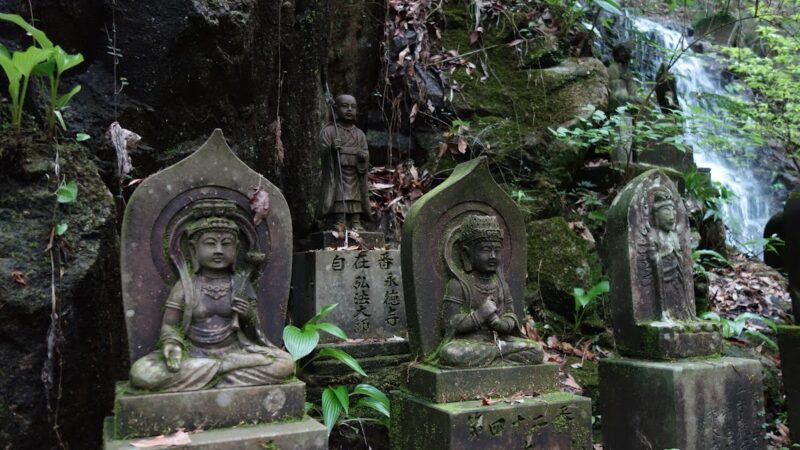
Ebino City is located in the southwestern part of Miyazaki Prefecture, a border town adjacent to Kagoshima and Kumamoto Prefectures. Kosenji Temple is built on Hachimanzan Mountain overlooking the foot of Mount Kirishima, and is a temple with a tranquil atmosphere surrounded by a rich natural environment. Located on a scenic route to Ebino Plateau and the Kirishima mountain range, this area attracts many tourists.
History and Origins of Kosenji Temple
Founding History
The history of Kosenji Temple dates back to the Taisho era. In 1923 (Taisho 12), it was founded as the Iino Mission Station by Abbot Genyu, coinciding with the opening ceremony by Abbot Kondo Hongen of Koyasan Ekoin Temple. Initially, it was built on the summit of Hachimanyama Mountain, offering a superb view of the Kirishima foothills.
Relocation and Development
Just three years after its founding, in 1926 (Taisho 15), Kosenji Temple relocated to its current location. This relocation created an environment more accessible to a larger number of worshippers, allowing it to develop as a center of local faith. Since then, for approximately 100 years, it has played an important role as a spiritual center for local residents and as a training ground for Shingon Esoteric Buddhism.
Connection to the Koyasan Shingon Sect
Kosenji Temple, as a temple belonging to the Koyasan Shingon sect, continues to transmit the teachings of Kukai (Kobo Daishi). The Koyasan Shingon sect is a denomination that inherits the teachings of Shingon Esoteric Buddhism, founded by Kobo Daishi, and has approximately 4,000 temples throughout Japan. Kosenji Temple is one of them, performing Esoteric Buddhist practices and rituals, and supporting the religious lives of its parishioners.
Principal Image and Faith
Vajradhatu Dainichi Nyorai Seated Statue
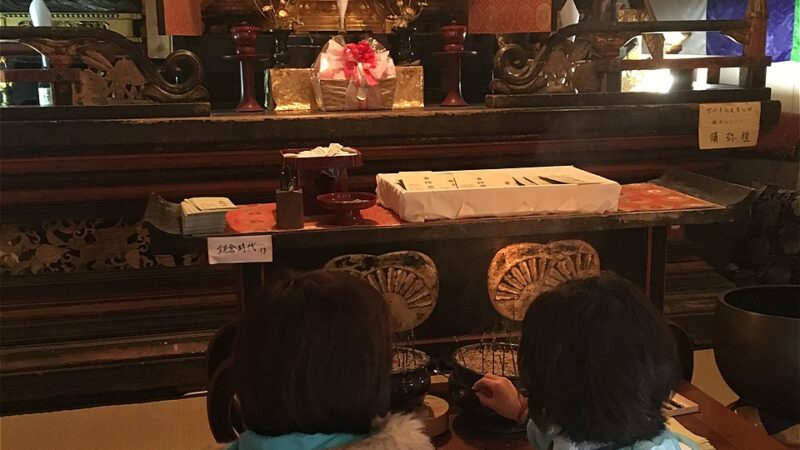
The principal image of Kosenji Temple is a seated statue of Vajradhatu Dainichi Nyorai. Dainichi Nyorai is the highest Buddha in Shingon Esoteric Buddhism and is considered to embody the very truth of the universe. Vajradhatu Dainichi Nyorai symbolizes the aspect of wisdom and forms a distinctive mudra called the Chiken-in (wisdom fist mudra).
Dainichi Nyorai means “the one who emits great light,” and is the source of all Buddhas, representing the universe itself. In Shingon Buddhism, it is believed that by chanting the mantra “Namu Daishi Henjo Kongo,” one can connect with the wisdom and compassion of Dainichi Nyorai.
Teachings of Shingon Esoteric Buddhism
At Kosenji Temple, various practices and rituals based on the teachings of Shingon Esoteric Buddhism are performed. Shingon Esoteric Buddhism teaches “instantaneous attainment of Buddhahood,” that is, the ability to become a Buddha in this very body. It is a practical form of Buddhism that aims to purify the three mysteries of body, speech, and mind (physical actions, words, and mind) and become one with the Buddha.
42nd Temple of the Kyushu Eighty-Eight Sacred Sites and 108 Pilgrimage Sites
Significance of Pilgrimage
Kosenji Temple is designated as the 42nd temple of the Kyushu Eighty-Eight Sacred Sites and 108 Pilgrimage Sites. This pilgrimage is a route in Kyushu modeled after the Shikoku 88 Temple Pilgrimage, a journey of spiritual practice to purify mind and body while following in the footsteps of Kobo Daishi.
The pilgrimage is not merely sightseeing, but is considered part of Buddhist practice to reflect on oneself, dispel worldly desires, and accumulate merit. Receiving a temple stamp (Goshuin) and offering a sutra at each temple serves as proof of the pilgrimage and deepens one’s connection to Buddhism.
Support for Pilgrims
Kosenji Temple offers temple stamps to pilgrims, with reception hours from 8:00 to 19:00. Those without a temple stamp book can purchase one at the temple. They also provide detailed guidance on pilgrimage-related matters and directions to the next temple.
Benefits and Prayers
Main Benefits
At Kosenji Temple, the following benefits are believed to be available through the merits of the principal deity, Dainichi Nyorai (Vairocana Buddha).
- Good Fortune and Prosperity: Opening the path to happiness in life
- Enhancement of Wisdom: Academic success, passing qualification exams
- Family Safety: Family health and peaceful living
- Business Prosperity: Business development and success
- Healing from Illness: Recovery of physical and mental health
- Protection from Misfortune: Protection from disasters and misfortunes
- Ancestral Memorial Service: Praying for the repose of the souls of the deceased
Various Prayers and Rituals
Kosenji Temple accepts various prayers and rituals. The main services are as follows:
Memorial Services and Rituals
- Memorial services for the deceased (annual memorial services, monthly memorial services, etc.)
- Ancestor memorial services
- Memorial services for stillborn babies
- Pet memorial services
Prayers and Sacred Blessings
- Prayer for family safety
- Prayer for business prosperity
- Prayer for protection from evil
- Prayer for recovery from illness
- Prayer for safe childbirth
- Prayer for passing exams
- Prayer for traffic safety
Other Rituals
- Groundbreaking ceremony
- House purification
- Car purification
Those wishing to have these prayers or sacred blessings performed must make a reservation by phone in advance. After discussing the date, time, and content, an appropriate ritual will be performed.
Training Experience and Learning
Shingon Meditation Method “Ajikan”
Kosenji Temple offers training sessions in “Ajikan,” a meditation method of Shingon Esoteric Buddhism. Ajikan is a meditation technique that aims to unify the mind and become one with Dainichi Nyorai (Vairocana Buddha) by contemplating the Sanskrit character “A”.
Ajikan is one of the important practices in Shingon Esoteric Buddhism and is said to have the following effects:
- Mental stability and improved concentration
- Stress reduction
- Deepening self-awareness
- Spiritual growth
Even beginners will receive careful instruction, so we recommend that those interested inquire in advance.
Sutra Copying Experience
Sutra copying is a practice of copying Buddhist scriptures, which has the effect of calming the mind and improving concentration. Kosenji Temple also offers sutra copying experiences, where you can carefully copy scriptures such as the Heart Sutra.
Sutra copying is said to have the following merits:
- Mental peace and stability
- Improved concentration
- Accumulation of merit
- Ancestor worship
- Fulfillment of wishes
Those wishing to participate in the sutra copying experience also need to make a reservation in advance. All necessary tools are provided by the temple, so you can participate empty-handed.
Counseling for Your Concerns
Kosenji Temple also offers counseling for various life concerns. The head priest will provide compassionate advice based on Buddhist teachings. Your consultation will be kept completely confidential, so you can talk with peace of mind.
Counseling is by appointment only, and you will have ample time to talk. Feel free to discuss any concerns, including relationships, work, health, and family issues.
Access Information
Access by Public Transportation
Using the JR Kitto Line
The nearest station to Kosenji Temple is Ebino-Iino Station on the JR Kitto Line.
- Approximately 15-20 minutes on foot from Ebino-Iino Station
- Approximately 5 minutes by taxi from Ebino-Iino Station
The JR Kitto Line is a local line connecting Miyakonojo Station in Miyazaki Prefecture and Yoshimatsu Station in Kumamoto Prefecture, passing through Ebino City. Since the number of trains is limited, it is recommended to check the timetable in advance.
Using the Bus
While a community bus circulates within Ebino City, its frequency is limited, making taxis a more convenient option.
Access by Car
Using the Expressway
- Approximately 10 minutes from the Kyushu Expressway “Ebino IC”
- Approximately 20 minutes from the Miyazaki Expressway “Takahara IC”
Using Local Roads
- Approximately 5 minutes from National Route 268 (Ebino city center)
- Accessible from National Route 221
Parking
Kosenji Temple has a parking lot for visitors. Regular passenger cars can park without issue. If you plan to visit by large bus, it is recommended to contact the temple in advance to confirm parking availability.
About the Goshuin (Temple Seal)
Issuance of the Goshuin
Kosenji Temple offers a Goshuin as the 42nd temple of the Kyushu Eighty-Eight Sacred Sites Pilgrimage.
Reception Hours: 8:00 AM – 7:00 PM
A Goshuin (temple stamp) is not merely a stamp or signature; it is proof of your visit and an important symbol of your connection with Buddha. Always complete your prayers before receiving your Goshuin.
Etiquette for Receiving a Goshuin
- Complete your prayers first: Since the Goshuin is proof of your visit, always pray at the main hall before receiving it.
- Prepare a Goshuincho (stamp book): If you do not have a Goshuincho, you may be able to purchase one at the temple.
- Prepare an offering: The offering for a Goshuin is generally around 300 yen. Having small change ready will make things smoother.
- Use polite language: Request politely, saying, “I would like a Goshuin, please.”
- Wait quietly while it is being written: Each Goshuin is written with care and devotion. Please wait quietly.
Manners and Etiquette for Visiting a Temple
Basic Manners for Visiting a Temple
There are certain manners to observe when visiting a temple. When visiting Kosenji Temple, please observe the following manners.
A Bow at the Temple Gate
Before passing through the temple gate, which is the entrance to the temple, bow before entering the grounds. This is a sign of respect for entering the realm of Buddha.
Purification at the Water Basin
If there is a water basin, purify yourself according to the following procedure.
- Hold the ladle in your right hand and purify your left hand.
- Switch the ladle to your left hand and purify your right hand.
- Switch the ladle back to your right hand, receive water in your left hand, and rinse your mouth.
- Purify your left hand once more.
- Hold the ladle upright, purify the handle, and return it to its original position.
Worship in the Main Hall
- Bow before the offering box.
- Gently place your offering in the box.
- Ring the bell if there is one.
- Join your hands in prayer and pray sincerely.
- Bow and leave.
Worship in Shingon Buddhism
Shingon Buddhist temples also have the following customs:
- How to join hands in prayer: Join both hands in front of your chest, tilting your fingertips slightly forward.
- Chanting the Mantra: Chant “Namu Daishi Henjo Kongo” three times.
- How to hold prayer beads: In Shingon Buddhism, they are held on the middle fingers of both hands.
Nearby Attractions
Ebino Plateau
Located about 30 minutes by car from Kosenji Temple, Ebino Plateau is part of Kirishima-Kinkowan National Park and is a plateau area at an altitude of 1,200m. Visitors can enjoy the beauty of nature throughout the seasons, and there are also many trekking courses.
Kirishima Shrine
Located on the Kagoshima Prefecture side, Kirishima Shrine is about 40 minutes by car from Kosenji Temple and is a historic shrine known as the site of the descent of the gods. Many people visit both Kosenji Temple and Kirishima Shrine.
Ebino City Historical and Folk Museum
This facility, where you can learn about the history and culture of Ebino City, is about 10 minutes by car from Kosenji Temple. It is recommended for those interested in local history.
Annual Events
Kosenji Temple holds various Buddhist events throughout the year. The main events include the following (please contact the temple for details).
- New Year’s Visit/New Year’s Ceremony (January): Praying for peace in the new year
- Setsubun Ceremony (February): Praying for protection from evil and good fortune
- Spring Equinox Ceremony (March): Ancestor memorial service
- Flower Festival (April): Celebrating the birth of Buddha
- Obon Festival (August): Welcoming the spirits of ancestors
- Autumn Equinox Ceremony (September): Ancestor memorial service
- New Year’s Eve Bell (December 31st): Dispelling the year’s worldly desires
The Charm of Kosenji Temple
A Tranquil Environment
The greatest charm of Kosenji Temple is its tranquil environment surrounded by nature at the foot of Mount Kirishima. Away from the hustle and bustle of the city, a space unfolds where you can quietly face yourself. Stepping onto the temple grounds, you can feel time slowing down and your mind becoming calmer.
The Tradition of Shingon Esoteric Buddhism
At Kosenji Temple, with its approximately 100-year history, the tradition of Shingon Esoteric Buddhism continues to be passed down. Through spiritual practices such as Ajikan meditation and sutra copying, one can rediscover the spirituality that modern people often forget.
A Faith Rooted in the Community
Kosenji Temple serves as a spiritual anchor for local residents, supporting their daily religious lives. Its sincere commitment to fulfilling the temple’s role, including various prayers, memorial services, and life counseling, has earned it the trust of many.
A Pilgrimage Site
As the 42nd temple of the Kyushu 88 Sacred Sites and 108 Temples Pilgrimage, it warmly welcomes pilgrims from all over Japan. Visiting Kosenji Temple during your pilgrimage will be more than just a stopover; it will be a valuable opportunity to gain spiritual nourishment.
Precautions When Visiting
Regarding Attire
When visiting the temple, please keep the following attire in mind.
- Avoid revealing clothing.
- Shoes are preferable to sandals.
- Remove hats on temple grounds.
- Dress neatly and cleanly.
Regarding Photography
Photography is generally permitted on temple grounds, but please note the following:
- Permission may be required to photograph inside the main hall.
- Be considerate of other visitors.
- Avoid using flash photography.
- Post on social media with moderation.
Other Points to Note
- Refrain from eating or drinking on temple grounds except in designated areas.
- Smoking is permitted only in designated areas (or may be completely prohibited).
- Check in advance whether pets are allowed.
- Do not speak loudly or make noise.
- Always take your trash with you.
About Ebino City
Regional Characteristics
Ebino City is a small city with a population of approximately 17,000, located at the southwestern tip of Miyazaki Prefecture, bordering Kagoshima and Kumamoto Prefectures. Blessed with the rich natural beauty of the Kirishima mountain range, the area boasts abundant tourist resources, including hot springs and highland resorts.
Origin of the Name
The most likely explanation for the name “Ebino” is that it originates from the wild orchid “Ebine” that grows naturally on Mount Karakuni in the Kirishima mountain range. Another theory suggests it comes from the fact that the land was the color of shrimp (reddish-brown) created by the eruption of Mount Kirishima.
Main Local Products
- Ebino Rice: High-quality rice grown with the pure water of the Kirishima mountain range.
- Kirishima Tea: Fragrant tea produced in the highland climate.
- Wagyu Beef: One of the production areas for Miyazaki beef.
- Hot Springs: Numerous hot spring facilities are located within the city.
Summary
Kosenji Temple, located in Ebino City, Miyazaki Prefecture, is a Shingon Buddhist temple of the Koyasan sect with a history of approximately 100 years since the Taisho era. It is the 42nd temple on the Kyushu 88 Sacred Sites and 108 Pilgrimage, and is beloved by many worshippers and pilgrims.
Kosenji Temple, with its mountain name Hachiman-san and a seated statue of Dainichi Nyorai of the Vajradhatu Mandala as its principal image, offers a wide range of services, including various prayers and rituals, as well as spiritual experiences such as Shingon meditation (“Ajikan”) and sutra copying, and even life counseling. It is a precious space where one can find peace of mind during a tranquil visit surrounded by the natural beauty of the Kirishima foothills.
Located approximately 15-20 minutes on foot from Ebino-Iino Station, and about 10 minutes by car from the Ebino Interchange on the Kyushu Expressway, Kosenji Temple boasts excellent accessibility. With long hours for receiving Goshuin (temple stamps) from 8:00 AM to 7:00 PM, it’s an easily accessible temple.
When visiting Kyushu, or sightseeing in the Kirishima area, why not stop by Kosenji Temple to experience the traditions of Shingon Esoteric Buddhism and enjoy a peaceful time? It will surely be a memorable and valuable experience.