Complete Guide to Imayama Daishiji Temple (Nobeoka City, Miyazaki Prefecture) | Japan’s Largest Kobo Daishi Statue, History, and Access Information
Imayama Daishiji Temple, standing overlooking the city of Nobeoka, Miyazaki Prefecture, is known for its 17-meter-tall statue of Kobo Daishi, the largest in Japan. Affectionately known locally as “Imayama Daishi,” it attracts many visitors to its annual spring festival. This article provides a detailed overview of Imayama Daishiji Temple, including its history, highlights, annual events, and helpful access information for visitors.
About Imayama Daishiji Temple
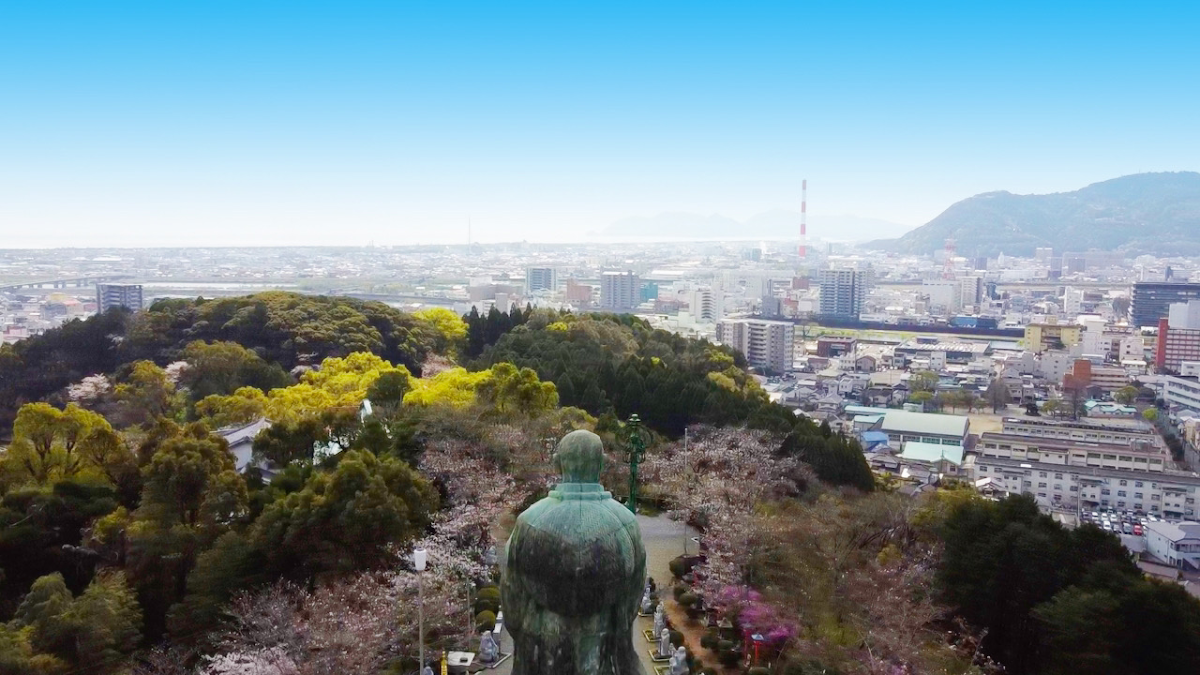
Imayama Daishiji Temple is located on the summit of Mt. Imayama in Yamashita-cho, Nobeoka City, Miyazaki Prefecture. Its mountain name is Horaisan, and its principal image is a wooden statue of Kobo Daishi, approximately 30 centimeters tall. Located approximately 10-15 minutes on foot from Nobeoka Station, close to the city center, yet situated on a small hill, the temple grounds offer breathtaking panoramic views of Nobeoka city and the Hyuga Sea.
Features of Imayama Daishiji Temple
The most distinctive feature of Imayama Daishiji Temple is its bronze standing statue of Kobo Daishi, erected in 1957. Including the pedestal, it stands 17 meters tall, making it the largest in Japan. This colossal statue is a symbol of Nobeoka city and can be seen from various locations throughout the city.
Locally known as “Imayama-san” or “O-Daishi-san,” it has been a place of deep devotion from the late Edo period to the present day, serving as a place of prayer for family safety, longevity, abundant harvests, and commercial prosperity.
History of Imayama Daishiji Temple
The founding of Imayama Daishiji Temple is deeply connected to an epidemic that struck Nobeoka.
Origin of the Temple (Tenpo 10, 1839)
In Tenpo 10 (1839), a plague raged in the castle town of Nobeoka, causing great suffering to many people. Concerned about this situation, the followers of Kobo Daishi in Nobeoka decided to travel to Kongobu-ji Temple on Mount Koya in Wakayama Prefecture to enshrine a seated statue of Kobo Daishi.
Kanjo means to transfer and enshrine a divided spirit of a deity or Buddha to another location. The followers brought the seated statue of Kobo Daishi back from Mount Koya and built Daishi-an (Daishi Hermitage) on Imayama. This is considered the beginning of Imayama Daishi-ji Temple. People prayed for “family safety,” “good health and longevity,” “abundant harvests,” and “business and industry development,” wishing for the end of the plague and the prosperity of the region.
Development during the Taisho Era
In Taisho 7 (1918), Daishi-do (Daishi Hall) was built, expanding Daishi-an. Around this time, faith in Imayama Daishi spread even further, and many worshippers began to visit not only from Nobeoka City but also from surrounding areas.
Construction of Japan’s Largest Kobo Daishi Statue (1957)
In 1957, the most important event in the history of Imayama Daishi-ji Temple occurred: the construction of the tallest standing statue of Kobo Daishi in Japan.
This bronze statue, standing 17 meters tall (including the pedestal), was crafted using the finest technology of the time. The statue, with its serene expression, watches over the city of Nobeoka and has been a spiritual anchor for the citizens of Nobeoka for over 60 years since its construction. With the construction of this statue, Imayama Daishi-ji Temple became known nationwide as one of Miyazaki Prefecture’s leading sacred sites.
Highlights of the Temple Grounds
The grounds of Imayama Daishi-ji Temple offer various attractions, including Japan’s largest Kobo Daishi statue.
Japan’s Largest Standing Statue of Kobo Daishi
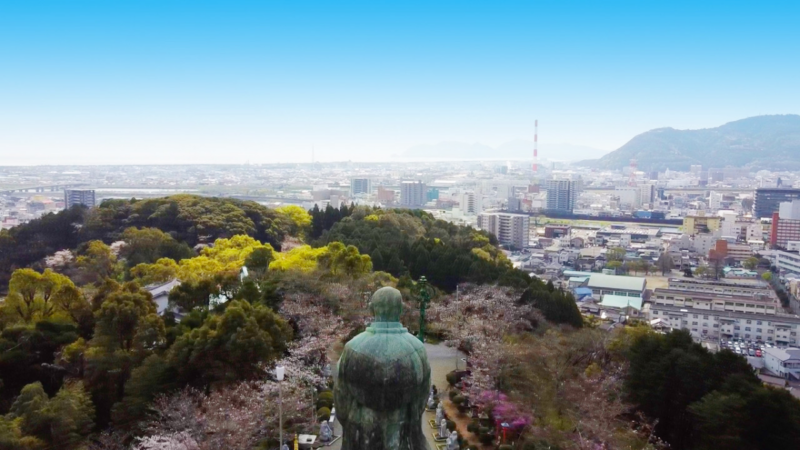
The greatest highlight of the temple grounds is undoubtedly the 17-meter-tall standing statue of Kobo Daishi. This bronze statue holds a staff and watches over the city of Nobeoka with a compassionate expression. On a clear day, the blue sky stretches out behind the statue, creating a truly majestic atmosphere.
Approaching the statue’s feet is awe-inspiring due to its immense size. Furthermore, visitors can walk around the statue, allowing for viewing from various angles. At dusk, the statue glows golden in the setting sun, creating a particularly beautiful sight.
Main Hall
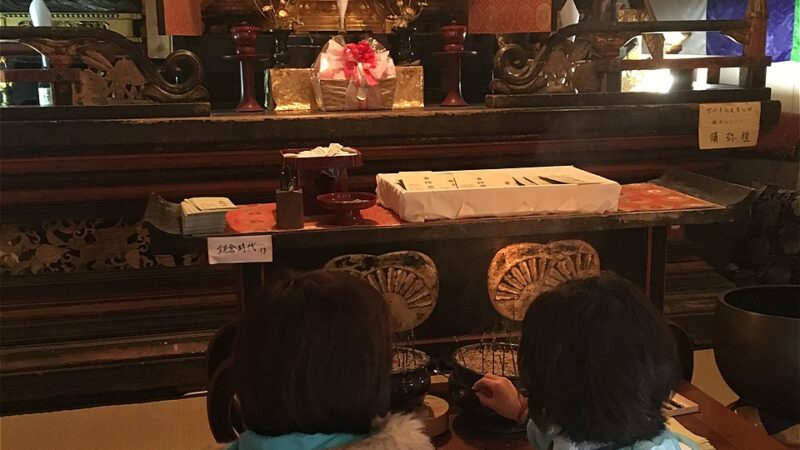
The main hall houses the principal image of Imayama Daishi-ji Temple: a wooden statue of Kobo Daishi, approximately 30 centimeters tall. This statue is believed to have been brought from Mount Koya in 1839 (Tenpo 10), and is a precious Buddhist statue that has watched over the history of Imayama Daishi-ji Temple for over 180 years.
Inside the main hall, worshippers can quietly join their hands in prayer and offer their wishes. The atmosphere of the main hall is solemn yet warm, creating a calming space.
Kikiwake-san (Stone Statue)
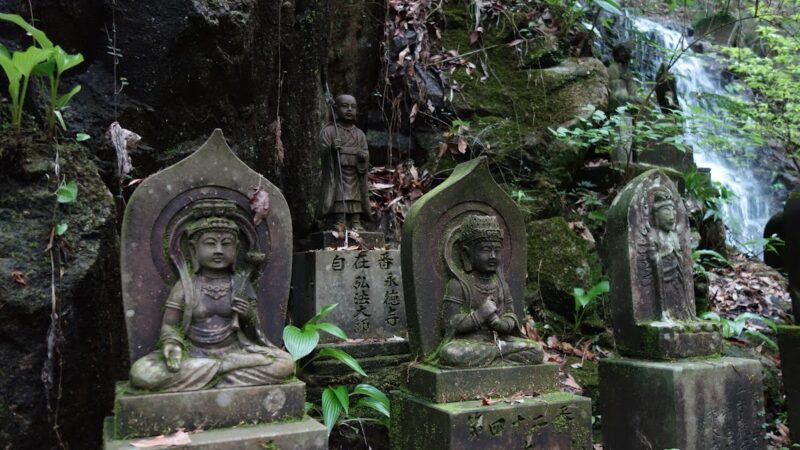
Upon climbing the stairs in front of the main hall, a stone statue called “Kikiwake-san” greets worshippers with a gentle expression. This statue is beloved by the locals, and it is common to see children stroking it, wishing for themselves to grow up to be obedient and well-behaved.
Kikiwake-san’s serene expression is said to soothe the fatigue of worshippers, and it is also a popular spot for commemorative photos.
View from the Temple Grounds
Imayama Daishiji Temple is located on the summit of Mt. Imayama, approximately 70 meters above sea level, so the temple grounds offer a panoramic view of Nobeoka city. The cityscape of Nobeoka spreads out below, and on clear days, you can even see the blue sea of the Hyuga Sea.
The view at sunset is particularly spectacular; the scenery created by the orange-hued sky and the city lights is known to photography enthusiasts as a hidden gem in Nobeoka.
Approach and Stone Steps
The approach to Imayama Daishiji Temple from Nobeoka Station is a somewhat steep path with a series of stone steps. However, climbing these steps one by one is considered a form of spiritual practice, and the sense of accomplishment upon reaching the top, along with the view from the temple grounds, is well worth the effort.
Trees grow on both sides of the stone steps, allowing visitors to enjoy the beautiful natural scenery, especially during the seasons of fresh greenery and autumn leaves. Those with mobility issues are advised to climb slowly, taking breaks as needed.
Annual Events and Festivals
Imayama Daishiji Temple holds various events and festivals throughout the year.
Imayama Daishi Festival (Nobeoka Daishi Festival)
The most important event at Imayama Daishi Temple is the “Imayama Daishi Festival” (Nobeoka Daishi Festival), held every spring. It is celebrated grandly over three days, including the third Sunday of April (currently Friday, Saturday, and Sunday), around the 21st day of the third month of the lunar calendar, which is the anniversary of the death of Kobo Daishi Kukai.
History and Significance of the Daishi Festival
The Daishi Festival is a festival to commemorate and express gratitude for the virtues of Kobo Daishi, and to pray for family safety, business prosperity, and good health. It is a traditional event that has continued since the temple’s founding in the late Edo period, and for the citizens of Nobeoka, it is a symbol of the arrival of spring.
Festival Scenes
During the Daishi Festival, numerous stalls line the grounds and approach to Imayama Daishi Temple, and a plant market and festival are held. The approach to the shrine is filled with worshippers, and it is said that tens of thousands of people visit over the three days.
Within the shrine grounds, religious ceremonies such as Goma-taki (fire rituals) are held, and the chanting of monks resonates throughout the area. Local performing arts groups also perform dedication dances, creating a unique atmosphere that blends religious ceremonies with local festivals.
Specialties and How to Enjoy
A famous feature of the Daishi Festival is the plant market. Plant vendors from all over Kyushu gather, selling garden trees, bonsai, flowers, and gardening supplies. It is a tradition in Nobeoka to purchase garden trees at this time of year, and many citizens visit in search of plants.
Furthermore, the festival stalls offer a variety of foods, from classic gourmet treats like takoyaki, yakisoba, and cotton candy to local specialties, adding to the festive atmosphere.
Other Annual Events
New Year’s Day Visit
During the New Year’s holiday, especially on New Year’s Day, many visitors come to Imayama Daishiji Temple for their first shrine visit of the year. The temple grounds are bustling with people praying for good health and safety for their families in the new year. Many also visit early in the morning on New Year’s Day to witness the first sunrise of the year, and from the temple grounds, one can see the sunrise rising over the city of Nobeoka.
Monthly Memorial Service
A monthly memorial service is held on the 21st of each month (the anniversary of Kobo Daishi’s death), and devout believers come to pay their respects. On this day, the main hall is opened more often than usual, allowing visitors to see the principal image of Buddha from closer up.
About Goshuin (Temple Seals)
Goshuin (temple seals) are available at Imayama Daishiji Temple. As a sacred site of Kobo Daishi worship, many visitors bring their goshuin notebooks with them.
Contents of the Goshuin (Temple Seal)
The Goshuin of Imayama Daishiji Temple features calligraphy of “Kobo Daishi” or “Imayama Daishi” and the temple’s seal. The simple yet powerful calligraphy makes it a cherished memento of your visit.
Where and When to Obtain the Goshuin
The Goshuin can be obtained at the temple office in the main hall. However, there are times when the office is unattended, so it is recommended to call ahead to confirm availability. Special Goshuin may be available during events such as the Daishi Festival.
Contact: 0982-32-5290
Access Information
Imayama Daishiji Temple is located near the center of Nobeoka City, making it relatively easy to access.
Address
2-3998 Yamashita-cho, Nobeoka City, Miyazaki Prefecture 882-0843
Access by Train
The nearest station is Nobeoka Station on the JR Nippo Main Line. It takes approximately 10-15 minutes to walk from Nobeoka Station to Imayama Daishiji Temple.
Walking Route from Nobeoka Station
- Exit the west exit of Nobeoka Station.
- Head west (towards the mountain) along the main street in front of the station.
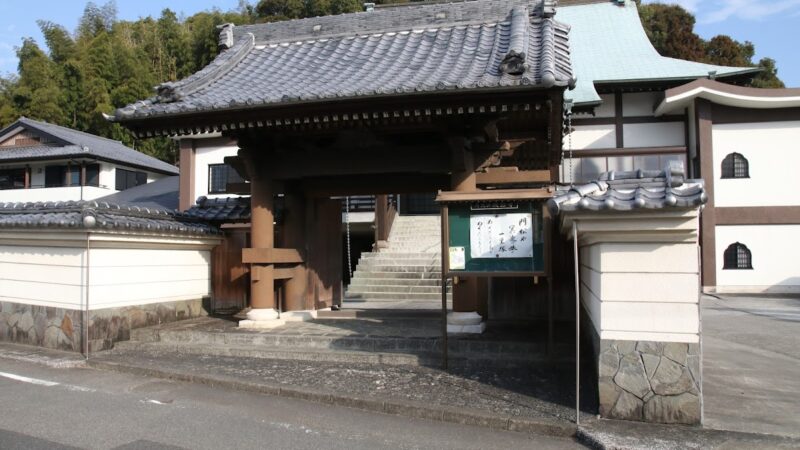
- Once you reach the foot of Mt. Imayama, look for the entrance to the temple grounds.
- Climb the stone steps of the temple grounds at the summit.
There are approximately 200 steps, and it takes about 10 minutes to climb. We recommend climbing slowly at your own pace.
Access by Car
If using the Expressway
- Approximately 15 minutes from the Nobeoka IC on the Higashi-Kyushu Expressway.
- After exiting the Nobeoka IC, proceed along National Route 10 towards Nobeoka city center.
- Once you enter the city center, follow the signs towards Imayama Daishiji Temple.
Parking
Imayama Daishiji Temple has a parking lot for visitors. While there is usually ample parking space, it becomes extremely crowded during events such as the Daishi Festival. Temporary parking may be available during the festival, but we recommend using public transportation or arriving early.
Important Notes
- You will need to climb stone steps to reach the temple grounds. We recommend wearing comfortable shoes.
- If you have difficulty walking, please climb slowly and take breaks as needed.
- The temple becomes very crowded during the Daishi Festival, so we recommend visiting with plenty of time to spare.
- The sun is strong in the summer, so it’s a good idea to bring a hat and drinks.
Nearby Tourist Attractions
When visiting Imayama Daishiji Temple, you can also visit other tourist attractions in Nobeoka City.
Nobeoka Castle Ruins (Agata Castle Ruins)
Located about a 15-minute walk from Nobeoka Station, the Nobeoka Castle Ruins are the site of the castle that served as the residence of the Nobeoka Domain during the Edo period. Currently, it is maintained as Shiroyama Park, and parts of the stone walls and moats remain. It is also known as a cherry blossom viewing spot in spring.
Atagoyama Observatory
Located north of Nobeoka city center, the Atagoyama Observatory offers panoramic views of Nobeoka city and the Hyuga Sea. It’s also a popular spot for night views.
Naito Memorial Museum
This museum exhibits materials related to the Naito family, who were the lords of the Nobeoka domain. You can learn about Nobeoka’s history and culture.
Mukabakiyama
Mukabakiyama, towering in the southwest of Nobeoka city, is known for Mukabaki Falls, selected as one of Japan’s Top 100 Waterfalls. It’s a great place for hiking and climbing.
Manners and Points for Visiting the Temple
Here are some manners and points to keep in mind when visiting Imayama Daishiji Temple.
Basic Etiquette for Visiting a Temple
- Bow before the torii gate or main gate: Bow before entering the approach to the temple to compose yourself.
- Purify yourself at the water basin: If there is a water basin, purify your hands and mouth.
- Worship quietly: Be quiet within the temple grounds and avoid disturbing other worshippers.
- Photography Etiquette: Refrain from taking photos in areas where photography is prohibited, such as inside the main hall.
- Offering a donation: Do not throw your donation; place it quietly.
Appropriate Attire for Visiting a Temple
- Comfortable shoes (sneakers, etc.) are essential as you will be climbing stone steps.
- Although it is hot in summer, please dress appropriately for visiting a temple.
- In winter, the wind is cold at the mountaintop, so please take proper precautions against the cold.
Estimated Time Required
- Worship only: 30 minutes to 1 hour
- Exploring the temple grounds at a leisurely pace: 1 hour to 1 hour 30 minutes
- During the Daishi Festival: Over 2 hours (due to congestion)
Summary of the Charms of Imayama Daishiji Temple
Imayama Daishiji Temple is a representative sacred site of Miyazaki Prefecture, boasting the tallest standing statue of Kobo Daishi in Japan, a history of over 180 years, a spectacular panoramic view of Nobeoka city, and a fusion of deeply rooted local faith and festivals.
Its convenient location within walking distance of Nobeoka Station makes it a must-visit spot when visiting Miyazaki Prefecture. Especially during the spring Daishi Festival, you can experience both the lively atmosphere of the festival and the traditional faith simultaneously.
The climb up the stone steps is a little challenging, but the majestic statue of Daishi and the beautiful view that awaits you at the top are well worth the visit. Please visit Imayama Daishiji Temple to experience Nobeoka’s history, culture, and the faith of its people.
Contact Information
Imayama Daishiji Temple
- Address: 2-3998 Yamashita-cho, Nobeoka City, Miyazaki Prefecture 882-0843
- Phone: 0982-32-5290
- Visiting Hours: Grounds are freely accessible (Please check the opening and closing times of the main hall)
- Admission Fee: Free
*We recommend calling in advance to confirm the schedule of events and memorial services, as well as the hours for receiving Goshuin (temple stamps).