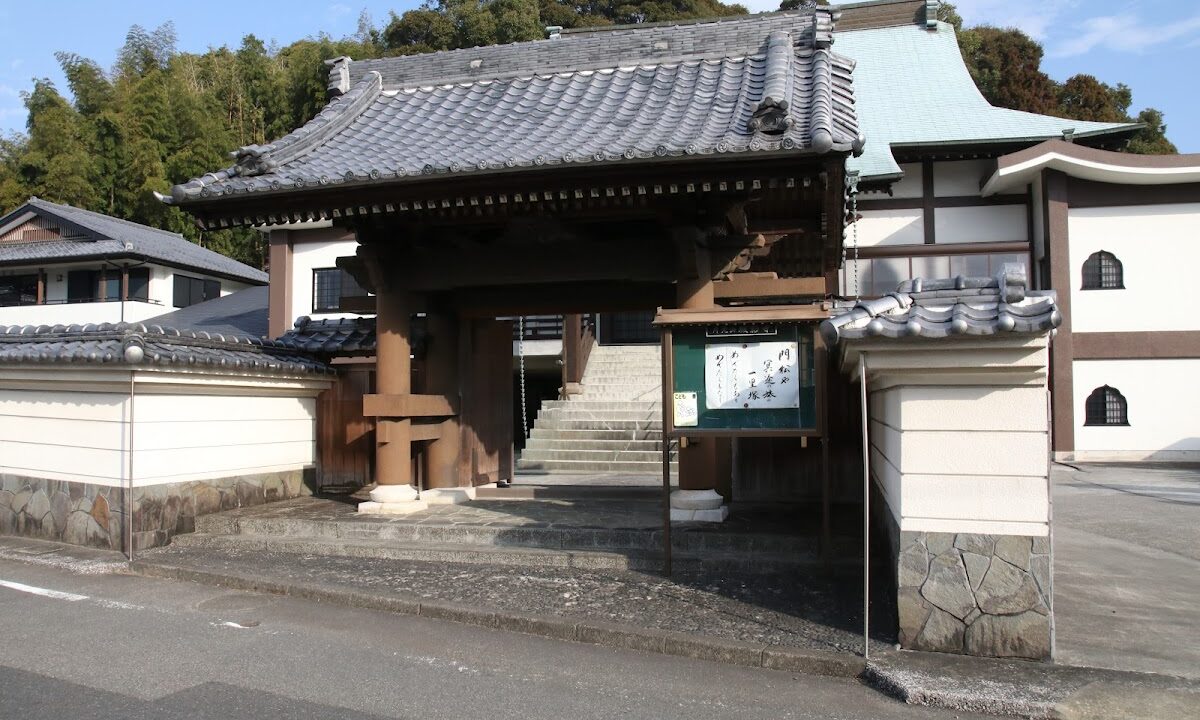
Jōeiji Temple (Nobeoka City, Miyazaki Prefecture) Complete Guide | History, Access, and Visiting Information
Jōeiji Temple, located in Nobeoka City, Miyazaki Prefecture, is a Sōtō Zen Buddhist temple deeply intertwined with the history of Nobeoka. This temple, bearing the mountain name Gekkōzan (Moonlight Mountain), has a beautiful name derived from its connection to Nobeoka Matsuo Castle and has long been cherished by the local people. This article comprehensively introduces information you should know before visiting Jōeiji Temple, including its history, access methods, and visiting information.
Basic Information about Jōeiji Temple
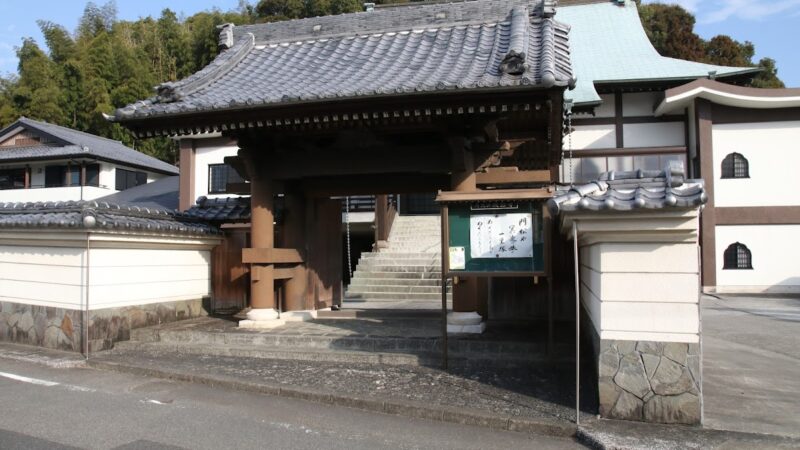
Jōeiji Temple is a Sōtō Zen Buddhist temple located in Kitakōji, Nobeoka City, Miyazaki Prefecture. Its official name is “Gekkōzan Jōeiji.”
Location and Contact Information
- Address: 3733 Kitakoji, Nobeoka City, Miyazaki Prefecture 882-0041
- Sect: Soto Zen
- Mountain Name: Gekkozan
- Nearest Station: Approximately 12 minutes on foot from JR Nobeoka Station
Opening Hours and Visiting Hours
Jōeiji Temple is generally open for daytime visits. However, visits may be restricted during religious services and events, so it is recommended to check in advance if you are visiting for a special reason. General visiting hours are from 9:00 AM to around 5:00 PM, but these may vary depending on the season and the temple’s circumstances.
History and Origin of the Name of Jōeiji Temple
Deep Connection to Nobeoka Matsuo Castle
The most distinctive feature of Jōeiji Temple lies in the origin of its name. This temple was once located near Nobeoka Matsuo Castle. Nobeoka Matsuo Castle was a fortress located in the center of Nobeoka City and functioned as the political and military center of the Nobeoka Domain.
The Castle’s Shadow Reflected in Moonlight
The name “Jōeiji” (城影寺) is said to originate from the fact that on moonlit nights, the shadow of Nobeoka Matsuo Castle was cast onto the temple’s garden. On a full moon night, the majestic appearance of the castle illuminated by moonlight, its shadow falling onto the temple grounds and gardens, must have been a truly fantastical sight. It is believed that the elegant name “Gekkōzan Jōeiji” (月光山城影寺) was given to the temple from this beautiful scene.
This origin story illustrates the geographical layout of Nobeoka during the Edo period, where the castle and temple were located close together, and is a valuable anecdote that conveys the aesthetic sensibilities that people of that time had towards natural phenomena and landscapes.
History as a Soto Zen Temple
Jōeiji Temple belongs to the Soto Zen sect. The Soto Zen school is a branch of Zen Buddhism introduced to Japan by Zen Master Dogen during the Kamakura period. It is characterized by its emphasis on “Shikantaza,” or simply sitting in meditation.
The development of Soto Zen temples in the Nobeoka region progressed from the Sengoku period to the Edo period. Jōeiji Temple was established during this time and is thought to have developed alongside the formation of the castle town of the Nobeoka domain. Temples function not only as religious institutions but also as centers of the local community, serving as educational and cultural hubs.
How to Access Jōeiji Temple
Access by Train
Jōeiji Temple is relatively easy to access using public transportation.
Walking from JR Nobeoka Station
- Get off at JR Nippo Main Line “Nobeoka Station”
- Approximately 12 minutes on foot from the station (approximately 900m)
- Nobeoka Station is a major station where express trains also stop.
From Nobeoka Station, head north, passing through the city center towards the Kitakoji area. Along the way, you can enjoy the scenery of Nobeoka city and stroll while feeling the local atmosphere.
Access by Car
If using the Higashi-Kyushu Expressway
- Approximately 15 minutes from the Nobeoka Interchange
- Proceed towards the center of Nobeoka city and head towards the Kitakoji area.
Parking Information
There may be parking spaces for visitors at Jōeiji Temple, but it is recommended to check directly with the temple for details. Since there are residential areas in the surrounding area, please avoid street parking and use appropriate parking spaces.
Landmarks and Navigation
Jōeiji Temple is located in the Kitakoji area of Nobeoka city, with houses and other temples scattered around. When using car navigation or smartphone map apps, searching for “3733 Kitakoji, Nobeoka City, Miyazaki Prefecture” or “Jōeiji Temple” will provide accurate location information.
Nobeoka City’s Temple Culture and the Position of Jōeiji Temple
Temples of Nobeoka City
Besides Jōeiji Temple, there are many other historical temples in Nobeoka City. The Kitakoji district, including Taiunji Temple (address: 3739 Kitakoji, Nobeoka City), is home to several temples, including Jōeiji Temple, preserving the appearance of a temple town from the former castle town.
These temples were arranged as part of the urban planning of the Nobeoka Domain during the Edo period, and were formed for various purposes, including defense, religious policy, and the development of urban functions.
Relationship between Nobeoka Matsuo Castle Ruins and Temples
Nobeoka Matsuo Castle is now maintained as Shiroyama Park and is a symbolic landmark of Nobeoka City. The surrounding temples, including Jōeiji Temple, provide important clues to understanding the structure of the former castle town.
The relationship between the castle and the temples reflects the urban planning and social structure of the time, and the origin of the name Jōeiji Temple can be understood within this historical context.
Teachings of the Sōtō Zen School and Zen Meditation Experience
Characteristics of the Sōtō Zen School
The Sōtō Zen school, to which Jōeiji Temple belongs, is a sect of Japanese Zen Buddhism that particularly emphasizes “shikantaza” (just sitting). This means “simply sitting,” and it teaches that Zen meditation itself is the form of Buddha, rather than a means to attain enlightenment.
Dogen Zenji, the founder of the Soto Zen school, taught through his works such as the *Shōbōgenzō* that all aspects of daily life are forms of spiritual practice. The idea that Buddhist teachings reside in all daily activities such as eating, cleaning, and sleeping is highly insightful for us today.
Participation in Zen Meditation Sessions and Buddhist Services
Many Soto Zen temples hold Zen meditation sessions and sutra copying sessions for the general public. It is possible that Jōeiji Temple also holds such activities. Zen meditation and sutra copying offer valuable opportunities to quiet the mind away from the hustle and bustle of daily life.
If you wish to participate, it is recommended that you contact the temple in advance to confirm the dates, times, and participation methods. Beginners are often given careful instruction, so why not give it a try?
Tourist Attractions Around Jōeiji Temple
Nobeoka Castle Ruins (Shiroyama Park)
The site of Nobeoka Matsuo Castle, from which Jōeiji Temple derives its name, is now developed as “Shiroyama Park.” Stone walls and turret remains are still present within the park, allowing visitors to experience Nobeoka’s history. The impressive high stone wall, known as the “Stone Wall of a Thousand Killers,” is particularly noteworthy and a popular spot for castle enthusiasts.
Imayama Hachimangu Shrine
A representative shrine of Nobeoka City, this historical shrine was revered by the Arima clan, the lords of the Nobeoka domain. Located about 10 minutes by car from Jōeiji Temple, it can be visited as part of a Nobeoka history tour.
Nobeoka Naito Memorial Museum
This memorial museum exhibits materials related to the Naito family, the last lords of the Nobeoka domain. It’s a facility where you can learn deeply about Nobeoka’s history and culture, and is also helpful in understanding the historical background of Jōeiji Temple.
Mukabaki Mountain and Mukabaki Waterfall
Mukabaki Waterfall, a representative natural landscape of Nobeoka City and one of Japan’s Top 100 Waterfalls, is located here. It’s about a 30-minute drive from Jōeiji Temple, making it possible to combine historical exploration with nature walks in your itinerary.
Manners and Precautions When Visiting a Temple
Basic Manners for Visiting a Temple
When visiting a temple, please observe the following basic manners:
- Clothing: Modest, understated clothing is preferable. Avoid overly revealing clothing.
- Behavior on Temple Grounds: Act quietly and calmly, refraining from loud conversations or running around.
- Photography: Photography may be prohibited inside the main hall or of Buddha statues. It is wise to check before taking pictures or to take them discreetly.
- Offering Money: Place your offering quietly and thoughtfully into the offering box. Do not throw it in; place it carefully.
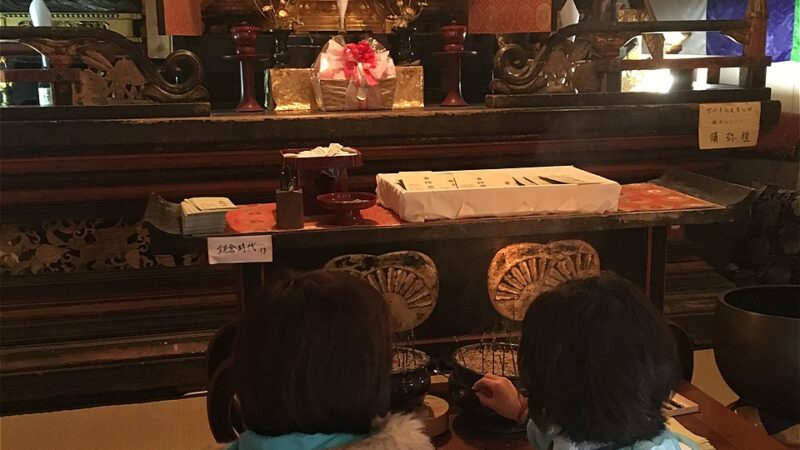
- Gassho (palms together in prayer): When in front of a Buddhist altar, join your hands in prayer and quietly bring them together. While the Soto Zen sect has specific rituals, for general visitors, simply joining your hands sincerely is sufficient.
Considerations when visiting the temple
Jōeiji Temple is located in a residential area, so consideration for the surrounding residents is necessary. Avoid loud conversations and street parking, and enjoy your visit quietly. Also, when memorial services or funerals are taking place, it is important to refrain from general visits or to be considerate so as not to disturb them.
History and Cultural Background of Nobeoka City
History of the Nobeoka Domain
Nobeoka flourished as a castle town of the Nobeoka Domain during the Edo period. The Nobeoka Domain saw changes in lords, including the Arima, Miura, Makino, and Naito clans, but each era saw the development of the castle town and the advancement of its culture.
The Kitakoji district, where Jōeiji Temple is located, is situated on the north side of the castle town and is thought to have functioned as a temple district. In Edo period urban planning, temples were strategically placed around castles to serve a defensive role while also functioning as centers of religion and culture.
Industry and Culture of Nobeoka
Nobeoka City has long developed as a transportation hub and is now known as an industrial city centered on the chemical industry. At the same time, it is blessed with a rich natural environment, including the clear waters of the Gokase River and the surrounding mountains.
Nobeoka’s traditional culture includes the samurai culture passed down in the castle town of Nobeoka, and folk performing arts such as Kagura. Historic temples like Jōeiji Temple play an important role in the preservation of this regional culture.
Other Soto Zen Temples in Miyazaki Prefecture
Besides Jōeiji Temple, there are many other Soto Zen temples in Miyazaki Prefecture. Each temple is deeply connected to the history and culture of the region, and visiting these temples allows you to discover the diverse charms of Miyazaki.
Major Soto Zen Temples in Miyazaki Prefecture
Soto Zen temples are scattered throughout Miyazaki Prefecture, including Miyazaki City, Miyakonojo City, Nichinan City, and Hyuga City. Each temple has its own unique history and characteristics, and functions as a center of the local community.
When planning a temple tour, it is recommended to research the history and characteristics of each temple in advance and create an efficient route. Also, some temples may require advance reservations, so it’s best to check before visiting.
Annual Events at Jōeiji Temple
Major Annual Events of the Soto Zen School
Soto Zen temples hold various Buddhist events throughout the year. Jōeiji Temple may also hold the following events:
- Shōshō-e (January): A Buddhist service held to welcome the New Year.
- Nirvana-e (February): A Buddhist service commemorating the passing of Shakyamuni Buddha.
- Higan-e (Spring/Autumn): A Buddhist service for ancestors.
- Hanamatsuri (April): A Buddhist service celebrating the birth of Shakyamuni Buddha.
- Urabon-e (August): A Buddhist service for the Obon festival.
- Daruma-ki (October): A Buddhist service commemorating the death anniversary of Bodhidharma.
- Jōdō-e (December): A Buddhist service commemorating the enlightenment of Shakyamuni Buddha.
By participating in these events, you can gain a deeper understanding of Buddhist culture. If you wish to participate, please contact the temple in advance to confirm the dates and participation methods.
Contact Information for Jōei-ji Temple
For specific inquiries about Jōei-ji Temple, requests for Buddhist services, or requests to participate in Zen meditation sessions, it is recommended to contact the temple directly. When contacting by phone, please note the following points.
- Avoid contacting the temple early in the morning or late at night.
- Avoid contacting the temple during memorial services or meal times (around noon).
- Prepare to convey your message concisely.
- Prepare to take notes.
In modern times, you can also obtain information from temple information websites on the internet or from the temple’s homepage (if one exists). However, it is best to confirm the latest information directly.
Significance and Modern Value of Visiting Jōeiji Temple
As a Place to Feel History
Jōeiji Temple is a valuable cultural heritage site that conveys the history of Nobeoka to the present day. Its connection to Nobeoka Matsuo Castle, from which its name originates, allows us to imagine the appearance of the castle town during the Edo period. By visiting the temple while imagining the sight of the castle’s shadow cast on the temple garden on a moonlit night, you can feel the romance of history that transcends time.
As a Place to Find Peace of Mind
Modern society is an information-overloaded and stressful environment. Spending time in the tranquil space of a temple is a valuable opportunity to escape the hustle and bustle of everyday life and calm your mind. The spirit of “Shikantaza” (just sitting), a teaching of the Soto Zen sect, teaches modern people, who often pursue goals and results, the importance of “being present in the here and now.”
As a Place to Learn About Local Culture
Visiting Jōeiji Temple is a great opportunity to learn about the local culture and history of Nobeoka. Temples are not merely religious facilities; they are places where the history, culture, and activities of the people of a region are condensed. Visiting local temples deepens your understanding of the area and enriches your travel experience.
Summary: Recommendation to Visit Jōeiji Temple
Jōeiji Temple is a historic and charming Soto Zen temple located in Nobeoka City, Miyazaki Prefecture. With a beautiful origin story of the shadow of Nobeoka Matsuo Castle being cast in the temple garden by moonlight, this temple is a valuable cultural heritage site that conveys the history of Nobeoka and has been cherished as a place of worship for the local people.
Its convenient location, approximately a 12-minute walk from JR Nobeoka Station, is also appealing, making it easy to stop by during your Nobeoka sightseeing. Visiting nearby historical sites such as Shiroyama Park and Imayama Hachimangu Shrine will allow you to gain a deeper understanding of Nobeoka’s history and culture.
Spending time praying in the tranquil temple grounds and reflecting on history will be a precious moment away from the hustle and bustle of everyday life. If you have the opportunity to visit Nobeoka City in Miyazaki Prefecture, be sure to visit Jōeiji Temple. This temple, whose mountain name is Gekkōzan (Moonlight Mountain), will surely give you a sense of peace and a profound understanding of history.