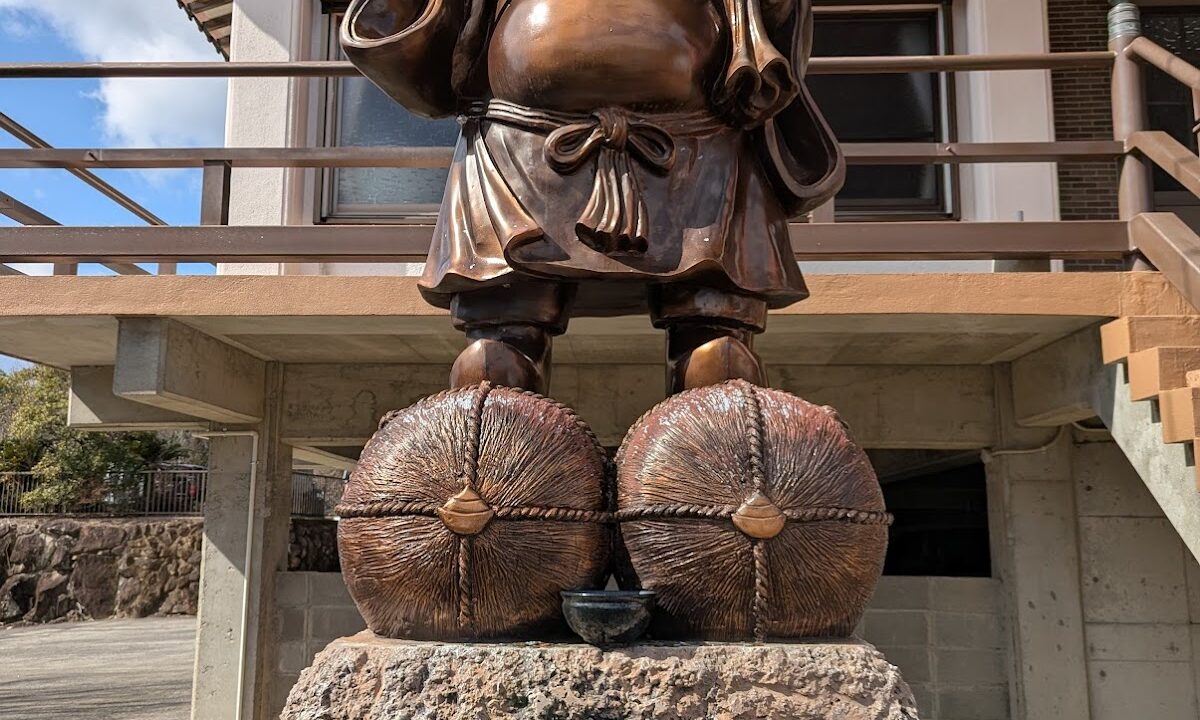
Hontoji Temple (Nobeoka City, Miyazaki Prefecture) Complete Guide: History and Highlights of the Enichi Plum Tree and the Seven Lucky Gods Daikokuten Sacred Site
Hontoji Temple, located in Nobeoka City, Miyazaki Prefecture, is an ancient Nichiren Buddhist temple with the mountain name Enichizan. It is known as a famous spot for the “Enichi Plum Tree,” one of Miyazaki Prefecture’s three most famous plum trees, attracting many visitors every February. It also gathers faith as a sacred site for Daikokuten, one of the Seven Lucky Gods, and boasts a history of over 400 years as a temple deeply rooted in the community.
History and Origins of Hontoji Temple
Story of the Founder and First Abbot
The founding of Hontoji Temple is deeply connected to the faith of Mukabaki Mountain. The temple was founded by Kai Hokkyo Ryukaku, a Shugendo practitioner and the head priest of Mukabakiyama Dainichi-ji Temple, a Shingon Buddhist temple that served as the head temple of Mukabaki Shrine. His son, Satsuma Ajari Nichiei, served as the founding priest.
Mukabakiyama has been revered since ancient times as a sacred mountain for mountain worship and Shugendo, and a Shingon Buddhist temple existed at its foot as the temple associated with Mukabaki Shrine. This historical background greatly influenced the establishment of Honto-ji Temple.
Conversion from Shingon to Nichiren Buddhism
Nichiei, the son of Kai Hokkyo Ryukaku (who was the head priest of Mukabakiyama Dainichi-ji Temple, originally a Shingon Buddhist temple), converted to Nichiren Buddhism, and Honto-ji Temple began a new chapter in its history as a Nichiren Buddhist temple. Currently belonging to the Kōtō Hōen lineage, it functions as an important Nichiren Buddhist temple in the Nobeoka region.
Position in Nobeoka City
Hontoji Temple, located in Matsuyama-cho, Nobeoka City, has played an important role as a center of faith for the local people and as a cultural hub. Especially since the Edo period, it has developed under the patronage of the Nobeoka Domain and has maintained strong ties with the local community to this day.
Keijitsuume: One of Miyazaki Prefecture’s Three Famous Plum Spots
Characteristics and Charm of Keijitsuume
Within the grounds of Hontoji Temple is a plum grove called “Keijitsuume,” which is counted as one of Miyazaki Prefecture’s three famous plum spots. Particularly famous is a giant weeping white plum tree estimated to be over 240 years old. This ancient tree has developed a magnificent branch structure over many years, and displays breathtaking beauty during the blooming season.
Numerous plum trees, mainly white plums, are planted in the Keijitsuume grove, and in early spring, the entire temple grounds are enveloped in the fragrance of plum blossoms. The elegant form of the weeping plum trees and the dignified, upright plum trees create a landscape that continues to captivate visitors.
Plum Blossom Viewing Festival
Every year on February 10th and 11th, the “Hontoji Temple Keijitsu Plum Blossom Viewing Festival” is held. This festival is part of the Nobeoka Flower Story and is a major event attracting many visitors from both within and outside the city.
During the festival, an outdoor tea ceremony is held, where visitors can enjoy Japanese sweets and matcha while admiring the plum blossoms. Spending a luxurious time in a tea ceremony area set up on the temple grounds, where the scents of plum blossoms and matcha harmonize, is a unique experience only available at Hontoji Temple.
Best Viewing Time and Viewing Tips
The best time to see the Keijitsu plum blossoms is usually from early to mid-February. While this may vary slightly depending on weather conditions, the festival is scheduled to coincide with the peak blooming season, so visiting during this time is recommended.
While the plum blossoms are beautiful in the crisp morning air, they are especially stunning when illuminated by the soft afternoon light. Furthermore, the entire temple grounds are enveloped in a magical atmosphere at dusk, allowing visitors to enjoy different expressions throughout the day.
Faith as a Sacred Site of Daikokuten, One of the Seven Lucky Gods
History of Daikokuten Worship
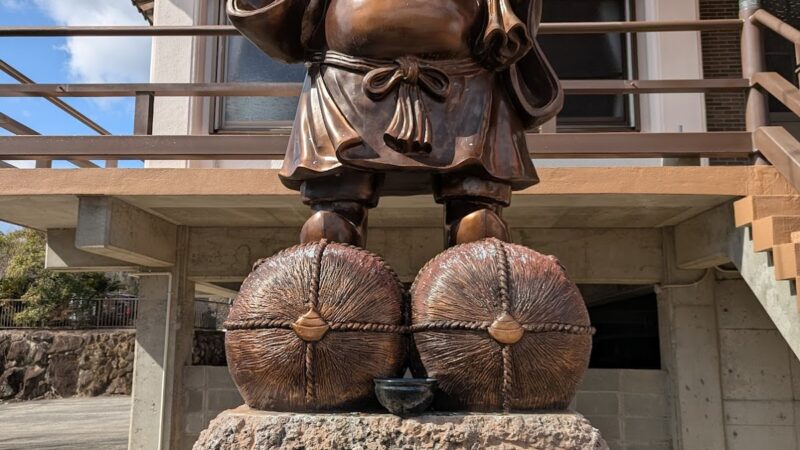
Hontoji Temple has long been a sacred site for Daikokuten, one of the Seven Lucky Gods, attracting the faith of local people. Daikokuten is widely worshipped as the god of good fortune and wealth, and visitors constantly come to pray for business prosperity and family safety.
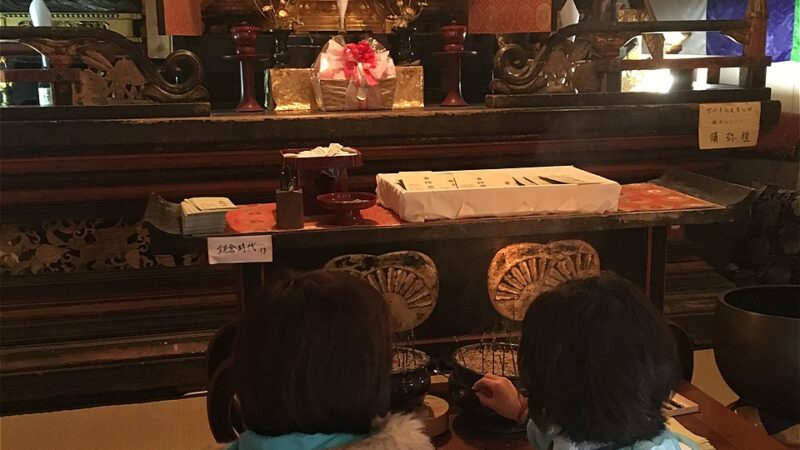
Hontoji Temple’s Daikokuten is considered particularly miraculous, attracting many visitors, including business owners praying for New Year’s blessings and business prosperity. The statue of Daikokuten enshrined in the hall welcomes visitors with a serene expression.
Daikokuten Grand Festival
Every year on January 2nd, the “Daikokuten Grand Festival” is held with great fanfare. As a New Year’s prayer festival, many visitors come to Hontoji Temple seeking good fortune. On this day, a special Buddhist service is held, and the temple grounds are bustling with people praying for business prosperity and family safety throughout the year.
At the Daikokuten Grand Festival, visitors can receive prayers and auspicious items are given out. It is believed that visiting early in the new year will bring a good start to the year.
Seven Lucky Gods Pilgrimage and Hontoji Temple
The Seven Lucky Gods pilgrimage is a traditional pilgrimage practiced throughout Japan, and Hontoji Temple, as a temple dedicated to Daikokuten, is an important base for the local Seven Lucky Gods pilgrimage. It is believed that visiting this temple along with the temples and shrines dedicated to the other six lucky gods will bring greater merit.
Highlights of the Temple Grounds
Main Hall and Buddhist Statues
The main hall of Hontoji Temple is a dignified building befitting a Nichiren Buddhist temple. Inside, important Buddhist statues, including the principal image and a statue of Daikokuten, are enshrined. By offering prayers in this tranquil space, one can find peace of mind.
The main hall’s architectural style exhibits the characteristics of traditional Nichiren Buddhist temples, with meticulously crafted carvings and decorations being a highlight. The carvings on the transoms, in particular, are exquisite, showcasing the high level of skill of the craftsmen.
Natural Environment of the Temple Grounds
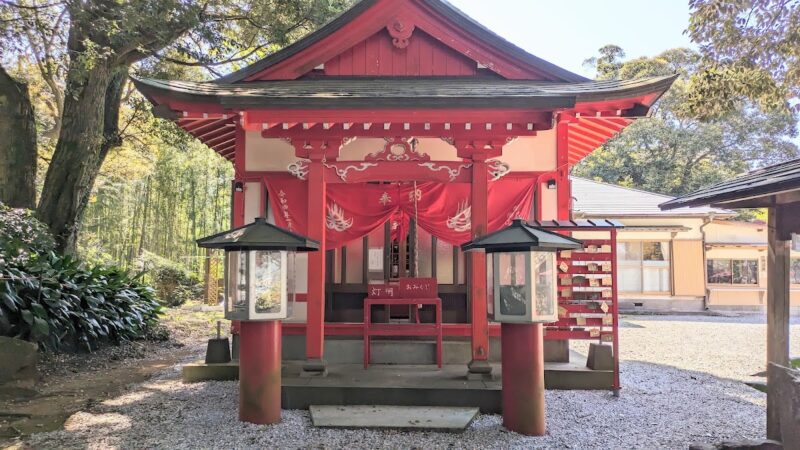
Hontoji Temple is famous for its Eijitsu plum blossoms, but you can also enjoy the changing seasons beyond the plums. In spring, the fresh greenery is beautiful; in summer, the shade of the trees provides coolness; and in autumn, the autumn leaves color the grounds. Visiting in the crisp winter air also offers a special charm.
The temple grounds are well-maintained, maintaining a clean and tranquil atmosphere. It’s a space where you can stroll leisurely and feel the changing seasons.
Stone Monuments and Memorials
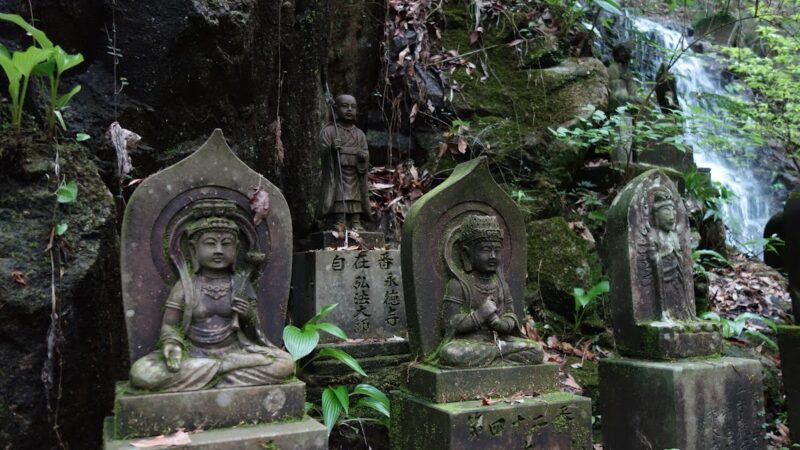
Several stone monuments and memorials that tell the story of the temple’s history are erected within the grounds. These are valuable historical materials that convey the history of Hontoji Temple and its connection to the local community. Reading the inscriptions on each monument allows for a deeper understanding of the temple’s history.
Goshuin Information
Issuance of Goshuin
Hontoji Temple offers goshuin (temple stamps). Written in the distinctive calligraphy style characteristic of Nichiren Buddhist temples, the goshuin are cherished by many as a memento of their visit. The goshuin features the temple’s mountain name, “Eijitsuzan,” and its name, “Hontoji,” written in ink, followed by a red seal.
Those wishing to receive a goshuin should speak to the temple office after their visit. Even those without a goshuin notebook may be given a pre-printed goshuin.
Special Goshuin
During special events such as the Plum Blossom Viewing Festival and the Daikokuten Grand Festival, limited-edition goshuin may be issued. These special goshuin feature designs and wording unique to the season and are popular among collectors.
Etiquette for Receiving Goshuin
Goshuin are not merely stamps; they are given as proof of your visit. First, it is proper etiquette to offer your prayers at the main hall with sincerity, and then request a Goshuin (temple stamp). Also, the Goshuin fee is used for the maintenance of the temple, so please offer it with gratitude.
Access Information
Location
Address: 1133 Matsuyama-cho, Nobeoka City, Miyazaki Prefecture
Hontoji Temple is located relatively close to the city center of Nobeoka, making it easily accessible.
Access by Public Transportation
Nearest Station: JR Nippo Main Line “Nobeoka Station”
Hontoji Temple is approximately a 10-minute taxi ride from Nobeoka Station. If using the bus, there is a bus route circulating within Nobeoka city, but the number of buses is limited, so it is recommended to check the timetable in advance.
During special events such as the plum blossom viewing festival, temporary buses may be operated, so please check Nobeoka City’s tourist information.
Access by Car
Access by car is the most convenient. It takes about 15 minutes to reach the temple from downtown Nobeoka via the national highway. It’s about 20 minutes from the Nobeoka Interchange on the Higashi-Kyushu Expressway.
During the plum blossom viewing season, there are many visitors, and surrounding roads may be congested. We recommend visiting with plenty of time to spare.
Parking
There is parking space on the temple grounds, but it may be full during events such as the plum blossom viewing season. In that case, you may be directed to a temporary parking lot nearby, so please follow the instructions of the staff.
Points and Manners for Visiting
Etiquette for Visiting
At Hontoji Temple, a Nichiren Buddhist temple, you should follow the general etiquette for visiting Buddhist temples. Bow before the main hall, offer your donation, then clasp your hands together and pray. In Nichiren Buddhism, chanting “Namu Myoho Renge Kyo” is fundamental.
Dress Code
There are no specific dress code requirements, but it is desirable to wear clothing that reflects the sacred nature of a temple. During events such as the plum blossom viewing festival, many visitors come, so we recommend wearing comfortable shoes.
Photography Etiquette
Photography is generally permitted within the temple grounds and around the Eijitsu plum tree, but there are areas where photography is restricted, such as inside the main hall. Please check before taking photos, or refrain from taking photos in areas where photography is prohibited. It is also important to be considerate of other visitors.
Nearby Tourist Attractions
Mukabakiyama and Mukabaki Shrine
Mukabakiyama, deeply connected to the history of Hontoji Temple, is a famous mountain representative of Nobeoka City. From its 830-meter-high summit, you can enjoy a panoramic view of Nobeoka city and the Hyuga Sea. The hiking trails are well-maintained, making it a popular hiking spot.
Mukabaki Shrine is located at the foot of Mukabakiyama and was managed by the head priest of Dainichiji Temple, the predecessor of Hontoji Temple. It is a valuable spot where you can feel the history of Shinto-Buddhist syncretism.
Nobeoka Castle Ruins (Agata Castle Ruins)
Located in the city of Nobeoka, the Nobeoka Castle Ruins were the residence of the Nobeoka Domain during the Edo period. Currently, it is maintained as a park, with some of the stone walls and moats remaining. It is also known as a famous cherry blossom viewing spot in spring.
Atagoyama Observatory
This observatory offers panoramic views of Nobeoka city and is particularly known for its beautiful night views. It is relatively close to Hontoji Temple, making it an ideal stop after visiting the temple.
Annual Events and Festivals
January 2nd: Daikokuten Grand Festival
An important Buddhist service praying for good fortune in the new year. Many worshippers visit to pray for business prosperity and family safety.
February 10th & 11th: Keijitsu Plum Blossom Viewing Festival
One of Hontoji Temple’s most important annual events. An outdoor tea ceremony is held, where visitors can enjoy matcha tea and Japanese sweets while admiring the plum blossoms. As part of the Nobeoka Flower Story, this is a city-wide event.
Other Buddhist Services
As a Nichiren Buddhist temple, important Buddhist services such as the Oeshiki (memorial service) are also held. Participating in these services allows you to experience the teachings of Nichiren Buddhism.
Hontoji Temple and the Local Community
Connections with the Community
For over 400 years, Hontoji Temple has functioned as a central presence in the local community of Nobeoka City. It contributes not only to its relationship with its parishioners but also to local cultural and educational activities.
Value as a Cultural Asset
The natural environment of the temple grounds, including the Eijitsubai plum tree, and the historical buildings are protected as valuable cultural assets of Nobeoka City. It also plays a role in passing on the history of the region to future generations.
Hontoji Temple as a Tourist Resource
In recent years, Hontoji Temple has attracted attention as an important tourist resource of Nobeoka City. Especially during the plum blossom viewing season, many tourists from within and outside the prefecture visit, contributing to the local economy.
Visitor Feedback and Reputation
The Beauty of the Keijitsu Plum Tree
Many visitors have commented, “I was deeply moved by the beauty of the Keijitsu plum tree,” and “The 240-year-old weeping plum tree is breathtaking.” The outdoor tea ceremony experience during the plum blossom viewing festival, in particular, has received high praise, with comments such as, “It’s charming and wonderful.”
A Tranquil Atmosphere
Many visitors appreciate the temple’s atmosphere, saying things like, “The grounds are quiet and peaceful,” and “It’s a place where you can forget the hustle and bustle of the city.” The well-maintained grounds provide tranquility to visitors.
The Appeal of the Goshuin (Temple Seal)
Visitors who collect Goshuin have commented, “They are written so carefully,” and “The powerful brushwork, characteristic of the Nichiren sect, is wonderful.”
Best Season to Visit Hontoji Temple
Plum Blossom Season (February)
The most recommended time to visit is undoubtedly February, when the Keijitsu plum tree is in full bloom. The temple grounds are especially crowded on February 10th and 11th, when the plum blossom viewing event is held, but this also means you can enjoy a lively atmosphere.
Season of Fresh Greenery (April-May)
After the plum blossoms have fallen, the temple grounds are enveloped in fresh greenery. The refreshing atmosphere of this time of year is also appealing, making it ideal for a leisurely visit.
Autumn Foliage (November)
In autumn, the trees on the temple grounds change color, revealing a different kind of beauty. Visiting in the cool weather is refreshing for both mind and body.
Relationships with Other Temples in Nobeoka City
Network of Nichiren Buddhist Temples
There are several Nichiren Buddhist temples in Nobeoka City, and Hontoji Temple holds an important position among them. As a temple belonging to the Koto lineage, it actively interacts with other Nichiren Buddhist temples.
Inter-denominational Exchange
The history of Hontoji Temple began with its connection to the Shingon sect, and even today, friendly relations are maintained with temples of other sects in the region. Such inter-denominational cooperation demonstrates the richness of the region’s religious culture.
Summary: The Charms of Hontoji Temple
Hontoji Temple in Nobeoka City, Miyazaki Prefecture, is an ancient Nichiren Buddhist temple with the mountain name Enichizan, boasting a history of over 400 years. It is a popular spot for many visitors, known for its Enichi plum blossoms (one of Miyazaki Prefecture’s three famous plum trees) and as a sacred site for Daikokuten, one of the Seven Lucky Gods.
The temple grounds offer various attractions throughout the seasons, including a weeping white plum tree estimated to be 240 years old, an outdoor tea ceremony experience at the annual plum blossom viewing event in February, and the Daikokuten Grand Festival on January 2nd. It is easily accessible from Nobeoka Station, making it a must-visit spot for Nobeoka sightseeing.
Hontoji Temple is filled with multifaceted charm, from its location at the foot of Mukabakiyama, its unique history of conversion from Shingon Buddhism to Nichiren Buddhism, and its deep ties to the local community. Finding peace in the tranquil temple grounds, being moved by the beauty of the Eijitsu plum blossoms, and praying to Daikokuten for good fortune—a visit to Hontoji Temple will leave a deep impression on the hearts of all who come.
When you visit Nobeoka City, be sure to stop by Hontoji Temple and experience its history, nature, and world of faith. A visit during the plum blossom season, in particular, is sure to be an experience you’ll cherish for a lifetime.