Kansenji Temple (Miyazaki Prefecture) Complete Guide: History, Goshuin (Temple Seal), Access, and Highlights Explained in Detail
Located in Miyazaki Prefecture, Kansenji Temple is a valuable temple that conveys the history and culture of the region to the present day. This article provides a detailed explanation of everything you need to know before visiting, from the historical background of Kansenji Temple to information on visiting and its highlights.
What is Kansenji Temple?
Kansenji Temple is a Buddhist temple located in Miyazaki Prefecture and has long been cherished as a center of faith for local residents. Its tranquil grounds offer a space that provides peace of mind to visitors.
Basic Temple Information
Kansenji Temple plays an important role in the local community as a temple that inherits Japanese Buddhist culture. Surrounded by nature throughout the seasons, its grounds are a place where visitors can offer prayers in peace.
History of Kansenji Temple
Origin of Founding
The founding of Kansenji Temple has been passed down through historical records and oral traditions in the region. Like many Japanese temples, it is believed to have been built in conjunction with regional development and the spread of Buddhism.
Historical Transformations
Throughout its long history, Kankawa-ji Temple has been influenced by various eras, leading to its present state. It has weathered significant turning points in Japanese religious history, including the Sengoku period, the Edo period, and the Meiji Restoration’s separation of Shinto and Buddhism.
Supported by the faith of the local people, it has overcome numerous difficulties and continues to uphold its religious traditions to this day.
Kankawa-ji Temple in the Modern Era
Currently, Kankawa-ji Temple is engaged in activities that meet the needs of modern society while preserving its traditions. It plays an important role as a spiritual pillar for the local community and from the perspective of cultural property preservation.
Highlights of the Temple Grounds
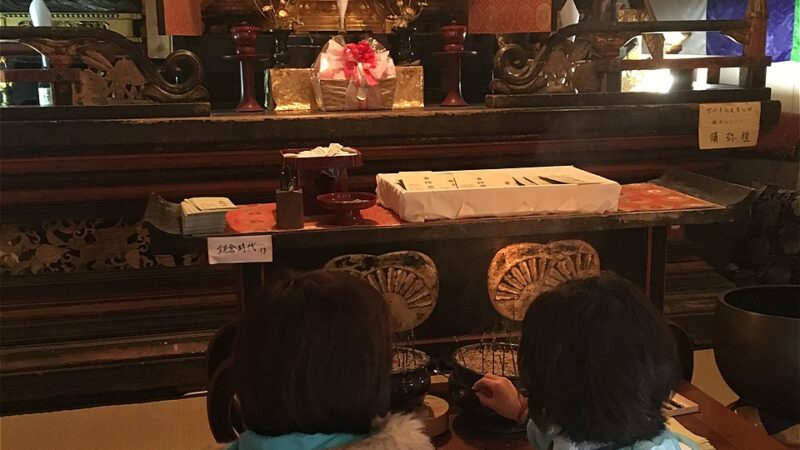
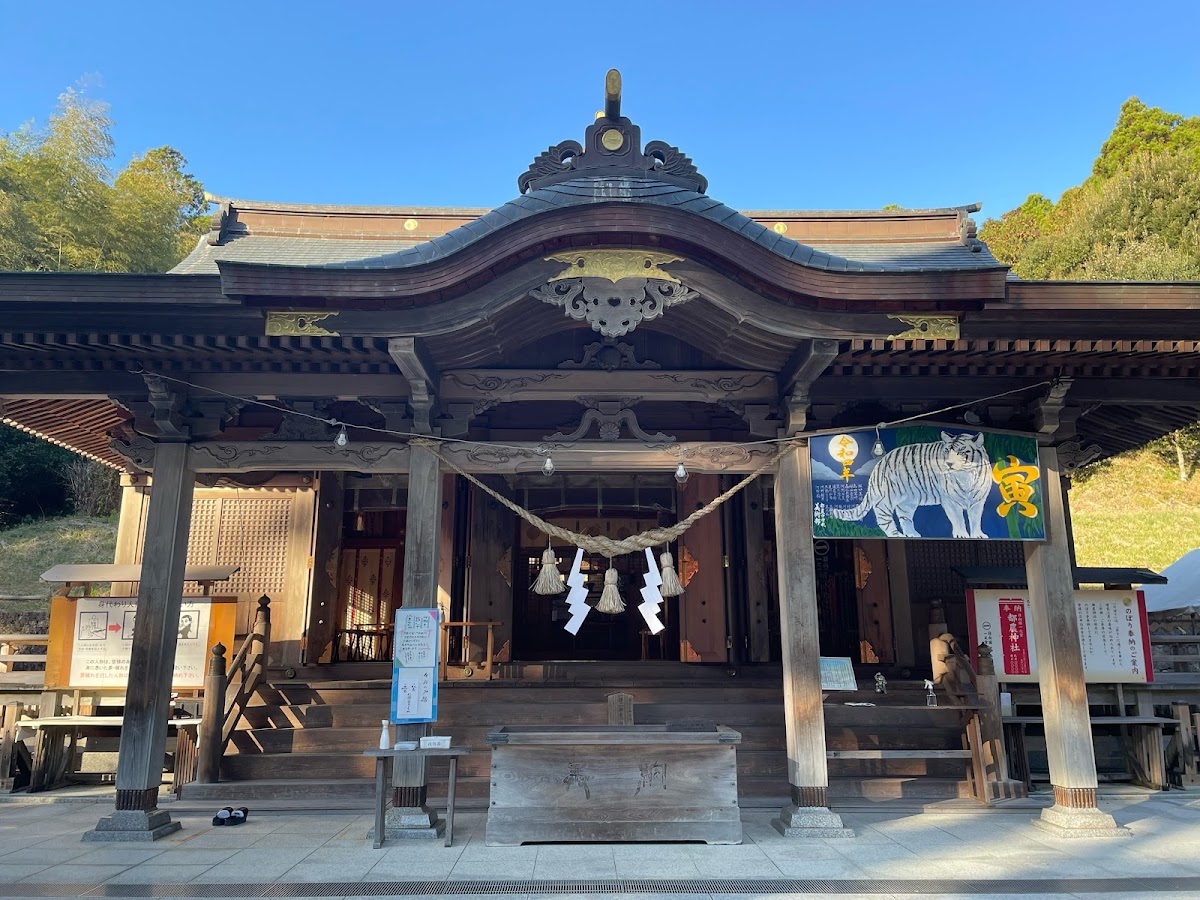
Main Hall
The main hall of Kankawa-ji Temple is the central building of the temple. The principal image is enshrined here, and daily services and religious ceremonies are held. The architectural style reflects the characteristics of each era, and visitors can find peace of mind in this tranquil space.
Natural Environment of the Temple Grounds
The grounds of Kankawa-ji Temple are blessed with nature that changes with the seasons. In spring, you can enjoy cherry blossoms and fresh greenery; in summer, deep green; in autumn, vibrant autumn leaves; and in winter, the crisp, clean air. Each season offers its own unique scenery.
The temple grounds, in harmony with nature, allow visitors to feel the changing seasons and offer peace of mind.
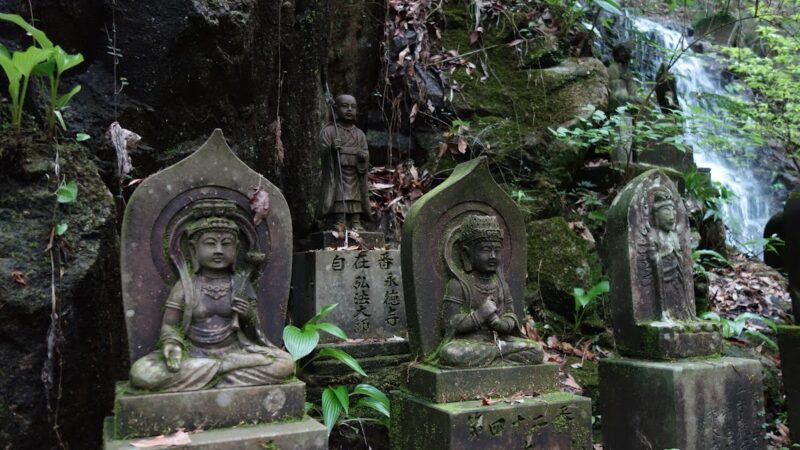
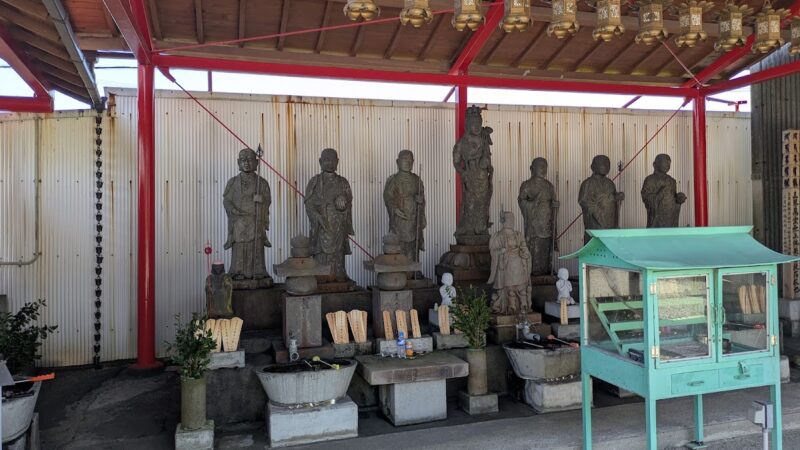
Stone Buddhas and Monuments
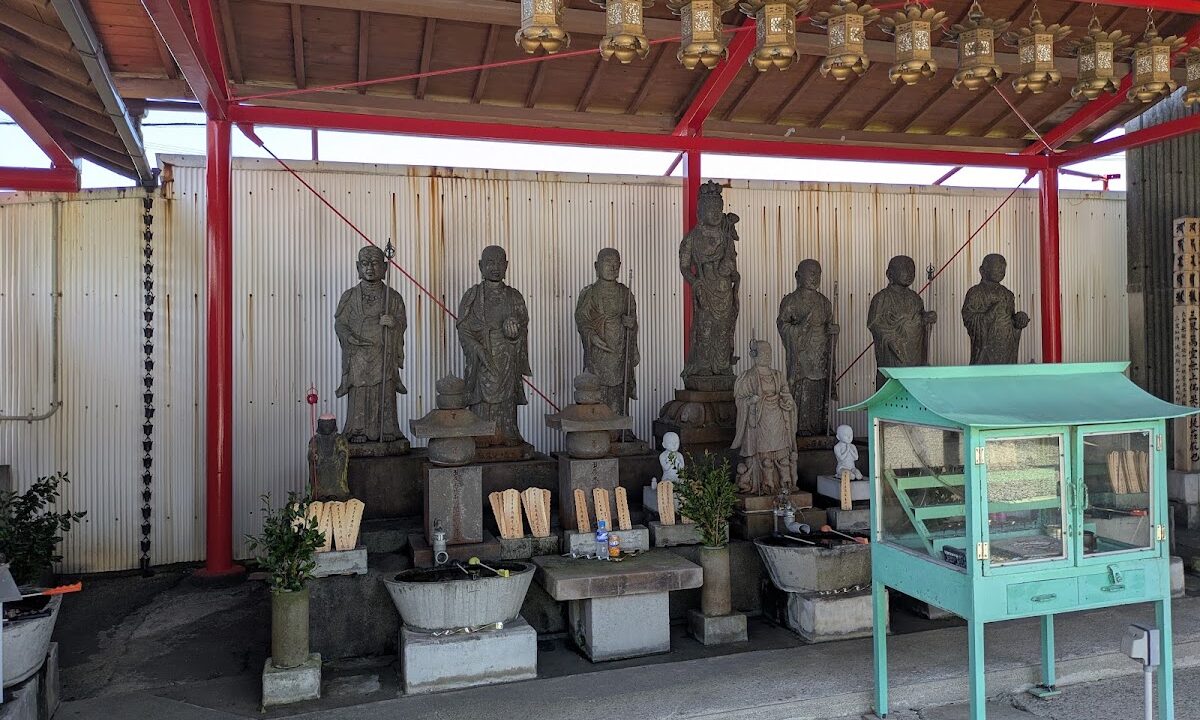
Stone Buddhas and monuments that tell the story of history are placed throughout the temple grounds. These are evidence of past faith and are valuable cultural heritage imbued with the prayers of our ancestors.
Goshuin (Temple Seal) Information
About the Issuance of Goshuin
Kankawa-ji Temple offers goshuin to visitors. A goshuin is not merely a commemorative stamp, but a sacred item bestowed by the temple as proof of worship.
Manners for Receiving a Goshuin (Temple Stamp)
When receiving a Goshuin, please observe the following manners:
- First, complete your prayers at the main hall before receiving the Goshuin.
- Prepare a Goshuincho (stamp book) (avoid notebooks or colored paper).
- Request using polite language.
- Remember to express your gratitude.
- Prepare the specified amount for the Goshuin fee.
About Goshuincho
For those receiving a Goshuin for the first time, it is recommended to prepare a Goshuincho in advance. Some temples sell their own Goshuincho.
Annual Events and Ceremonies
Main Annual Events
At Kankawa-ji Temple, annual events based on Buddhist traditions are held. These events involve many local residents and serve as opportunities to deepen community bonds.
Spring Events
In spring, events celebrating the birth of Buddha, such as the Hana Matsuri (Buddha’s Birthday), are held. This memorial service is fitting for the season when we feel the breath of new life.
Summer Events
Summer is centered around the Obon memorial service. Many parishioners and local residents visit to honor their ancestors and remember the deceased.
Autumn Events
In autumn, the Higan memorial service is held. Around the autumnal equinox, a period of gratitude and remembrance for ancestors is observed.
Winter Events
The end of the year and the beginning of the new year include important events marking the end of the year, such as the ringing of the temple bell on New Year’s Eve and prayers for the new year.
Access Information
Location
Nukigawa-ji Temple is located in Miyazaki Prefecture. It is recommended to check the exact address before visiting and enter it into your car navigation system or smartphone map app.
Access by Public Transportation
If using public transportation, check the route from the nearest station or bus stop in advance. For temples in rural areas, the distance from stations or bus stops may be considerable, so consider taking a taxi.
Access by Car
If you are visiting by private car, please check the access route from major roads. Follow your car’s navigation system, but also pay attention to road signs.
Parking Information
We recommend contacting the temple in advance regarding the availability and capacity of parking for visitors. Since congestion is expected during memorial services and events, please try to arrive early.
Manners and Points for Visiting a Temple
Basic Manners for Visiting a Temple
When visiting a temple, please observe the following manners:
- Attire: Avoid revealing clothing and aim for clean and presentable attire.
- Greeting: Bow when passing through the temple gate.
- Watering: If there is a watering basin, cleanse your hands and mouth.
- Worship Method: Join your hands in prayer in front of the main hall and offer your prayers quietly.
- Photography: Photography is only permitted on the temple grounds, and please be considerate of other visitors.
- Quietness: Act quietly on the temple grounds and refrain from loud conversations.
About Offerings
Offerings are a way of expressing gratitude. There are no set amounts, but please offer them sincerely. When throwing money into the offering box, please be careful not to be rough.
Best Time to Visit
Generally, visiting temples is recommended during daylight hours. Early morning visits offer a refreshing atmosphere and are particularly calming. Visiting in the evening or later may result in temple gates being closed, so caution is advised.
Tourist Attractions Around Kankawa-ji Temple
Charms of Miyazaki Prefecture
Miyazaki Prefecture, where Kankawa-ji Temple is located, boasts abundant nature and numerous historical tourist attractions. You can enjoy the region’s charm along with your temple visit.
Nearby Tourist Attractions
Miyazaki Prefecture has nationally renowned tourist spots such as Takachiho Gorge, Aoshima Island, and Udo Shrine. Furthermore, the agricultural and marine products nurtured by Miyazaki’s warm climate are also appealing.
Local Cuisine
After your visit, enjoying local specialty dishes is highly recommended. Miyazaki Prefecture has developed its own unique food culture, including Miyazaki beef, chicken nanban, and hiyajiru (cold soup).
Inquiries about Kankawa-ji Temple
Importance of Prior Confirmation
Before visiting, we recommend contacting the temple regarding the following points:
- Visiting hours/hours of worship
- Dates of memorial services and events
- Hours for issuing Goshuin (temple stamps)
- Availability and number of parking spaces
- Special rules and precautions for worship
Contact Method
Contacting the temple is generally done by telephone. Please use polite language and ask for necessary information concisely.
Temple Culture in Miyazaki Prefecture
Buddhist History in Miyazaki
The history of Buddhism in Miyazaki Prefecture is long, and historical temples are scattered throughout the region. These temples have supported the spiritual culture of the area and served as a spiritual haven for people.
Local Communities and Temples
Even in modern times, temples are an important component of local communities. Through memorial services and annual events, they serve as places for intergenerational exchange.
Guidelines for Visiting a Temple
The Meaning of Prayer
Visiting a temple is not merely sightseeing; it’s an opportunity to quiet your mind and reflect on yourself. The time spent in quiet contemplation, away from the hustle and bustle of everyday life, is a valuable experience for modern people.
A Heart of Gratitude
When visiting a temple, it’s important to have a heart of gratitude for daily peace, health, and the happiness of your family. Also, don’t forget to express your gratitude to those who maintain and manage the temple.
Kankawa-ji Temple in the Seasons
Kankawa-ji Temple in Spring
In spring, Kankawa-ji Temple is adorned with fresh greenery and flowers. It’s a season where you can feel the breath of life, and your heart will feel lighter.
Kankawa-ji Temple in Summer
In summer, the temple grounds, enveloped in deep green, create a cool atmosphere. Visiting amidst the sound of cicadas evokes the charm of a Japanese summer.
Kankawa-ji Temple in Autumn
In autumn, the temple grounds are colored by autumn leaves, marking the most beautiful season. The tranquil, subdued colors of the landscape leave a deep impression on the heart.
Winter at Kankawa-ji Temple
In the crisp winter air, the temple grounds, enveloped in silence, exude a solemn atmosphere. Visiting the temple in this clear air is a purifying experience for both mind and body.
Value as a Cultural Asset
Historical Building
The buildings of Kankawa-ji Temple are valuable assets that tell the story of the region’s history. The traditional architectural techniques and designs are cultural heritage that should be passed down to future generations.
Preservation and Inheritance
Maintaining and managing a temple requires considerable effort. With the support of parishioners, local residents, and the cooperation of visitors, these cultural assets are passed down to future generations.
The Role of Temples in Modern Times
Spiritual Pillar
In modern society, temples continue to play a role as a spiritual pillar for people. In a stressful society, temples are important for people seeking peace of mind.
Community Space
Temples are not only religious spaces but also places for community interaction. Through various events, people of all generations and backgrounds gather and deepen their bonds.
Educational Role
Temples are also places to learn about morality, ethics, and ways of life through Buddhist teachings. They offer a particularly valuable opportunity for younger generations to experience traditional culture.
Enriching Your Visit
Prior Study
Learning about the history and origins of the temple before your visit will lead to a deeper understanding and appreciation. Gather information from the internet or books.
Allow Ample Time
Instead of rushing, visiting with ample time allows you to slowly appreciate the atmosphere of the temple grounds.
Open Your Heart
It’s important to feel the atmosphere of the temple with an open mind, without preconceived notions. Cherish the time to reflect on yourself in the silence.
Summary
Nukikawa-ji Temple is a historic temple located in Miyazaki Prefecture, cherished by the local community for many years. The tranquil environment of the temple grounds provides peace of mind to visitors.
When visiting a temple, it’s important to observe basic manners and approach the visit with a grateful heart. Enjoying the changing seasons and escaping the hustle and bustle of everyday life to offer quiet prayers will be a valuable experience for modern people.
When visiting Miyazaki Prefecture, be sure to also visit Kankawa-ji Temple and experience the local history and culture. An experience at a temple is sure to deepen your travel memories.