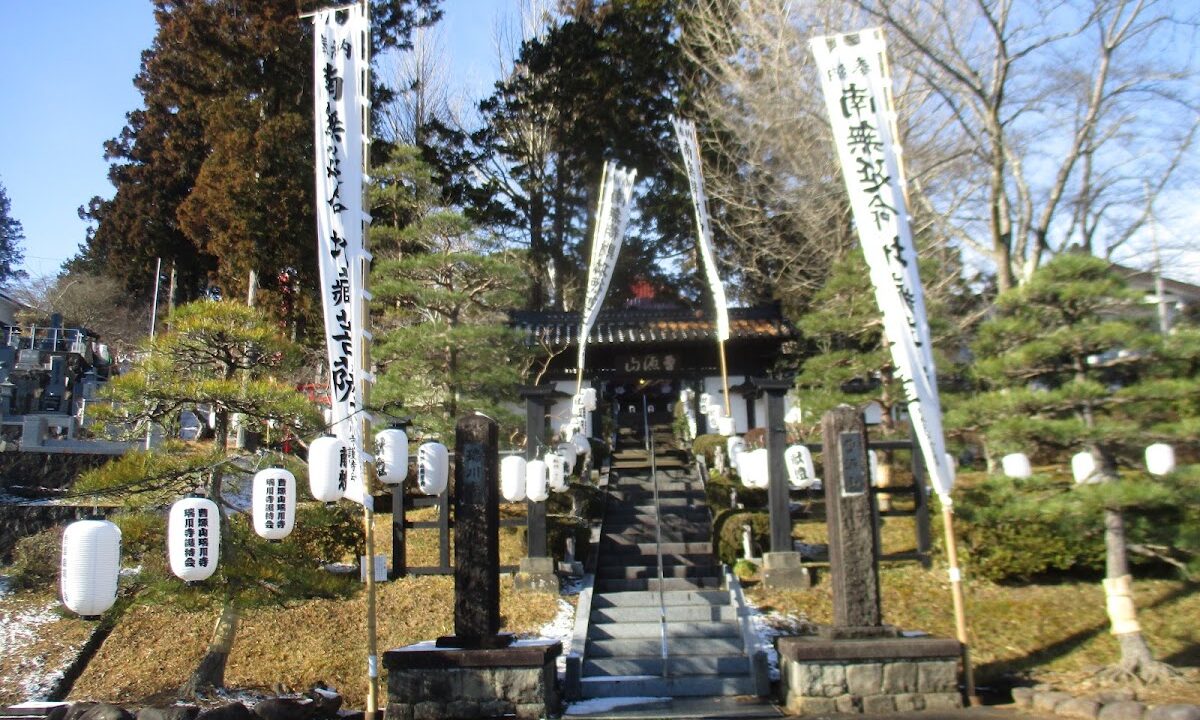
Complete Guide to Mizukawa-ji Temple (Ichinoseki City, Iwate Prefecture) | History, Access, Perpetual Memorial Services, and Tour Reservations
Located in Mashiba, Ichinoseki City, Iwate Prefecture, Mizukawa-ji Temple is a venerable temple with a long history as a Soto Zen Buddhist temple. This article comprehensively introduces all the information you need if you are considering visiting Mizukawa-ji Temple, from its historical background to modern memorial service practices, access methods, costs, and tour reservations.
Basic Information about Zuisenji Temple
Temple Overview
Official Name: Sogenzan Zuisenji Temple
Sect: Soto Zen Buddhism
Principal Image: Enmei Jizo Bodhisattva
Location: 79-2, Mashiba, Senkarida, Ichinoseki City, Iwate Prefecture 021-0901 (Sometimes listed as 79-3)
Phone Number: 0191-23-0519
Chief Priest: Shinichi Saito
Pilgrimage Site: The 11th temple of the Thirty-Three Kannon Pilgrimage of Nishiiwai District
Zuisenji Temple is a temple blessed with a quiet environment despite being close to the city center of Ichinoseki City, Iwate Prefecture. Based on the teachings of the Soto Zen sect, it is cherished by the local people as a place of faith and memorial service.
History and Origins of Zuisenji Temple
From Founding to the Present
The history of Zuisenji Temple dates back to the Sengoku period (Warring States period). Originally, this temple was located not in present-day Ichinoseki City, Iwate Prefecture, but in Inaba Village, Shida District, Miyagi Prefecture (present-day Furukawa, Osaki City, Miyagi Prefecture).
Founding Period
Zuikawa-ji Temple was founded by Osaki Yoshitaka and served as the ancestral temple (family temple) of the Osaki clan for generations. The Osaki clan was a powerful daimyo in Oshu during the Sengoku period, and Zuikawa-ji Temple prospered under their patronage.
Destruction Due to War
In 1590, after Toyotomi Hideyoshi’s pacification of Oshu, the Kasai-Osaki Rebellion broke out. During this conflict, Zuikawa-ji Temple was destroyed by fire and fell into ruin for a time. This historical event symbolized the end of the Sengoku period in the Tohoku region.
Reconstruction and Relocation
In 1602, Zuikawa-ji Temple was reconstructed by the Suzuki clan, the lords of the region at the time. At that time, it was rebuilt as a branch temple of Matsuneji Temple in Sendai and became the temple housing the ancestral tablets of the Suzuki family. Later, it relocated to its current location in Mashiba, Ichinoseki City, Iwate Prefecture, where it remains today.
Thus, Zuikawaji Temple is a historically significant temple that has endured the turmoil of the Sengoku period and, despite relocating, has continued to uphold the flame of faith.
Thirty-Three Kannon Pilgrimage Sites of Nishiiwai District
Zuikawaji Temple is also known as the eleventh temple of the Thirty-Three Kannon Pilgrimage Sites of Nishiiwai District. Pilgrimages to Kannon temples are acts of faith that rely on the compassion of Kannon Bodhisattva, praying for worldly benefits and rebirth in paradise, and have long been cherished by the local people.
How to Access Zuikawa-ji Temple
Access by Train
Nearest Station: JR Tohoku Main Line/Ofunato Line “Ichinoseki Station”
Distance from Station: Approximately 1.6km
Travel Time: Approximately 20 minutes on foot, approximately 5 minutes by taxi
Ichinoseki Station is also a stop on the Tohoku Shinkansen, making it easily accessible from Tokyo and Sendai. Using the Shinkansen, you can reach Ichinoseki Station in approximately 2 hours and 30 minutes from Tokyo and approximately 40 minutes from Sendai.
While it’s possible to walk from the station, we recommend taking a taxi if you have a lot of luggage or if the weather is bad. There is a taxi stand in front of Ichinoseki Station, and you can reach Zuikawa-ji Temple for a few hundred yen.
Access by Car
Tohoku Expressway
- Approximately 10 minutes from Ichinoseki Interchange
- Approximately 15 minutes from Wakayanagi-Kannari Interchange
From National Route 4, head towards the city center and follow the signs for the Mashiba area to access the temple. Parking: Parking is available on the temple grounds (please inquire in advance for details).
Address and Navigation Settings
When searching using car navigation or smartphone map apps, please enter the following address:
“ 79-2, Sengari-da, Mashiba, Ichinoseki City, Iwate Prefecture 021-0901
“`
Alternatively, you can search using the phone number “0191-23-0519”.
Memorial Service Options and Costs at Mizukawa-ji Temple
About Perpetual Memorial Graves
Mizukawa-ji Temple offers perpetual memorial graves to accommodate modern lifestyles and changing family structures. A perpetual memorial grave is a burial plot where the temple takes responsibility for perpetual memorial services and management.
Benefits of Perpetual Memorial Graves
- Peace of mind even without successors
- Cost savings as tombstone construction may be unnecessary
- No maintenance required as the temple manages the grave
- Often open to all religious denominations
About Tree Burial
Tree burial, popular among nature-oriented individuals, is another type of memorial service available at Zuikawa Temple. Tree burial is a burial method that returns to nature, using a tree as a grave marker instead of a tombstone.
Characteristics of Tree Burial
- A burial method that considers the natural environment
- Generally less expensive than traditional tombstones
- Available in individual and communal burial types
- Easy to manage, reducing the burden on successors
About Columbariums
Columbariums, where cremated remains are kept indoors, are another type of memorial service that has seen increasing demand in recent years.
Advantages of a Columbarium
- You can visit regardless of the weather.
- They are often located in urban areas or places with convenient transportation.
- They are clean and well-maintained.
- Remains may be interred together after a certain period.
Traditional Graves
It is also possible to erect traditional gravestones in the cemetery of Zuikawa-ji Temple. This is suitable for those who wish to have a family grave for generations or who desire traditional memorial services.
Support for Grave Closure
We also provide support for grave closure (reburial) for those who find it difficult to manage graves located far away. Grave closure involves removing the existing grave and moving the remains to another location.
The Process of Closing a Grave
- Consult with the current cemetery administrator
- Apply for permission to rebury the remains (administrative procedure)
- Retrieve the remains (closing ceremony)
- Remove the gravestone
- Inter the remains at the new burial site
About Costs
Specific costs vary depending on the type of memorial service chosen, the size of the plot, and the individual interment period. The following are general guidelines for Ichinoseki City, Iwate Prefecture.
General Cost Estimates
- Perpetual memorial grave: Approximately 100,000 to 500,000 yen
- Tree burial: Approximately 200,000 to 800,000 yen
- Columbarium: Approximately 300,000 to 1,000,000 yen
- Traditional cemetery: Approximately 1,000,000 to 3,000,000 yen (including gravestone cost)
*The above are general estimates and may differ from the actual costs at Mizukawa-ji Temple. Please contact Mizukawa-ji Temple directly for accurate costs.
How to Make a Reservation for a Visit to Zuikawa-ji Temple
Necessity of Reservation
When visiting Zuikawa-ji Temple, especially if you want to learn more about memorial services such as perpetual memorial graves and tree burials, we strongly recommend making a reservation in advance.
Benefits of Reservation
- You can receive detailed explanations from the head priest or staff.
- You can view the actual burial grounds.
- You can ask questions about costs and contract details.
- You can receive smooth service without waiting.
- Materials will be prepared for you.
How to Make a Reservation
Reservation by Phone
Phone Number: 0191-23-0519
Reception Hours: Weekdays 9:00 AM – 5:00 PM (approximate)
When making a reservation by phone, please provide the following information for a smoother process:
- Desired date and time of visit (first choice, second choice)
- Number of visitors
- Memorial service type of interest (perpetual memorial grave, tree burial, etc.)
- Contact information (phone number, name)
Reservation by Internet
Some temple information websites also allow online reservations. Searching for “Mizukawa-ji Temple Visit Reservation” may lead you to websites where reservations are available.
Flow of the Visit
- Registration: Visit Mizukawa-ji Temple at the scheduled time and register at the main hall or office.
- Hearing: Discuss your desired memorial service type, budget, family structure, etc.
- Facility Tour: Tour the actual cemetery, perpetual memorial graves, and tree burial area.
- Detailed Explanation: Receive explanations about costs, contract details, and memorial service methods.
- Q&A: Ask any questions or express any concerns.
- Receiving Materials: Receive materials such as brochures and estimates.
The visit usually takes about 1 to 1.5 hours. If you wish to compare multiple memorial service types, it may take longer.
Flow of Interment at Mizukawa-ji Temple
Step 1: Information Gathering and Visit
First, gather information about Mizukawa-ji Temple and make a visit reservation. It is important to actually visit the site to confirm the atmosphere, location, and memorial service types.
Step 2: Choosing the Memorial Service
Choose a memorial service that suits your family’s circumstances and wishes from several options, such as perpetual memorial graves, tree burials, columbariums, and traditional cemeteries.
Step 3: Contract Procedures
A contract will be signed regarding the chosen memorial service. Be sure to confirm the following points at this time:
- Total cost (perpetual memorial service fee, management fee, etc.)
- Payment method and timing
- Content and frequency of memorial services
- Individual interment period (for perpetual memorial graves)
- Cancellation policy after contract signing
- Terms of use
Step 4: Payment of Fees
Pay the fees based on the contract. Lump-sum payment is common, but installment payments may be available, so inquire.
Step 5: Preparation for Interment
The following documents and procedures are required for interment.
Required Documents
- Burial Permit (Cremation Permit with a cremation stamp)
- Reburial Permit (if moving from another cemetery)
- Identification Card
- Seal/Stamp
Items to Prepare
- Cremated Remains (Urn)
- Offerings (Flowers, Incense, etc.)
- Prayer Beads
Step 6: Interment Ceremony
Decide on the date of interment and hold the interment ceremony (memorial service). The head priest of Zuikawa Temple will chant sutras and inter the remains.
Flow of the Interment Ceremony
- Gathering of Attendees
- Opening Remarks
- Chanting of Sutras
- Incense Offering
- Interment
- Closing Remarks
- Visiting the Grave
Relatives and close friends can be invited to the interment ceremony. Mourning attire or simple, subdued clothing is generally appropriate.
Step 7: Memorial Services
Even after interment, memorial services such as the first, third, and seventh anniversaries can be held at Zuikawa-ji Temple. Even in the case of perpetual memorial services, it is possible to request individual memorial services.
Zuikawa-ji Temple Facilities
Main Hall
The main hall of Zuikawa-ji Temple enshrines the Enmei Jizo Bodhisattva as its principal deity. It is equipped with facilities for conducting memorial services, funerals, and various Buddhist rituals.
Cemetery
As a temple cemetery, there are plots where traditional gravestones can be erected. Consideration has been given to the cemetery environment, including sunlight and drainage.
Water Facilities
Water facilities necessary for visiting graves are fully equipped, allowing for smooth cleaning of graves and changing the water for flowers.
Parking
There is parking space for visitors, and consideration has been given to handling congestion during peak seasons such as O-higan and O-bon.
Barrier-Free Accessibility
While some areas are designed with minimal steps to make it easier for the elderly and wheelchair users to visit, it is recommended to check the details in advance.
Reviews and Reputation of Mizukawa-ji Temple
About the Abbot’s Personality
Many reviews mention that the abbot is approachable and easy to talk to. For those with anxieties or questions about memorial services and graves, the presence of an approachable abbot provides great reassurance.
Location and Environment
The temple is conveniently located relatively close to Ichinoseki Station, yet boasts a quiet and peaceful environment. Being easily accessible for grave visits is an important point in the long term.
Thoroughness of Memorial Services
Memorial services are conducted with care based on the teachings of the Soto Zen sect, and many feel confident entrusting their loved ones to the temple. The temple is also known for its sincere handling of annual memorial services.
Reasonable Costs
Many opinions indicate that the costs are reasonable compared to the average in Ichinoseki City, Iwate Prefecture. The provision of clear estimates also contributes to trust.
Looking for Other Cemeteries in Ichinoseki City
Temple Cemeteries in Ichinoseki City
Ichinoseki City has many temples besides Mizukawa-ji Temple, each offering unique memorial services. Comparing multiple temples will help you find a memorial place that better suits your needs.
Points to Consider for Comparison
- Sect (Soto Zen, Jodo, Shingon, etc.)
- Location and Access
- Type of Memorial Service
- Cost
- Temple Atmosphere
- Personality of the Head Priest
Public Cemeteries in Ichinoseki City
Public cemeteries, open to all religions, are another option. Generally, costs tend to be lower, but application rates can be high.
Private Cemeteries
The number of cemeteries operated by private companies is also increasing. They often have excellent facilities, including barrier-free access and convenient parking.
About the Soto Zen School
Teachings of the Soto Zen School
The Soto Zen School, to which Zuisenji Temple belongs, is a branch of Zen Buddhism and is based on the principle of “Shikantaza,” that is, simply sitting in meditation.
Characteristics of the Soto Zen School
- Founded by Zen Master Dogen
- Attaining the state of Buddhahood through sitting meditation
- Daily life itself is practice
- The principal deity is Shakyamuni Buddha
- The head temples are Eiheiji Temple in Fukui Prefecture and Sojiji Temple in Kanagawa Prefecture
Funerals and Memorial Services in the Soto Zen School
Soto Zen funerals are centered around “Jukai,” which sends the deceased off as a disciple of Buddha, and “Indo,” which guides them to the world of Buddha.
Main Memorial Services
- Wake and Funeral
- Memorial Services from the 7th to the 49th Day
- First, Third, Seventh, Thirteenth, Seventeenth, Twenty-Third, Twenty-Seventh, and Thirty-Third Anniversary
- Memorial Services during the Autumn Equinox and Obon Festival
Points to Note When Choosing Perpetual Memorial Services
Confirmation of Individual Interment Period
Most perpetual memorial graves involve individually interring the remains for a certain period, after which they are communally interred (commemorated together with the remains of others). The individual interment period varies depending on the temple, so prior confirmation is necessary.
Typical Individual Burial Periods
- Until the 13th anniversary of death (approximately 12 years)
- Until the 17th anniversary of death (approximately 16 years)
- Until the 33rd anniversary of death (approximately 32 years)
- Permanent Individual Burial
Confirmation of Religious Affiliation
While Zuikawa-ji Temple is a Soto Zen temple, many temples accept people of all religious affiliations for permanent burial plots. However, memorial services are generally conducted according to Soto Zen customs. Please confirm in advance whether it is acceptable for people of other religious affiliations.
Annual Management Fee
Some permanent burial plots require a one-time payment of the permanent burial fee with no further management fees, while others require an annual management fee. Choose based on long-term cost considerations.
Change of Successor
If there is a possibility of a change in successor in the future, it is advisable to confirm the procedures and conditions for such a change.
Etiquette and Manners for Visiting Graves
Basic Flow of Visiting a Grave
- Greetings to the Temple: Visit the main hall and greet the head priest.
- Cleaning the Cemetery: Clean the gravestone and surrounding area.
- Offerings: Offer flowers, incense, and water.
- Praying and Bowing: Join your hands in prayer and remember the deceased.
- Cleanup: Take the offerings home (especially food).
Suitable Times for Visiting Graves
Main Times for Visiting Graves
- O-Higan (7 days centered around the spring and autumn equinoxes)
- Obon (August 13th-16th, July in some regions)
- Anniversary of Death
- Memorial Services
- Year-End and New Year
However, it is not necessary to visit at any time, not just during these periods. The important thing is your feelings of remembrance for the deceased.
Attire
For regular grave visits, casual attire is acceptable. However, avoid flashy clothing and aim for clean and presentable attire. For memorial services, mourning attire or simple, understated clothing is appropriate.
Regional Characteristics of Ichinoseki City, Iwate Prefecture
Overview of Ichinoseki City
Ichinoseki City is located at the southernmost tip of Iwate Prefecture and is a transportation hub bordering Miyagi Prefecture. With a population of approximately 110,000, it is the second largest city in the prefecture and a region rich in history and culture.
Characteristics of Ichinoseki City
- Scenic spots such as Genbikei and Geibikei
- Adjacent to the Hiraizumi cultural sphere
- A stop on the Tohoku Shinkansen line
- A thriving mochi (rice cake) culture
- Numerous hot spring resorts
Temple Culture of Ichinoseki City
Ichinoseki City has many temples, each deeply connected to the region’s history. Buddhist culture influenced by Hiraizumi is deeply rooted, and pilgrimages to Kannon temples are popular.
Easy Access
Ichinoseki City, served by the Tohoku Shinkansen and Tohoku Expressway, is easily accessible from major cities such as Tokyo, Sendai, and Morioka, making it convenient for relatives living far away to visit graves.
Frequently Asked Questions
Q1: Can I use Mizukawa-ji Temple even if I belong to a different Buddhist sect?
Mizukawa-ji Temple is a Soto Zen temple, but it may accept people of all sects for services such as perpetual memorial graves. Please inquire directly for details. However, memorial services are generally conducted according to Soto Zen customs.
Q2: Is a reservation required for a visit?
Reservations are not required for general visits, but if you would like a detailed explanation of services such as perpetual memorial graves or tree burials, we recommend making a reservation in advance. You can receive a thorough explanation from the head priest or staff.
Q3: What are the payment methods?
Generally, payment is made in a lump sum, but installment payments may be available. Please discuss payment methods at the time of contract.
Q4: Is an annual maintenance fee required?
This varies depending on the type of memorial service. For perpetual memorial graves, some types require a one-time payment of the perpetual memorial fee, eliminating subsequent maintenance fees, while others require an annual maintenance fee. Please confirm this before signing a contract.
Q5: Can I be buried with my pet?
Regarding joint burial with pets, policies vary by temple. Please inquire directly with Mizukawa-ji Temple to confirm if pet memorial services are available.
Q6: Can I make a pre-need contract?
Many temples allow pre-need contracts (contracting for perpetual memorial graves, etc., during one’s lifetime). Deciding on your memorial arrangements in advance can reduce the burden on your family.
Q7: Can I move (relocate) a grave?
Yes, it is possible. If you wish to move remains from another cemetery to Mizukawa-ji Temple, procedures such as obtaining a relocation permit are required. We can also provide support from closing the grave to the new interment.
Summary
Zuikawa-ji Temple is a historic Soto Zen Buddhist temple located in Ichinoseki City, Iwate Prefecture. It has supported the faith of the local people throughout its history, from the turmoil of the Sengoku period to its current location.
Key Points of Zuikawa-ji Temple
- Sogenzan Zuikawa-ji Temple, Soto Zen sect, principal image: Enmei Jizo Bodhisattva
- Approximately 1.6km from Ichinoseki Station, easily accessible
- Diverse memorial service options including perpetual memorial graves, tree burials, columbariums, and traditional cemeteries
- Friendly and approachable head priest, easy to consult
- The 11th temple of the Nishiiwai County Thirty-Three Kannon Pilgrimage
- Detailed explanations available with appointment
While the forms of memorial services change with the times, the spirit of remembering and honoring the deceased remains unchanged. Zuikawa-ji Temple upholds traditional Buddhist teachings while also offering memorial service options tailored to modern needs.
If you are considering graves or memorial services, we recommend visiting Zuikawa-ji Temple to experience its atmosphere firsthand. Through dialogue with the head priest and staff, you will be able to find the most suitable form of memorial service for yourself and your family.
If you are looking for an eternal memorial grave, tree burial, columbarium, or traditional grave in Ichinoseki City, Iwate Prefecture, or if you are considering closing a grave, please feel free to consult with Mizukawa-ji Temple, which has a long history and proven track record.