Daikanmitsuji Temple (Miyagi Prefecture) Complete Guide: A Thorough Explanation of the History, Highlights, and Visiting Methods of the Sendai Daikannon
What is Daikanmitsuji Temple?: A Symbolic Temple in Izumi Ward, Sendai City
Daikanmitsuji Temple is a Shingon Buddhist temple belonging to the Chizan sect, located at 31-36 Nakayama-minami, Jitsuzawa, Izumi Ward, Sendai City, Miyagi Prefecture. Its official name is “Shinkaizan Daikanmitsuji,” and as a Shingon Buddhist temple with Chishakuin Temple in Higashiyama, Kyoto as its head temple, it plays an important role in both local faith and tourism.
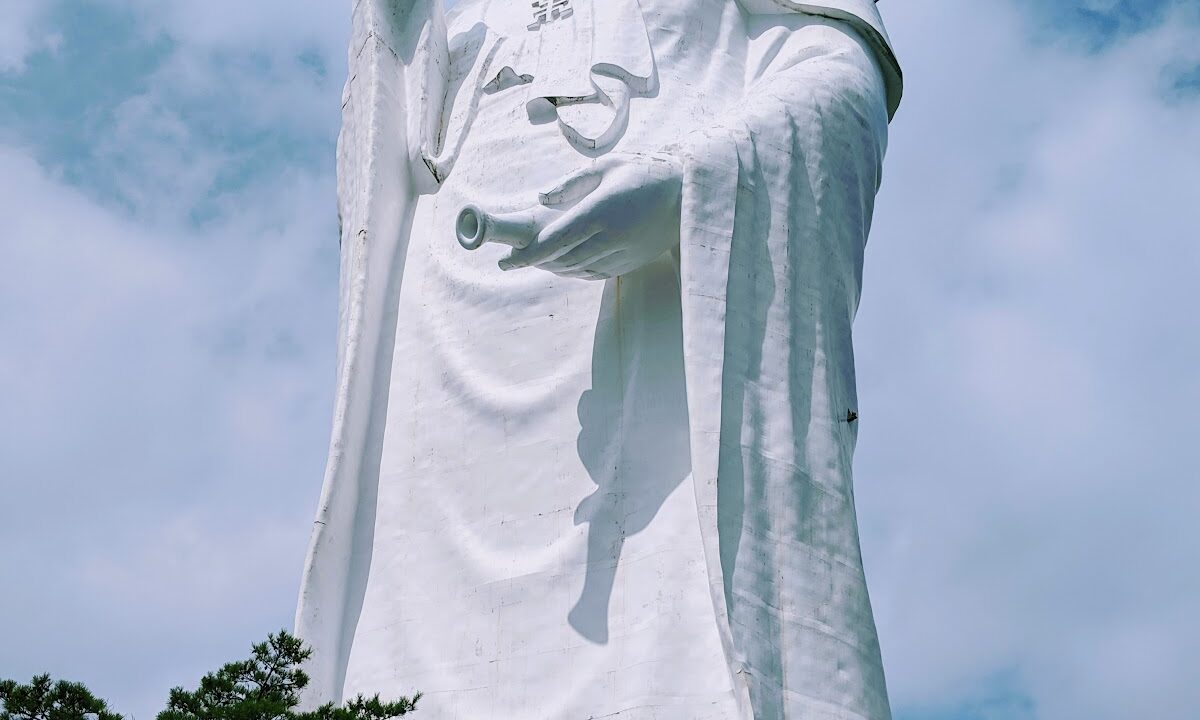
The colossal 100-meter-tall Kannon statue, “Sendai Daikannon (Sendai Tendō Byakue Daikannon),” towering within the temple grounds, is widely known as one of Miyagi Prefecture’s most prominent landmarks, and this statue has become the temple’s common name. Located in the hilly area of Izumi Ward in northern Sendai City, its imposing presence, visible from afar, makes it truly a symbol of Sendai.
The History of Daikanmitsuji Temple: Establishment and Development
Founding and the Birth of the Sendai Daikannon
The history of Daikanmitsuji Temple is relatively recent, having been founded during the Showa and Heisei periods. The temple’s construction stemmed from a growing demand for a spiritual center alongside the region’s development. In Izumi Ward, a rapidly developing area, the construction of a temple as a place of worship was planned.
The Sendai Daikannon (official name: Sendai Tendō Byakue Daikannon) was completed in 1991. Its overwhelming scale, reaching a height of 100 meters (including the pedestal), attracted attention as one of the largest Kannon statues in Japan at the time. This statue was not merely a tourist attraction, but was built to embody the teachings of Shingon Esoteric Buddhism and to bring compassion and salvation to many people.
From a Tourist Spot to a Local Center of Faith
Initially, the temple attracted many visitors, mainly tourists, but today it has increasingly become a center of faith for local residents. As a Shingon Chizan-ha esoteric Buddhist temple, we conduct regular religious services, prayers, and annual events, engaging in activities deeply rooted in the local community.
Since the Heisei era, we have deepened our ties with the local people through annual events such as New Year’s visits, the Dontosai festival, and the Spring Equinox joint memorial service. While also serving as a tourist attraction, we continue to provide peace of mind and spiritual support to our visitors as a genuine temple practicing the teachings of Shingon Esoteric Buddhism.
Sendai Tendo Byakue Daikannon: A Kannon Statue of Overwhelming Scale
Structure and Characteristics of the Kannon Statue
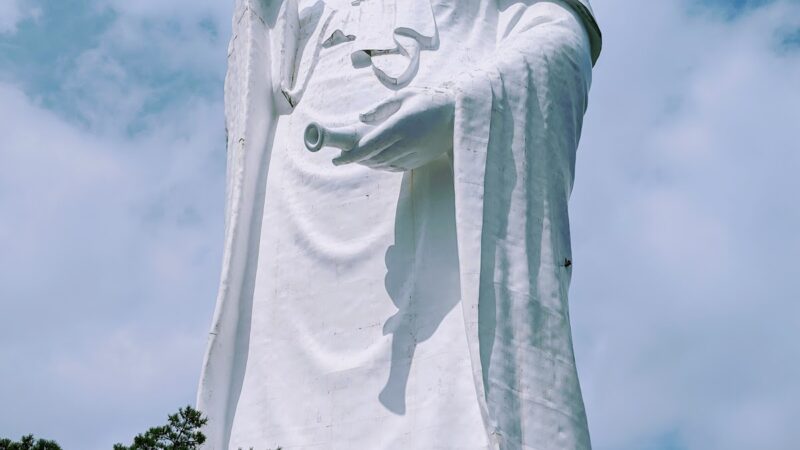
The most striking feature of the Sendai Daikannon is its overwhelming height. Including the base, it reaches approximately 100 meters from the ground, boasting a scale comparable to a skyscraper. The figure of Kannon, clad in white robes, resonates with many people as a symbol of compassion and salvation.
Holding a wish-fulfilling jewel (Nyoi Hoju) in her right hand and a water vase (Suibyo) in her left, the statue embodies the essence of Kannon Bodhisattva: granting the wishes of all sentient beings and pouring out pure water to extinguish the flames of worldly desires. Its white exterior is conspicuous even from afar, making it visible from anywhere in Sendai City.
Experiencing the Inside: Encountering 108 Buddha Statues
One of the greatest attractions of the Sendai Daikannon is the experience of exploring its interior. For a 500 yen entrance fee, you can enter the interior of the Kannon statue. You ascend to the 12th floor by elevator, and from there, descending a spiral corridor, you can view 108 Bodhisattva statues enshrined on the walls.
The number 108 represents the number of human desires, and descending while worshipping each Bodhisattva statue symbolizes the purification of one’s desires. Each floor houses a different Buddhist statue, offering a valuable opportunity to experience the worldview of Esoteric Buddhism.
From the top floor, you can enjoy a panoramic view of Sendai city, and on clear days, you can even see the Pacific Ocean. The view from the perspective of Kannon (Goddess of Mercy) will allow you to forget the hustle and bustle of everyday life and provide a special, calming experience.
The Heart of the Kannon and the Hotei Statue
At the center of the Kannon statue is a space called the “Heart of the Kannon,” where the heart of the Kannon is enshrined. This heart corresponds to the heart of Kannon and is a sacred area with deep meaning in Esoteric Buddhism.
Furthermore, the “Hotei Statue” is also enshrined in the Heart of the Kannon. Hotei is known as one of the Seven Lucky Gods and is a symbol of good fortune and harmony. Visitors can actually touch the Hotei statue and are believed to receive its blessings. It is said that stroking the belly area in particular will bring good fortune in relationships and wealth, and many visitors touch it while making their wishes.
Abura-kake Daikokuten: A Matchmaking Spot Known for its Unusual Worship Method
Origin and Belief of Abura-kake Daikokuten
Within the grounds of Daikanmitsuji Temple lies an unusual object of worship: “Abura-kake Daikokuten.” While Daikokuten is widely worshipped as the god of wealth and abundance, this Abura-kake Daikokuten is particularly believed to bring good fortune in finding a partner, business prosperity, and increased wealth.
The unique worship method of “pouring oil” is one of the ancient forms of worship. Oil is the raw material for lamps and also symbolizes the light that illuminates Buddha. The belief is deeply rooted that pouring oil on Daikokuten increases its merit and makes wishes more likely to come true.
How to Perform Abura-kake Worship
To worship Abura-kake Daikokuten, follow these steps: First, receive the special oil at the reception. Next, clasp your hands together in front of the Daikokuten statue and silently recite your wish. Afterward, oil is carefully poured onto the statue of Daikokuten using a ladle.
The oil enhances the statue’s brilliance, and its luster speaks to the depth of the worshippers’ faith. Over many years, numerous worshippers have poured oil on the statue, resulting in a unique sheen and a mystical atmosphere.
The temple attracts many worshippers seeking good fortune, particularly those wishing to find love, start new businesses, or improve their relationships. It is also an important pilgrimage site for business owners hoping for prosperity and those seeking to find good business partners.
Highlights and Facilities on the Temple Grounds
Main Hall and Esoteric Buddhist Rituals
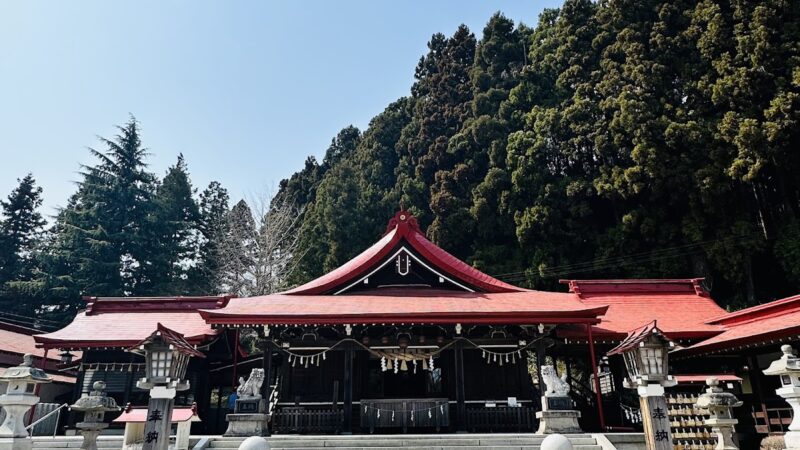
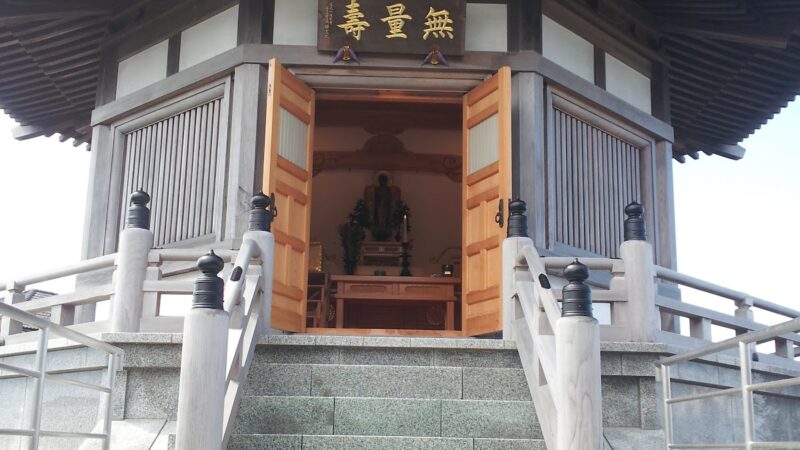
While Daikanmitsuji Temple is famous for its large Kannon statue, the main hall is also an important facility as an official temple of the Shingon Chizan sect. Daily services are held in the main hall, and regular ceremonies and prayers are performed.
Rituals such as the Goma fire ritual, characteristic of Shingon Esoteric Buddhism, are also performed, allowing worshippers to experience the solemn atmosphere of Esoteric Buddhism. Especially during annual events, many parishioners and believers gather to offer prayers together.
Other Temple Facilities
Besides the Sendai Daikannon, various other Buddhist statues and stone monuments are located within the temple grounds. There is also a sand-treading area representing the Shikoku 88 Temple Pilgrimage, allowing those unable to travel the pilgrimage to accumulate similar merit.
A parking lot is also available, making it convenient for visitors by car. The gift shop offers Goshuin (temple stamps), various amulets, and Buddhist implements, which can be taken home as souvenirs of the visit or as proof of faith.
Annual Events and Memorial Services
New Year’s Visit and Prayers
Daikanmitsuji Temple receives many visitors for New Year’s prayers every year. The temple grounds are bustling with worshippers praying for happiness and safety in the new year, and people can be seen making New Year’s resolutions before the Daikannon. Special memorial services are also held from New Year’s Day through the third day of the year.
Dontosai Festival (Pine Burning Festival)
Held in mid-January, the Dontosai Festival is a traditional event where New Year’s decorations and amulets are burned. People bring old amulets and protective arrows, burning them with gratitude and praying for good health throughout the year.
Spring and Autumn Equinox Joint Memorial Service
During the spring and autumn equinoxes, a joint memorial service is held for ancestors. Along with Shingon Buddhist chanting, memorial services are offered for the deceased, and many parishioners and visitors pray for gratitude and the peaceful repose of their ancestors.
Other Annual Events
The temple also has a rich array of annual events as a Buddhist temple, including the Flower Festival (Buddha’s Birthday Celebration), Obon Festival, and the ringing of the temple bell on New Year’s Eve. These events deepen the temple’s ties with the local community.
Goshuin (Temple Seals) and Offerings
Types and Characteristics of Goshuin
Daikanmitsuji Temple offers several types of goshuin. In addition to the basic Daikanmitsuji Temple goshuin, you can receive different goshuin depending on the place and purpose of your visit, such as the Sendai Daikannon goshuin and the Abura-kake Daikokuten goshuin.
The goshuin features the temple name, the name of the principal deity, and the date of visit, all written in ink and stamped with a red seal. The calligraphy and composition are carefully crafted, making them popular among goshuin collectors. Seasonal and limited-edition goshuin for special events are also sometimes offered.
Amulets and Lucky Charms
The temple’s office offers a variety of amulets and lucky charms. A diverse range of amulets are available to suit various purposes, including traffic safety, family safety, academic success, and business prosperity.
Particularly popular are amulets for finding a good partner, associated with Abura-kake Daikokuten, and amulets of Kannon, believed to bestow the compassion of the Sendai Daikannon. As befits a Shingon Buddhist temple, they also offer esoteric Buddhist talismans and amulets inscribed with Sanskrit characters.
Access Information: How to Get to Daikanmitsuji Temple
Access by Public Transportation
From JR Sendai Station
- By Bus: Take the bus bound for “Izumi Village” from bus stop #14 at the Sendai Station West Exit bus pool, get off at the “Sendai Daikannon-mae” bus stop, and walk for about 1 minute.
- Travel Time: Approximately 40-50 minutes
- By Taxi: Approximately 30 minutes
By Subway
- Get off at “Izumi-Chuo Station” on the Sendai Subway Namboku Line, then take a taxi or bus for about 15 minutes.
Access by Car
From Sendai Airport
- Approximately 40 minutes by car (via Sendai Eastern Expressway and Tohoku Expressway)
From Tohoku Expressway
- Approximately 10 minutes from Izumi IC
- Approximately 5 minutes from Izumi PA Smart IC
Parking
- Free parking available (approximately 100 regular cars)
- Large buses can be parked.
Address and Basic Information
- Address: 〒981-3213 31-36 Nakayama-Minami, Jitsuzawa, Izumi-ku, Sendai City, Miyagi Prefecture
- Phone: 022-278-3331
- Visiting Hours: Usually 9:00 AM – 4:00 PM (may vary depending on the season)
- Admission Fee: Adults 500 yen, Elementary and Junior High School Students 200 yen (Admission fee for viewing the interior of the Great Kannon statue)
- Closed Days: Irregular (advance confirmation recommended)
Combine with nearby tourist spots
Izumigatake
Izumigatake, located about 20 minutes by car from Daikanmitsuji Temple, is a mountain beloved by Sendai residents. It offers opportunities for hiking, skiing, and enjoying the changing seasons, making it ideal for a one-day sightseeing plan combined with a visit to Daikanmitsuji Temple.
Izumi Premium Outlets
This outlet mall in Izumi-ku offers shopping opportunities. Located about 10 minutes by car from Daikanmitsuji Temple, it’s a convenient stop after your visit.
Sightseeing in Sendai City
Around Sendai Station, there are many tourist attractions, including the ruins of Sendai Castle (Aoba Castle), Zuihoden Mausoleum, and the Sendai City Museum. A popular plan is to visit Daikanmitsuji Temple in the morning and then sightsee in the city in the afternoon.
Manners and Precautions for Visiting
Clothing and Belongings
The interior of the Daikannon statue has many stairs and requires descending a spiral corridor, so comfortable shoes and clothing are recommended. Especially for the elderly and those with mobility issues, it is important to proceed slowly while using the handrails.
Photography
Photography is permitted within the temple grounds and on the exterior of the Daikannon, but there are areas where photography is prohibited, such as the Buddha statues inside and the sacred body. Please observe photography etiquette and be considerate of other visitors.
Etiquette for Visiting
As this is a Shingon Buddhist temple, it is important to observe the proper etiquette of gassho (palms together in prayer). In front of the main hall and the Daikannon, quietly join your hands and pray with sincerity. Respecting the solemn atmosphere of this esoteric Buddhist temple, visitors are requested to refrain from noisy behavior.
The Present and Future of Daikanmitsuji Temple
Coexistence with the Local Community
Daikanmitsuji Temple is currently developing as a temple that serves both as a tourist attraction and a center of local faith. While facing the challenge of declining tourism, it is strengthening its ties with local residents and walking the path of a full-fledged temple that practices the teachings of Shingon Esoteric Buddhism.
By developing activities rooted in the local community, such as establishing a danka (parishioner) system, enriching regular memorial services, and participating in local events, the temple aims for sustainable temple management.
Value as a Cultural Asset
The Sendai Daikannon (Great Kannon of Sendai) possesses cultural and historical value as a record of the construction of large Buddhist statues in Japan in the early Heisei period. As an important entity that conveys architectural techniques and forms of faith, it is expected to be recognized as a cultural asset in the future.
Response to International Tourism
In recent years, there has been an increase in foreign tourists, and efforts are being made to provide multilingual support and international information. It also plays a role as a destination for inbound tourism, offering a place to experience Japanese Buddhist culture. ## Summary: The Charm and Significance of Visiting Daikanmitsuji Temple
Located in Izumi Ward, Sendai City, Miyagi Prefecture, Daikanmitsuji Temple is a Shingon-shu Chizan-ha esoteric Buddhist temple boasting a 100-meter-tall Sendai Daikannon statue. Its overwhelming scale and unique form of worship leave a profound impression on visitors.
Encountering the 108 Bodhisattva statues through the inner sanctuary, the unique method of worshipping the Abura-kake Daikokuten, and the solemn atmosphere of Shingon esoteric Buddhism offer a precious experience unlike any other. Beyond its appeal as a tourist spot, it serves as a sanctuary for those seeking inner peace and spiritual support as an authentic esoteric Buddhist temple.
When visiting Sendai, be sure to visit Daikanmitsuji Temple, experience the compassion of Kannon, and offer a quiet prayer. That experience will surely become an unforgettable memory.