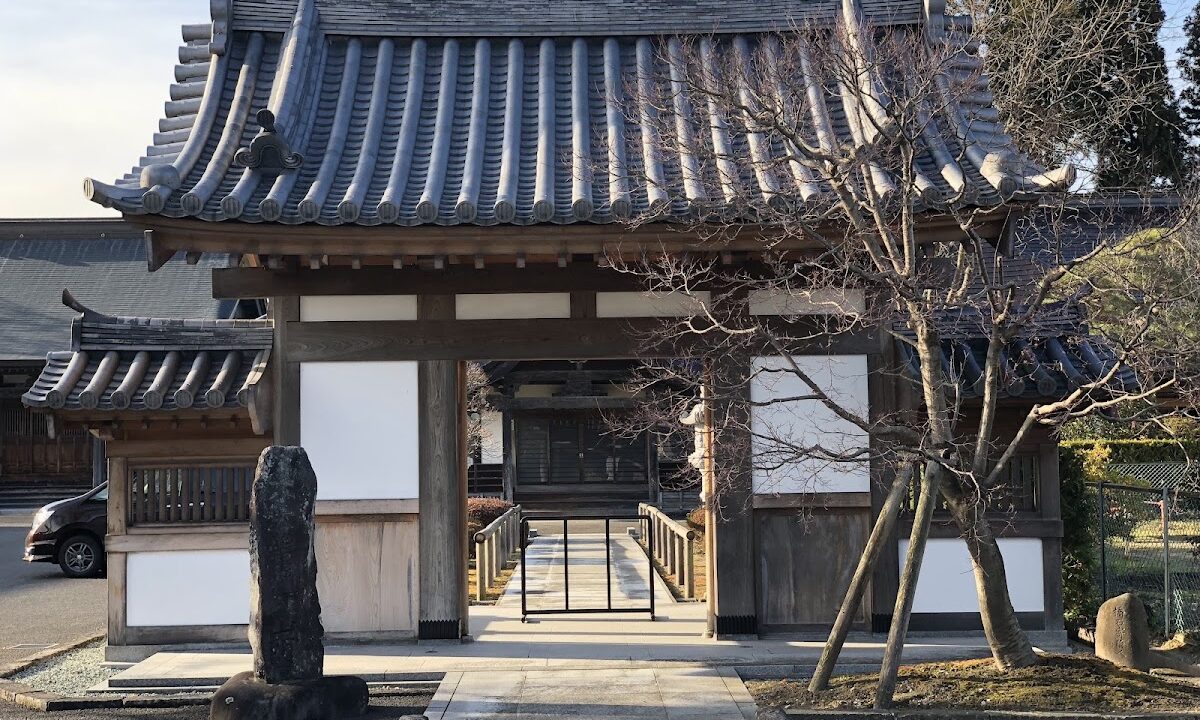
Mankoji Temple (Izumi Ward, Sendai City, Miyagi Prefecture) Complete Guide | History, Access, Goshuin (Temple Seal), and Perpetual Memorial Service Information
Mankoji Temple is a Soto Zen Buddhist temple located in Nejiroishi, Izumi Ward, Sendai City, Miyagi Prefecture. Situated in a naturally rich environment overlooking Mount Izumigatake, it is a historic temple said to have been founded in 1382 (Eitoku 2), and is cherished by the local community. This article comprehensively introduces information you should know before visiting Mankoji Temple, including its history, highlights, access methods, goshuin (temple seal), and memorial service options such as perpetual memorial services and tree burials.
Basic Information about Mankoji Temple
Mankoji Temple is a Soto Zen Buddhist temple located at 27 Nishikami, Nejiroishi-cho, Izumi Ward, Sendai City. It is approximately a 20-minute taxi ride from Izumi-Chuo Station and is situated in a quiet environment in the Nejiroishi area.
Location and Contact Information
- Location: 27, Machi-Nishikami, Nebaishi, Izumi-ku, Sendai City, Miyagi Prefecture
- Sect: Soto Zen
- Opening Hours: 9:00 AM – 5:00 PM (Visiting Hours)
- Nearest Stations: Izumi-Chuo Station (Sendai City Subway Namboku Line), Rikuzen-Ochiai Station and Tohoku Fukushi University Station (JR Senzan Line)
About Soto Zen
The Soto Zen sect, to which Mankoji Temple belongs, is a branch of Zen Buddhism introduced to Japan by Zen Master Dogen during the Kamakura period. It is known as a sect that emphasizes “Shikantaza,” that is, simply sitting in meditation. It has approximately 15,000 temples nationwide and is one of the most influential sects in Japanese Buddhism.
The teachings of the Soto Zen school are based on the spirit of “Gyoju-zaga” (walking, standing, sitting, and lying down), which posits that daily life itself is a form of spiritual practice. As a practical form of Buddhism that values daily activities such as eating and cleaning, it has been embraced by many people.
History and Origins of Mankoji Temple
Founding History
Mankoji Temple is said to have been founded in 1382 (Eitoku 2) by Baisetsu Zento of Eitokuji Temple in Iwate Prefecture. This period, the early Muromachi period, was a time when Zen Buddhism was spreading in the Tohoku region.
With a history of over 640 years since its founding, Mankoji Temple has long served as a center of faith in the Nebaishi area, a spiritual haven for the local people. It has continued to uphold its teachings through numerous historical changes, from the Sengoku period, the Edo period, the Meiji Restoration, and up to the present day.
Connection to the Nebaishi Area
Nebaishi is located in the northern part of Sendai City and has long been a settlement centered on agriculture. Mankoji Temple served as the family temple of this area, performing funerals, memorial services, and annual events for the residents, playing a vital role in supporting the community’s unity.
During the Edo period, it was under the control of the Sendai Domain, and while maintaining its status as a temple, it is believed to have also functioned as a center of education and culture in the region.
Mankoji Temple Grounds and Highlights
Yakui Gate
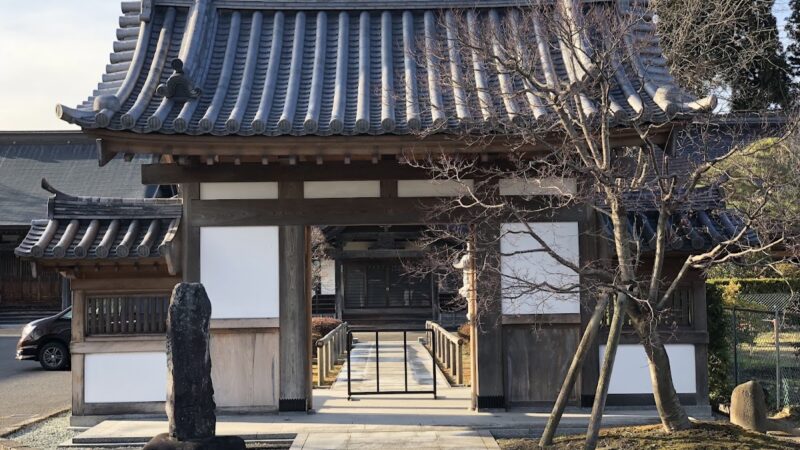
Along the approach to Mankoji Temple is a distinctive Yakui gate. This gate, sometimes described as “like the gate of a rural samurai residence,” has a simple appearance that sets it apart from typical Buddhist architecture, creating a unique atmosphere.
The Yakui gate is a type of gate with supporting pillars behind the main pillars, and has been used as the main gate of samurai residences and temples. Mankoji Temple’s Yakui gate is a valuable architectural structure that evokes the region’s history and attracts the attention of visitors.
View of Izumigatake Mountain
One of the greatest attractions of Mankoji Temple is the view of Izumigatake Mountain from the temple grounds. Izumigatake is a mountain with an elevation of 1,172 meters, and is known as a familiar mountain to the citizens of Sendai.
From the temple grounds, you can admire the ever-changing appearance of Izumigatake Mountain throughout the seasons, experiencing the fresh greenery of spring, the deep green of summer, the autumn foliage, and the snowy landscape of winter, while offering your prayers amidst the changing seasons. This open and beautiful environment provides a calming atmosphere, offering time for quiet self-reflection.
Main Hall and Temple Facilities
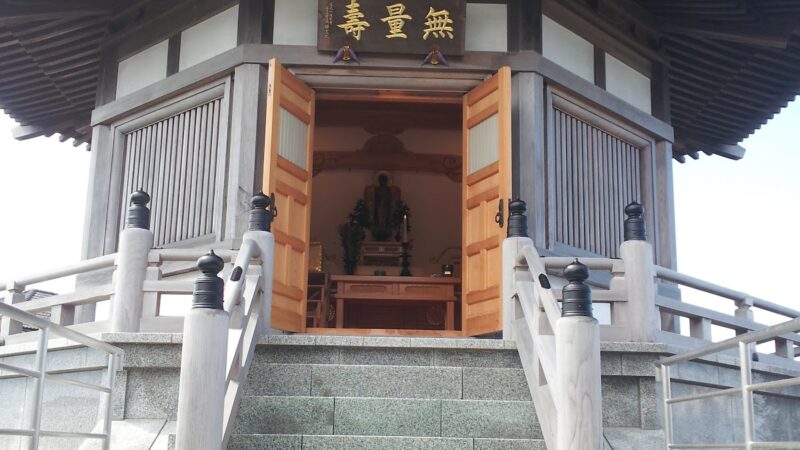
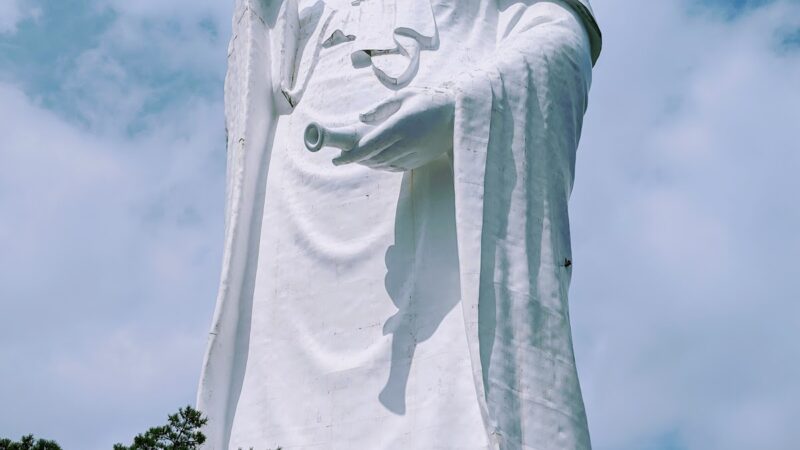
Mankoji Temple’s main hall enshrines Kannon Bodhisattva. Kannon Bodhisattva is one of the most widely worshipped deities in Japanese Buddhism, revered as a compassionate bodhisattva who hears the cries of suffering beings and offers salvation.
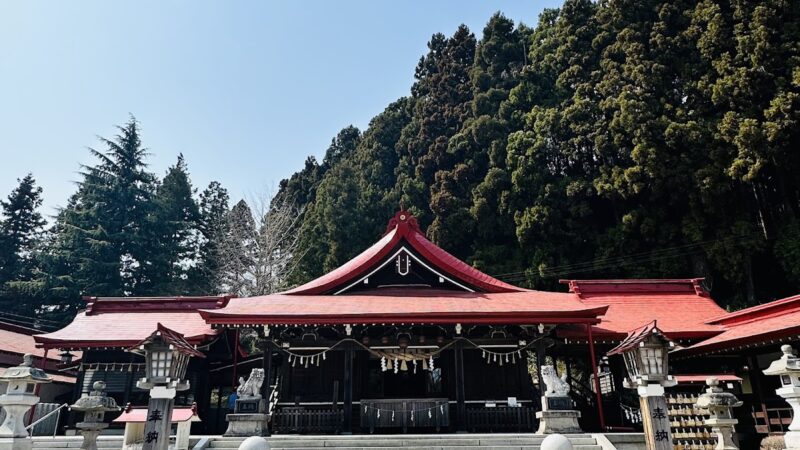
The temple grounds are meticulously maintained, allowing for a tranquil and peaceful atmosphere for worship. In addition to the main hall, the temple also has a living quarters (kuri) and a cemetery, making it easily accessible not only to parishioners but also to general visitors.
How to Access Mankoji Temple
Access by Public Transportation
Mankoji Temple is located north of the center of Sendai City. The following are ways to access it using public transportation:
By Subway and Taxi
The most common way to access the temple is by taking a taxi from Izumi-Chuo Station on the Sendai City Subway Namboku Line. The journey from Izumi-Chuo Station to Mankoji Temple takes approximately 20 minutes. The taxi fare is approximately 3,000 yen.
By JR Senzan Line
The nearest stations are Rikuzen-Ochiai Station or Tohoku Fukushi University Station on the JR Senzan Line. However, both stations are a considerable distance on foot, so taking a taxi is recommended.
By Bus
From Izumi-Chuo Station, you can also take a Miyagi Kotsu bus towards Nebaishi. However, since you will need to walk from the bus stop to Mankoji Temple, we recommend checking the timetable and route in advance.
Access by Car
Access by private car is the most convenient.
- From central Sendai: Approximately 30-40 minutes via National Route 4 or prefectural roads
- From Tohoku Expressway: Approximately 20 minutes from Izumi Interchange
There is parking space on the temple grounds, but it may be crowded during memorial services and events, so we recommend checking in advance.
Landmarks in the Surrounding Area
The Nebaishi area is a mix of residential and rural areas. There are few commercial facilities around Mankoji Temple, so we recommend using a car navigation system or a smartphone map app.
Information on Mankoji Temple’s Goshuin (Temple Seal)
Contents of the Goshuin
At Mankoji Temple, you can receive a Goshuin of Kannon Bodhisattva. Goshuin are cherished by many visitors as proof of worship and as an important memento of their connection to Buddhism.
The goshuin (temple stamp) of Soto Zen temples is characterized by its simple yet powerful calligraphy, reflecting the sect’s unique style. The goshuin of Mankoji Temple also exudes a sense of Zen-like simplicity and dignity.
How to Receive a Goshuin
Those wishing to receive a goshuin should inquire at the temple office (kuri) after their visit. Bringing a goshuincho (stamp book) is recommended, but pre-printed goshuin may be available if you do not have one.
Points to Note When Receiving a Goshuin:
- Always receive the goshuin after completing your visit.
- Visit during opening hours (9:00 AM to 5:00 PM).
- Goshuin may not be available during memorial services or other events.
- Prepare the goshuin fee (generally 300-500 yen).
Remember that a goshuin is not merely a commemorative stamp, but a symbol of your connection with Buddha. Receive it with respect.
Mankoji Temple’s Perpetual Memorial Service and Tree Burial
What is a Perpetual Memorial Service?
In modern society, more and more people are choosing perpetual memorial services for reasons such as having no successor to the family grave, living far away and finding it difficult to visit the grave, or not wanting to burden their children.
A perpetual memorial service is a form of memorial service in which the temple takes responsibility for performing memorial services and managing the grave in perpetuity. Often, there are no individual gravestones, and memorial services are performed individually for a certain period (usually until the 13th or 33rd anniversary of death), after which the remains are generally interred together.
Mankoji Temple’s Perpetual Memorial Service
Mankoji Temple accepts requests for perpetual memorial services. Respectful memorial services are performed based on the teachings of the Soto Zen sect, and may be available even to those who are not temple parishioners.
Benefits of Perpetual Memorial Services:
- Peace of mind even without a successor
- No burden of cemetery management or cleaning
- Lower cost than erecting a traditional tombstone
- Many temples accept people of all denominations
About Tree Burial
Mankoji Temple may also accept consultations regarding tree burials. Tree burial is a nature-oriented burial method that uses a tree as a grave marker instead of a tombstone, and has been gaining attention in recent years.
Mankoji Temple, located in a rich natural environment overlooking Izumigatake Mountain, is also suitable for tree burials and would be an attractive option for those who wish to return to nature.
Costs and Application Method
The costs of perpetual memorial services and tree burials vary depending on the type and duration of the service. Generally, perpetual memorial services cost around 300,000 to 1,000,000 yen, and tree burials cost around 200,000 to 800,000 yen, but it is recommended to inquire directly with Mankoji Temple for specific costs.
Those considering applying should first make a reservation to visit the temple grounds, check the atmosphere, and consult with the head priest. Make your decision only after fully understanding the details, costs, and contract terms of the memorial service.
Funerals and Memorial Services at Mankoji Temple
Function as a Temple Funeral Hall
Mankoji Temple also functions as a temple funeral hall, where funerals and memorial services can be held. A key feature of funerals held at a temple is the solemn atmosphere in which the deceased is sent off according to Buddhist customs.
Characteristics of the Funeral
A Soto Zen funeral involves bestowing a posthumous Buddhist name upon the deceased, signifying their entry into the Buddhist world as a disciple. Traditional rituals such as chanting sutras, offering incense, and the funeral rites are performed.
Those wishing to hold a funeral at Mankoji Temple should consult with the temple in advance to confirm the date, scale, and costs. Even those who are not temple parishioners may be able to consult with the temple.
Memorial Services
Mankoji Temple also holds annual memorial services (first anniversary, third anniversary, seventh anniversary, etc.), as well as Obon and Higan memorial services. Ancestor worship is an important practice in Buddhism, and by holding regular memorial services, one expresses gratitude and respect for the deceased.
Attractions around Mankoji Temple
Izumigatake Mountain
Izumigatake Mountain, visible from Mankoji Temple, is a popular mountain for Sendai residents to enjoy hiking and skiing. Many people visit for hiking from spring to autumn, and as a ski resort in winter. Combining a visit to Mankoji Temple with outdoor activities on Izumigatake Mountain is highly recommended.
Nature of the Nebaishi Area
The Nebaishi area is a naturally rich region with sprawling rural landscapes. Driving or strolling while observing the seasonal growth of crops is an excellent opportunity to escape the hustle and bustle of the city and refresh yourself.
Tourist Spots in Izumi Ward, Sendai City
Izumi Ward has various tourist and leisure facilities, including Sendai Yagiyama Benyland, Sendai Izumi Premium Outlets, and Izumigatake Ski Resort. Visiting these facilities in conjunction with a visit to Mankoji Temple will make for a fulfilling day. ## Manners and Precautions When Visiting a Temple
Basic Manners for Visiting a Temple
When visiting a temple, please observe the following basic manners:
- Attire: Modest, understated clothing is preferable.
- Bow at the Temple Gate: Bow before entering the temple grounds.
- Quietness: Be quiet within the temple grounds and refrain from loud conversations.
- Photography: Permission may be required to photograph the interior of the main hall or Buddha statues.
- Offering: Offer with gratitude.
- Praying with Hands Clasped: Pray before the Buddha.
Soto Zen Temple Visiting Etiquette
In the Soto Zen sect, the following etiquette is followed when visiting a temple.
- Bow before the main hall.
- Quietly offer your donation.
- Bow with hands clasped together.
- Pray silently in your heart while keeping your hands clasped.
- Bow while keeping your hands clasped.
- Lower your hands and bow.
- Quietly leave.
Notes for Visitors
- Opening Hours: Visit between 9:00 and 17:00.
- Checking for Services: Avoid visiting on days with major memorial services or events.
- Parking: When using the parking spaces on the temple grounds, be considerate of other visitors.
- Garbage: Always take your garbage home.
- Pets: Refrain from bringing pets onto the temple grounds, or check in advance.
Annual Events at Mankoji Temple
Main Buddhist Events
Mankoji Temple, a Soto Zen Buddhist temple, holds various Buddhist events throughout the year.
- Shushōe: New Year’s memorial service (January)
- Haru Higan-e: Spring equinox memorial service (March)
- Hanamatsuri (Kanbutsu-e): Celebrating the birth of Buddha (April 8th)
- Urabon-e: Obon memorial service (August)
- Aki Higan-e: Autumn equinox memorial service (September)
- Kaisan-ki: Memorial service held on the anniversary of the founder’s death
By participating in these events, you can experience Buddhist teachings and feel the changing seasons.
Relationship with Soto Zen Temples in Miyagi Prefecture
There are numerous Soto Zen temples in Miyagi Prefecture, each functioning as a center of local faith. Mankōji Temple is one of them, maintaining its lineage while interacting with other Soto Zen temples within the prefecture’s network.
Sendai City is home to numerous historic Soto Zen temples, including Dainenji, Youunji, and Ryounin, each possessing its own unique history and characteristics. A “temple tour” of these temples would be a fascinating experience for learning about Sendai’s history and culture.
Summary: The Charm of Mankoji Temple
Mankoji Temple is a historic Soto Zen temple founded in 1382 (Eitoku 2), located in Nebaishi, Izumi-ku, Sendai City, Miyagi Prefecture. Situated in a beautiful natural environment overlooking Mount Izumigatake, it is a cherished place for quiet worship, beloved by the local community.
The main hall enshrining Kannon Bodhisattva, the simple Yakuimon gate, and above all, the open and peaceful atmosphere of the temple grounds leave a deep impression on visitors. While meeting modern needs such as receiving Goshuin (temple stamps), offering consultations on perpetual memorial services and tree burials, and conducting funerals and memorial services, the temple continues to uphold the traditional teachings of Soto Zen Buddhism.
While it’s a bit of a distance from the city center of Sendai, this means you can escape the hustle and bustle of the city and have time to quietly reflect on yourself. Why not combine a visit to Mankoji Temple with a sightseeing trip or drive to Izumigatake? By experiencing the tranquil atmosphere of this ancient temple with over 640 years of history, you can escape the hustle and bustle of everyday life and find inner peace.
Those considering a visit should check the opening hours (9:00 AM to 5:00 PM) and observe proper etiquette. For more information about perpetual memorial services, tree burials, funerals, etc., we recommend contacting the temple directly.