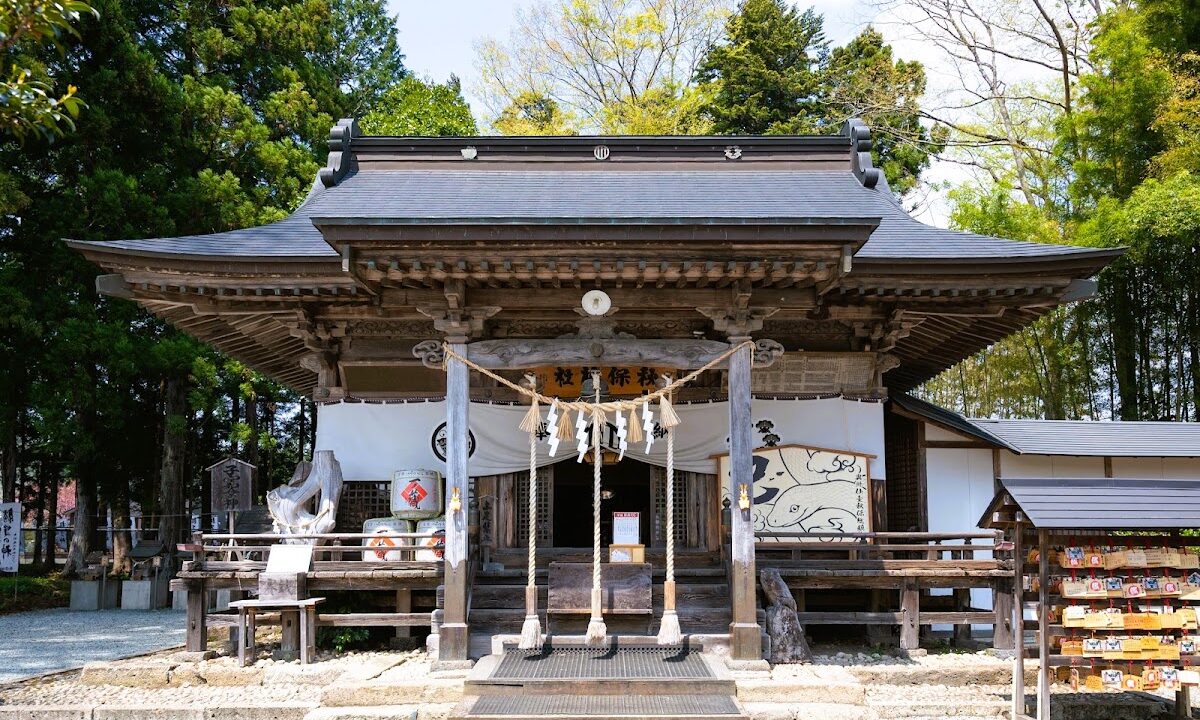
Myosenji Temple (Sendai City, Miyagi Prefecture) Complete Guide | History, Access, and Highlights Explained in Detail
About Myosenji Temple
Myosenji Temple is a Soto Zen Buddhist temple located in Taihaku Ward, Sendai City, Miyagi Prefecture. Founded during the Shoho era (1644-1647), it is a historic temple cherished by the local community. Initially named “Kumabayashi-ji,” it was later renamed “Myosenji.”
Nestled in a quiet residential area, this temple boasts a long history dating back to the early Edo period and serves as a valuable cultural asset and a center of local faith within Sendai City.
History and Origins of Myosenji Temple
Founding and First Abbot
Myosenji Temple was founded during the Shoho era (1644-1647) by Abbot Tamashuku. This period marked a time of stability for the Edo shogunate, and the development of temples and shrines was progressing within the Sendai domain.
Initially known as Kumabayashi-ji, it began as a small local Zen temple. While detailed records of the founding abbot, Gyokushuku, are scarce, he is believed to have played a crucial role in spreading the teachings of the Soto Zen sect in the region.
Restoration and Change of Temple Name
A major turning point for the temple occurred in Tenpo 3 (1683). Abbot Tsugan Hoten of Daian-ji Temple undertook the restoration of Myosen-ji (then Kumabayashi-ji), dedicating himself to the temple’s revival.
It is believed that the temple’s name was changed from “Kumabayashi-ji” to “Myosen-ji” during or around this restoration. There are various theories regarding the detailed reasons for the name change, but it may have been related to local place names, water systems, or had religious significance.
From the Edo Period to the Present
Throughout the Edo period, Myosen-ji served as the family temple of the region, attracting the faith of its parishioners. The impact of the anti-Buddhist movement after the Meiji Restoration was relatively minor, and the temple continued to function.
Even as times have changed from the Showa to the Heisei and Reiwa eras, Myogawa-ji Temple has been carefully preserved as a spiritual pillar of the local community and as a cultural asset that tells the story of history.
Highlights of the Temple Grounds
Main Gate
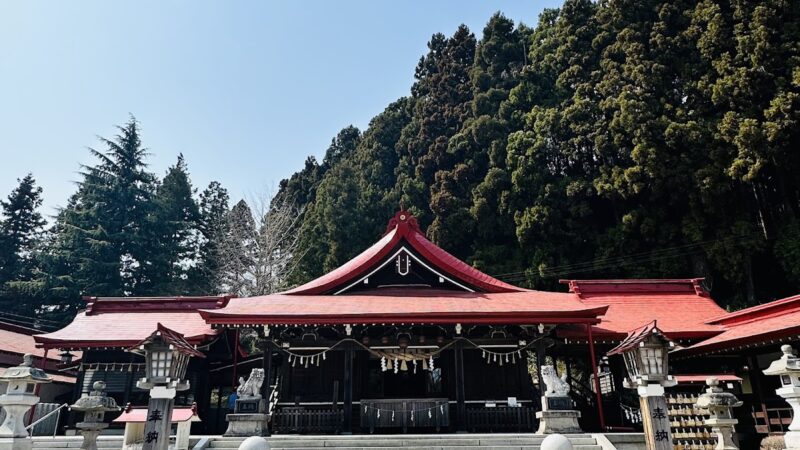
The main gate adorning the entrance to Myogawa-ji Temple quietly welcomes visitors. Its simple yet dignified construction evokes the history of the temple, which dates back to the Edo period. Passing through the gate, one enters a tranquil space far removed from the hustle and bustle of everyday life.
Main Hall
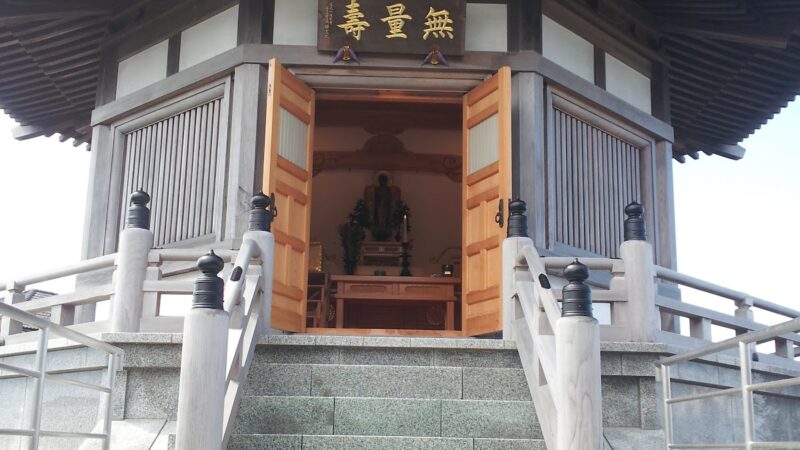
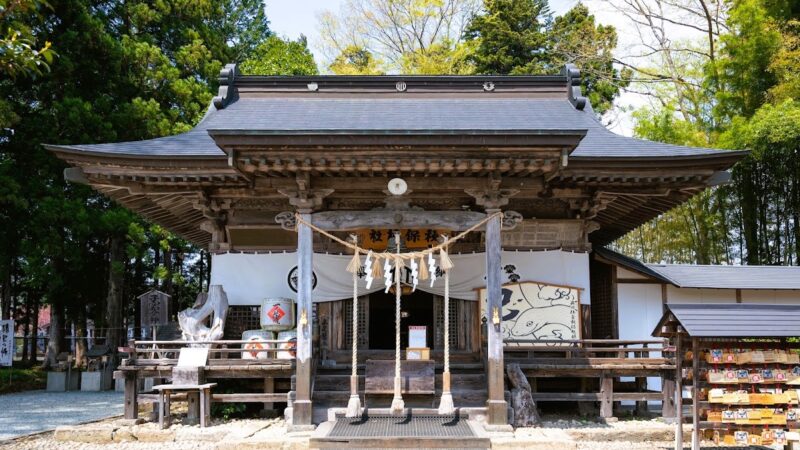
Located beyond the main gate, the main hall is the central building of Myogawa-ji Temple. It possesses a solemn atmosphere characteristic of a Soto Zen temple, and daily services and religious ceremonies are held here.
The main hall houses the principal image of worship, serving as a place of reverence for parishioners and visitors. The architectural style is based on traditional Japanese architecture, allowing one to appreciate the beauty of wooden construction.
Atmosphere of the Temple Grounds
Despite being located in an urban area, the grounds of Myogawa-ji Temple are a calm space surrounded by greenery. The meticulously maintained gardens and trees display different expressions throughout the seasons, providing tranquility to visitors.
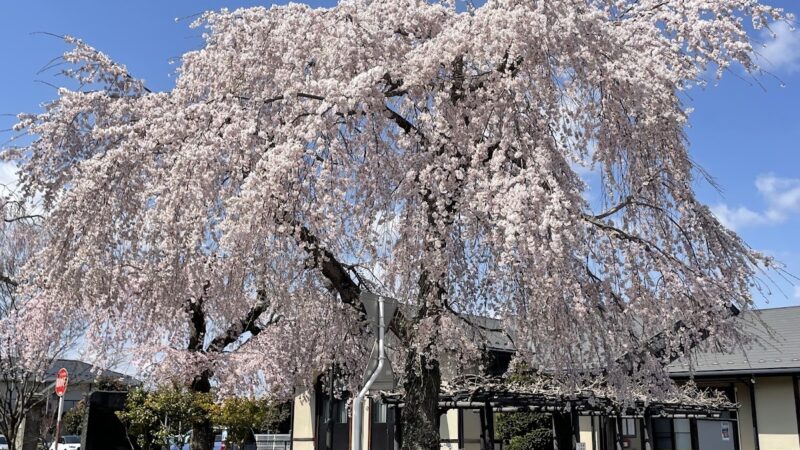
Especially during the cherry blossom season in spring and the autumn foliage season, the temple grounds are beautifully colored, allowing visitors to fully appreciate the charm of a temple in harmony with nature.
About the Soto Zen School
The Soto Zen School to which Myokawa-ji Temple belongs is a branch of Zen Buddhism in Japan, founded by Zen Master Dogen.
Characteristics of the Soto Zen School
- Shikantaza: Emphasis is placed on simply and wholeheartedly practicing seated meditation.
- Shusho Itto: The teaching that practice and enlightenment are not separate but one and the same.
- Nichijo Soku Shugyo: The idea that everything in daily life, such as eating and cleaning, is practice.
In Soto Zen temples, practical training centered on seated meditation is highly valued, and Myokawa-ji Temple also holds seated meditation sessions for parishioners and local residents.
Access Information
Location
〒982-0xxx Taihaku-ku, Sendai City, Miyagi Prefecture
(For the detailed address, please contact the temple directly.)
Access by Public Transportation
- Sendai City Subway: Walking distance or bus ride from the nearest station
- Sendai City Bus: Within walking distance from the nearest bus stop
Please check the latest transportation information before your visit for specific routes and travel times.
Access by Car
The temple is approximately 20-30 minutes by car from the center of Sendai City. We recommend contacting the temple in advance regarding parking availability and capacity.
Manners and Precautions for Visiting a Temple
Basic Manners for Visiting a Temple
- Bow at the Temple Gate: Bow before entering the temple grounds.
- Be Quiet: Be quiet within the temple grounds and be considerate of other visitors.
- Photography: Be aware that photography is prohibited in some areas, such as inside the main hall.
- Attire: Modest, understated clothing is preferable.
Proper Way to Visit a Temple
General Proper Way to Visit a Soto Zen Temple:
- Straighten your posture in front of the main hall.
- Join your hands in prayer and bow.
- Pray quietly and sincerely.
- Join your hands in prayer again and bow.
- Quietly leave.
About Goshuin (Temple Seals)
It is recommended to check with Myogawa-ji Temple in advance to see if they offer Goshuin. Goshuin are not merely stamps, but rather a token of respect for your visit.
Etiquette for Receiving a Goshuin (Temple Stamp)
- Request a Goshuin after completing your prayers.
- Prepare a Goshuincho (stamp book) (avoid using notebooks for other purposes).
- Prepare the Goshuin fee (usually around 300-500 yen).
- Request using polite language.
- Wait quietly while the stamp is being written.
Annual Events and Memorial Services
As a Soto Zen temple, Myokawa-ji holds various memorial services and events throughout the year.
Main Annual Events (General Examples)
- Shushōe: New Year’s memorial service (January)
- Shunki Higane: Spring equinox memorial service (March)
- Segakie: Ancestor memorial service (Summer)
- Autumn equinox: Autumn equinox memorial service (September)
- Kaisanki: Memorial service for the founding priest
For specific dates and whether general participation is permitted, please contact the temple directly.
Nearby Attractions
Temples and Shrines in Taihaku Ward
In addition to Myōgawa-ji Temple, there are many other historical temples and shrines scattered throughout Taihaku Ward in Sendai City. When enjoying a temple and shrine tour, it’s a good idea to visit several temples.
Tourist Attractions in Sendai
In addition to visiting Myogawa-ji Temple, you can also enjoy sightseeing in Sendai:
- Zuihoden: Mausoleum of Date Masamune
- Sendai Castle Ruins (Aoba Castle Site): Site of Date Masamune’s residence
- Osaki Hachimangu Shrine: Shrine with a National Treasure designated building
- Rinno-ji Temple: Temple associated with the Date family
Temple Culture in Sendai
Sendai Domain and Temples
During the Edo period, many temples were built in Sendai as a castle town of the Date family of the Sendai Domain. Myogawa-ji Temple was also founded during this period and played an important role in the religious policies of the domain.
The Role of Temples in Modern Times
In modern Sendai, local temples like Myogawa-ji Temple fulfill diverse roles such as:
- Functioning as a family temple for parishioners
- A spiritual pillar for the local community
- A successor to historical and cultural heritage
- A place of solace for those seeking peace of mind
Zen Meditation Experience at Myokawa-ji Temple
Myokawa-ji Temple, a Soto Zen Buddhist temple, may hold Zen meditation sessions. Zen meditation is a valuable opportunity to calm the mind and confront oneself.
Effects of Zen Meditation
- Mental stability and stress reduction
- Improved concentration
- Deeper self-awareness
- Improved posture
Please contact the temple directly regarding the schedule of Zen meditation sessions and how to participate. Beginners are often given careful instruction.
The Danka System and Temple Management
Myokawa-ji Temple is supported by the Danka system. A Danka is a family that supports a specific temple as their family temple and requests funeral and memorial services from it.
How to Become a Danka
If you wish to become a Danka, you should start by consulting with the temple. Benefits of becoming a Danka include:
- The ability to request ancestral memorial services
- The ability to have funerals and memorial services conducted
- The possibility of using the temple cemetery
- The ability to participate in temple events
These are some of the benefits. On the other hand, it also comes with responsibilities such as paying temple fees and cooperating with temple events.
About Taihaku Ward, Sendai City
Taihaku Ward, where Myogawa-ji Temple is located, is one of the five administrative districts that make up Sendai City.
Characteristics of Taihaku Ward
- Population: Approximately 230,000 (the second most populous district in Sendai City)
- Topography: A mix of hilly and flat areas
- History: Coexistence of old settlements and newly developed residential areas
- Nature: Includes areas rich in nature, such as Akiu Onsen and Mount Taihaku
While developing as a residential area, Taihaku Ward carefully preserves historical temples and shrines like Myogawa-ji Temple, creating a region where tradition and modernity harmonize.
Myogawa-ji Temple’s Relationship with the Community
Participation in Community Events
As a local temple, Myogawa-ji Temple actively participates in community events and activities. It engages in community contributions that go beyond religious activities, such as Bon Odori (traditional Japanese dance festival), community cleanups, and disaster prevention drills.
Cultural Value
With a history spanning over 370 years, Myogawa-ji Temple is a valuable cultural asset in the history of Sendai City. Its buildings, temple treasures, and ancient documents are important resources for local history research.
Notes for Visitors
Visiting Hours
While most temples are open during the daytime (generally from 9:00 AM to 5:00 PM), it is recommended to check Myogawa-ji Temple’s specific visiting hours in advance.
Considerations During Ceremonies and Events
If a memorial service or funeral is being held, general visitors should refrain from visiting or behave quietly. Please check the situation before entering the temple grounds.
Seasonal Clothing
- Spring/Autumn: Daytime temperatures are mild, but mornings and evenings can be chilly.
- Summer: Sendai is relatively pleasant, but sun protection is necessary.
- Winter: Be careful of snow and ice as footing is required.
Summary of Myogawa-ji Temple’s Charms
Myogawa-ji Temple’s greatest charm lies in its history, which dates back to the early Edo period, and its role as a place of worship deeply rooted in the community, continuing to this day.
Reasons to Visit
- The Weight of History: As an ancient temple founded during the Shoho era (1644-1647), you can experience over 370 years of history.
- A Tranquil Space: Despite being in an urban area, the temple grounds offer a calming environment.
- The Teachings of the Soto Zen School: You can experience the spirit of Zen, centered on seated meditation.
- Local Culture: A gateway to the history and culture of Sendai and Taihaku Ward.
- Architectural Beauty: The beauty of traditional temple architecture.
Summary
Meikawa-ji Temple is an ancient Soto Zen temple located in Taihaku Ward, Sendai City, Miyagi Prefecture. It was founded during the Shoho era (1644-1647) by Abbot Tamashuku and was originally called Kumabayashi-ji Temple. In 1683 (Tenpo 3), it was restored by Abbot Tsugan Hoten of Daian-ji Temple, and adopted its current name.
With a history spanning over 370 years, this temple serves as the family temple of the region, attracting the faith of its parishioners and carefully preserved as a valuable cultural asset that tells the history of Sendai City. The temple grounds, from the main gate to the main hall, are enveloped in tranquility, offering peace of mind to visitors.
When visiting Sendai, visiting not only famous tourist spots but also historically significant temples rooted in the community, such as Myogawa-ji Temple, will allow you to experience the local culture and history more deeply. Experiencing the teachings of the Soto Zen sect and spending time in the quiet temple grounds will be a precious experience, a respite from the hustle and bustle of modern life.
When planning a visit, it is recommended to contact the temple in advance to confirm visiting hours and event schedules. By observing proper etiquette and visiting quietly, you will be able to more deeply appreciate the history and spirituality of Myogawa-ji Temple.