Complete Guide to Saikoji Temple (Otaki Fudōdō) | History, Highlights, and Access to Akiu Otaki Fudōson in Sendai City, Miyagi Prefecture
Saikoji Temple (Otaki Fudōdō), located in Baba, Akiu-machi, Taihaku-ku, Sendai City, Miyagi Prefecture, is a Shingon sect Chizan-ha temple situated right next to Akiu Otaki, one of Japan’s three most famous waterfalls. Its official name is “Takimoto-san Saikoji,” and it is affectionately known as Akiu Otaki Fudōson by the local people. As the 29th temple on the Tohoku Thirty-Six Fudōson Pilgrimage, it is known as a power spot visited by many worshippers and tourists.
This article provides detailed information about Saikoji Temple (Otaki Fudōdō), including its history, highlights, visiting information, and access methods—everything you need to know before visiting.
About Saikoji Temple (Otaki Fudōdō)
Saikoji Temple is a Shingon sect Chizan-ha temple located at the entrance to Akiu Great Falls, and it has the Otaki Fudōdō as its attached Buddhist hall. Within the temple grounds is a colossal seated statue of Fudō Myōō, measuring 3.3 meters in height, 5.1 meters in circumference, 7.2 meters in circumference at the knees, and with flames reaching 5 meters in height. Its imposing presence overwhelms visitors.
Akiu Great Falls is a scenic spot boasting a drop of 55 meters and is selected as one of Japan’s Top 100 Waterfalls. Saikoji Temple, integrated with this magnificent natural landscape, is considered one of the most powerful spiritual spots in Tohoku, and is believed to offer many blessings, including matchmaking, successful love, business prosperity, protection from disaster and misfortune, improvement in performing arts, academic success, safe childbirth, and traffic safety.
Deep Connection with Yamagata Yamadera Temple
Saikoji Temple is considered the inner sanctuary of Risshakuji Temple (commonly known as Yamadera) in Yamagata City, Yamagata Prefecture. This relationship dates back to the early Heian period and is an important element in illustrating the historical connection between the two temples.
History and Origin of Saiko-ji Temple (Ootaki Fudōdō)
Founded in the Early Heian Period
The history of Saiko-ji Temple begins in the early Heian period. While Jikaku Daishi Ennin was traveling through the Tohoku region, he recognized the Rairaikyo Gorge, located in what is now the Akiu Onsen area, as a sacred site and planned to build a large temple on a hill overlooking it (the current site of Shiotaki Fudōson).
However, the local lord refused, so Ennin ended up founding Risshaku-ji Temple (Yamadera) in Yamagata. Later, when Ennin visited the area again, he was struck by the magnificent scenery of Akiu Great Falls, declared it a “sacred site beyond proportion,” and enshrined a statue of Fudō Myōō there, which is considered the beginning of Saiko-ji Temple.
Based on this history, Saikoji Temple was positioned as the inner sanctuary of Yamadera Risshakuji Temple and developed into an important sacred site of the Shingon sect in the Tohoku region.
Reconstruction in the Edo Period and the Abbot Mokushoku Chishoku
The current Otaki Fudōdō (Fudō Hall) was built in 1825 (Bunsei 8). It is said to have been built and the principal image enshrined by the Abbot Mokushoku Chishoku, who was born in Baba. The Abbot Mokushoku Chishoku was a highly educated monk who underwent rigorous training and attracted the faith of the local community.
The Fudōdō is a valuable building that preserves the architectural style of the late Edo period and is designated as a registered tangible cultural property of Sendai City. Furthermore, in 2019, it was also registered as a nationally registered tangible cultural property (building), recognizing its historical and cultural value.
Recovery from the Great East Japan Earthquake
Saikoji Temple also suffered significant damage in the 2011 Great East Japan Earthquake. The enormous seated statue of Fudo Myoo (Acala) suffered particularly severe damage, with its left arm, weighing approximately 250 kilograms, being broken and numerous cracks appearing due to subsequent massive aftershocks.
However, with the support of local residents and believers, restoration work progressed, and the statue was fully restored in April 2015. This restoration demonstrates how important Saikoji Temple is to the community.
Highlights of Saikoji Temple (Otaki Fudo-do Hall)
The Giant Seated Statue of Fudo Myoo
The greatest highlight of Saikoji Temple is undoubtedly the enormous seated statue of Fudo Myoo enshrined within the temple grounds. This statue boasts the following overwhelming scale:
- Height: 3.3 meters
- Circumference of Waist: 5.1 meters
- Circumference of Knees: 7.2 meters
- Height of Flames: 5 meters
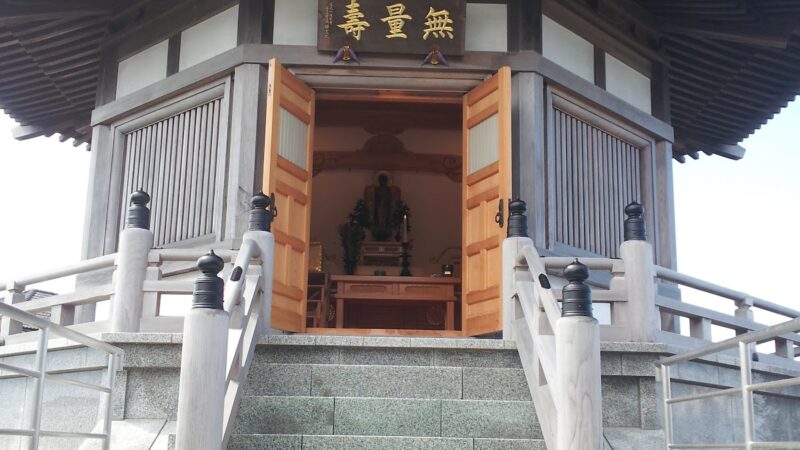
Fudo Myoo is an important deity in Shingon Esoteric Buddhism, believed to possess the power to sever worldly desires and subdue evil. The seated statue of Fudo Myoo at Saikoji Temple leaves a strong impression on visitors with its dignified expression and immense size.
Its figure, with flames behind it, is incredibly impressive and a popular photo spot. In particular, its presence amidst the natural scenery of Akiu Great Falls creates a mystical atmosphere.
Otaki Fudo-do Hall (Nationally Registered Tangible Cultural Property)
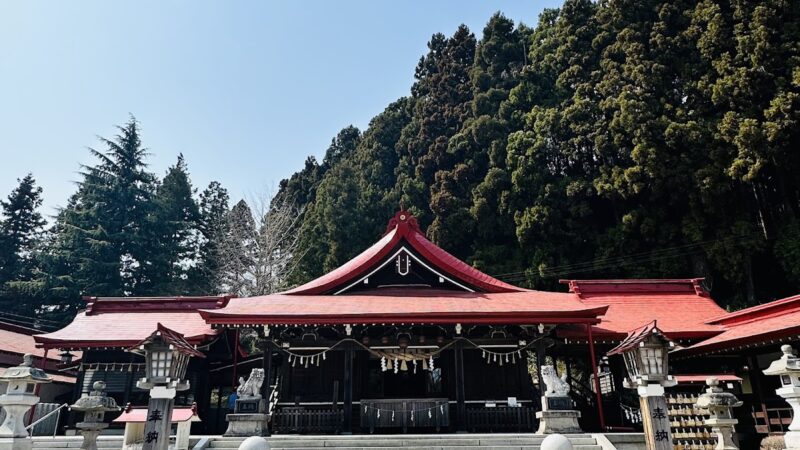
Built in 1825 (Bunsei 8), the Otaki Fudo-do Hall is a valuable building that preserves the architectural style of the late Edo period. Its registration as a Nationally Registered Tangible Cultural Property (building) in 2019 widely recognized its cultural value.
The hall houses the principal image of Fudo Myoo, and as the 29th temple of the Tohoku Thirty-Six Fudo Pilgrimage, it constantly receives pilgrims. The craftsmanship of Edo-period artisans shines through in the architectural details, and the carvings and decorations are also noteworthy.
Integrated Landscape with Akiu Great Falls
The charm of Saikoji Temple lies in its integrated landscape with Akiu Great Falls, one of Japan’s most famous scenic spots. Akiu Great Falls is a 55-meter-high, 6-meter-wide waterfall, and is selected as one of Japan’s Top 100 Waterfalls.
Walking the path from the Otaki Fudodo Hall to the waterfall, you can hear the roar of the falls and feel the clean air filled with negative ions. Especially during the seasons of fresh greenery and autumn leaves, you can enjoy a spectacular view where the beauty of nature harmonizes with the tranquil atmosphere of the temple.
Atmosphere of the Path and Temple Grounds
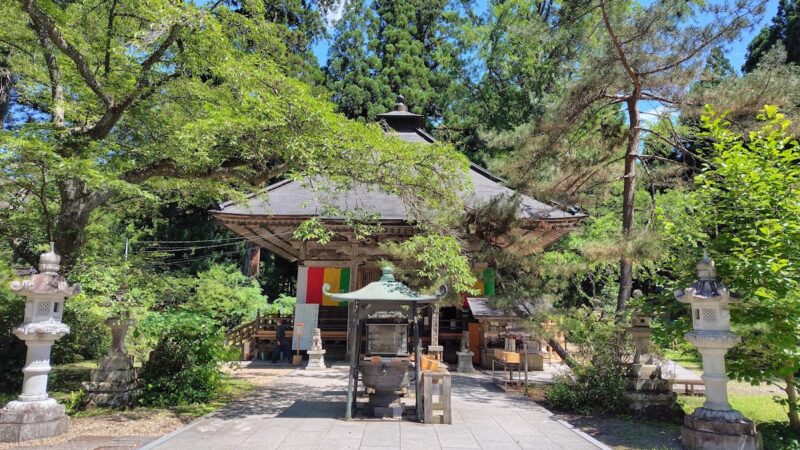
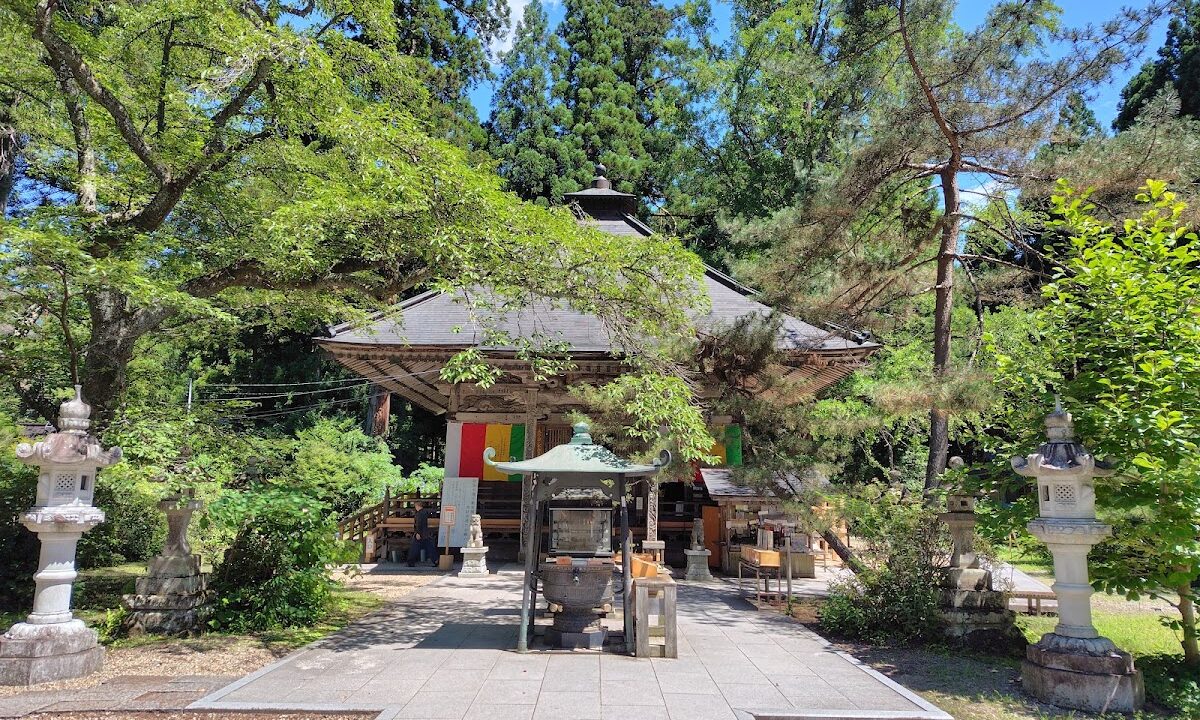
The path leading from the entrance to Akiu Great Falls to the Otaki Fudodo Hall is a charming path surrounded by stone steps and natural forest. Walking the path itself is considered part of the spiritual practice, a time to purify the mind.
The temple grounds are enveloped in a quiet and peaceful atmosphere, making it the perfect place to escape the hustle and bustle of the city and find peace of mind. You can enjoy a leisurely visit or stroll amidst nature that changes its appearance with each season.
Annual Events and Rice Planting Dance
Spring Festival (April 29th)
Every year on April 29th, the Spring Festival is held, and the Rice Planting Dance, a traditional performing art of Akiu and Baba, is offered. The Rice Planting Dance is a folk art praying for a bountiful harvest, and it is a valuable event that preserves the local culture.
The sight of dancers in colorful costumes moving dynamically to the sound of drums and flutes is breathtaking. It has become a spring tradition that attracts not only local residents but also many tourists.
Other Events
Saikoji Temple holds various Buddhist services and events throughout the year. You can also participate in traditional Shingon Buddhist rituals, such as the Goma fire ritual to Fudo Myoo.
The Benefits and Power Spot of Saikoji Temple (Otaki Fudo-do Hall)
Saikoji Temple is known as one of the strongest power spots in Tohoku, and is said to offer a variety of benefits, including:
- Matchmaking and Romantic Success: Many people seeking good relationships visit the temple.
- Business Prosperity: Popular with business owners praying for success in their ventures.
- Protection from Disaster and Misfortune: Believed to have the power to ward off disasters and misfortune.
- Improvement in Performing Arts: Visitors praying for improvement in arts and performing arts.
- Academic Success: Prayers for success in exams and for students.
- Safe Childbirth and Conception: Visitors praying for children.
- Traffic Safety: Many visitors pray for safe travels.
Fudo Myoo (Acala) is especially believed to grant the power to overcome difficulties and sever worldly desires, attracting people facing turning points in their lives or important decisions.
Visiting Information
Basic Information
- Official Name: Takimotoyama Saikoji Temple
- Common Name: Otaki Fudodo, Akiu Otaki Fudōson
- Sect: Shingon-shu Chizan-ha
- Principal Image: Fudō Myōō
- Pilgrimage Site: 29th of the 36 Fudōson Pilgrimage Sites of Tohoku
- Cultural Property Designation: Sendai City Registered Tangible Cultural Property, National Registered Tangible Cultural Property (Building)
- Location: 11 Otaki, Baba, Akiu-machi, Taihaku-ku, Sendai City, Miyagi Prefecture
Visiting Hours and Fees
- Visiting Hours: Grounds are freely accessible (daytime visits recommended)
- Admission Fee: Free
- Parking: Use the Akiu Otaki parking lot (free)
Visiting Etiquette
When visiting Saikoji Temple, please observe the following etiquette:
- 1. Walk quietly along the approach to the temple, respecting nature and other visitors.
- Photography is permitted, but please be considerate of other visitors.
- Please refrain from eating, drinking, or smoking on the temple grounds.
- Please take all your trash with you.
- Do not touch the Fudo Myoo statue or any of the buildings.
Access Information
Access by Car
The temple is approximately 40 minutes by car from central Sendai.
- From Sendai Station: Approximately 40 minutes via National Route 48
- From Tohoku Expressway Sendai Minami IC: Approximately 30 minutes
- Parking: Akiu Otaki Parking Lot (Free, approximately 50 spaces)
Searching for “Akiu Otaki” or “Saikoji” on your car navigation system is convenient. It can get crowded on weekends and during the autumn foliage season, so early arrival is recommended.
Access by Public Transportation
- From JR Sendai Station: Take the Miyagi Kotsu bus bound for Akiu Ootaki (approximately 90 minutes), get off at the Akiu Ootaki bus stop, and walk for approximately 5 minutes.
- Bus Service: Since the number of buses is limited, it is recommended to check the timetable in advance.
By Taxi
It’s approximately a 15-minute taxi ride from the Akiu Onsen area. If you are staying in Akiu Onsen, taking a taxi from the hot spring area is also convenient.
Nearby Tourist Attractions
Akiu Onsen
Akiu Onsen, known as the inner sanctuary of Sendai, is approximately a 15-minute drive from Saikoji Temple. This famous hot spring boasts a history of over 1500 years and offers numerous day-trip bathing facilities. It is recommended to relax and unwind in the hot springs after visiting Saikoji Temple.
Akiu Ootaki Waterfall Basin
The Akiu Ootaki waterfall basin, within walking distance of Saikoji Temple, is a spectacular spot where you can see the powerful waterfall up close. A walking path is maintained, allowing you to descend to the base of the waterfall. In this environment rich in negative ions, you can feel the power of nature all around you.
Rairaikyo Gorge
This gorge of the Natori River, which flows through the Akiu Onsen hot spring resort area, is a scenic spot with a series of strangely shaped rocks. A walking path is maintained, allowing you to enjoy the beauty of nature throughout the seasons. The autumn foliage is particularly spectacular.
Akiu Craft Village
This area is dotted with facilities where you can experience and observe traditional crafts. You can experience traditional Tohoku crafts such as kokeshi dolls, buried wood crafts, and dyed fabrics.
Best Season to Visit
Spring (April-May)
The fresh greenery is beautiful, and you can see the rice-planting dance at the spring festival on April 29th. The weather is mild, making it an ideal season for strolling.
Summer (June-August)
The greenery becomes lush, and the Akiu Great Waterfall has a large volume of water, making it impressive. It’s a cool environment, perfect for escaping the summer heat.
Autumn (September-November)
The autumn foliage season is the most popular. The contrast between the red and yellow trees, Akiu Great Falls, and the seated statue of Fudo Myoo is beautiful, making it ideal for photography. The best time to visit is from mid-October to early November.
Winter (December-March)
Saikoji Temple amidst the snowy landscape is also fantastic. However, due to icy roads and snow, winter tires and cold-weather gear are essential.
Photography Tips
Saikoji Temple (Ootaki Fudo-do Hall) is also a popular photography spot. Keep the following points in mind to take impressive photos:
- The Giant Fudo Myoo Statue: Not only from the front, but also from diagonal and side angles, the view is powerful.
- The Approach to the Temple: The approach, surrounded by stone steps and trees, creates a beautiful composition with a sense of depth.
- Combination with Akiu Great Waterfall: Photographing the Fudo Hall and the waterfall together conveys a sense of scale.
- Seasonal Colors: The colors of nature during the seasons of fresh greenery and autumn leaves add depth to the photograph.
- Early Morning Light: Photographing in the soft light of the morning creates a mystical atmosphere.
Summary
Saikoji Temple (Otaki Fudo Hall) is an ancient temple of the Shingon Chizan sect located in Akiu-machi, Taihaku-ku, Sendai City, Miyagi Prefecture. Founded by Jikaku Daishi Ennin in the early Heian period, it is a sacred site with a history of over 1200 years. Along with Akiu Great Waterfall, one of Japan’s most famous scenic spots, it attracts many visitors as one of Tohoku’s most powerful spiritual spots. This temple is full of attractions and charms, including a giant 3.3-meter-tall seated statue of Fudo Myoo, the Otaki Fudo-do Hall (a nationally registered tangible cultural property), its historical connection to Yamagata Yamadera Temple, and its story of recovery from the Great East Japan Earthquake. As the 29th temple on the Tohoku Thirty-Six Fudo Pilgrimage, it is believed to offer various blessings such as matchmaking, business prosperity, and protection from evil, attracting a constant stream of visitors at important turning points in their lives.
With easy access, approximately 40 minutes by car from central Sendai, it’s a perfect day trip combined with a visit to Akiu Onsen hot springs. Be sure to visit and experience the harmony of the temple’s historic architecture and the beauty of nature throughout the seasons.