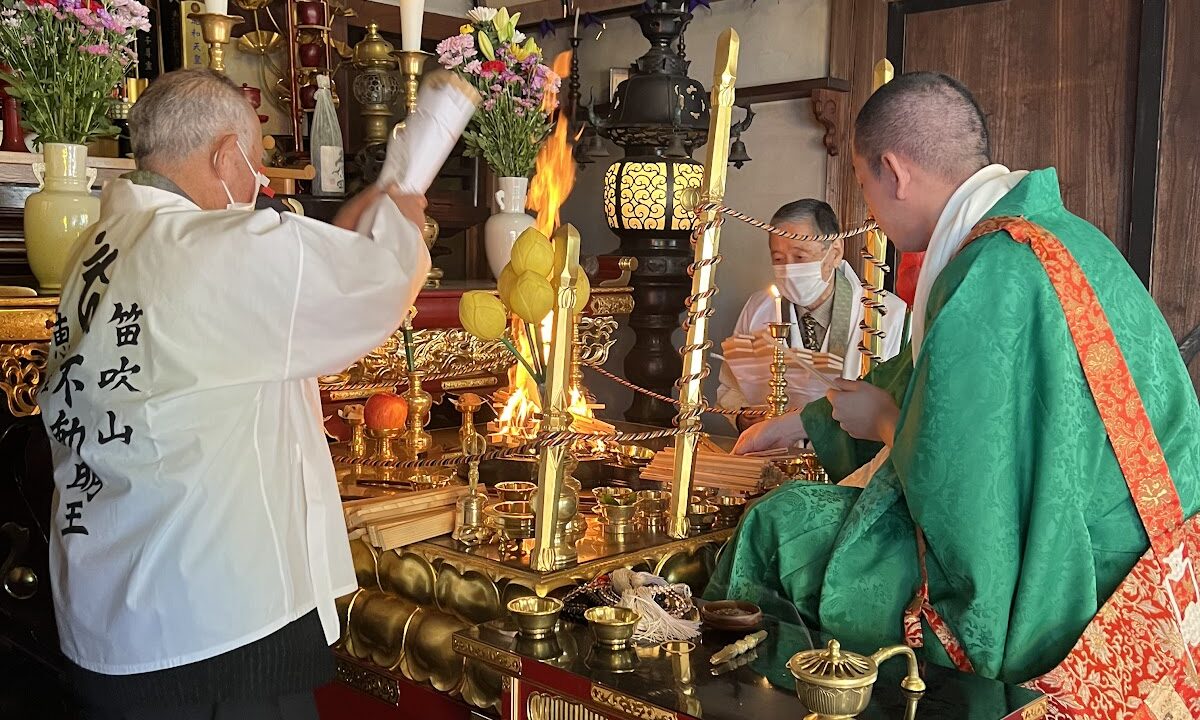
Complete Guide to Eishoin Fudoji Temple (Ashikaga City, Tochigi Prefecture) | Thorough Explanation of Goshuin (Temple Seals), Access, History, and Highlights
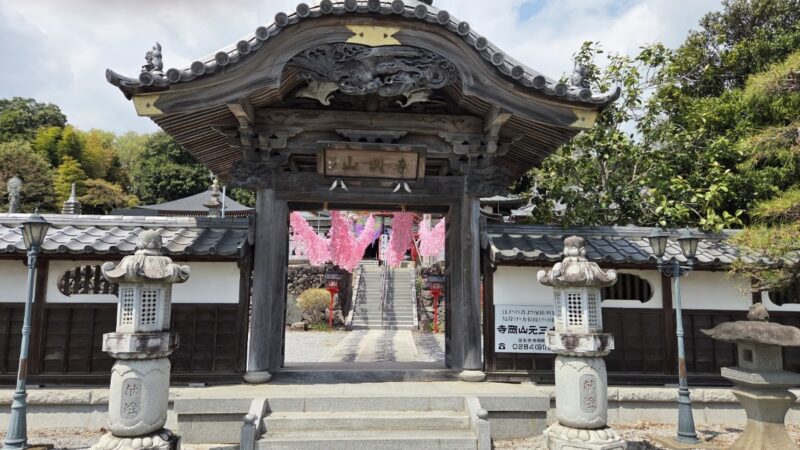
Eishoin Fudoji Temple, located in Omata-cho, Ashikaga City, Tochigi Prefecture, is a historic temple belonging to the Buzan branch of the Shingon sect. Known as the 38th temple of the Kanto 108 Jizo Pilgrimage, and bearing the mountain name Fuefuki-yama, this temple is still passed down a tragic love legend involving a young boy from Kyoto and a local princess.
This article provides a detailed explanation of everything you need to know before visiting Eishoin Fudoji Temple, including its history, goshuin (temple seal) information, highlights within the temple grounds, access methods, and perpetual memorial service services.
Basic Information on Eishoin Fudoji Temple
Eishoin Fudoji Temple is a Shingon sect temple of the Buzan branch, nestled in a quiet residential area of Ashikaga City, Tochigi Prefecture. It is a place of worship beloved by local residents and attracting many visitors from afar. ### Temple Overview
- Official Name: Fuefukiyama Eishoin Fudoji Temple
- Sect: Shingon-shu Buzan-ha
- Mountain Name: Fuefukiyama
- Pilgrimage Site: Kanto 108 Jizo Pilgrimage Sites, No. 38
- Address: 1493 Omata-cho, Ashikaga City, Tochigi Prefecture
- Phone Number: 0284-62-1718
- Nearest Station: Approximately 13 minutes on foot from Omata Station (Tobu Isesaki Line)
The Shingon-shu Buzan-ha is a branch of the Shingon sect, with Hase-dera Temple in Nara Prefecture as its head temple. While based on the teachings of esoteric Buddhism, it also engages in activities that are closely aligned with popular faith. Eishoin Fudoji Temple inherits these teachings and continues its temple activities rooted in the local community.
History and Origins of Eishoin Fudoji Temple
Founding and Historical Background
While there are various theories regarding the founding date of Eishoin Fudoji Temple, it is believed to have developed as a center of faith in the Ashikaga region from the medieval to the early modern period. Ashikaga City was the base of the Ashikaga clan, which flourished from the Kamakura to the Muromachi periods, and has a historical background of many temples and shrines being built there.
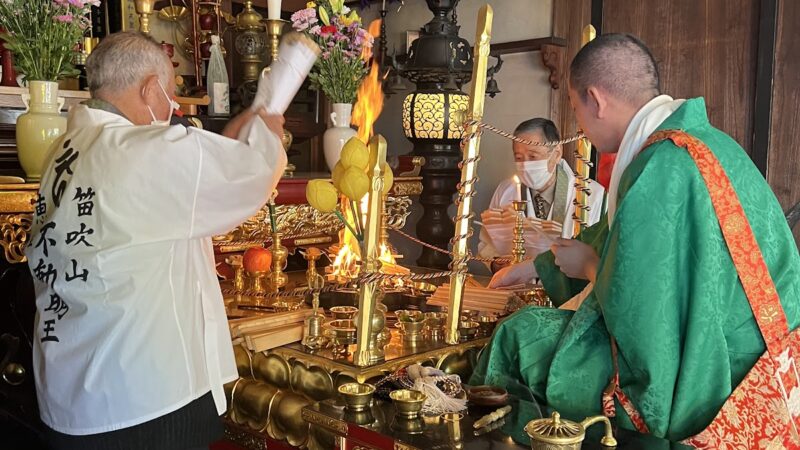
The mountain name, Fuefukiyama, is thought to originate from the topography and legends of the region, suggesting a form of faith that fused mountain worship and esoteric Buddhism. Since Fudō Myōō is the principal deity, it is presumed that esoteric Buddhist rituals such as Goma prayers and exorcisms have been performed there since ancient times.
The Tragic Love Legend of a Kyoto Boy and a Local Princess
Eishoin Fudoji Temple has a legend of a sad love story between a boy from Kyoto and a local princess. This legend has been passed down among the local people and adds a deep emotional depth to the temple’s history.
According to legend, a beautiful young boy, born into a Kyoto noble family, visited this area for some reason and fell in love with a princess, the daughter of a local influential figure. However, due to differences in social status and family circumstances, their love could not be fulfilled, and it is said to have ended tragically.
This legend illustrates that medieval temples were not merely religious institutions, but also places of culture, performing arts, and social interaction. The culture of young boys played an important role in temple society from the Heian period to the Muromachi period, and this legend is thought to reflect the historical context of that time.
Kanto 108 Jizo Pilgrimage Site No. 38
What is the Kanto 108 Jizo Pilgrimage Site?
The Kanto 108 Jizo Pilgrimage Site is a pilgrimage visiting 108 temples dedicated to Jizo Bodhisattva spread throughout the Kanto region. The number 108 is said to represent the number of human desires, and the purpose of visiting each site is to eliminate these desires and attain inner peace.
Jizo Bodhisattva, revered in Japan as a bodhisattva who saves all sentient beings in all six realms, has been particularly cherished as an object of popular faith. Known as a guardian deity of children, it attracts many worshippers for memorial services for aborted fetuses and prayers for successful child-rearing.
Role as the 38th Temple
Eishoin Fudoji Temple, as the 38th temple of the Kanto 108 Jizo Pilgrimage, welcomes many pilgrims. As a pilgrimage temple, it strives to preserve and pass on the faith in Jizo Bodhisattva while also providing courteous service to pilgrims.
Pilgrimage is not merely sightseeing, but is considered a form of spiritual practice that encourages self-reflection and spiritual growth. Pilgrims visiting Eishoin Fudoji Temple find peace of mind here before continuing their journey to the next temple.
About Goshuin (Temple Seals) and Goshuincho (Seal Books)
Features of Goshuin
Eishoin Fudoji Temple offers Goshuin to visitors. A Goshuin is a seal given as proof of visiting a temple or shrine, and in recent years, collecting them has become a popular hobby.
The Goshuin of Eishoin Fudoji Temple includes the following elements:
- Ink writing: Temple name such as “Fuefukiyama,” “Eishoin,” or “Fudoji,” and date of visit
- Red seal: Temple seal, and the seal of the 38th temple of the Kanto 108 Jizo Pilgrimage
- Main deity: Characters or seals related to Fudoji Myoo (Acala)
A Goshuin is not merely a stamp rally; it is an important symbol of a connection with Buddha. At Eishoin, each visitor receives a Goshuin written with heartfelt care.
Goshuin Reception Hours and Method
Goshuin are generally accepted during the temple office’s opening hours. It is recommended to confirm by phone in advance.
Manners at the Reception:
- Complete your prayers at the main hall first before receiving your goshuin (temple stamp).
- Open your goshuin book and specify the page you would like the stamp written on.
- Wait quietly while the stamp is being written.
- Have the goshuin fee (usually around 300-500 yen) ready.
About Goshuin Books
Eishoin Fudoji Temple may offer its own original goshuin book. Please contact the temple directly for details.
A goshuin book specifically for the Kanto 108 Jizo Pilgrimage is also available for purchase; this is recommended for those beginning their pilgrimage.
Highlights and Cultural Assets on the Temple Grounds
Main Hall
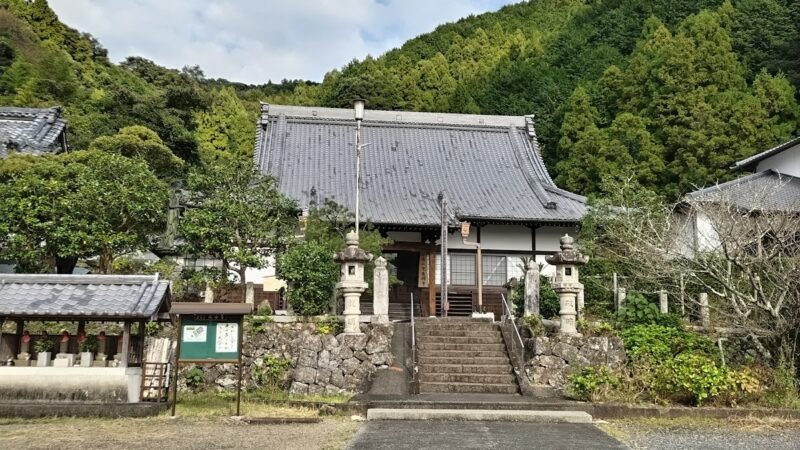
The main hall of Eishoin Fudoji Temple is a magnificent building with a solemn atmosphere befitting a Shingon Buddhist temple. The principal image, Fudo Myoo, is enshrined there, and visitors can pray in the main hall.
Fudo Myoo is a manifestation of Dainichi Nyorai, a deity who cuts through worldly desires and subdues evil. Often depicted holding a sword in his right hand and a lasso (kensaku) in his left, engulfed in flames, his majestic figure is awe-inspiring.
Jizo Hall
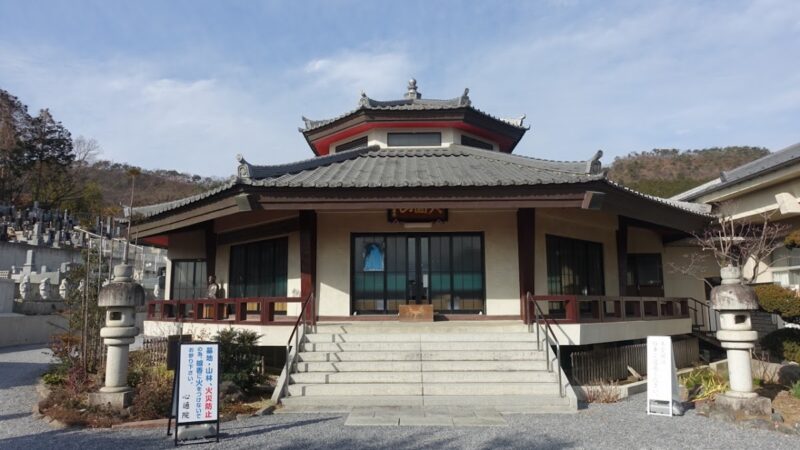
As a pilgrimage site for the 108 Jizo statues of the Kanto region, it is believed that there is a Jizo Hall enshrining Jizo Bodhisattva within the temple grounds. Jizo Bodhisattva is revered as a bodhisattva who saves sentient beings trapped in the cycle of rebirth in the six realms, attracting the faith of many.
He is especially known as a protector of children, and many visitors come to pray for child-rearing and the health of their children.
Atmosphere of the Temple Grounds
Despite being located in a residential area, the grounds of Keishoin Fudoji Temple maintain a tranquil atmosphere. The well-maintained grounds allow visitors to experience the changing seasons, providing peace of mind.
Please be considerate of other visitors when taking photographs. Permission may be required to photograph inside the main hall, so it is recommended to check in advance.
Access Information
Access by Public Transportation
By Train:
- Get off at Omata Station on the Tobu Isesaki Line, approximately 13 minutes on foot.
- Omata Station is one stop from Ashikaga City Station towards Ota.
- The route from the station to the temple is flat and passes through a residential area.
By Bus:
- Local buses such as the Ashikaga City Loop Bus may be available.
- Please check the latest service information on the Ashikaga City official website or with the transportation company.
Access by Car
Route from Major Roads:
- Approximately 15 minutes from Ashikaga IC on the Kita-Kanto Expressway.
- Accessible via National Route 50 and a prefectural road.
- Enter “1493 Omata-cho, Ashikaga City, Tochigi Prefecture” or the phone number “0284-62-1718” into your car navigation system.
Parking Information:
- There may be parking spaces for visitors on the temple grounds or nearby.
- Please contact the temple in advance for details.
- Please park in the designated area to avoid disturbing local residents.
Nearby Facilities and Tourist Attractions
Around Keishoin Fudoji Temple, there are several facilities where you can experience the history and culture of Ashikaga City:
- Ashikaga School: A nationally designated historical site known as the oldest school in Japan (approximately 15 minutes by car)
- Bannaji Temple: The family temple of the Ashikaga clan, boasting a national treasure main hall (approximately 15 minutes by car)
- Orihime Shrine: A symbolic shrine of Ashikaga City (approximately 20 minutes by car)
- Ashikaga Flower Park: A tourist attraction famous for its wisteria flowers (approximately 20 minutes by car)
You can spend a day experiencing the history and culture of Ashikaga City in conjunction with visiting the temple.
Perpetual Memorial Service and Columbarium Services
Memorial Services to Meet Modern Needs
Keishoin Fudoji Temple offers perpetual memorial services and columbarium services to meet the needs of modern society. Amidst declining birth rates, an aging population, and the rise of nuclear families, an increasing number of people are facing problems such as having no one to inherit their family grave or finding it difficult to visit graves due to distance.
What is Perpetual Memorial Service?
Perpetual memorial service is a system in which the temple takes responsibility for continuing memorial services even after there are no successors. Keishoin Temple offers the following features:
- No Successor Required: Peace of mind for those without descendants or successors
- Management by the Temple: The temple handles the cleaning and management of the cemetery
- Joint Memorial Service: Memorial services are held regularly
- Clear Costs: A single payment guarantees memorial services for the future
About Columbariums
A columbarium is a form of storage where cremated remains are interred in an indoor facility, rather than in an outdoor cemetery. The columbarium at Keishoin Temple offers the following advantages:
- Weather-free: Easy to visit even in rainy weather
- Easy maintenance: No weeding or other upkeep required
- Clean environment: Maintained cleanliness due to being indoors
- Easy access: Conveniently located within walking distance of the station
Consultation and Inquiries
Consultations regarding perpetual memorial services and columbariums are free of charge. Feel free to contact the temple and explain your situation and wishes to receive suggestions for the most suitable memorial service.
When consulting, please confirm the following points:
- Details of costs (initial costs, whether or not there are annual management fees)
- Method and frequency of memorial services
- Contract details and duration
- How the remains will be handled
- Whether or not visits are permitted
Manners and Etiquette for Visiting a Temple
Basic Manners for Visiting a Temple
When visiting a temple, please observe the following basic manners:
- Attire: Dress modestly and cleanly.
- Bow at the Temple Gate: Bow before entering the temple grounds.
- Purification at the Water Basin: Purify your hands and mouth before praying.
- Praying at the Main Hall: Quietly join your hands in prayer and pray with sincerity.
- Photography: Take photographs only in permitted areas and be considerate of other visitors.
Shingon Buddhism Worship Etiquette
In Shingon Buddhism, the following worship etiquette applies:
- Joining Hands in Prayer: 1. Bring your hands together in front of your chest.
- Bow: Bow deeply.
- Recite the Mantra: Recite “Namu Daishi Henjo Kongo” or the mantra of the principal deity.
- Bow Again: Bring your hands together one last time and bow.
The mantra of Fudo Myoo is “Noumaku Sanmanda Bazara Dan Senda Makaroshada Sowataya Untarata Kanman,” but even if you don’t remember it, it’s important to put your hands together with sincerity.
Annual Events and Ceremonies
Main Annual Events
At Eishoin Fudoji Temple, various ceremonies and events are held throughout the year. Typical examples include:
- First three days of the New Year: First shrine visit of the year, New Year’s prayers
- Setsubun Festival: Bean-throwing ceremony, prayers for warding off evil
- Spring and Autumn Equinox: Equinox memorial services
- Obon Festival: Obon festival, Segaki memorial service
- Fudo Myoo Festival: 28th of every month (varies by temple)
For detailed dates and participation information, please contact the temple directly.
Requests for Individual Memorial Services
Keishoin Temple accepts requests for individual memorial services such as the following:
- Funeral/Memorial Service: 49th day, first anniversary, third anniversary, etc.
- Ancestral Memorial Service: Annual memorial services, Obon memorial services
- Prayer: Protection from evil, family safety, business prosperity, etc.
- Memorial Service for Stillborn Children: Memorial service for stillborn children
When requesting a memorial service, it is recommended to discuss the date and content in advance, and confirm the appropriate donation amount for a smoother process.
Inquiries
Inquiries to Keishoin Fudoji Temple are accepted through the following methods.
Contact Information
- Phone Number: 0284-62-1718
- Address: 1493 Omata-cho, Ashikaga City, Tochigi Prefecture 326-0001
Examples of Inquiries
You can feel free to consult us about the following:
- Inquiries about the reception hours for Goshuin (temple stamps)
- Requests for viewing the perpetual memorial service and ossuary
- Requests for memorial services and scheduling
- Confirmation of visiting hours and parking
- Information about pilgrimages
- Inquiries about the temple’s history and cultural assets
Telephone inquiries are best made between 9:00 AM and 5:00 PM. Please note that we may not be able to answer your call if we are in the middle of a memorial service, so please call back later.
Notes for Visitors
- Prior Contact: If you have a special reason for visiting, please contact us by phone in advance to ensure your visit is successful.
- Time of Visit: Please avoid visiting early in the morning or late in the evening.
- During Memorial Services: If a memorial service is being held, please wait quietly or visit again at a later date.
Summary of the Charms of Keishoin Fudoji Temple
Keishoin Fudoji Temple, located in Ashikaga City, Tochigi Prefecture, is a Shingon sect temple of the Buzan school with a long history, attracting the faith of the local people. While fulfilling its role as the 38th temple of the Kanto 108 Jizo Pilgrimage, it also provides perpetual memorial services and columbarium services to meet modern needs.
Main Attractions of Keishoin Fudoji Temple:
- History and Legend: A temple rich in atmosphere, where a tragic love story of a Kyoto acolyte and a local princess is passed down.
- Pilgrimage Site: Welcomes pilgrims as the 38th temple of the Kanto 108 Jizo Pilgrimage.
- Goshuin (Temple Seal): Receive a carefully written Goshuin.
- Easy Access: Conveniently located about a 13-minute walk from Omata Station.
- Modern Memorial Services: Services adapted to the times, such as perpetual memorial services and columbariums.
- Community-Oriented: Temple activities rooted in the local community.
Nestled in a quiet residential area, Keishoin Fudoji Temple is a place where many people can escape the hustle and bustle of everyday life and find peace of mind. When you visit Ashikaga City, be sure to stop by.
Enjoying Temple Pilgrimages in Tochigi Prefecture
After visiting Keishoin Fudoji Temple, why not explore other temples in Tochigi Prefecture? Tochigi Prefecture boasts 983 temples, each with its own unique history and charm.
Recommended Temples Around Ashikaga City
- Banna-ji Temple: The family temple of the Ashikaga clan; its main hall, a national treasure, dates back to the Kamakura period.
- Shintsu-in Temple: A historic temple within Ashikaga City.
- Join-ji Temple: A quiet temple near Ashikaga School.
Pilgrimage to the 108 Jizo Temples of Kanto
Starting your pilgrimage to the 108 Jizo Temples of Kanto with Eishoin Fudoji Temple as the 38th temple is highly recommended. There are several other temples within Tochigi Prefecture, and you can receive different temple stamps (Goshuin) at each.
Pilgrimages offer a deeply fulfilling experience, different from typical sightseeing. You don’t need to visit all of them at once; you can progress at your own pace.
Summary
Keishoin Fudoji Temple is a Shingon sect (Toyozan branch) temple located in Omata-cho, Ashikaga City, Tochigi Prefecture. It is the 38th temple on the Kanto 108 Jizo Pilgrimage, welcoming many visitors. This historic temple is steeped in a tragic love legend between a young boy from Kyoto and a local princess, and is revered for its principal deity, Fudo Myoo.
With its convenient access (approximately 13 minutes on foot from Omata Station), meticulously written temple seals, and modern services such as perpetual memorial services and columbariums, it is a temple that harmoniously blends tradition and innovation.
When visiting, please observe basic manners and pray quietly to enjoy a peaceful time away from the hustle and bustle of everyday life. Please consider visiting Keishoin Fudoji Temple as part of a historical walk through Ashikaga City or as one of the pilgrimage sites.
For detailed and up-to-date information about the temple, we recommend contacting them directly. We hope you will have a memorable visit.