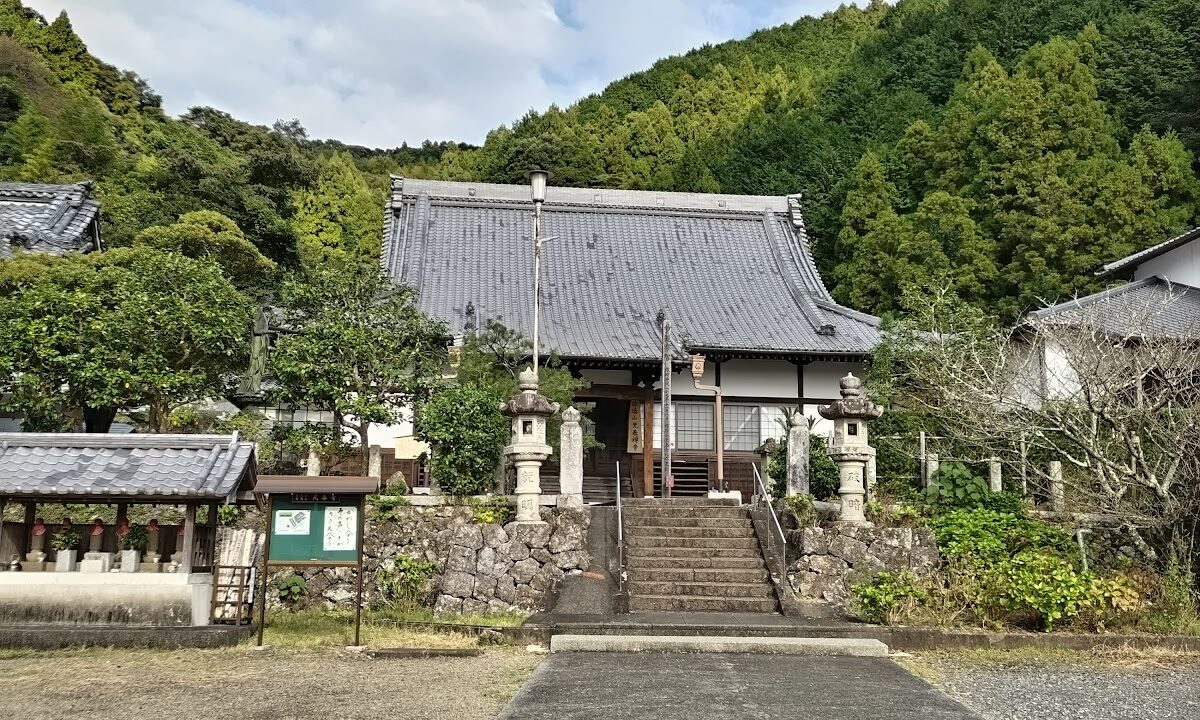
Complete Guide to Kōtai-ji Temple (Ashikaga City, Tochigi Prefecture) | Goshuin (Temple Seal), History, and Access Information
Kōtai-ji Temple, located in Haneka-cho, Ashikaga City, Tochigi Prefecture, is a historic temple belonging to the Sōtō Zen sect. It bears the mountain name Kōyōzan and is known as an ancient temple long cherished by the local community. This article provides detailed information useful for visiting Kōtai-ji Temple, including its history, highlights, goshuin information, and access methods.
Basic Information about Kōtai-ji Temple
Kōtai-ji Temple is a Sōtō Zen temple located at 2168 Haneka-cho, Ashikaga City, Tochigi Prefecture. The nearest station is Omata Station on the Tobu Sano Line. It is a tranquil temple nestled in a quiet residential area of Ashikaga City.
Location and Contact Information
- Address: 2168 Haneoka-cho, Ashikaga City, Tochigi Prefecture 326-0338
- Phone Number: 0284-62-0875
- Sect: Soto Zen
- Mountain Name: Koyo-zan
- Nearest Station: Omata Station, Tobu Sano Line
The Soto Zen sect is a branch of Zen Buddhism introduced to Japan by Zen Master Dogen during the Kamakura period. It emphasizes the practice of “Shikantaza,” or simply sitting meditation. It is one of the largest Buddhist sects in Japan, with approximately 15,000 temples nationwide, and numerous Soto Zen temples are scattered throughout Tochigi Prefecture.
History and Origins of Kotai-ji Temple
Origin of Koyo-zan
The mountain name of Kotai-ji Temple, “Koyo-zan,” means “mountain facing the sun,” symbolizing hope and enlightenment. This temple’s mountain name is thought to reflect the temple’s location and the aspirations of its founder. The Haneoka-cho area of Ashikaga City has long been a thriving agricultural region, and the mountain name may reflect a sense of gratitude for the blessings of the sun.
Buddhist Culture in Ashikaga City
Ashikaga City is known as the birthplace of the Ashikaga clan, who founded the Muromachi Shogunate, and has long been a region where Buddhist culture flourished. Many historical temples, including Bannaji Temple, exist within the city, allowing visitors to feel the depth of its religious culture. Kōtaiji Temple is one of the temples that inherits this Ashikaga Buddhist culture, continuing its activities rooted in the local community.
Tochigi Prefecture as a whole has 983 temples, accounting for approximately 1.28% of all temples nationwide. This is a relatively high number even within the Kanto region, demonstrating the depth of Buddhist faith in Tochigi Prefecture.
Kōtaiji Temple Grounds and Highlights
Main Hall and Atmosphere of the Grounds
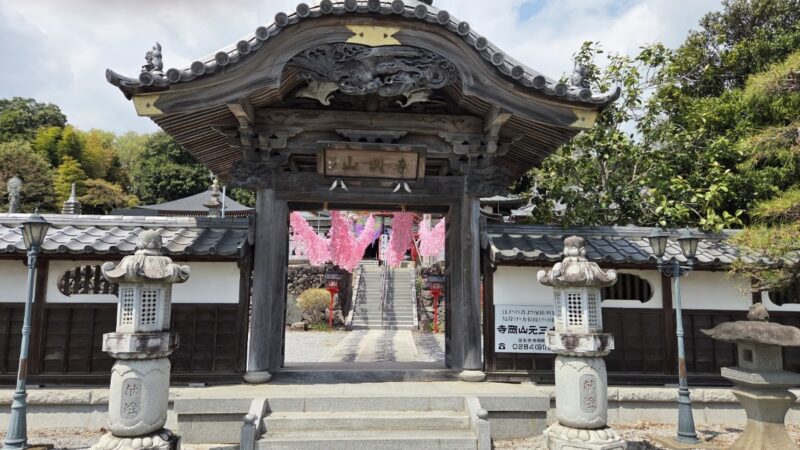
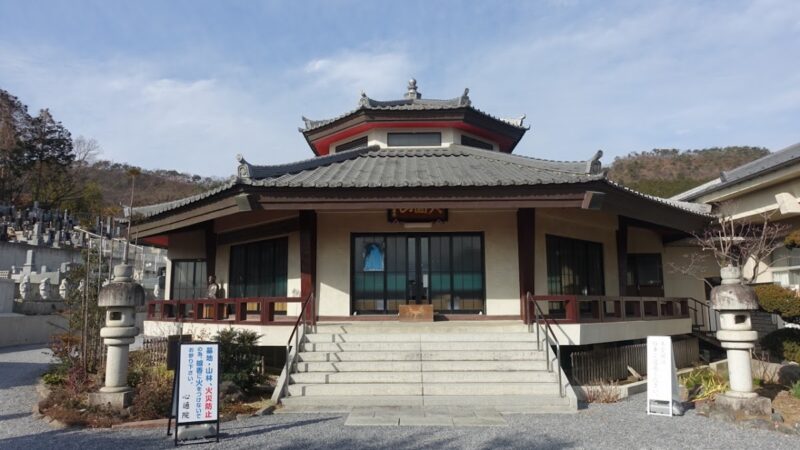
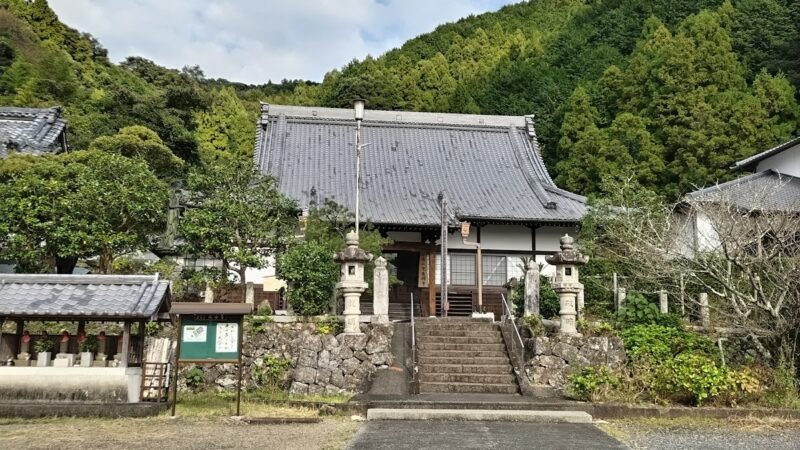
Although located in a quiet residential area, stepping into the grounds of Kōtaiji Temple feels like entering another world, enveloped in profound tranquility. Typical of a Sōtō Zen temple, it features a simple yet dignified presence. The main hall is a traditional wooden structure, with the refined design characteristic of Zen temples.
The grounds are meticulously landscaped, allowing visitors to enjoy the changing seasons. Cherry blossoms and plum blossoms in spring, lush greenery in summer, vibrant autumn leaves, and snowscapes in winter—each time of year offers a different view.
Zen Meditation Hall and Training Space
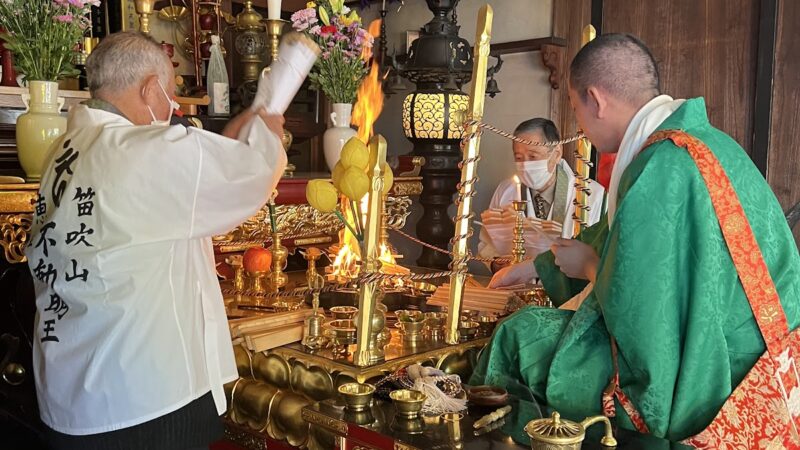
Kōtaiji Temple, a Sōtō Zen temple, has a space dedicated to Zen meditation. Sōtō Zen considers Zen meditation to be the “fundamental aspect of Buddhist practice,” and many temples hold Zen meditation sessions open to the public. Kōtai-ji Temple may also hold Zen meditation sessions and Dharma talks for local residents. Those interested should contact the temple directly.
Cemetery and Perpetual Memorial Services
Kōtai-ji Temple has a cemetery for its parishioners. In recent years, with the declining birthrate, aging population, and rise of nuclear families, interest in perpetual memorial graves has increased. Many temples in Tochigi Prefecture offer memorial services that meet the needs of the times.
Kōtai-ji Temple’s Goshuin (Temple Seal) Information
About the Issuance of Goshuin
Goshuin are commemorative items with calligraphy and a red seal given by temples and shrines as proof of worship. In recent years, collecting goshuin has become popular among a wide range of generations, including “Goshuin Girls” who enjoy it as a hobby.
Kōtai-ji Temple may also issue goshuin, but it is recommended to check availability and reception hours by phone in advance. For smaller temples, the head priest may be absent at certain times, so prior contact is essential if you want to be sure to receive a goshuin.
Manners for Receiving a Goshuin (Temple Stamp)
When receiving a Goshuin, please observe the following manners:
- Complete your prayers first: A Goshuin is not a stamp rally, but proof of your visit. First, offer your prayers at the main hall.
- Prepare your Goshuincho (stamp book): Prepare a dedicated Goshuincho and hand it over with the page you want written on open.
- Prepare the offering: Generally, it’s around 300 to 500 yen. Please prepare the exact amount as change will not be given.
- Use polite language: Ask politely, “May I have a Goshuin?”
- Obtain permission before taking photos: Always obtain permission before taking photos of the temple grounds or the Goshuin.
Access and Surrounding Information
Access by Public Transportation
By Train:
The nearest station to Kotaiji Temple is Omata Station on the Tobu Sano Line. Kotaiji Temple is within walking distance from Omata Station.
- Tobu Sano Line Omata Station: Accessible from both Tatebayashi and Sano directions
- Distance from Station: Within walking distance (Please check the exact travel time in advance)
The Tobu Sano Line is a local line connecting Tatebayashi Station in Gunma Prefecture and Kuzuu Station in Tochigi Prefecture. It’s a peaceful line with scenic rural landscapes along the route.
Access by Car
By Car:
- Kita-Kanto Expressway: Approximately 15-20 minutes from Ashikaga IC
- Tohoku Expressway: Approximately 20-25 minutes from Sano-Fujioka IC
Hazuka-cho, Ashikaga City is easily accessible from National Route 293. Entering the address (2168 Hazuka-cho, Ashikaga City, Tochigi Prefecture) or phone number (0284-62-0875) into your car navigation system will provide accurate route directions.
Parking Information:
The availability and number of parking spaces vary depending on the size and location of the temple. It’s recommended to call ahead to confirm parking availability before visiting.
Nearby Tourist Attractions
When visiting Kōtai-ji Temple, it’s recommended to also visit other tourist attractions in Ashikaga City.
Banna-ji Temple:
A Shingon Buddhist temple built on the site of the Ashikaga clan’s residence, it is a representative temple of Ashikaga City, boasting a National Treasure main hall. It still retains the appearance of a Kamakura-period samurai residence, surrounded on all four sides by earthen ramparts and moats.
Ashikaga School:
A historical site known as Japan’s oldest school, it was an educational institution where many students studied from the Muromachi period to the Edo period. Currently, you can visit the restored buildings and gardens.
Orihime Shrine:
Located on a hill in Ashikaga City, this shrine is dedicated to matchmaking. After climbing 229 stone steps, you’ll be rewarded with a beautiful vermilion-lacquered shrine and a spectacular panoramic view of Ashikaga city.
Nearby Shrines and Temples
Soto Zen Temples in Ashikaga City
Several temples belonging to the same Soto Zen sect as Kotai-ji Temple exist within Ashikaga City. Visiting temples of the same sect will allow you to gain a deeper understanding of the teachings of Soto Zen and the spirit of Zen.
Temples and Shrines in the Surrounding Area
Temples in Sano City:
The neighboring city of Sano has many historical temples, such as Daiko-ji Temple (1227 Hikoma-cho). Omata Station is located near the border with Sano City, making it easy to visit temples and shrines in Sano City.
Temples in Ota City (Gunma Prefecture):
Due to its location near the border of Tochigi and Gunma prefectures, temples and shrines in Ota City, Gunma Prefecture, are also relatively close. The Kanto region borders many prefectures, including Ibaraki, Gunma, Saitama, Chiba, Tokyo, and Kanagawa, allowing you to enjoy visiting temples and shrines across prefectural borders.
How to Worship at Kōtai-ji Temple
Basic Worship Etiquette
There are certain manners to follow when visiting a Buddhist temple. Please follow the steps below and worship with sincerity.
1. Bowing at the Temple Gate:
Before entering the temple grounds, bow at the temple gate. This is an expression of humility, signifying your entry into the realm of Buddha.
2. Purifying at the Water Basin:
If there is a water basin, purify your hands and mouth. Scoop water with the ladle, purify your left hand, then your right hand, and finally rinse your mouth with water in your left hand.
3. Worshiping at the Main Hall:
Approach the main hall and quietly place your offering. If there is a bell, ring it, then clasp your hands together and bow. In Buddhism, unlike Shinto shrines with their “two bows, two claps, one bow” ritual, quietly clasping your hands together is the basic form of worship.
4. Strolling the Temple Grounds:
After your visit, take a leisurely stroll through the temple grounds and allow yourself time to calm your mind in the tranquility.
The Teachings of the Soto Zen School
The Soto Zen school upholds the “authentic transmission of Buddhism,” emphasizing self-reflection through zazen (seated meditation) and the practice of Buddhist teachings in daily life. Its founder, Zen Master Dogen, taught “Shusho Itto,” meaning that practice and enlightenment are not separate but one and the same.
When visiting Kotaiji Temple, you can experience this spirit of the Soto Zen school and have time to quietly reflect on yourself, away from the hustle and bustle of everyday life.
Annual Events at Kotaiji Temple
Major Buddhist Events
Soto Zen temples hold various Buddhist events throughout the year. Here are some of the main events held at typical Soto Zen temples.
Hanamatsuri (Flower Festival) – Celebrating the Birth of Buddha (April 8th):
Also known as Kanbutsue, this is a celebration of the birth of Buddha. Sweet tea is poured over the statue of the infant Buddha placed in a flower-decorated hall.
Obon (Mid-August):
A traditional Japanese event to welcome and honor the spirits of ancestors. Many temples hold Segaki ceremonies and Urabon-e services.
Autumn Equinox (September):
The seven-day period centered around the spring and autumn equinoxes is called Higan, a time for honoring ancestors.
Jodo-e (December 8th):
A memorial service commemorating the day Buddha attained enlightenment.
For specific event dates and details at Kotai-ji Temple, please contact the temple directly.
Temple Culture in Tochigi Prefecture
Distribution of Temples in Tochigi Prefecture
Tochigi Prefecture has 983 temples, representing approximately 1.28% of the total number of temples nationwide. A diverse range of Buddhist sects are represented, including the Soto, Tendai, Shingon, Jodo, and Nichiren sects.
Number of Temples by Major City:
- Utsunomiya City: The prefectural capital boasts the most temples.
- Ashikaga City: Numerous historical temples associated with the Ashikaga clan.
- Tochigi City: Known as a city of storehouses, it also has many old temples.
- Sano City: Home to famous temples such as Sano Yakuyoke Daishi.
- Nikko City: A concentration of tourist temples, including the World Heritage site Nikkozan Rinnoji Temple.
Comparison with Temple Culture in the Kanto Region
The Kanto region consists of Tokyo, Kanagawa, Saitama, Chiba, Ibaraki, Gunma, and Tochigi prefectures, each with its own unique temple culture.
Tochigi Prefecture is located in northern Kanto, and compared to urban areas like Tokyo and Kanagawa, it retains a relatively strong system of danka (parishioner) affiliations rooted in the local community. It is also characterized by a large number of temples and shrines associated with the Tokugawa family, such as Nikko Toshogu Shrine and Rinnoji Temple.
Notes and Manners for Visiting a Temple
Regarding Attire
While no special attire is required for visiting a temple, please consider the following:
- Avoid revealing clothing
- Dress neatly and cleanly
- Since you will need to remove your shoes when entering the main hall, wear footwear that is easy to put on and take off.
- It is best to avoid sandals and flip-flops, even in summer.
Regarding Photography
Photography is generally permitted on the temple grounds, but please observe the following rules:
- Obtain permission before photographing the interior of the main hall or Buddha statues.
- Be considerate and avoid including other visitors in your photos.
- Check in advance before using a tripod.
- Check the temple’s policy before posting on social media.
- Avoid using flash photography from the perspective of cultural property protection.
Regarding Visiting Hours
It is recommended to call ahead to confirm the visiting hours and viewing times for Kōtai-ji Temple. Generally, it is best to visit temples during daylight hours. Please avoid visiting the temple early in the morning or after sunset, as this may inconvenience the head priest and parishioners.
The Significance of Visiting Kōtai-ji Temple
Seeking Peace of Mind
Modern society is full of stress, and more and more people are seeking peace of mind. Temples have long been a spiritual haven for people, and spending time in their quiet grounds helps refresh both mind and body.
Temples like Kōtai-ji, deeply rooted in the community, have a simple and warm atmosphere that differs from tourist temples. While not flashy, this is precisely why you can feel the true essence of a temple.
Experiencing the Spirit of Zen
At Kōtai-ji Temple, a Sōtō Zen temple, you can experience the spirit of Zen. Zen emphasizes focusing on “the here and now,” and is a practice of self-reflection through seated meditation.
It is said that the roots of modern mindfulness and meditation lie in Zen, and it is widely known as “ZEN” in the West as well. Visiting Kōtai-ji Temple will be a valuable opportunity to experience traditional Japanese spiritual culture.
Understanding Local History
Temples are invaluable institutions that convey the history and culture of a region to the present day. Kōtai-ji Temple, located in Haneoka-cho, Ashikaga City, offers clues to the history of the area and the lives of the local people.
Visiting local temples is not merely sightseeing; it leads to understanding and respecting the culture and traditions of the land.
Summary: Points to Consider When Visiting Kōtai-ji Temple
Kōtai-ji Temple in Ashikaga City, Tochigi Prefecture, is a historic temple belonging to the Sōtō Zen sect, with the mountain name Kōyōzan. Its appeal lies in its convenient location within walking distance of Omata Station and the tranquil atmosphere of its temple grounds.
Points to Note When Visiting:
- Advance Contact: It is recommended to call in advance to confirm the availability of Goshuin (temple stamps) and visiting hours (0284-62-0875).
- Observe Manners: Please observe basic temple etiquette and pray quietly.
- Sightseeing in the Surrounding Area: Visit other temples, shrines, and tourist spots in Ashikaga City.
- The Spirit of Zen: A valuable opportunity to experience the teachings of the Soto Zen sect and the spirit of Zen.
- Enjoy the Seasons: Enjoy the nature of the temple grounds in each of the four seasons.
Kōtai-ji Temple is not a flashy tourist temple, but that is precisely why it is a valuable place where you can quietly feel the true essence of a temple. When visiting Tochigi Prefecture, we highly recommend you pay a visit.
The Kanto region includes many prefectures such as Tokyo, Kanagawa, Saitama, Chiba, Ibaraki, and Gunma, each with its own wonderful temple culture. We hope that you will feel the depth of Japanese Buddhist culture through a temple tour of Tochigi Prefecture. For the latest information and details, we recommend contacting Kōtai-ji Temple directly or checking relevant websites before your visit. We hope you have a peaceful and enjoyable time during your visit.