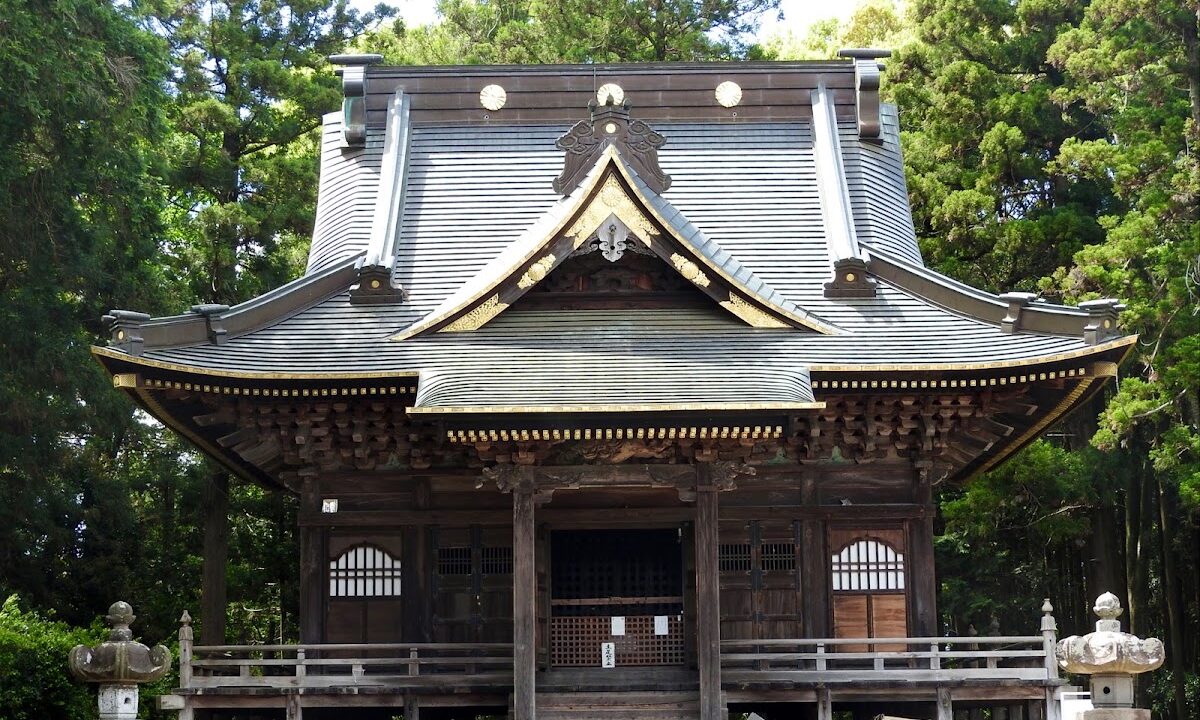
Goeiji Temple (Ashikaga City, Tochigi Prefecture) Complete Guide | History, Access, and Visiting Information Explained in Detail
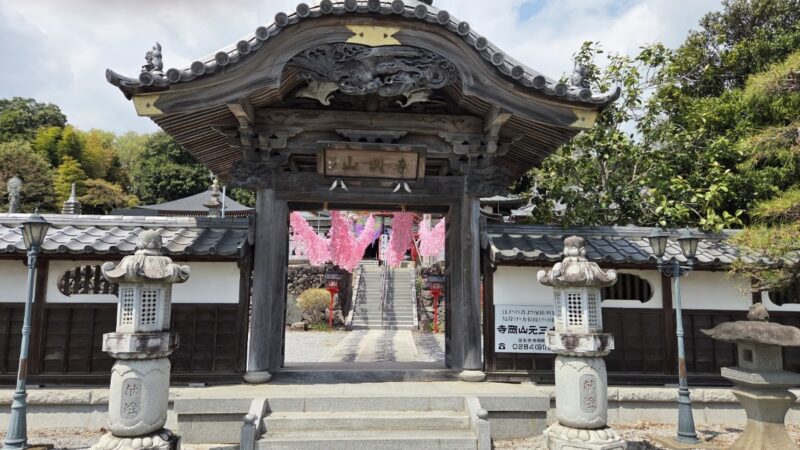
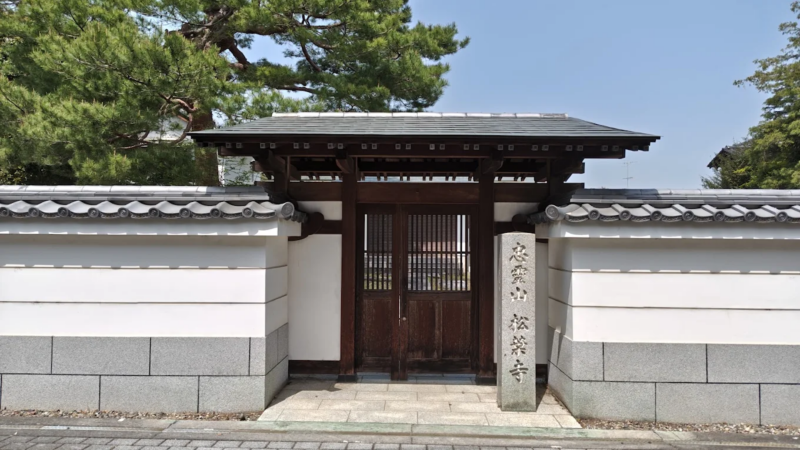
Goeiji Temple, located in Maruyama-cho, Ashikaga City, Tochigi Prefecture, is a temple belonging to the Jodo Shinshu Otani sect (Shinshu Otani sect). Its mountain name is Entozan, and it is a temple beloved by the local community for its unique atmosphere, harmoniously blending a modern exterior with traditional teachings. This article provides a detailed explanation of Goeiji Temple, including its history, highlights within the temple grounds, access methods, and visiting information.
Basic Information about Goeiji Temple
Goeiji Temple is located in Maruyama-cho, close to the center of Ashikaga City, and is easily accessible near the Ashikaga Hello Work (public employment office).
Temple Name: Goeiji Temple
Mountain Name: Entozan Mountain
Sect: Jodo Shinshu Otani School (Shinshu Otani School)
Address: 748 Maruyama-cho, Ashikaga City, Tochigi Prefecture 326-0057
Chief Priest: Atsushi Hidehito
Religion: Buddhism
The name of Goeiji Temple is thought to originate from the fact that it houses a portrait (goei) of Shinran Shonin. “Goei” is a Buddhist term meaning a portrait or sculpture of a high-ranking priest, and in Jodo Shinshu Buddhism, it often specifically refers to the portrait of the founder, Shinran Shonin.
History and Founding of Goeiji Temple
Founded by the founder, Senryo Hoshi
The history of Goeiji Temple dates back to the late Edo period. The founder, Senryo Hoshi, is believed to have originally hailed from Omura, Niikawa District, Echigo Province (present-day Niigata Prefecture).
In February of the third year of Kaei (1850), Senryo Hoshi visited Josenji Temple in Sano-juku, Aso District, Shimotsuke Province (present-day Sano City, Tochigi Prefecture) and stayed there for a while. This period was the end of the Edo period, a time when signs of social change were beginning to appear.
In November of the sixth year of Kaei (1853), Senryo Hoshi, together with Shinshu Buddhist followers, erected a temple at Maruyama-gōchi in Mikage-dō, Ashikaga District (present-day Maruyama-chō, Ashikaga City). This marked the beginning of Mikage-ji Temple.
Transition from the Late Edo Period to the Meiji Era
The sixth year of Kaei, when Mikage-ji Temple was founded, coincidentally was also the year of Commodore Perry’s arrival in Japan, a time of great transformation for the country. Following the Meiji Restoration, Mikage-ji Temple developed into a local Shinshu Buddhist center.
The Ashikaga region has long been a center of the textile industry, and many merchants and artisans lived there. Mikage-ji Temple became deeply rooted in the community as a place of faith for these common people.
From Modern to Contemporary Times
Since the Meiji era, Mikage-ji Temple has been officially recognized as a temple of the Jodo Shinshu Otani sect, deepening its relationship with its head temple, Higashi Hongan-ji Temple (Kyoto).
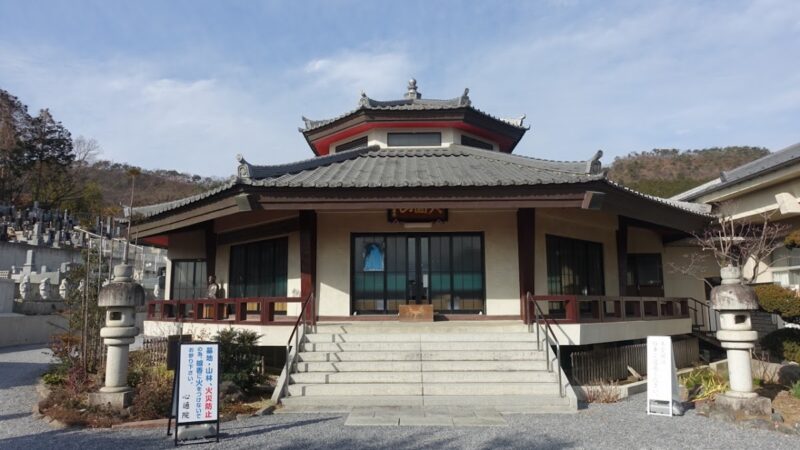
As the eras changed from Showa to Heisei and then to Reiwa, Mikage-ji Temple constructed a modern main hall and developed temple facilities befitting the modern age. Its modern appearance has led to it being recognized by locals as “a modern temple near the Ashikaga Hello Work (employment office).”
About the Jodo Shinshu Otani Sect
The Jodo Shinshu Otani sect (Shinshu Otani sect), to which Mikage-ji Temple belongs, is a Buddhist sect founded by Shinran Shonin.
Teachings of Jodo Shinshu Buddhism
Jodo Shinshu Buddhism centers on the teaching of “reliance on the power of others,” a belief that all people will be saved through the power of Amida Buddha’s original vow. Shinran Shonin advocated the “doctrine of salvation for the wicked,” arguing that ordinary people burdened with worldly desires are precisely the objects of Amida Buddha’s salvation.
Characteristics of the Otani Branch
After the death of Shinran Shonin, Jodo Shinshu Buddhism split into several branches, but the Otani branch is one of the largest, with Higashi Honganji Temple as its head temple.
Head Temple: Shinshu Honbyo (Higashi Honganji Temple), Shimogyo-ku, Kyoto City
Principal Image: Amida Buddha
Scriptures: The Three Pure Land Sutras (Larger Sukhavativyuha Sutra, Contemplation Sutra, Amida Sutra)
Name Chanting: Namu Amida Butsu
In Jodo Shinshu Buddhism, monks are permitted to marry, and eating meat is not prohibited. Furthermore, funeral rites are conducted based on the concept of “immediate attainment of Buddhahood upon rebirth,” assuming that the deceased has already become a Buddha.
Highlights of the Temple Grounds
Main Hall
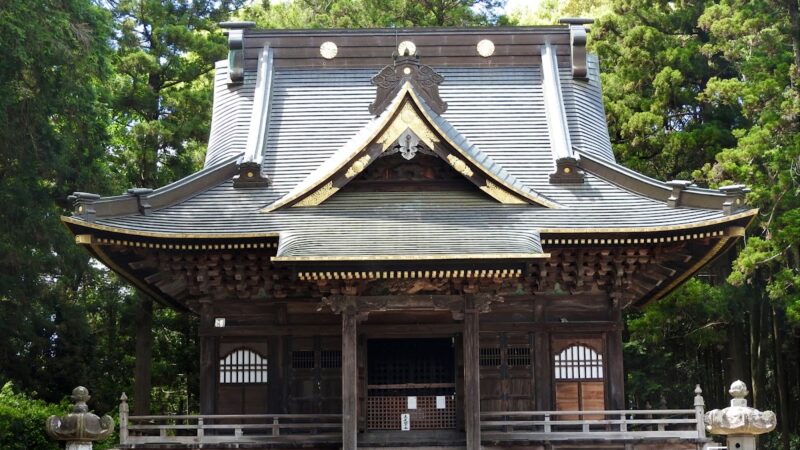
The main hall of Mikage-ji Temple is a building incorporating modern architectural styles, giving it a distinctive appearance even within Ashikaga City. Inside, the principal image of Amida Buddha is enshrined, along with a portrait of Shinran Shonin.
Regular memorial services are held in the main hall, attracting local parishioners and worshippers. As befits a Jodo Shinshu temple, it possesses a solemn yet approachable atmosphere.
Atmosphere of the Temple Grounds
Despite being located in the urban area of Ashikaga City, the grounds of Mikage-ji Temple maintain a quiet and peaceful space. Surrounded by residential areas, it is clear that the temple is deeply rooted in the community.
While incorporating modern architecture, it also incorporates elements of traditional temples, allowing visitors to experience a unique space where modernity and tradition blend seamlessly.
Access Methods
Mikage-ji Temple is easily accessible by both train and car.
Access by Train
From JR Ryomo Line “Ashikaga Station”
- Approximately 15 minutes on foot
- Approximately 5 minutes by taxi
From Tobu Isesaki Line “Ashikaga-shi Station”
- Approximately 20 minutes on foot
- Approximately 7 minutes by taxi
From Tobu Isesaki Line “Tobu Izumi Station”
- Approximately 25 minutes on foot
- Approximately 10 minutes by taxi
Ashikaga Station is the nearest station, and the temple is relatively easy to access from the station.
Access by Car
From the Kita-Kanto Expressway
- Approximately 10 minutes from Ashikaga IC
- Approximately 15 minutes from Ota-Kiryu IC
From the Tohoku Expressway
- Approximately 25 minutes from Sano-Fujioka IC
Using Hello Work Ashikaga as a landmark will make it easier to find. Regarding parking availability, we recommend contacting the temple directly before your visit.
Address and Landmarks
Address: 748 Maruyama-cho, Ashikaga City, Tochigi Prefecture 326-0057
Nearby Facilities: Ashikaga Hello Work (Public Employment Security Office)
Information on Visiting the Temple
Visiting Hours
Regarding visiting hours at Mikage-ji Temple, daytime hours are recommended, similar to most temples. It is recommended to check in advance if there are any memorial services or events.
Temple Visiting Manners
In Jodo Shinshu temples, the following are the proper ways to visit:
- Gassho: Bring both hands together in front of your chest.
- Nembutsu: Chant “Namu Amida Butsu” silently.
- O-mai: Bow and pray facing the main image in the main hall.
In Jodo Shinshu Buddhism, clapping (kashiwade) is not practiced. Also, it is considered proper etiquette to quietly place offerings into the offering box rather than throwing them.
Annual Events
Jodo Shinshu temples generally observe the following annual events:
- Shōshō-e (January): New Year’s service
- Spring Equinox Service (March): Spring equinox service
- Buddha’s Birthday (Flower Festival) (April 8th): Buddha’s birthday
- Obon Service (August): Obon service
- Autumn Equinox Service (September): Autumn equinox service
- Hōon-kō (November): Memorial service for Shinran Shōnin (the most important event)
For specific event dates at Mikage-ji Temple, please contact the temple directly.
Services Available at Mikage-ji Temple
Memorial Services and Ceremonies
At Mikage-ji Temple, you can receive the following memorial services and ceremonies:
- Funeral: A funeral service conducted according to the customs of Jodo Shinshu Buddhism
- Buddhist Memorial Service: Annual memorial services (first anniversary, third anniversary, seventh anniversary, etc.)
- Perpetual Memorial Service: Perpetual memorial service
- Interment: Interment in the ossuary
Cemetery and Burial Information
Mikage-ji Temple has a cemetery where you can use perpetual memorial graves or general burial plots. Please contact the temple directly regarding cemetery availability and costs.
In recent years, there has been a growing demand for diverse forms of memorial services, such as tree burials and ossuaries. Mikage-ji Temple may also offer memorial service options that are in line with the times, so please consult the temple for details.
Consultation Regarding Cemetery Closure
Due to the declining birthrate, aging population, and population movement, there are increasing cases where managing graves becomes difficult. Mikage-ji Temple may also accept consultations regarding grave closure and reburial.
Ashikaga City’s Temple Culture and Mikage-ji Temple
Historical Background of Ashikaga City
Ashikaga City is known as the birthplace of the Ashikaga clan, who founded the Muromachi Shogunate, and has long been a center of culture and education. Ashikaga School is famous as the oldest school in Japan, and many monks and scholars visited this area.
Due to this historical background, Ashikaga City has numerous temples, each supporting the local faith and culture.
Jodo Shinshu Buddhism and the Ashikaga Region
Jodo Shinshu Buddhism spread throughout Japan as a religion of the common people, but particularly in the Kanto region, there are many temples of the Shinshu Otani sect. The Ashikaga region is no exception, and Shinshu temples, including Mikage-ji Temple, are deeply rooted in the local community.
Under the danka system that has continued since the Edo period, Mikage-ji Temple has supported the ceremonial occasions of the local people, such as weddings and funerals, and has served as a spiritual anchor.
Nearby Attractions and Tourist Spots
When visiting Mikage-ji Temple, we recommend also visiting other tourist spots in Ashikaga City.
Ashikaga School
Designated as a national historical site and the oldest school in Japan. It’s about a 10-minute drive from Mikage-ji Temple.
Banna-ji Temple
A Shingon Buddhist temple and the family temple of the Ashikaga clan, boasting a national treasure main hall. It’s one of Ashikaga City’s representative temples.
Orihime Shrine
A symbolic landmark of Ashikaga City, popular as a shrine for matchmaking. Located on a hill, it offers a panoramic view of Ashikaga city.
Ashikaga Flower Park
A flower theme park famous for its wisteria, where you can enjoy beautiful flowers throughout the seasons.
Nearby Temples
Besides Mikage-ji Temple, there are many other temples in Ashikaga City and the surrounding area.
Major Temples in Ashikaga City
- Banna-ji Temple: Shingon sect, National Treasure main hall
- Shintsu-in Temple: Rinzai sect, temple associated with Ashikaga Yoshikane
- Zentoku-ji Temple: Jishu sect, temple associated with Ippen Shonin
- Nishinomiya Shrine: Has a history of Shinto-Buddhist syncretism
Visiting Temples in Surrounding Areas
Tochigi Prefecture has many historical temples. Many famous temples are also scattered throughout neighboring prefectures such as Ibaraki, Gunma, and Saitama, making it enjoyable to travel around and visit temples.
How to Contact Mikage-ji Temple
For detailed information about Mikage-ji Temple, or to inquire about memorial services and rites, please contact the temple directly.
Address: 748 Maruyama-cho, Ashikaga City, Tochigi Prefecture 326-0057
It is recommended to call ahead before visiting. In particular, advance reservations may be required for memorial services and events, cemetery tours, and consultations regarding perpetual memorial services.
Guidelines for Visiting Mikage-ji Temple
The Faithful Stance of Jodo Shinshu Buddhism
In Jodo Shinshu Buddhism, believing in the original vow of Amida Buddha and chanting the Nembutsu (invocation of Amida Buddha) is considered of utmost importance. The Nembutsu, “Namu Amida Butsu,” is an expression of devotion to Amida Buddha, and is not considered a practice for accumulating merit, but rather an expression of gratitude.
The Role of Temples in Modern Times
In modern society, temples are not merely religious institutions, but play diverse roles such as the center of local communities, places of peace of mind, and centers for the transmission of traditional culture.
Mikage-ji Temple has also walked alongside the local community of Maruyama-cho, Ashikaga City, for over 170 years since its founding. While possessing a modern appearance, its commitment to preserving traditional teachings demonstrates the role that temples should play in a changing era.
Summary
Mikageji Temple is a Jodo Shinshu Otani sect temple located in Maruyama-cho, Ashikaga City, Tochigi Prefecture. Founded in 1853 by the founder, Senryo Hoshi, it has supported the faith of the local people for over 170 years.
Its mountain name is Endozan, and it is characterized by a unique atmosphere where a modern main hall harmonizes with traditional teachings. It is easily accessible from JR Ryomo Line Ashikaga Station and Tobu Isesaki Line Ashikaga-shi Station, and is conveniently located near the Ashikaga Hello Work office.
The temple performs memorial services and rituals based on the teachings of Jodo Shinshu Buddhism, and also offers services such as cemeteries and perpetual memorial services. When visiting Ashikaga City, please be sure to visit the historic Mikageji Temple. You will be able to experience the teachings of Shinran Shonin and find peace of mind.
Ashikaga City also has many historical sites such as Ashikaga School and Bannaji Temple, so you can enjoy sightseeing in conjunction with temple visits. Starting from Mikage-ji Temple, enjoy a journey that allows you to experience the rich temple culture and history of Tochigi Prefecture.