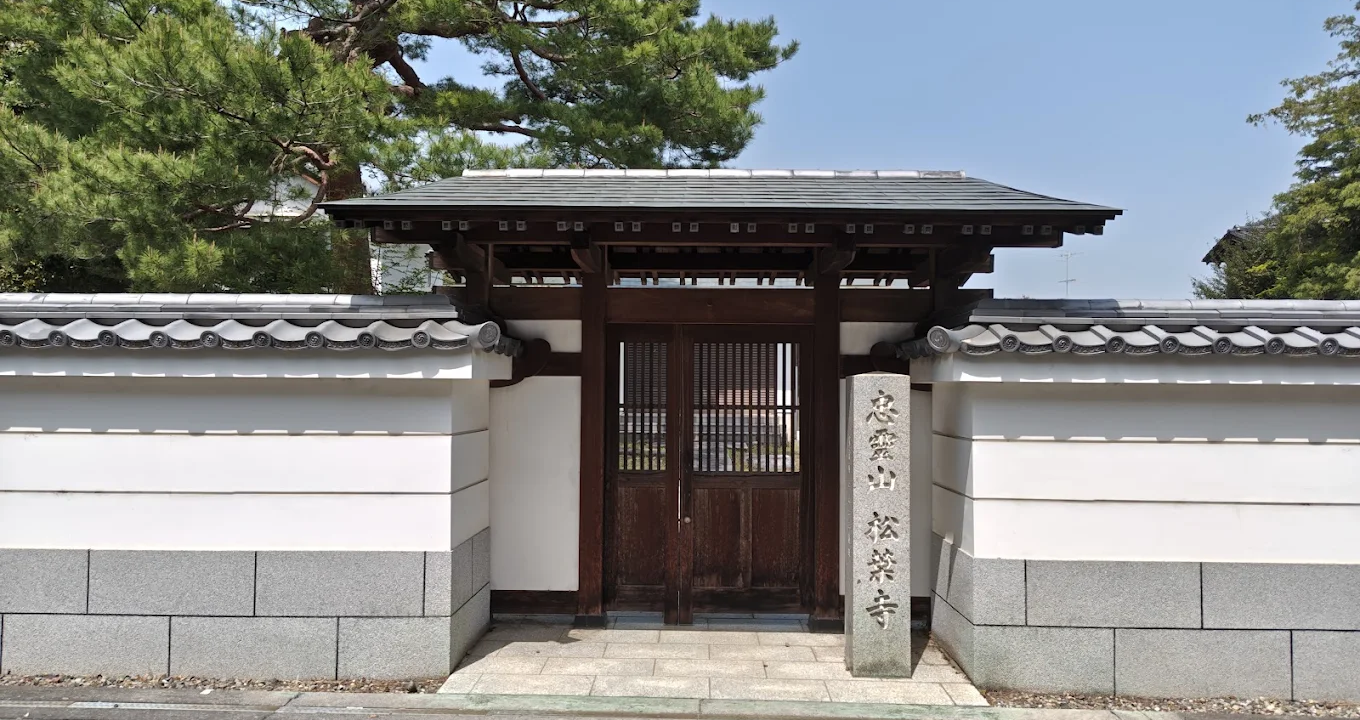
Matsuba-dera Temple (Ashikaga City, Tochigi Prefecture) | Everything You Need to Know About Shingon Dainichi-ha Temples
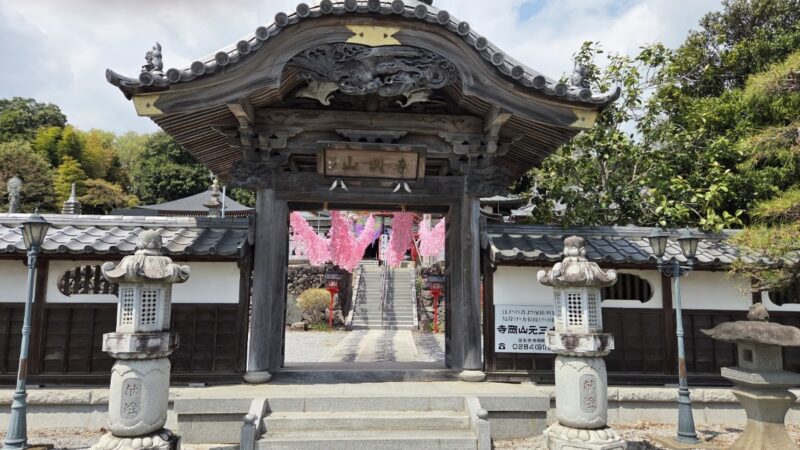
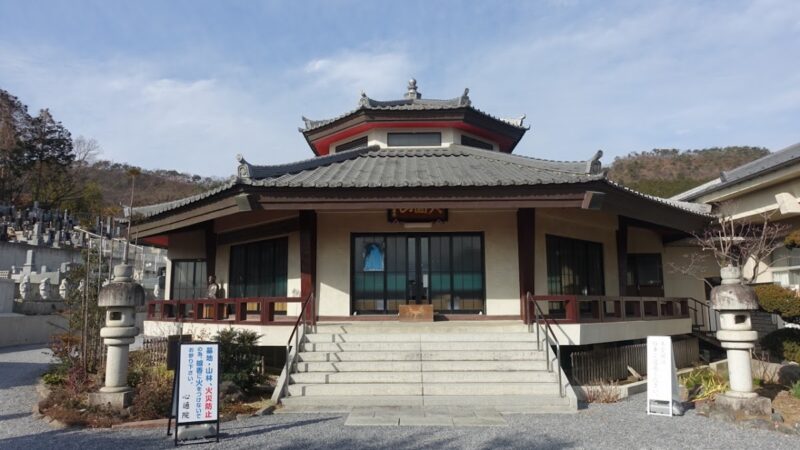
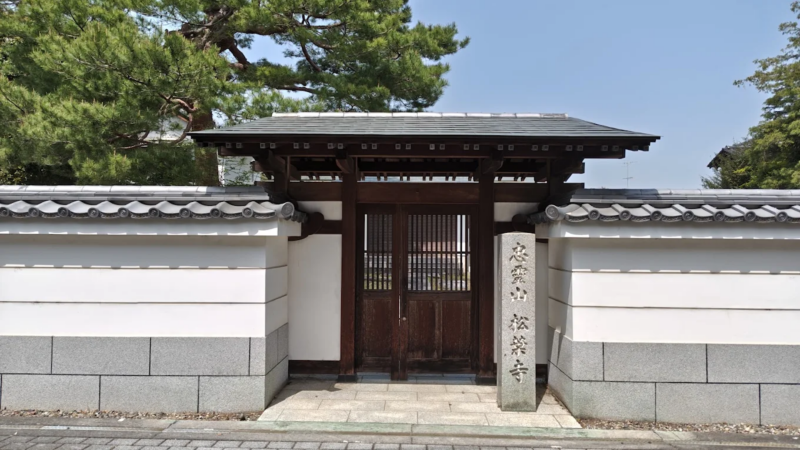
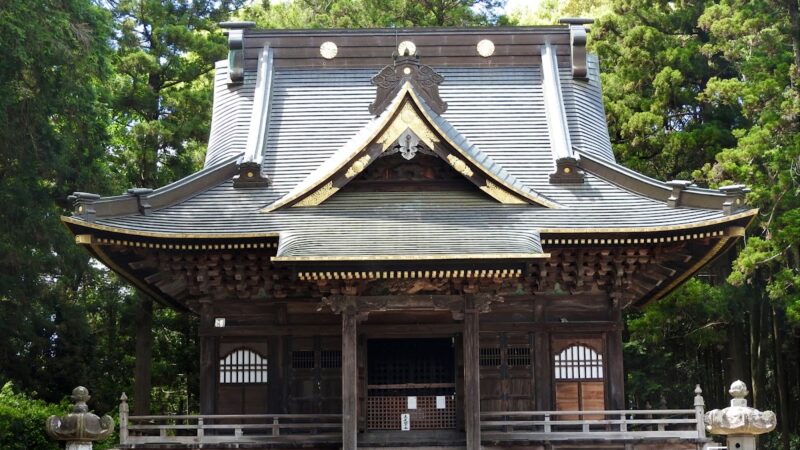
Located in Ietomi-cho, Ashikaga City, Tochigi Prefecture, Matsuba-dera Temple is a historic Buddhist temple belonging to the Shingon Dainichi-ha sect. Ashikaga City has long been a region where Buddhist culture flourished, and Matsuba-dera Temple has played an important role in its historical context. This article provides a comprehensive explanation, from detailed information about Matsuba-dera Temple to the characteristics of the Shingon Dainichi-ha sect, the temple culture of Ashikaga City, and practical information useful for visitors.
Basic Information about Matsuba-dera Temple
Location and Access
Matsuba-dera Temple is located in Ietomi-cho, Ashikaga City, Tochigi Prefecture. Ashikaga City is a historical city located in the southwestern part of Tochigi Prefecture, bordering Gunma Prefecture. It has long prospered from the textile industry and is also known as the birthplace of the Ashikaga clan.
Basic Information
- Temple Name: Shoyoji Temple (or Matsubadera)
- Location: Ietomi-cho, Ashikaga City, Tochigi Prefecture
- Sect: Shingon-shu Dainichi-ha
- Principal Image: Dainichi Nyorai (estimated)
How to Access Ashikaga City
Ashikaga City has convenient transportation and is relatively easy to access from the Tokyo area.
Access by Train
- The nearest stations are Ashikaga Station on the JR Ryomo Line or Ashikaga-shi Station on the Tobu Isesaki Line.
- Approximately 90-120 minutes from Tokyo.
- Approximately 60 minutes from Utsunomiya City.
Access by Car
- Approximately 10 minutes from Ashikaga IC on the Kita-Kanto Expressway to the city center.
- Approximately 30 minutes from Sano-Fujioka IC on the Tohoku Expressway.
About the Shingon-shu Dainichi-ha
Origins of the Shingon-shu Dainichi-ha
The Shingon-shu Dainichi-ha is a branch of the Shingon sect with its own unique history and doctrines. The Shingon sect is a branch of Esoteric Buddhism introduced to Japan in the early Heian period by Kobo Daishi Kukai, and subsequently developed into various schools.
The Shingon-shu Dainichi-ha emphasizes the teachings of Esoteric Buddhism, with Dainichi Nyorai as its principal deity, and cherishes Esoteric Buddhist rituals such as incantations, prayers, and fire rituals. Numerous Shingon Buddhist temples exist within Tochigi Prefecture, functioning as centers of local faith.
Doctrines and Characteristics of the Dainichi-ha Shingon School
Main Characteristics
- Dainichi Nyorai Worship: The principal deity is Dainichi Nyorai, the fundamental Buddha of the universe.
- Esoteric Buddhist Rituals: Emphasis on esoteric Buddhist practices such as Goma fire rituals and incantations.
- Attaining Buddhahood in This Body: The teaching that one can become a Buddha in this very body.
- Mandala: Meditation and practice using the Vajradhatu Mandala and Garbhadhatu Mandala.
In addition to general Buddhist services, Shingon Dainichi-ha temples also perform prayers for protection against misfortune, family safety, and business prosperity.
Shingon Buddhist Temples in Tochigi Prefecture
Numerous temples of various Shingon Buddhist schools exist within Tochigi Prefecture. Temples of various Shingon sects, including the Chizan, Buzan, and Dainichi branches of the Shingon sect, are scattered throughout Tochigi Prefecture, supporting the faith of the local people.
Examples of major Shingon Buddhist temples in Tochigi Prefecture
- Jihōin (Shimoisano, Yaita City) – Chizan branch of the Shingon sect
- Yakuōji (Otobata, Yaita City) – Chizan branch of the Shingon sect
- Kannonji (Nagai, Yaita City) – Chizan branch of the Shingon sect
- Matsubaji (Ietomi-cho, Ashikaga City) – Dainichi branch of the Shingon sect
Temple Culture and History of Ashikaga City
Historical Background of Ashikaga City
Ashikaga City is known as the base of the Ashikaga clan, which had a significant influence on Japanese history from the Kamakura period to the Muromachi period. This region, which produced many shoguns, including Ashikaga Takauji, who founded the Muromachi Shogunate, saw the construction of numerous temples and a flourishing Buddhist culture.
Representative Temples of Ashikaga City
Ashikaga City boasts several prominent temples possessing national treasures and important cultural properties.
Bannaji Temple
Known as the family temple of the Ashikaga clan, Bannaji Temple holds an important position as the head temple of the Shingon-shu Dainichi sect. Its main hall is designated a national treasure and is a valuable cultural asset that preserves the architectural style of the Kamakura period.
Characteristics of Temples in Ashikaga City
- Fusion of samurai culture and Buddhist culture
- Temple architecture retaining medieval architectural styles
- Coexistence of Zen and Shingon Buddhist temples
- Role as a center of the local community
History and Origins of Matsuba-dera Temple
Background of Founding
While the exact founding date of Matsuba-dera Temple is unclear due to limited existing documents, considering that many temples in Ashikaga City were built from the medieval to early modern periods, it is highly likely that Matsuba-dera Temple shares a similar historical background.
As a temple of the Shingon sect, Dainichi branch, it has attracted the faith of local people and has been deeply connected to the community through funerals, annual events, and prayers.
Origin of the Temple Name
The temple name “Matsuba-dera” (松葉寺) may originate from the presence of a magnificent pine tree on the temple grounds. In Japan, pine trees have long been considered sacred trees and have been frequently planted on temple grounds as symbols of longevity and permanence.
Shingon Buddhist Practice and Training
Shingon Buddhist Training Methods
In Shingon Buddhism, the training method called “Sanmitsu Kaji” (三密加事) is highly valued. This is a training method that aims to unify the three aspects of the body (身密), speech (口密), and mind (意密), and to become one with the Buddha.
Contents of the Three Secrets
- Body Secret: Forming mudras (specific hand shapes)
- Speech Secret: Chanting mantras
- Mind Secret: Contemplating the state of Buddhahood
Through these practices, the goal is to attain Buddhahood in this very body.
Goma Ritual
The Goma ritual is a characteristic ceremony of Shingon Buddhist temples. It is an important esoteric Buddhist ritual in which a fire is lit on a Goma altar, and while burning Goma wood, mantras are chanted to burn away worldly desires and fulfill wishes.
It is believed that Matsuba-dera Temple, as a Shingon Dainichi sect temple, also holds regular Goma rituals and Goma burning ceremonies for special prayers.
Temple Tour in Tochigi Prefecture
Distribution of Temples in Tochigi Prefecture
Tochigi Prefecture has over 1,000 temples, with various sects distributed throughout the region.
Temples by Major Region
Utsunomiya City
- The prefectural capital boasts the largest number of temples.
- Diverse sects including Shingon, Soto, and Jodo.
Ashikaga City
- Many historical temples and numerous buildings designated as cultural properties.
- Home to Banna-ji Temple, the head temple of the Dainichi branch of Shingon Buddhism.
Nikko City
- Many temples are concentrated around Nikko Toshogu Shrine.
- Many Tendai sect temples.
Tochigi City
- Shingon sect temples, such as Manpukumitsu-ji Temple, are scattered throughout the area.
- Temple culture harmonizes with the historical storehouse-lined streets.
Sano City
- Sano Yakuyoke Daishi (Sozo-ji Temple) is famous.
- One of the three major Tendai sect temples in the Kanto region.
Nasu-Shiobara City, Otawara City, Yaita City
- Group of temples in the northern part of the prefecture.
- Myodo-ji Temple (Ogi-machi, Yaita City) – Nichiren sect.
- Myohonji Temple (Kataoka, Yaita City) – Soto Zen Buddhism
- Kyozanji Temple (Higashiizumi, Yaita City) – Soto Zen Buddhism
- Honkyoji Temple (Kataoka, Yaita City) – Nichiren Buddhism
- Zuiunin Temple (Higashiizumi, Yaita City) – Soto Zen Buddhism
- Daizenji Temple (Otsuki, Yaita City) – Jodo Buddhism
Oyama City/Shimotsuke City
- Temple culture in the southern part of the prefecture
- Numerous temples also in Mibu Town and Nogi Town, Shimotsuga District
Moka City/Haga District
- Haga Town, Mashiko Town, Ichikai Town, Motegi Town, etc., in Haga District
- Temples rooted in the community as rural areas
Kanuma City
- Temples in areas that flourished along the road to Nikko
Nasu District/Shioya District
- Nasu Town, Nakagawa Town, Takanezawa Town, Shioya Town, etc.
- Unique forms of faith as temples in mountainous areas
Tips for Visiting Temples
When visiting temples in Tochigi Prefecture, keeping the following points in mind will enhance your experience:
- Gather Information Beforehand: Check visiting hours and any events.
- Appropriate Attire: Dress appropriately for worship.
- Observe Manners: Be considerate of areas where photography is prohibited and places requiring silence.
- Goshuin (Temple Stamp): Bring your goshuincho (stamp book) if you wish to receive one.
- Local History: Learn about the historical background of the temple and the surrounding area.
How to Worship at Matsuba-dera Temple
Basic Worship Etiquette
There are certain manners to observe when visiting Buddhist temples. When visiting Matsuba-dera Temple, observing the following basic manners will allow for a more heartfelt worship experience.
The Flow of Worship
- A Bow at the Temple Gate: Bow before entering the temple.
- Purification at the Water Basin: Cleanse your hands and mouth.
- Worship at the Main Hall: Bow and clasp your hands together towards the main image of Buddha.
- Offering a Coin: Quietly place your offering.
- Clasping Hands: Clasp your hands together in front of your chest.
- Prayer: Express your wishes and gratitude silently.
- A Bow: Bow deeply one last time before leaving.
Special Customs at Shingon Buddhist Temples
Shingon Buddhist temples have the following special customs:
- Mantra of Light: You can chant the mantra “Om Abokya Beiroshanou Makabodara Mani Handoma Jinbara Harabaritaya Hum”.
- Participation in Goma Ritual: You may be able to participate in regular Goma rituals.
- Sutra Copying and Buddha Image Copying: Some temples offer this experience.
Ashikaga City Sightseeing and Temple Visits
Major Tourist Spots in Ashikaga City
When visiting Matsuba-dera Temple, combining your visit with other tourist spots in Ashikaga City will make your trip even more fulfilling.
Bannaji Temple
- Head temple of the Dainichi branch of Shingon Buddhism
- Possesses a National Treasure main hall
- High historical value as the family temple of the Ashikaga clan
Ashikaga School
- Known as the oldest school in Japan
- Designated as a National Historic Site
- Remains of an educational institution centered on Confucianism
Orihime Shrine
- Guardian deity of Ashikaga’s textile industry
- Popular as a shrine for matchmaking
- Located on a hill overlooking the city
Watarase Bridge
- A bridge made famous by Chisato Moritaka’s song
- Enjoy the scenery of the Watarase River
Ashikaga City’s Gourmet Food and Local Products
Ashikaga Soba
- A beloved local soba culture
- Many soba restaurants are scattered throughout the area
Potato Yakisoba
- Ashikaga’s local specialty
- A unique yakisoba dish containing potatoes
Ashikaga Meisen
- Traditional textile
- Popular as a souvenir
Annual Events at Temples in Tochigi Prefecture
Major Buddhist Events
Various Buddhist events are held throughout the year at temples in Tochigi Prefecture. It is believed that Matsuba-dera Temple, as a Shingon Buddhist temple, also holds the following events:
Main Annual Events
- Shōshō-e (January): New Year’s memorial service
- Setsubun-e (February): Bean-throwing and prayers for warding off evil
- Shunki Higan-e (March): Ancestor memorial service
- Hanamatsuri (April 8th): Celebrating the birth of Buddha
- Urabon-e (August): Obon memorial service
- Shūki Higan-e (September): Ancestor memorial service
- Jūya Hōyō (November): Jōdo-shū style memorial service (varies by sect)
- Jōya no Kane (December 31st): New Year’s Eve bell ringing
Events Unique to Shingon Buddhism
- Mikage-ku (March 21st): Memorial service on the anniversary of Kōbō Daishi’s death
- Goma-kuyō: Performed regularly or during special prayers
- Star Festival: A star offering for protection against evil and prayers for good fortune.
Temples and Local Communities
The Role of Temples in Modern Times
Temples in Tochigi Prefecture, including Matsuba-dera Temple, play an important role not only as religious facilities but also as centers of local communities.
Functions of Temples in the Community
- Spiritual Pillar: A place of solace for residents
- Cultural Inheritance: Maintaining traditional events and festivals
- Educational Space: A place of learning that continues the tradition of temple schools
- Welfare Activities: Support for the elderly and childcare in the community
- Disaster Shelter: A local hub in emergencies
Modern Challenges for Temples
Due to the declining birthrate, aging population, and urbanization, local temples face challenges such as a decrease in parishioners and a lack of successors. However, many temples are developing activities open to the community and exploring new forms of community contribution.
Shingon Buddhism and Modern Life
The Philosophy of Attaining Buddhahood in This Life
The core teaching of Shingon Buddhism, “attaining Buddhahood in this life,” is the idea that one can become a Buddha in this very body. This is a practical teaching for modern people, as it suggests that one can achieve the state of Buddhahood even in daily life.
Application to Daily Life
The teachings of Shingon Buddhism can be applied to modern life in the following ways:
- Mindfulness: The meditative effect of chanting mantras
- Grateful Heart: An attitude of gratitude for daily life
- Practice of Compassion: Compassion and altruistic behavior towards others
- Peace of Mind: A state of mind free from worldly desires
Characteristics of Temple Architecture in Tochigi Prefecture
Diversity of Architectural Styles
Temple architecture in Tochigi Prefecture exhibits diverse styles depending on the era and sect. From medieval Zen-style architecture to early modern Japanese-style architecture, a variety of architectural styles can be seen.
Main Architectural Styles
- Japanese Style: Traditional Japanese architectural style
- Zen Buddhist Style (Chinese Style): Style introduced from China
- Eclectic Style: A fusion of Japanese and Zen Buddhist styles
Cultural Value
Many temple buildings, such as the main hall of Banna-ji Temple in Ashikaga City, are designated as National Treasures or Important Cultural Properties, occupying an important position as cultural assets of Tochigi Prefecture.
Notes and Manners for Visiting Temples
Basic Manners
When visiting temples, it is important to observe the following manners.
- Quiet: Please remain quiet within the temple grounds.
- Photography: Photography is permitted only in designated areas.
- Attire: Please avoid revealing clothing.
- Smoking: Smoking is prohibited within the temple grounds.
- Pets: Please check in advance whether pets are allowed.
- Restricted Areas: Do not enter designated areas.
About Goshuin (Temple Seals)
Collecting Goshuin has become popular in recent years, but they are originally given as proof of worship. If you wish to receive a Goshuin at Matsuba-dera Temple, please first offer your prayers respectfully, and then request one at the temple office.
Manners for Receiving a Goshuin (Temple Stamp):
- Request it after your visit.
- Open your Goshuincho (stamp book) and hand it over.
- Prepare the Goshuin fee (generally 300-500 yen).
- Wait quietly while the stamp is being written.
- Express your gratitude upon receiving it.
The Fusion of Temples and Tourism in Tochigi Prefecture
The Charm of Temple Tourism
Visiting temples in Tochigi Prefecture offers a multifaceted tourist experience, including historical exploration, architectural appreciation, and spiritual cultivation. The temples in Ashikaga City, including Matsuba-dera Temple, possess a unique atmosphere, blending samurai culture and Buddhist culture.
Collaboration with Surrounding Areas
Ashikaga City is close to Ota City and Kiryu City in Gunma Prefecture, forming a wide-area tourist route as part of the Ryomo region. Along with temple visits, you can also enjoy hot springs, natural scenery, and industrial heritage.
Summary: Matsuba-dera Temple and the Temple Culture of Tochigi Prefecture
Matsuba-dera Temple, located in Ietomi-cho, Ashikaga City, Tochigi Prefecture, is a Shingon sect temple of the Dainichi school that has supported the faith and culture of the region. Ashikaga City is a region with many historically important temples, and Matsuba-dera Temple plays a part in this.
The Shingon sect’s Dainichi school’s philosophy of attaining Buddhahood in this lifetime offers profound insights into our daily lives even today. Tochigi Prefecture, including Utsunomiya City, Nikko City, Tochigi City, Sano City, Nasushiobara City, Oyama City, Mooka City, Kanuma City, and Yaita City, has many temples scattered throughout its region, each reflecting its own history and culture.
Temple visits are not merely sightseeing; they are a valuable opportunity to experience traditional Japanese culture and spirituality. When visiting Matsuba-dera Temple, why not take some time to reflect on Ashikaga City’s rich history and culture, and the profound teachings of Shingon Buddhism, while offering a peaceful and serene prayer?
The temple culture of Tochigi Prefecture is an important part of the Buddhist culture of northern Kanto, and it will continue to evolve alongside the local people. Matsuba-dera Temple is also expected to play a role in connecting its history to the future.