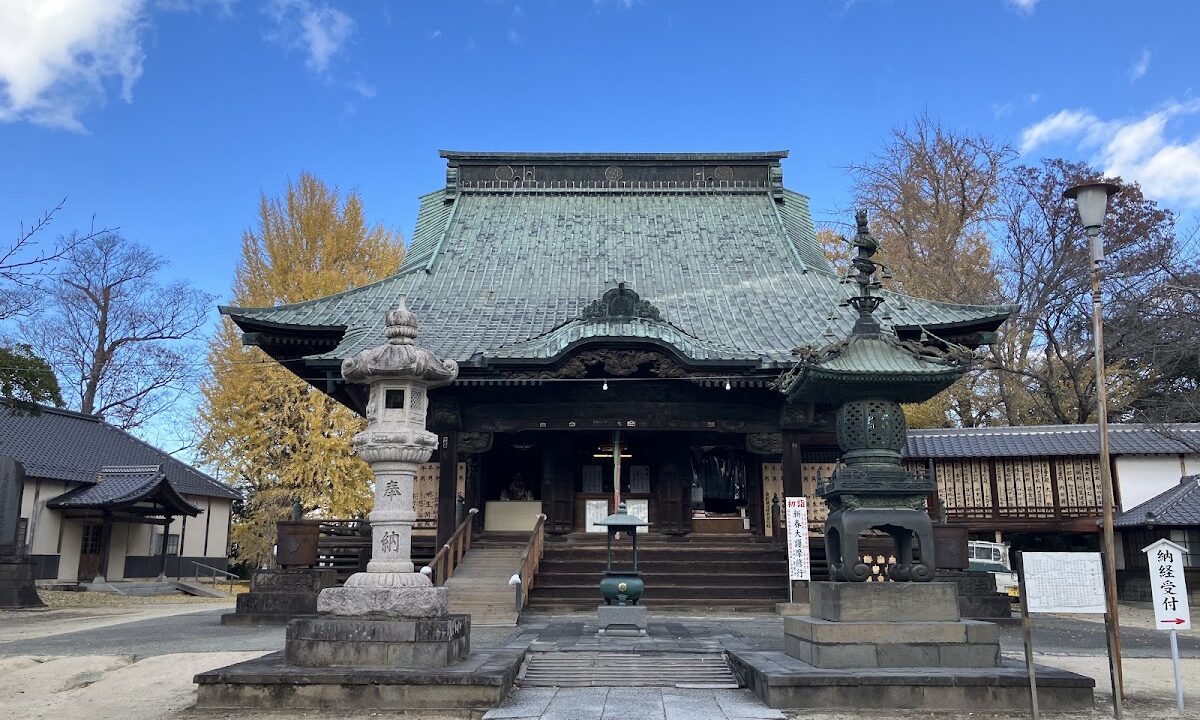
Complete Guide to Fudogaoka Fudoson Soganji Temple (Saitama Prefecture): The History of the Kanto Three Great Fudo Temples and the Charm of the Setsubun Festival
Fudogaoka Fudoson Soganji Temple, located in Kazo City, Saitama Prefecture, is a renowned Shingon sect Chizan school temple and is considered one of the Kanto Three Great Fudo Temples, alongside Naritasan Shinshoji Temple and Takahata Fudoson Temple. With a history spanning over 1200 years, it is revered by many worshippers as a protector of good fortune, business prosperity, and fire prevention. This article comprehensively introduces everything you need to know before visiting, from the temple’s deep history and highlights to annual events and access information.
About Fudogaoka Fudoson Soganji Temple
Fudogaoka Fudoson Soganji Temple, officially known as Gyokutosan Fudoin Soganji, is a Shingon sect Chizan-ha temple located in Fudogaoka, Kazo City, Saitama Prefecture. Its principal image is a statue of Fudo Myoo said to have been created by Chisho Daishi, and it is also known as the 30th temple on the Kanto Thirty-Six Fudo Pilgrimage.
Locally, it is affectionately known as “Fudogaoka Fudoson” or “Kazo’s Fudo-sama,” and is a highly revered temple believed to bring good fortune, business prosperity, and protection against fire, attracting many worshippers from all over the Kanto region. In particular, its Setsubun festival held every February is nationally famous for its fierce and powerful atmosphere.
History of Soganji Temple
From its Founding to the Heian Period
The history of Soganji Temple is ancient, dating back to the second year of Ninna (866). It is said to have begun with the enshrinement of a statue of Fudo Myoo (Acala) carved by Chisho Daishi (Enchin) by imperial decree of Emperor Koko. Chisho Daishi is a highly respected priest known as the founder of the Tendai sect’s Jimon branch, and the statue of Fudo Myoo attributed to him is still carefully enshrined as the principal image.
Initially a Tendai sect temple, it later converted to the Shingon sect and currently belongs to the Shingon Chizan branch. It is said that even during the Heian period, it attracted worshippers as a highly efficacious Fudo Myoo.
Prosperity in the Edo Period
Soganji Temple flourished during the Edo period. In the second year of Genna (1616), it was restored and re-established by Sogan Shonin, and came to receive fervent devotion from the Tokugawa shogunate. The temple enjoyed particularly strong patronage from the fifth shogun, Tokugawa Tsunayoshi, who bestowed upon it a stipend of 100 koku (a unit of rice production), and it flourished under the protection of the shogunate.
During this period, it came to be counted as one of the three great Fudo temples of the Kanto region, alongside Naritasan Shinshoji and Takahata Fudoson, and became widely known among the common people of Edo as “Fudo-sama, the fire-preventing deity.” Records show that many pilgrims visited from Edo, and the temple town was bustling with activity.
Modern Era
Despite the impact of the anti-Buddhist movement after the Meiji Restoration, Soganji Temple survived as a center of local faith. It escaped war damage during the Showa period and has preserved many cultural assets and traditional events to this day. Even in the modern Heisei and Reiwa eras, tens of thousands of visitors come to annual events such as the Setsubun festival, and it remains a cherished cultural asset of the region.
Highlights of the Temple Grounds
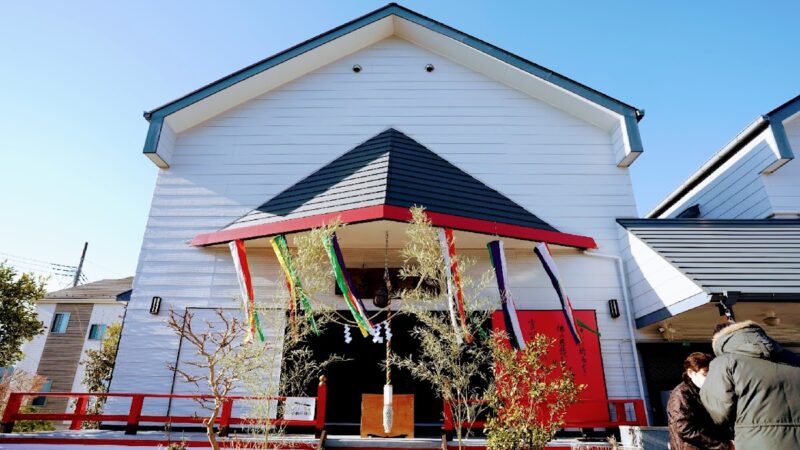
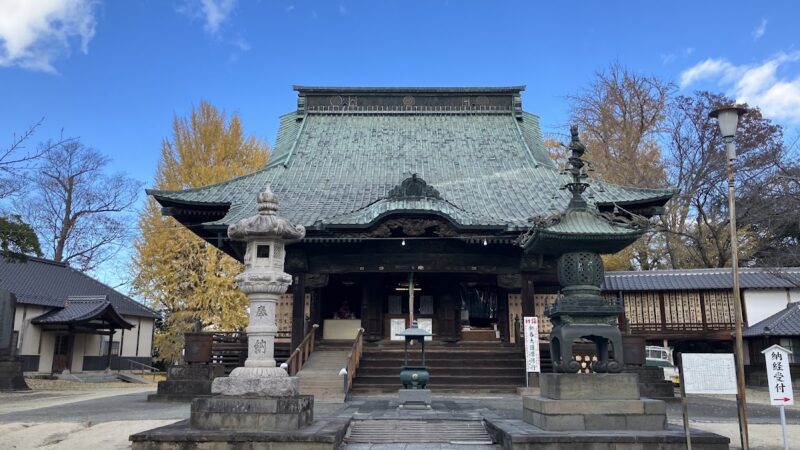
Fudo Hall
The Fudo Hall is the central building of Soganji Temple. This hall, which houses the principal image of Fudo Myoo (Acala), is a magnificent structure that preserves the architectural style of the Edo period. Inside the hall, in addition to Fudo Myoo, Kongara Doji and Seitaka Doji are enshrined on either side, together as the Fudo Triad.
During the Setsubun festival, a magnificent spectacle unfolds as red, blue, and black demons, carrying large torches, run through the corridor of this Fudo Hall. While normally enveloped in silence, during the Goma fire ritual, the sounds of chanting and drums resonate, creating a solemn atmosphere.
Temple Gate and Grounds
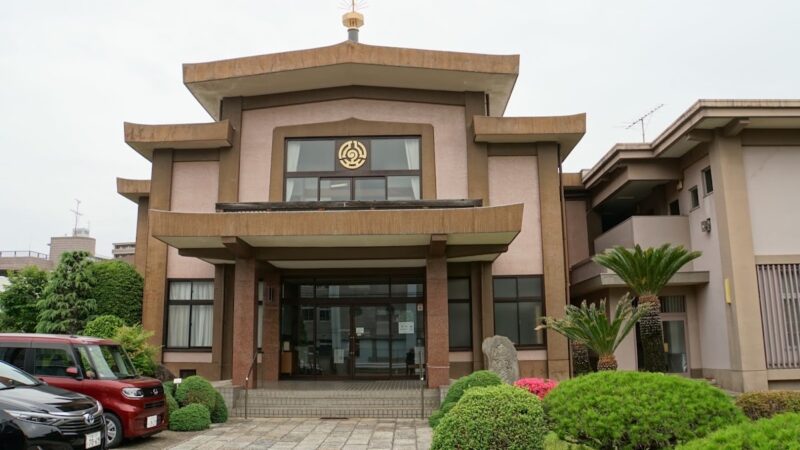
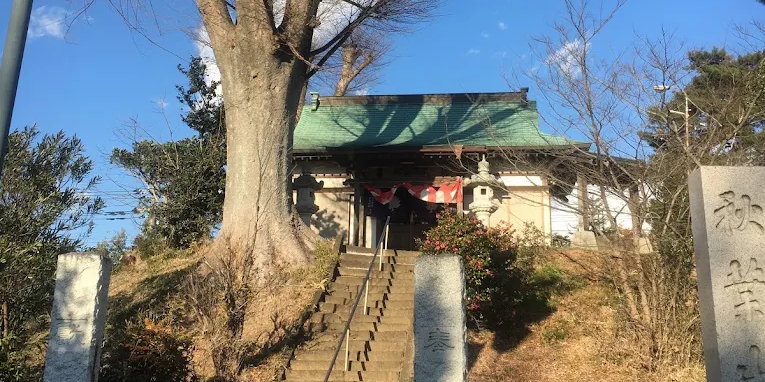
The temple gate of Soganji Temple is a splendid structure welcoming visitors. Passing through the gate, one enters the well-maintained grounds, where cherry blossoms bloom beautifully in spring. Several halls are arranged within the grounds, each bearing its own history and story of faith.
Located next to Fudooka Park, the temple is popular with locals who enjoy strolling around, and in the evenings, visitors can be seen walking through the grounds. The temple grounds, harmoniously integrated with nature, display different expressions throughout the seasons, soothing the hearts of visitors.
Cultural Properties and Treasures
Sōganji Temple houses numerous valuable cultural properties accumulated over its long history. These include the principal image of Fudo Myoo, Edo-period votive paintings, ancient documents, and Buddhist implements—important materials that convey the history of Kazo City.
These cultural properties are usually not open to the public, but are sometimes displayed on special occasions, attracting attention from history researchers and Buddhist art enthusiasts.
Annual Events
Setsubun Festival (Demon-Chasing Bean-Throwing Ceremony)
The most famous event at Sōganji Temple is the “Setsubun Festival (Demon-Chasing Bean-Throwing Ceremony),” held annually on Setsubun in February. This traditional festival has a history of approximately 400 years, and its boisterous nature is considered rare throughout Japan.
On the day of the Setsubun festival, the sound of the temple bell signals the appearance of three demons: a red demon carrying a large torch, a blue demon wielding a sword, and a black demon carrying a club. The three demons run through the corridors of the Fudo Hall, creating a thrilling spectacle as they approach the worshippers. Afterward, men and women born in the year of the current zodiac animal throw beans, and the temple grounds become bustling with many visitors.
Every year, tens of thousands of worshippers from both within and outside the city visit to pray for good fortune, prosperity, and protection from evil. This traditional event, unique to Soganji Temple, combines the grandeur of the demon-chasing ritual with the solemnity of the Great Goma Fire Ritual.
New Year’s Visit
The New Year’s visit is also an important event at Soganji Temple. From January 1st to the 3rd, many worshippers visit to pray for good fortune, business prosperity, and family safety. Stalls line the temple grounds, creating a lively atmosphere of the New Year.
Seeking the blessings of Fudo Myoo, worshippers gather from Kazo City and beyond, Saitama Prefecture, to pray for safety and prosperity in the new year.
Autumn Grand Festival
In autumn, the Autumn Grand Festival is held. During this festival, a large goma fire ritual is performed, praying for the fulfillment of the worshippers’ wishes. The esoteric Buddhist ceremony, in which wishes are written on goma wood and offered to the temple, and then sent to heaven with the flames, leaves a deep impression on those who witness it.
While the Autumn Grand Festival is not as large as the Setsubun Festival, it attracts devout worshippers and is held in a solemn atmosphere.
Sakura Mid Night
Every year on the first Saturday of April, “Sakura Mid Night” is held. Many cherry trees are planted on the grounds of Soganji Temple and the adjacent Fudooka Park, creating a magnificent cherry blossom landscape in spring.
At night, the trees are illuminated, allowing visitors to enjoy the fantastical scenery created by the historical buildings and cherry blossoms. This lively event brings together local residents and tourists to celebrate the arrival of spring.
Benefits and Faith
Good Fortune and Business Prosperity
Fudo Myoo is worshipped as a Buddha who severs worldly desires and wards off calamities. The Fudo Myoo at Soganji Temple is particularly believed to bring good fortune and business prosperity, attracting many business owners and those starting new ventures.
It has a history of attracting the faith of merchants since the Edo period, and even today, business owners and self-employed individuals continue to visit.
Fire Prevention
Fudo Myoo is also a Buddha who controls fire, and Soganji Temple has long been known as “Fudo-sama of Fire Prevention.” It is believed to offer protection from fire, and was especially revered by the townspeople of Edo, a city prone to fires, during the Edo period.
Even today, restaurant owners and those in professions involving fire visit to pray for protection against fire.
Protection from Misfortune and Family Safety
As exemplified by its Setsubun Festival, Soganji Temple is known as a sacred site for protection from misfortune. Many people in their unlucky years visit to receive exorcism, and many others pray for the health and safety of their families.
It is believed that the powerful protection of Fudo Myoo (Acala) shields people from all kinds of calamities.
Kanto Thirty-Six Fudo Pilgrimage and Kanto Three Great Fudo Temples
Kanto Thirty-Six Fudo Pilgrimage, No. 30
Souganji Temple is designated as the 30th temple of the Kanto Thirty-Six Fudo Pilgrimage. This pilgrimage involves visiting temples dedicated to Fudo Myoo scattered throughout the Kanto region, and many believers collect temple stamps (Goshuin) while making the pilgrimage.
Pilgrims on the pilgrimage receive temple stamps at each temple, receiving the blessings of Fudo Myoo. Soganji Temple welcomes pilgrims as an important pilgrimage site within Saitama Prefecture.
One of the Three Great Fudo Temples of the Kanto Region
Sōganji Temple is counted as one of the three great Fudo temples of the Kanto region, alongside Naritasan Shinshōji Temple in Narita City, Chiba Prefecture, and Takahata Fudoson Temple in Hino City, Tokyo. All three temples are renowned centers of Fudo Myoo worship, boasting long histories and numerous worshippers.
Naritasan Shinshōji Temple is nationally famous as “Narita’s Fudo,” and Takahata Fudoson Temple is known as one of the oldest temples in the Kanto region. Sōganji Temple, with its comparable status and spiritual power, holds an important position in Fudo worship in the Kanto region.
Access and Transportation Information
Access by Train and Bus
Nearest Station: Tobu Isesaki Line “Kazo Station”
From Kazo Station to Sōganji Temple, take a bus or taxi.
- Bus: Take the bus bound for “Kazo Bus Depot” from Kazo Station. Get off at the “Kazo Bus Depot” bus stop (approximately 10 minutes), then walk for about 5 minutes.
- Taxi: Approximately 10 minutes from Kazo Station.
- Walking: Approximately 25-30 minutes on foot from Kazo Station.
During major events such as Setsubun (bean-throwing festival), extra buses may be operated.
Access by Car
Expressway: Approximately 15 minutes from the Tohoku Expressway “Kazo Interchange” via National Route 125.
Free parking is available around the temple grounds, but it may be full during peak times such as Setsubun and New Year’s visits. In such cases, we recommend using nearby temporary parking lots or public transportation.
When using car navigation, please search for “2-9-18 Fudooka, Kazo City, Saitama Prefecture” or “Sōganji Temple”.
Nearby Facilities
Sōganji Temple is adjacent to Fudooka Park, allowing visitors to stroll through the park after their visit. The park is a popular spot for relaxation, with beautiful cherry blossoms in spring and vibrant autumn foliage.
Kazo City also boasts numerous other tourist attractions, including many restaurants serving Kazo’s famous udon noodles. You can enjoy the charm of Kazo City in conjunction with your temple visit.
Etiquette and Manners for Visiting a Temple
Basic Etiquette for Visiting a Temple
- Bow at the Temple Gate: Bow before passing through the temple gate to compose yourself.
- Purify at the Water Basin: Purify your hands and mouth at the water basin.
- Worship at the Main Hall (Fudo Hall): Offer your donation and pray with clasped hands.
- Goshuin (Temple Stamp): If you wish to receive a Goshuin, bring your Goshuincho (stamp book) and request it at the reception.
Photography
Photography is generally permitted within the temple grounds, but photography inside the main hall or during ceremonies may be restricted. When taking photographs, please be considerate of other visitors, and if you have any questions, please check with the temple office.
Dress Code
There are no specific dress code requirements, but please dress appropriately for visiting a temple. Especially when participating in ceremonies such as the Great Goma Ritual, it is advisable to avoid revealing clothing.
A Summary of the Charms of Soganji Temple
Fudogaoka Fudoson Soganji Temple, with a history spanning over 1200 years, is one of the three major Fudo temples in the Kanto region and has attracted many worshippers. The principal image, Fudo Myoo, said to have been created by Chisho Daishi, continues to bestow blessings upon many visitors as a protector of good fortune, business prosperity, and fire prevention.
In particular, the Setsubun Festival, with a history of approximately 400 years, is known nationwide for its ferocity and power, attracting tens of thousands of visitors every year. The sight of demons carrying large torches running through the corridors of the Fudo Hall is a unique traditional festival of Soganji Temple that cannot be seen anywhere else.
During the Edo period, it received the patronage of the Tokugawa shogunate and was granted a stipend of 100 koku (a unit of rice production), developing into a temple of high status. Its spiritual efficacy, comparable to Naritasan Shinshoji Temple and Takahata Fudoson, and its deeply rooted local faith continue to thrive today.
In spring, the cherry blossoms bloom beautifully, and during “Sakura Midnight,” you can enjoy the illuminated cherry blossoms at night. The temple grounds, which display different expressions throughout the seasons, are perfect not only for worship but also for a leisurely stroll.
When visiting Kazo City, Saitama Prefecture, be sure to visit Fudogaoka Fudoson Soganji Temple and experience the power of faith nurtured by its long history and the dynamism of its traditional events. You will be able to spend a soul-cleansing time under the protection of Fudo Myoo.
Basic Information
Temple Name: Gyokuzan Fudōin Sōganji (Fudōgaoka Fudōson Sōganji)
Sect: Shingon-shu Chizan-ha
Principal Image: Fudō Myōō (said to be the work of Chishō Daishi)
Pilgrimage Site: 30th of the Kantō Thirty-Six Fudō Pilgrimage Sites
Address: 2-9-18 Fudōoka, Kazo City, Saitama Prefecture 347-0054
Phone: 0480-61-0031
Visiting Hours: Grounds are freely accessible (may vary depending on events)
Admission Fee: Free
Parking: Available (free, may be crowded during events)
Official Website: https://souganji.com/
As one of the three major Fudo temples in the Kanto region, and a pilgrimage site for the 36 Fudo temples of Kanto, Soganji Temple in Fudogaoka welcomes many visitors. At this temple steeped in history and tradition, receive the blessings of Fudo Myoo and find inner peace.